Information
Landmark: Munkholmen IslandCity: Trondheim
Country: Norway
Continent: Europe
Munkholmen Island, Trondheim, Norway, Europe
Munkholmen is a small island located in the Trondheimsfjord, approximately 2 kilometers north of Trondheim city center, Norway. It features a historic fortress and former monastery.
Visual Characteristics
The island is circular, with a diameter of approximately 300 meters, dominated by a central stone fortress. The fortress walls are constructed from grey granite, featuring a prominent circular tower and several smaller defensive structures. The island's perimeter is lined with low-lying grass and some sparse deciduous trees, contrasting with the dark waters of the fjord.
Location & Access Logistics
Access to Munkholmen is exclusively by boat from Trondheim. Ferries depart regularly from Ravnkloa pier, located at the end of Munkegata in the city center. The boat journey takes approximately 10-15 minutes. No private vehicle access or parking is available on the island itself; visitors must use city parking facilities in Trondheim prior to boarding the ferry.
Historical & Ecological Origin
The island's history dates back to the 10th century, initially serving as a place of execution. In the 11th century, a Benedictine monastery, Nidarholm Abbey, was established here. Following the Reformation, the monastery was dissolved, and in the 17th century, the island was fortified into Munkholmen Fortress, completed around 1695, designed by Johan Caspar von Cicignon. It later functioned as a state prison and a customs station.
Key Highlights & Activities
Visitors can explore the historic fortress walls and interior structures, including the former prison cells. Guided tours detailing the island's history are available during peak season. Swimming is possible from designated areas along the island's shore. Picnicking on the grassy areas outside the fortress is a common activity.
Infrastructure & Amenities
Restrooms are available near the main pier on the island. Limited natural shade is provided by the fortress walls and a few trees. Cell phone signal (4G/5G) is generally strong across the island. A restaurant and kiosk operate during the summer season, offering food and beverages.
Best Time to Visit
The best time to visit is during the summer months, from June to August, when ferry services are most frequent and the weather is mildest. Early morning or late afternoon visits can offer softer light for photography of the fortress against the fjord. No specific tide requirements affect access or activities.
Facts & Legends
During the 17th century, the Danish statesman Peder Griffenfeld was imprisoned at Munkholmen Fortress for 18 years, from 1680 to 1698, making him its most famous inmate. His cell is still a point of interest within the fortress.
Nearby Landmarks
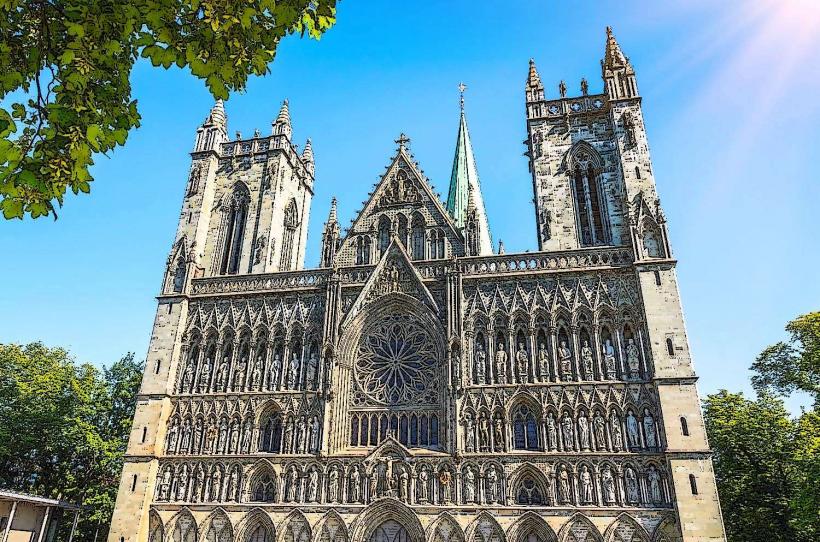
- Nidaros Cathedral: 2.5km South
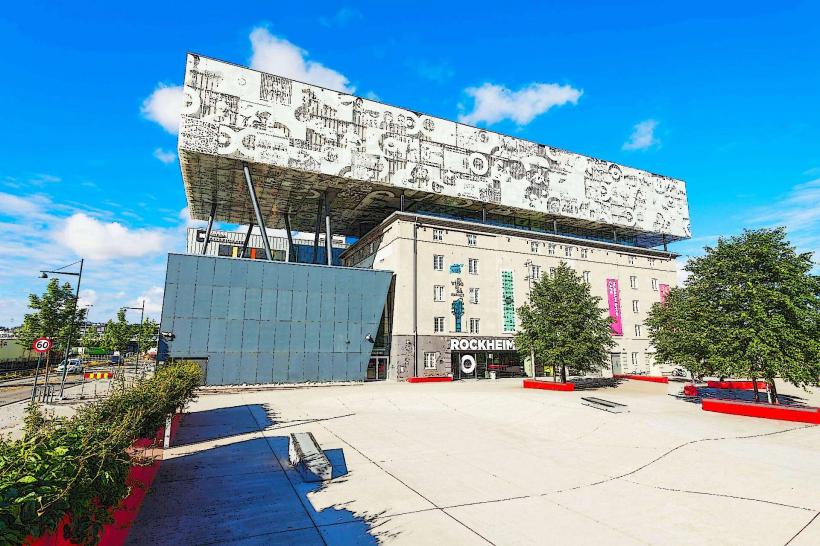
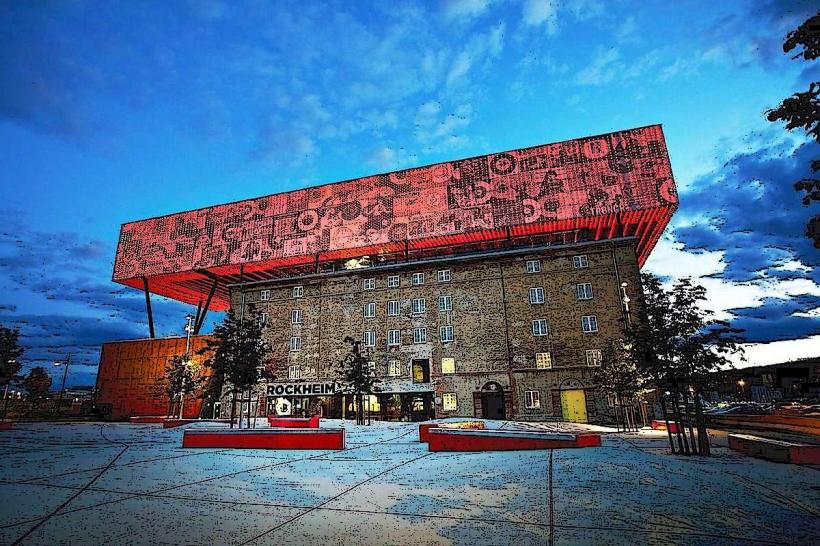
- Rockheim (National Museum of Popular Music): 2.0km South-East
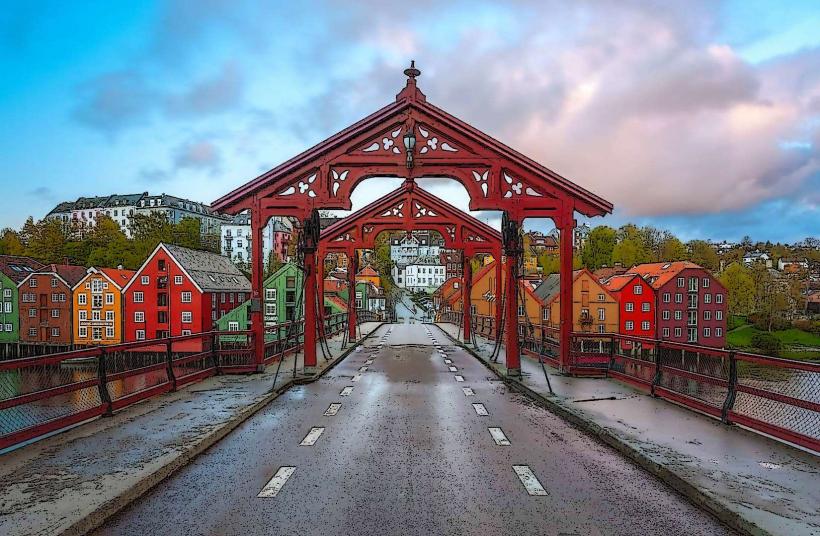
- Old Town Bridge (Gamle Bybro): 2.8km South
- Kristiansten Fortress: 3.5km South-East