Information
Landmark: Kristiansten FortressCity: Trondheim
Country: Norway
Continent: Europe
Kristiansten Fortress, Trondheim, Norway, Europe
Visual Characteristics
The fortress is primarily constructed from grey granite and brick, featuring a prominent circular main tower, known as the Donjon, with a conical green-tiled roof. Surrounding the central tower are defensive walls and bastions, also built from stone, which follow the contours of the hill. The overall height of the main tower is approximately 20 meters from its base. The architectural style is 17th-century military fortification, characterized by robust, functional design.
Location & Access Logistics
Kristiansten Fortress is located on a hill approximately 1.5 kilometers east of Trondheim city center. Access is primarily via Festningsgata, which leads directly to the fortress grounds. Limited paid parking is available near the main entrance. Public transport options include local bus lines; bus number 63 stops at "Festningsgata" which is a short walk from the entrance.
Historical & Ecological Origin
Construction of Kristiansten Fortress began in 1682, following the comprehensive city plan by General Johan Caspar von Cicignon after the 1681 fire. The primary architect was Domenico Carbone. Its original purpose was to defend Trondheim from land-based attacks, particularly from the east, and it played a crucial role in the city's defense during the Great Northern War, notably resisting the Swedish siege in 1718.
Key Highlights & Activities
Visitors can explore the fortress grounds, including the defensive walls and bastions. The Donjon houses a small museum detailing the fortress's history and military significance. Panoramic views of Trondheim city, the Nidelva river, and the Trondheimsfjord are accessible from various points on the ramparts. Guided tours are available during peak season, typically departing from the main courtyard.
Infrastructure & Amenities
Restroom facilities are available on the fortress grounds, often located near the main entrance or within the museum building. Limited natural shade is provided by trees, and some indoor areas offer shelter. Cell phone signal (4G/5G) is generally strong across the site. A small café or kiosk operates seasonally, offering light refreshments and snacks.
Best Time to Visit
The best time to visit for clear views and comfortable exploration is during the summer months, from June to August, when the weather is mildest. For photography, late afternoon or early evening provides optimal lighting for capturing the city panorama and the fjord, with the sun setting behind the city. The fortress is accessible year-round, but winter conditions may limit outdoor comfort.
Facts & Legends
During the 1718 siege by Swedish forces, the fortress's strategic position and robust defenses were instrumental in preventing the capture of Trondheim. A verified historical oddity is that the fortress was decommissioned in 1816 but reactivated during World War II by German occupation forces, who used it as an execution site for Norwegian resistance fighters.
Nearby Landmarks
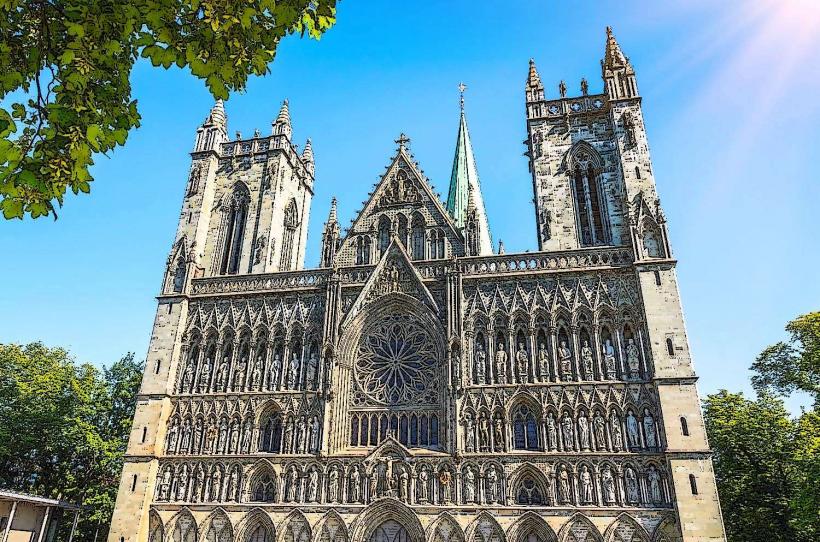
- Nidaros Cathedral: 1.2km West
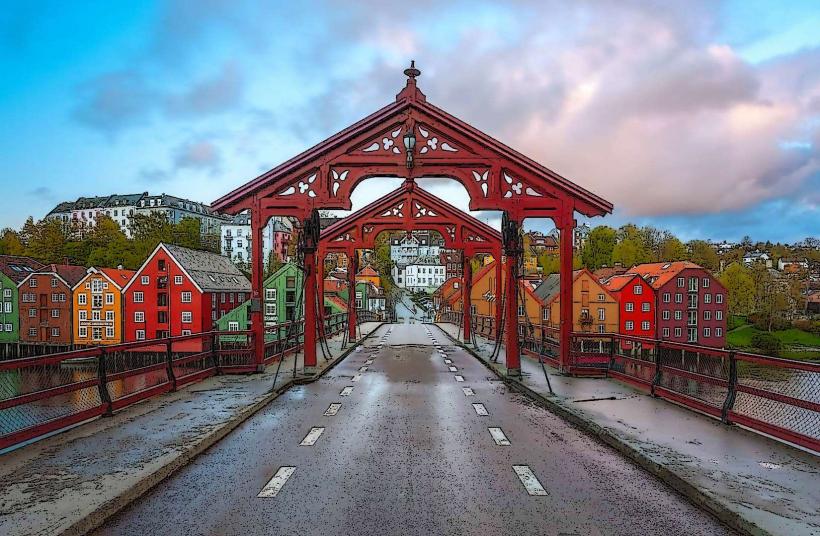
- Gamle Bybro (Old Town Bridge): 0.8km West
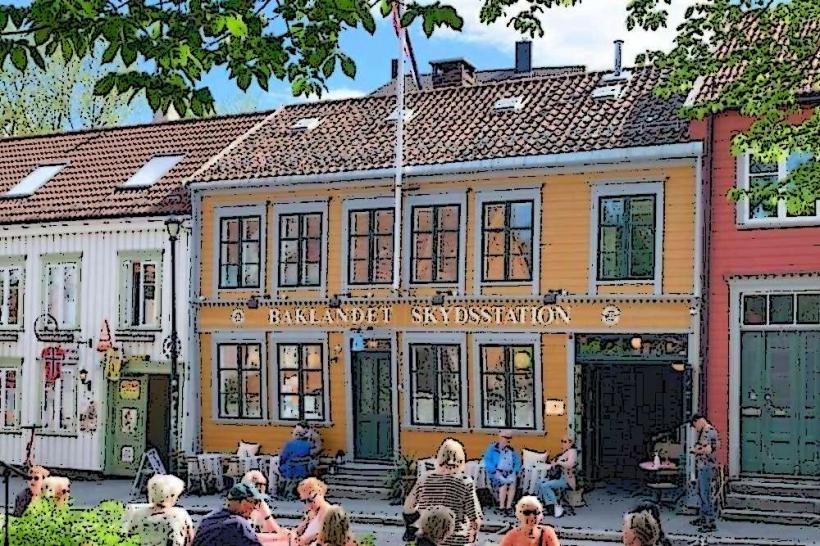
- Bakklandet: 0.7km West
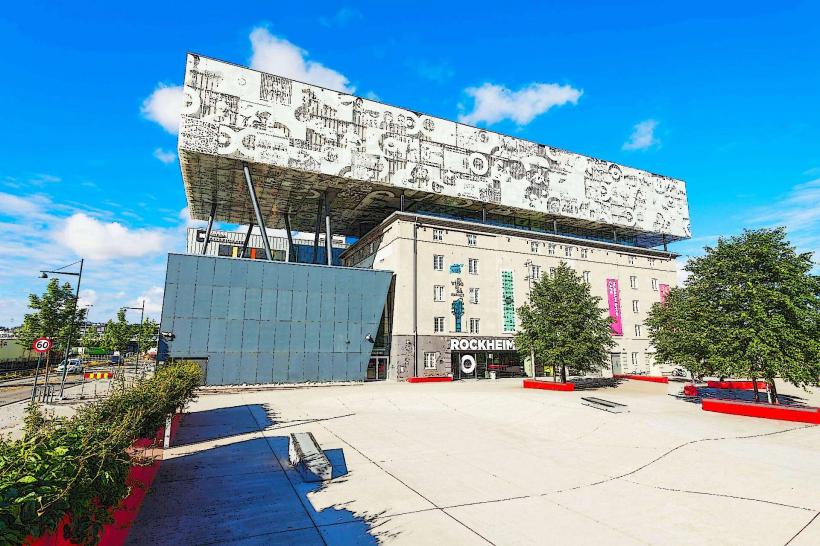
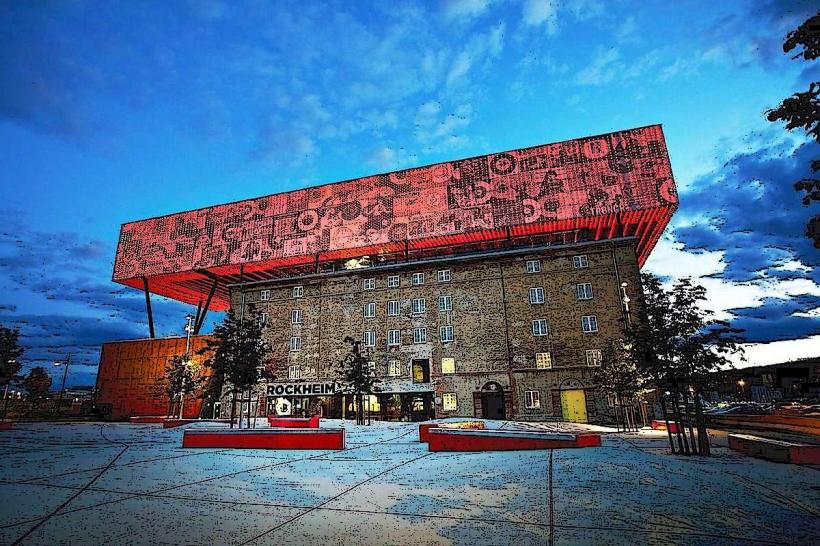
- Rockheim (National Museum of Popular Music): 2.5km Northwest
- Ringve Museum: 3.5km Northeast