Information
Landmark: Trondheim HarborCity: Trondheim
Country: Norway
Continent: Europe
Trondheim Harbor, Trondheim, Norway, Europe
Visual Characteristics
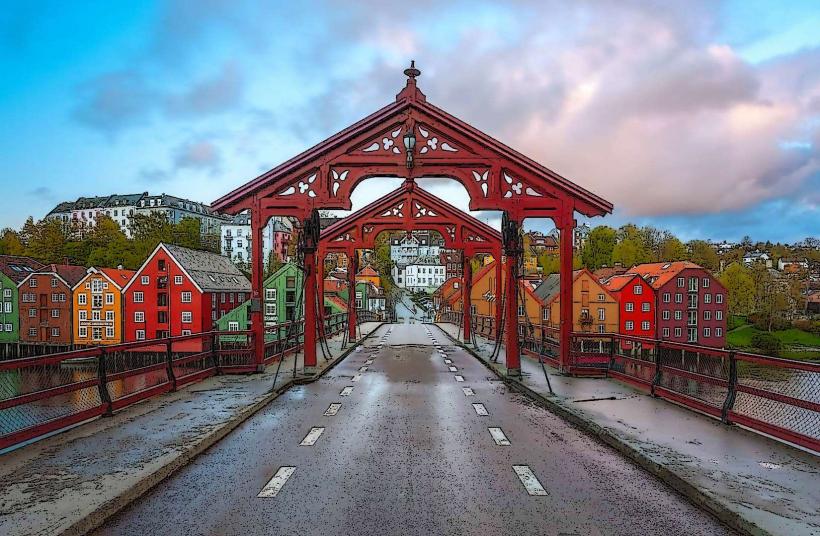
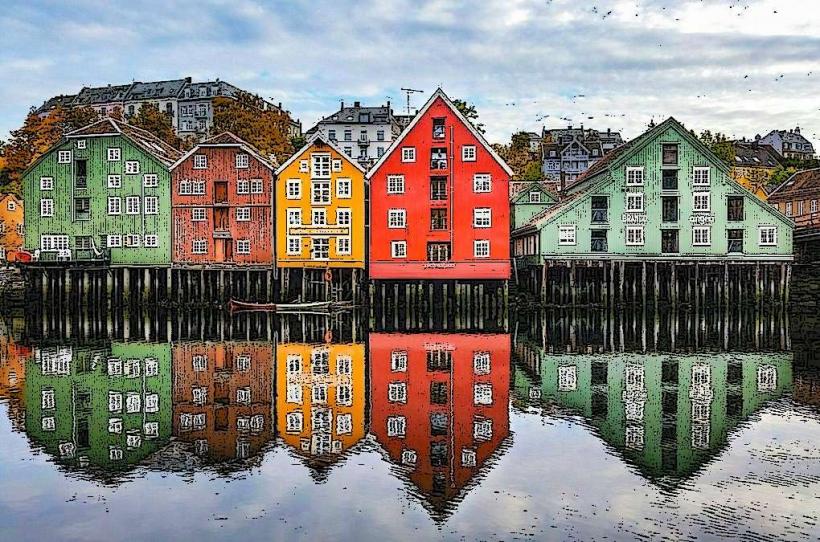
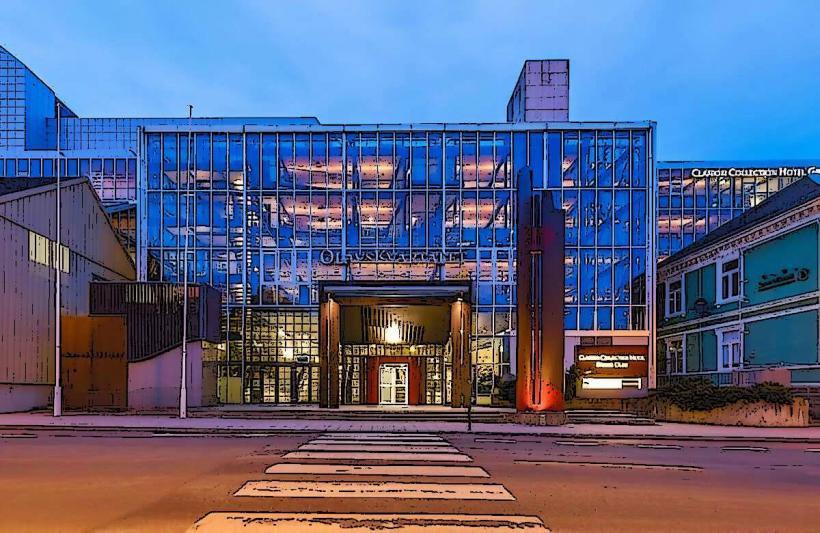
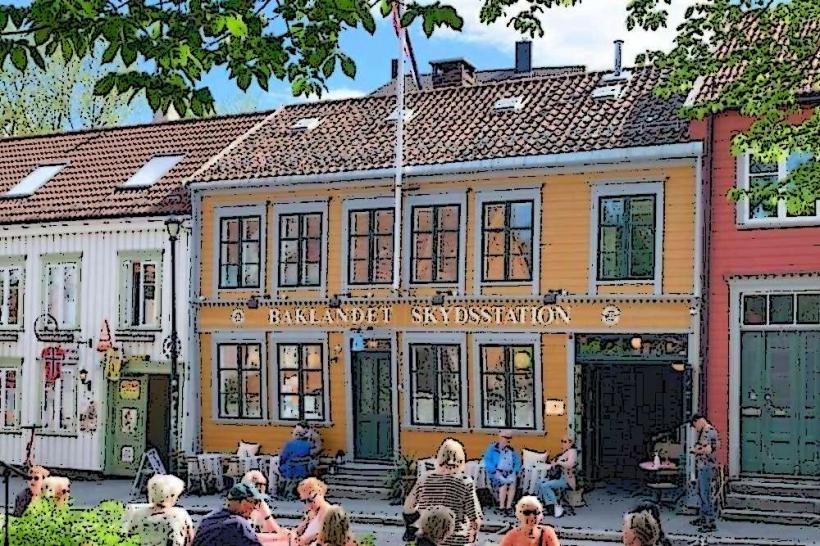
The harbor features multiple quays and piers, including the modern developments at Pirsenteret and Brattøra. Buildings in these areas are primarily industrial and commercial structures, constructed with concrete, steel, and glass. Along the adjacent Nidelva River, historic wooden warehouses stand on stilts over the water, characterized by their distinct red, yellow, and green facades. The water in the harbor is generally calm, reflecting the surrounding urban landscape.
Location & Access Logistics
Trondheim Harbor is situated directly north of Trondheim city center, primarily on the peninsula of Brattøra. It is approximately 0.5 kilometers from Trondheim Central Station (Trondheim S). Access by car is via Fv706 (Havnegata/Pirvegen), which connects to the city's main road network. Paid parking is available in multi-story garages at Pirsenteret and Brattøra. Trondheim Central Station is a major hub for regional trains and buses. Local bus lines, such as Line 1, 2, 10, 19, 20, 60, and 66, have stops within walking distance of the harbor area. Passenger ferries to destinations like Munkholmen Island depart from Ravnkloa or Fosenkaia.
Historical & Ecological Origin
Trondheim's harbor has been continuously active since the city's founding in 997 AD by Olav Tryggvason. Its original purpose was to facilitate trade and provide a strategic defensive position, leveraging the natural deep-water fjord. The current harbor infrastructure has undergone significant modernization and expansion, particularly on Brattøra, from the late 19th century through the 21st century. The iconic wooden warehouses along the Nidelva River date primarily from the 18th and 19th centuries, built for the storage of goods.
Key Highlights & Activities
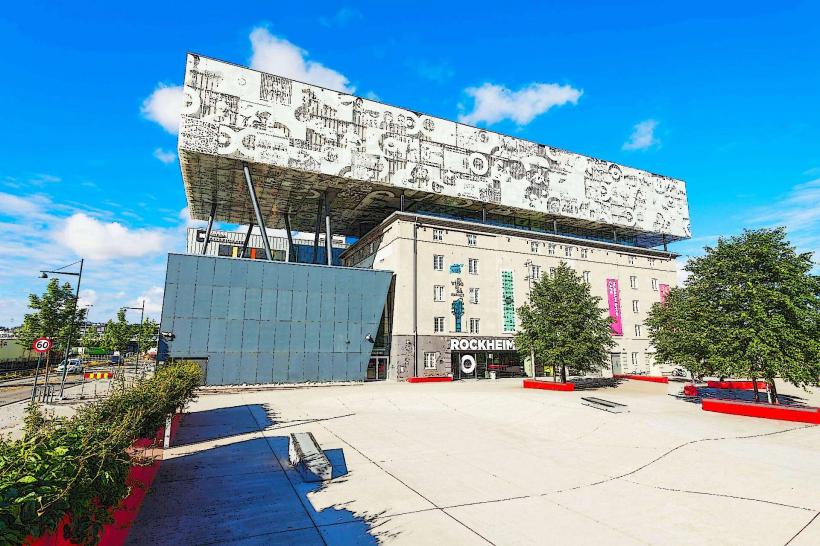
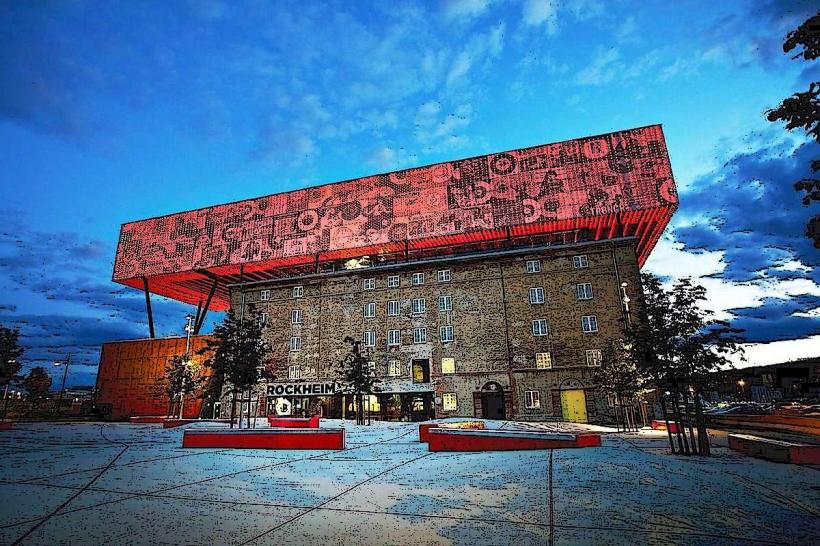
Visitors can observe commercial shipping operations. Seasonal ferry services to Munkholmen Island depart from the harbor area. Waterfront promenades at Brattøra and Pirsenteret offer walking opportunities. Several restaurants are located along the waterfront. The Rockheim national museum of popular music is situated on Brattøra. Views of the historic wooden warehouses along the Nidelva River are accessible from various points within the harbor.
Infrastructure & Amenities
Restrooms are available at Trondheim Central Station, Rockheim, and within various commercial establishments. Shade is limited in open areas, with some provided by buildings. Strong 4G and 5G cell phone signal coverage is present throughout the harbor area. Multiple restaurants, cafes, and convenience stores are located at Pirsenteret, Brattøra, and near the central station.
Best Time to Visit
For photography, early morning or late afternoon light provides softer illumination for the fjord and city reflections. The months of June to August offer the mildest temperatures and longest daylight hours, making them ideal for general visits. May and September are also suitable. Tidal range in the Trondheimsfjord is minimal, so tide conditions do not significantly impact harbor access or activities.
Facts & Legends
The Brattøra peninsula, where a significant portion of the modern harbor is located, is largely built on reclaimed land, a process that has expanded the city's footprint over the past century. A specific tip for visitors is to walk across Gamle Bybro (Old Town Bridge) to view the historic warehouses from the east bank of the Nidelva River, then proceed towards the harbor for a different perspective.
Nearby Landmarks
- Trondheim Central Station: 0.2km South-East
- Rockheim: 0.1km North-West
- Pirbadet Water Park: 0.3km North-West
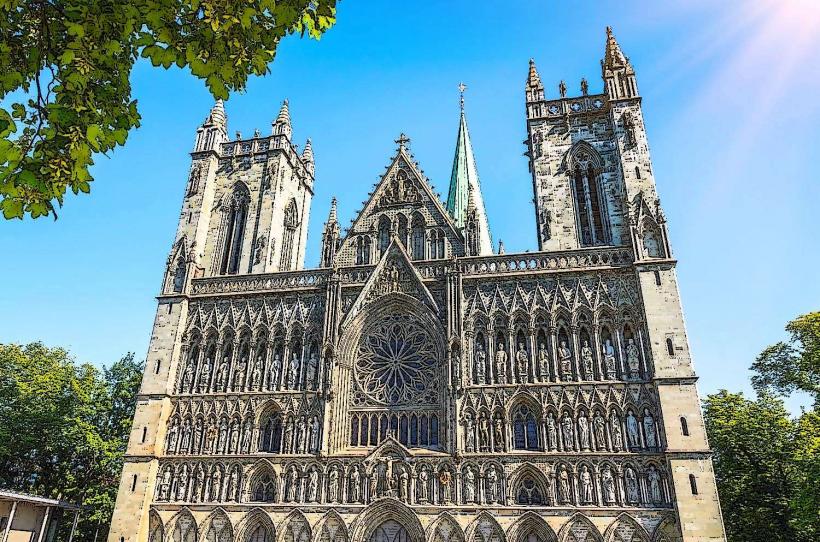
- Nidarosdomen (Nidaros Cathedral): 1.5km South
- Gamle Bybro (Old Town Bridge): 1.2km South-East