Information
City: UlcinjCountry: Montenegro
Continent: Europe
Ulcinj, Montenegro, Europe
Overview
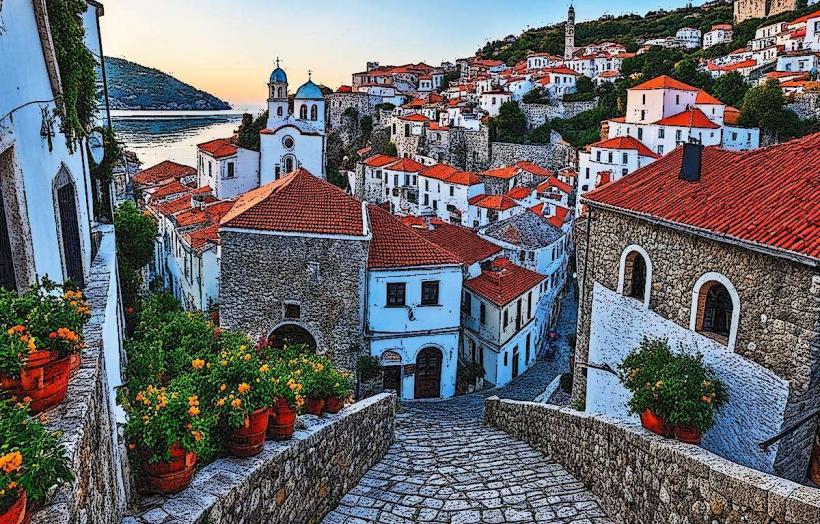
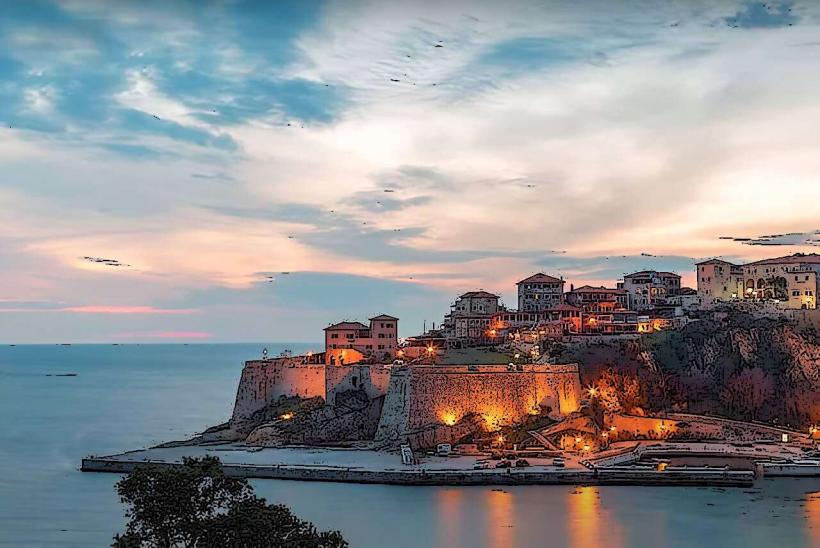
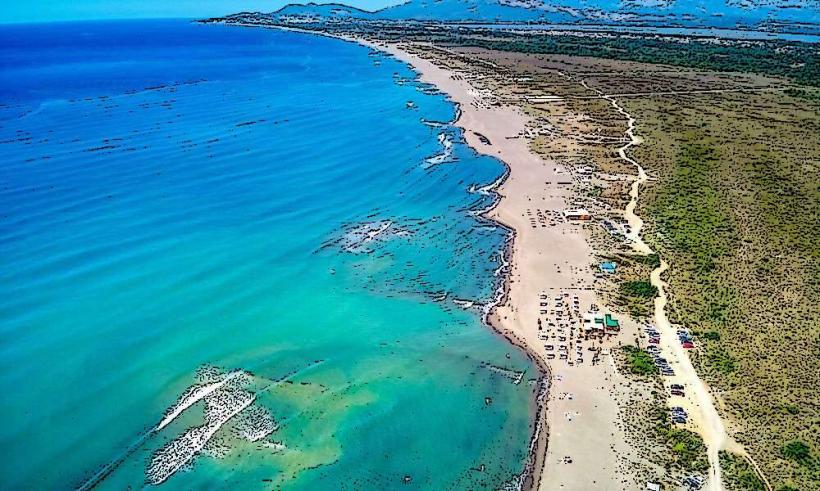
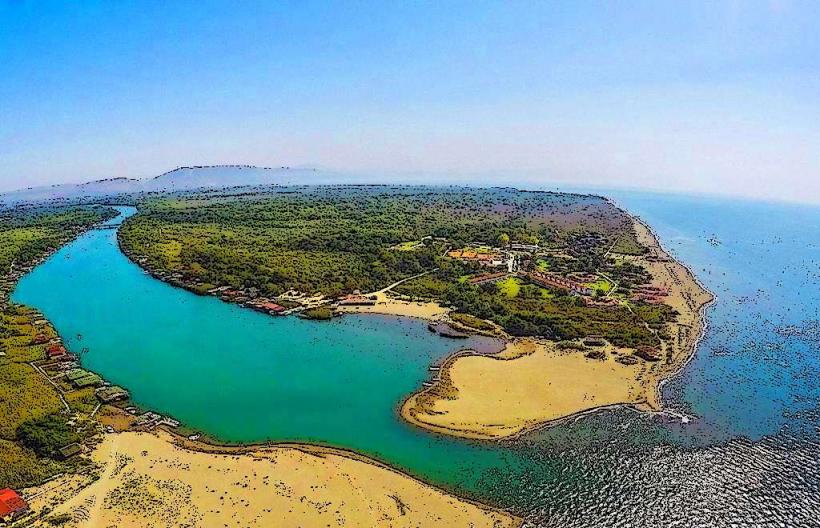
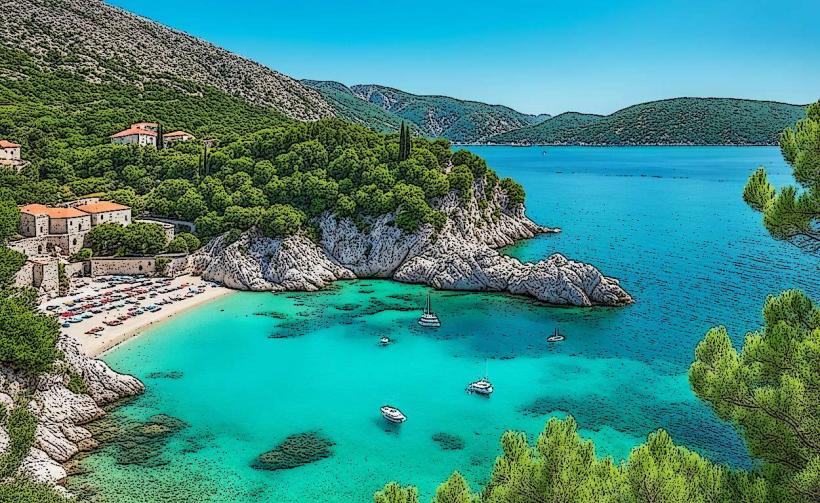
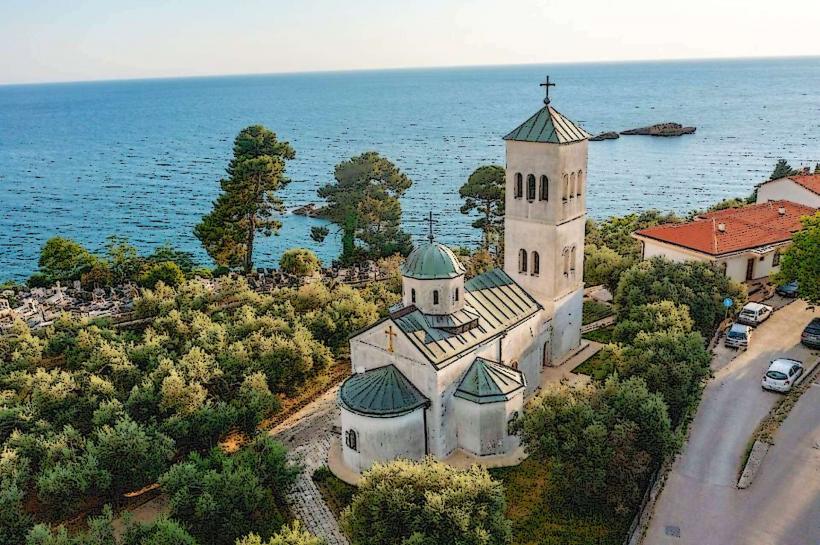
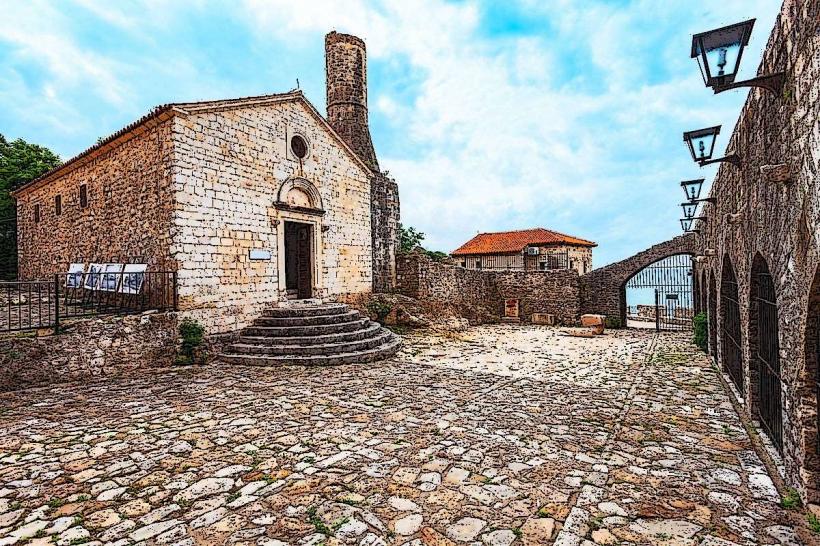
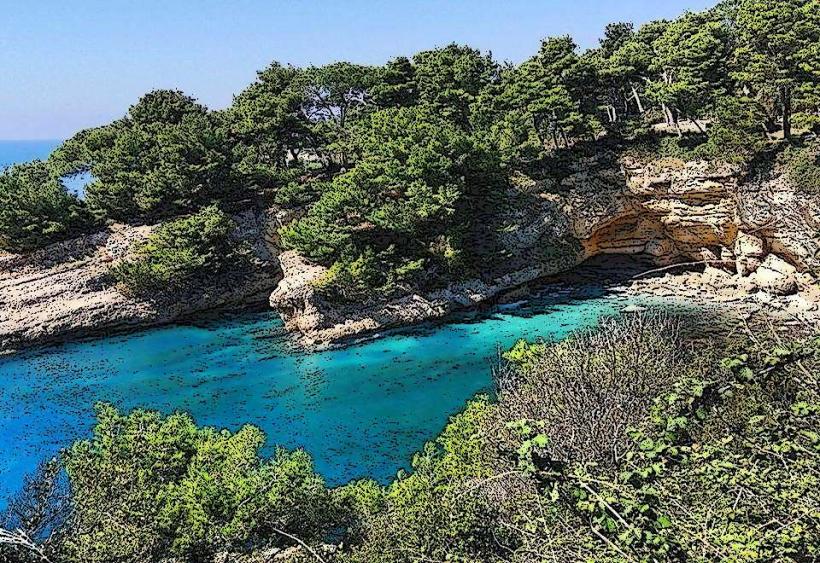
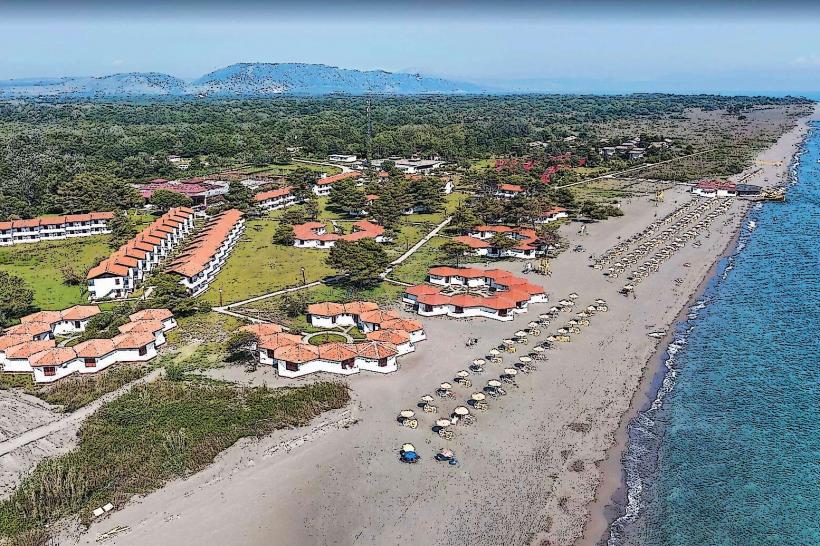
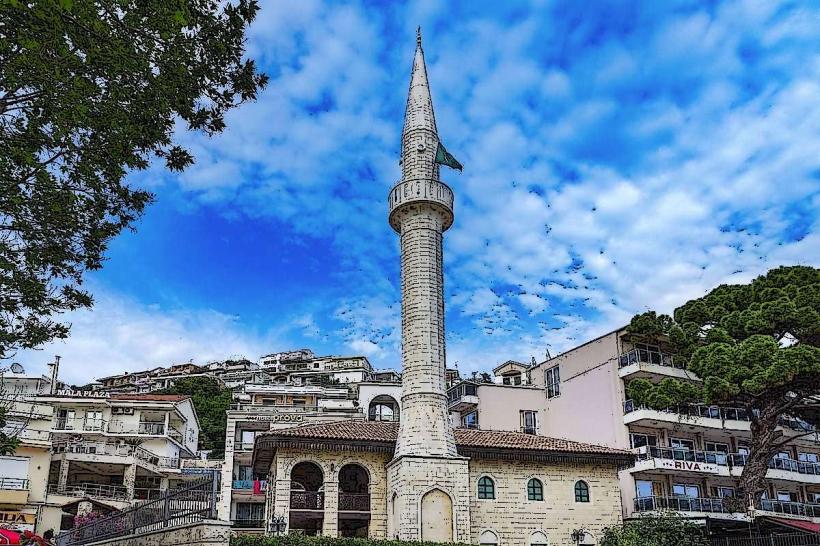
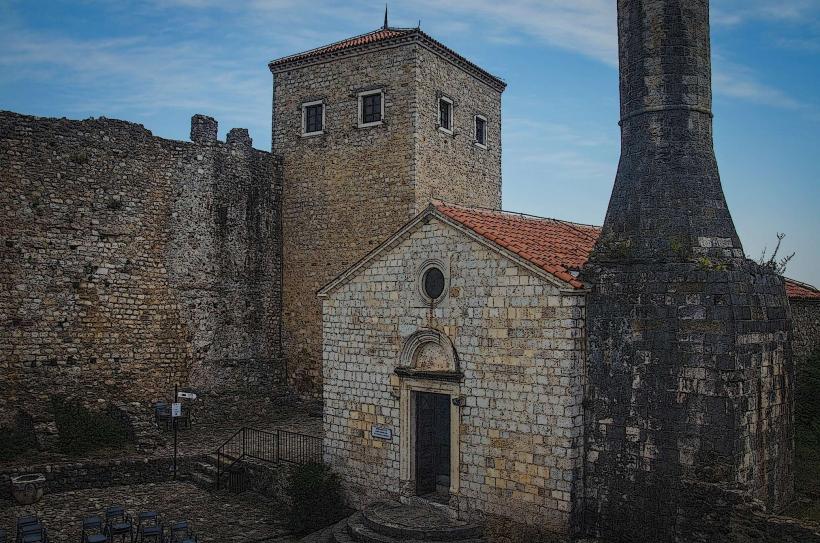
Ulcinj is a centuries-historic coastal town at Montenegro’s southern tip, just a short drive from the Albanian border, where the air smells faintly of sea salt, in turn ulcinj, with its centuries-timeworn fort walls, golden beaches, and vibrant mix of cultures, stands as one of the oldest towns on the Adriatic coast.Over the centuries, the town has felt the touch of many civilizations-the Illyrians, Romans, Venetians, Ottomans, and Albanians-each leaving traces in its language, stone arches, and sun-worn facades, besides ulcinj sits on the Adriatic Sea, its coastline unfurling in a sweep of pale sand and sparkling water admired for its natural beauty.The town sits on a rocky peninsula, where waves crash against the shore and the mountains rise just beyond the glittering water, in turn the Ulcinj Riviera boasts miles of golden sand, with its crown jewel-Long Beach (Velika Plaža)-spanning more than 12 kilometers and ranking among Montenegro’s longest and loveliest shores.The region has a Mediterranean climate, with summers that bake under dry heat and winters softened by gentle, soaking rain, on top of that ulcinj’s warm climate draws summer crowds, with visitors stretched out on golden beaches, wandering ancient stone streets, and chasing adventures in the open air.Ulcinj’s roots stretch deep into the past, with traces of Illyrian life from the 5th century BC still lingering in weathered stones, simultaneously the Romans eventually conquered the town, their banners snapping in the wind, and later the Byzantines took control.In the medieval era, Ulcinj thrived as a busy port and trade hub, its docks crowded with ships drawn by the town’s prime spot on the sparkling Adriatic coast, along with in the 15th century, the town joined the Venetian Republic, its docks busy with radiant sails, but a century later the Ottoman Empire seized it.Under Ottoman rule, Ulcinj thrived-its markets buzzed with merchants, its streets echoed with many tongues, and it became a hub for trade, culture, and governance, meanwhile the Ottomans held Ulcinj until the late 1800s, handing it over to Montenegro after the Treaty of Berlin in 1878, when the town’s stone streets first flew a current flag.As it turns out, In the 20th century, Ulcinj grew into a favorite spot for travelers, especially after the Socialist Federal Republic of Yugoslavia was formed and its beaches began to fill with sunbathers, furthermore over the past few decades, its popularity has only climbed, drawing travelers from every corner of the globe with rugged cliffs, blooming wildflowers, and a rich sense of history.Ulcinj’s economy leans heavily on tourism, with visitors flocking to its sunlit beaches, centuries-timeworn landmarks, and vibrant cultural traditions, and the town’s been famous for salt since the days of the Romans, and the Ulcinj Saltworks-its wide, shimmering pans drying under the sun-still plays a key role in the local economy.Agriculture also shapes the local economy, with groves of silver-leafed olive trees, neat rows of vineyards, and the sharp scent of ripe citrus in the air, likewise in recent years, the town’s drawn more investment into its tourism scene, with contemporary resorts rising by the shore, fresh hotels opening their doors, and restaurants filling with the smell of grilled seafood, all as more visitors arrive from around the world, for the most part Mind you, Ulcinj Marina, where sleek yachts and tiny fishing boats tie up, plays a key role in keeping the local economy afloat, consequently in Ulcinj, centuries of settlers have left their mark, creating a rich mix of cultures and traditions-you can hear it in the call to prayer and the toll of church bells drifting through the ancient streets.You can still spot Ottoman arches and Venetian stonework in the town’s streets, while the rhythm of Albanian songs and Montenegrin customs shape its character just as strongly, consequently in Ulcinj’s ancient Town, or Stari Grad, you can wander through a maze of cobblestone lanes, touch weathered stone walls, and spot buildings that have stood since the days of the Venetians and Ottomans.Perched on a hilltop, the town looks out over the Adriatic, its blue waters stretching to the horizon, alternatively you can wander through the historic stone walls, climb the watchtowers, and stroll past houses topped with warm red tiles.It appears, Tucked inside Ulcinj’s aged Town, the Museum of Archaeology, Ethnology, and History brings the city’s past to life, from weathered Roman coins to handwoven Montenegrin rugs, while you’ll spot ancient tools worn smooth by time, vibrant traditional costumes, and other treasures that bring the town’s diverse past to life.The Church of St, alternatively nicholas, a 19th‑century Serbian Orthodox landmark, stands in the heart of the heritage Town, its stone walls catching the afternoon sun.The church blends traditional Orthodox design with the rich curves and mosaics of Byzantine style, and it’s still a cherished spot of worship in the heart of town, furthermore mosque of Ulcinj: Among the region’s oldest, it has stood since the days of Ottoman rule, its stone walls weathered smooth by centuries of salt air.It’s a key site of worship for the town’s Muslim community, where the call to prayer drifts across the rooftops at dusk, likewise the Balšić Tower, built in the Venetian era, once stood watch as part of the stone walls guarding the ancient Town, to some extent From here, you can spot the coastline stretch for miles, waves flashing white in the sun, and it’s one of the spots visitors love most for snapping photos, along with the Sailor’s Monument stands just beyond the vintage Town, honoring the men who once steered Ulcinj’s ships through salt-sprayed winds and shifting tides.For centuries, Ulcinj bustled with the clang of hammers on wood, serving as a hub for shipbuilding and sea trade, and beachesUlcinj is known for its stunning shoreline, with soft golden sand that ranks among the best in Montenegro.People recognize the town for its wide, sandy beaches, the kind that squeak under your feet, its clear blue water, and the rugged cliffs that rise above the coast, moreover long Beach, or Velika Plaža, is Montenegro’s longest stretch of sand, running more than 12 kilometers along the shining, salty sweep of the Adriatic coast.People flock here to stretch out in the sun, dive into the cool water, and race across the waves on jet skis, furthermore several resorts, hotels, and restaurants line the beach, their windows catching the glare of the afternoon sun, roughly Just so you know, compact Beach (Mala Plaža) sits just a short wander from the ancient Town, a cozy stretch of sand where the water lies still as glass and the air feels languid and easy, what’s more it’s perfect if you want to stretch out on the sand with only the sound of gentle waves for company.Ada Bojana sits at the mouth of the Bojana River, a sandy island where sunseekers stretch out on wide beaches and nature lovers wander under rustling willow trees, what’s more the island boasts soft, golden sand, crystal-clear water you can spot straight through, and perfect winds that draw windsurfers and kiteboarders from all over.Believe it or not, Miramare Beach stretches in smooth gray pebbles beneath towering cliffs, where the sea glitters and the quiet feels almost private, in turn perfect for anyone wanting to slip away from the crowds and breathe in a bit of quiet.Interestingly, In Ulcinj, you can hike along sunlit trails, paddle across calm blue waters, or simply breathe in the salty sea air while taking in the region’s stunning natural beauty, not only that visitors flock to the town’s wide, sunlit beaches for water sports like windsurfing, kitesurfing, and the thrill of skimming across the waves on a jet ski.Ada Bojana’s famous for offering just the right conditions for these activities, from steady winds to warm, shallow waters, equally important hiking here means winding through hills and mountains on trails that lead past pine-scented groves and wide, open views.Just a short drive away, the Prokletije mountains rise in jagged peaks, offering sweeping views and rocky trails dusted with wildflowers, meanwhile if you love cycling, Ulcinj’s a perfect spot, with winding bike paths that hug the coast and others that cut through the quiet, sunlit countryside.Fishing’s a treat here-the Adriatic Sea and the Bojana River are both rich with catches, whether you’re casting from the rocky shore, leaning over the side of a modest boat, or drifting on a quiet yacht, equally important you can reach Ulcinj easily by road, with smooth highways linking it to the rest of Montenegro.Podgorica, the capital, lies roughly 80 kilometers (50 miles) away, while Albania’s border sits just 30 kilometers (19 miles) down the road, consequently you can reach the town by bus, drive in yourself, or hop in a taxi with the windows down.The closest apple hung just above my head, its skin warm from the afternoon sun.
Author: Tourist Landmarks
Date: 2025-10-29
Landmarks in ulcinj