Information
Country: Saint Vincent and the GrenadinesContinent: North America
Saint Vincent and Grenadines, North America
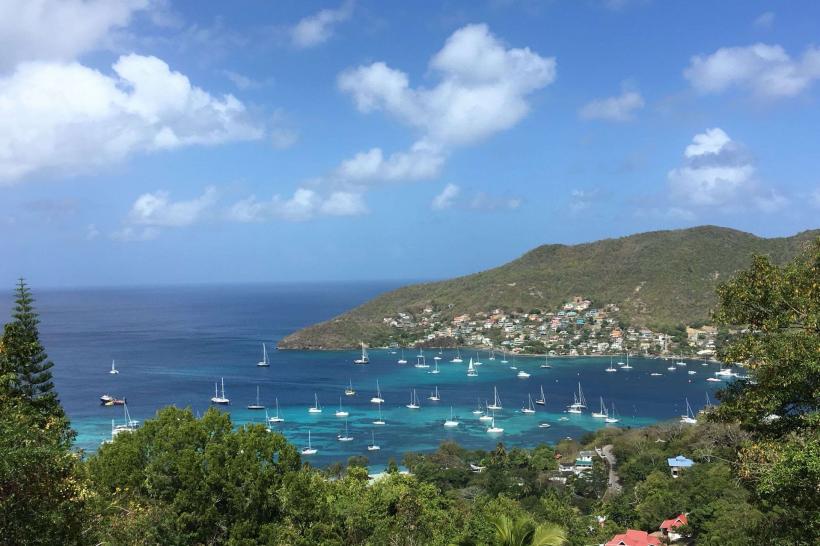
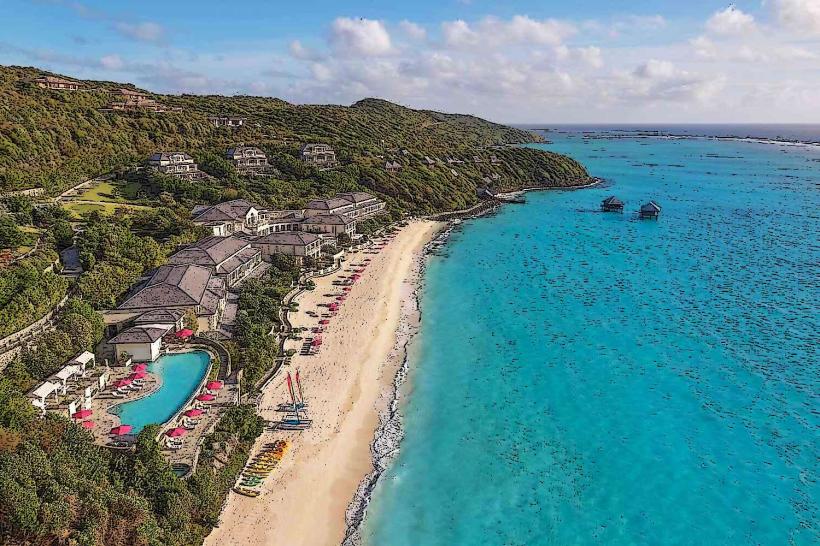
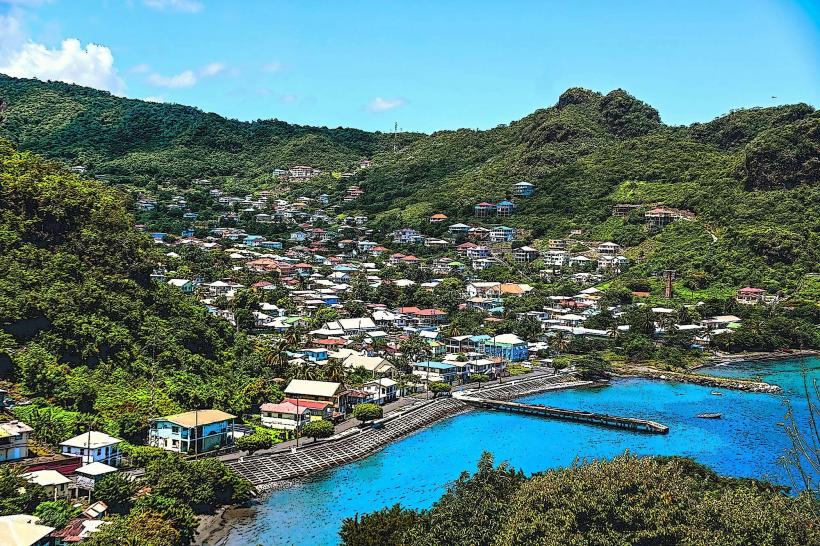
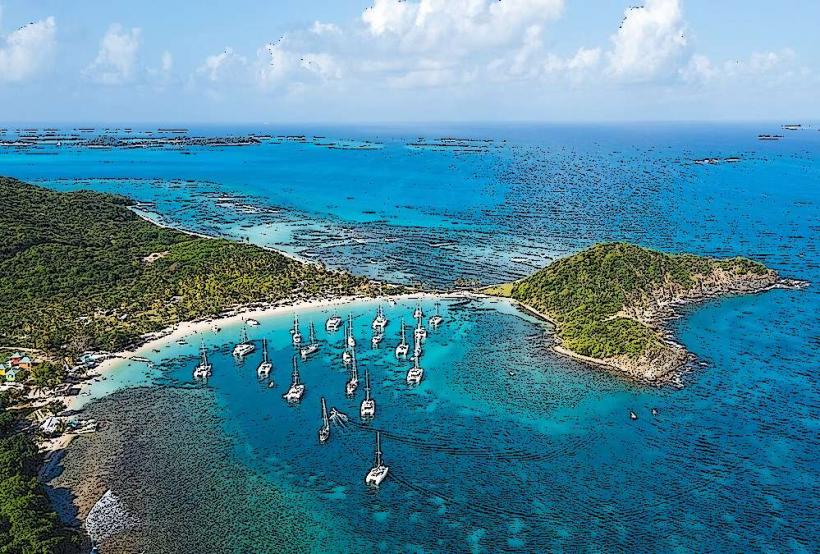
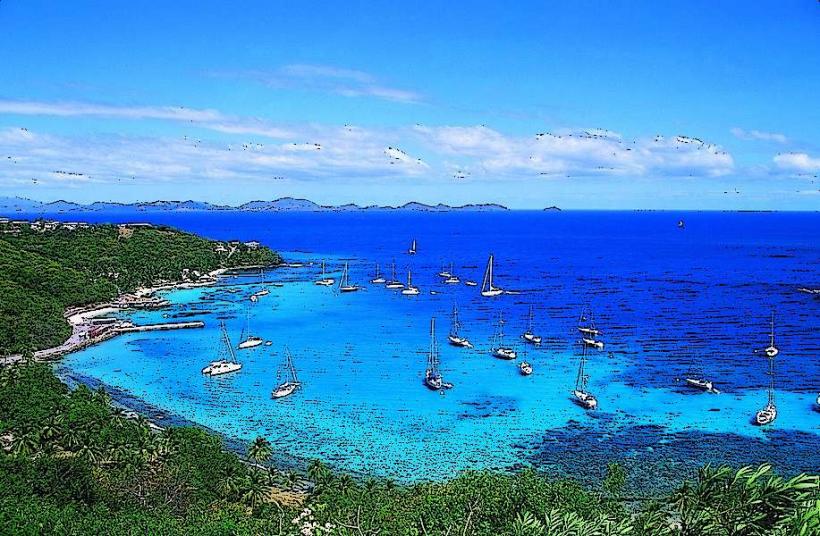
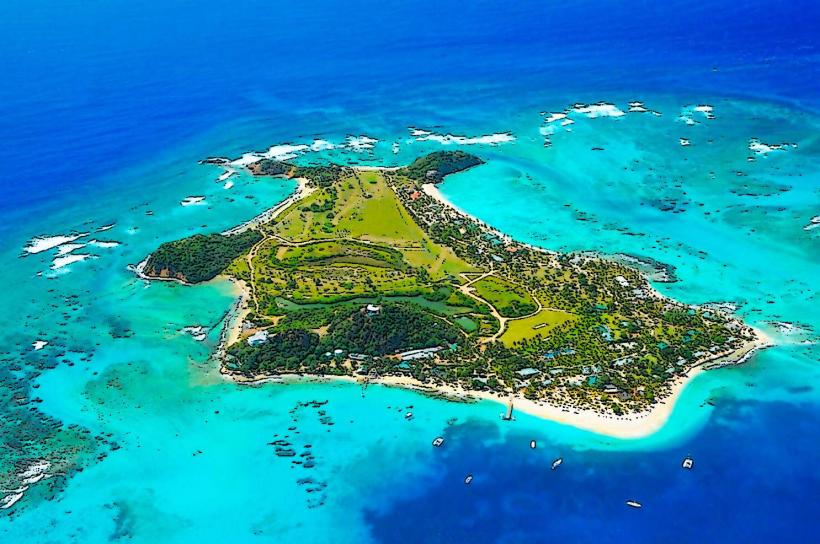
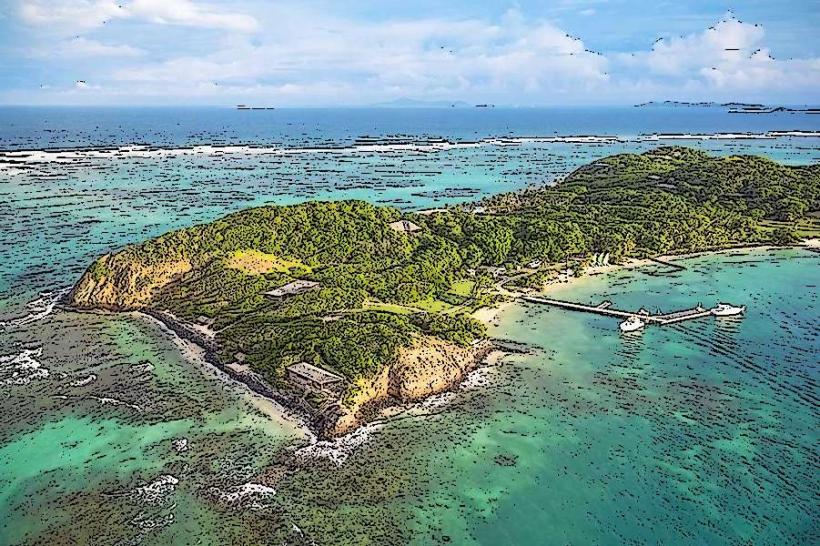
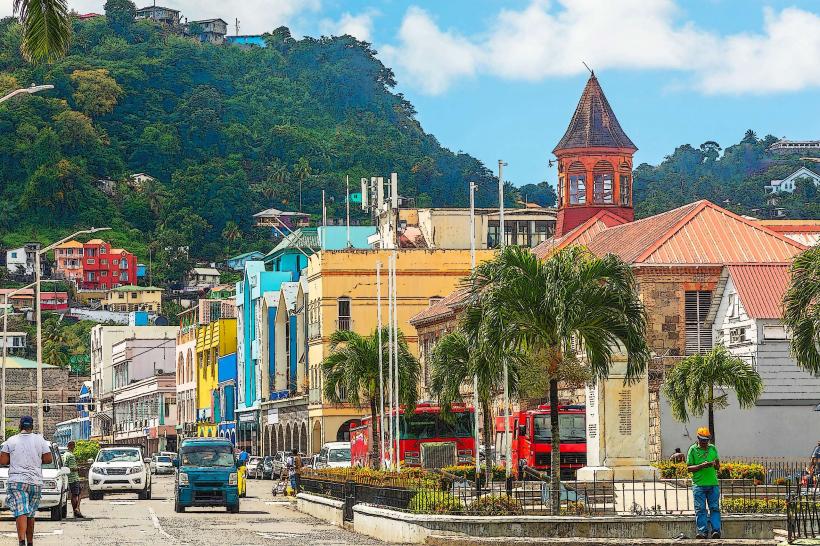
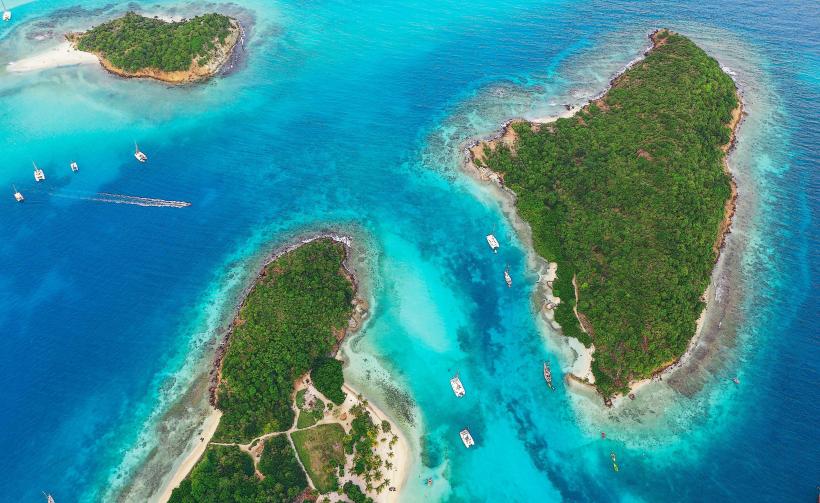
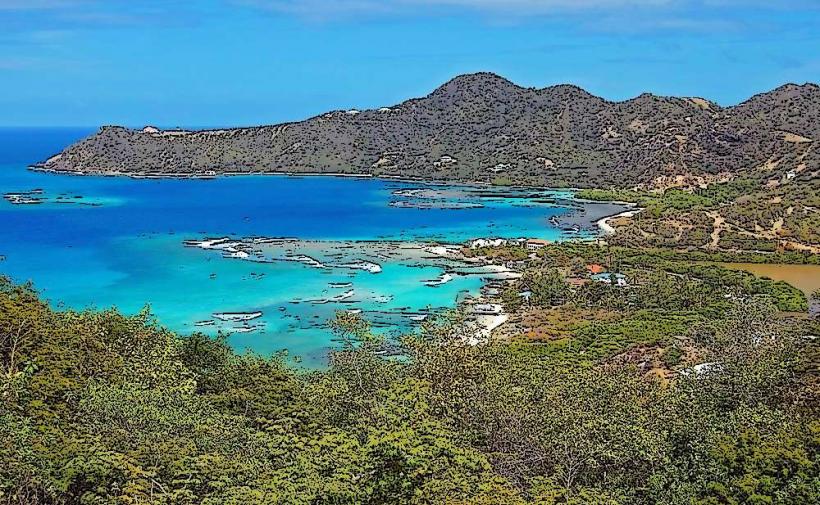
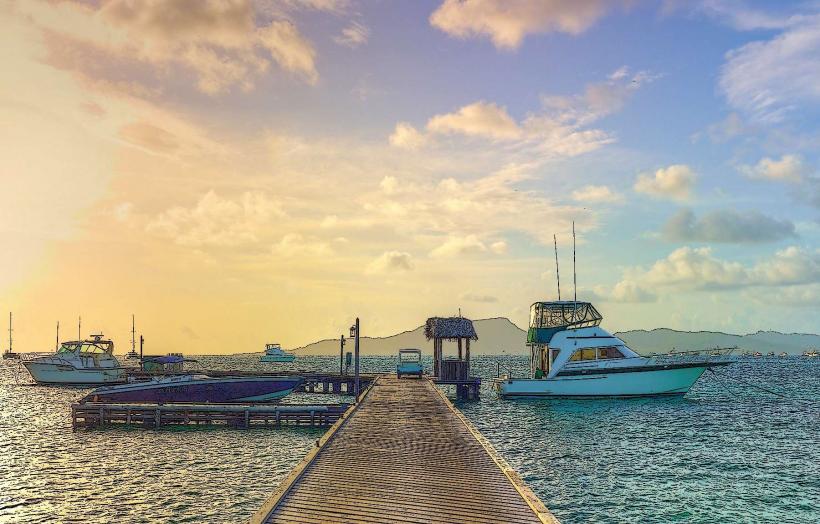
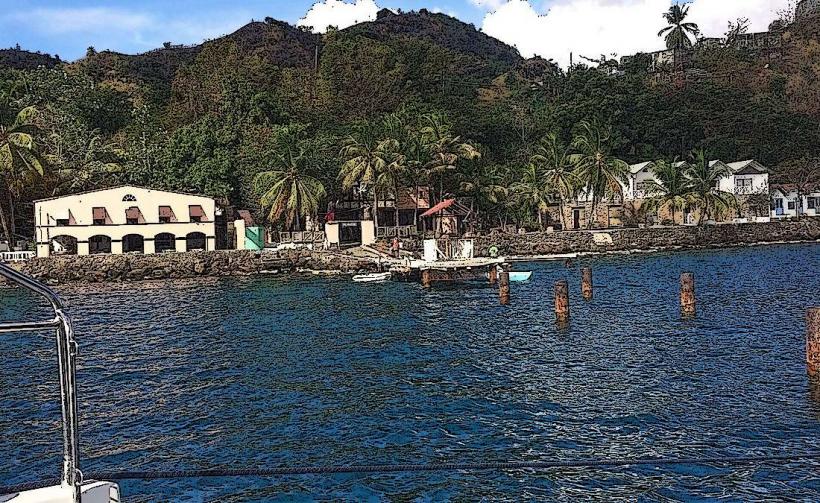
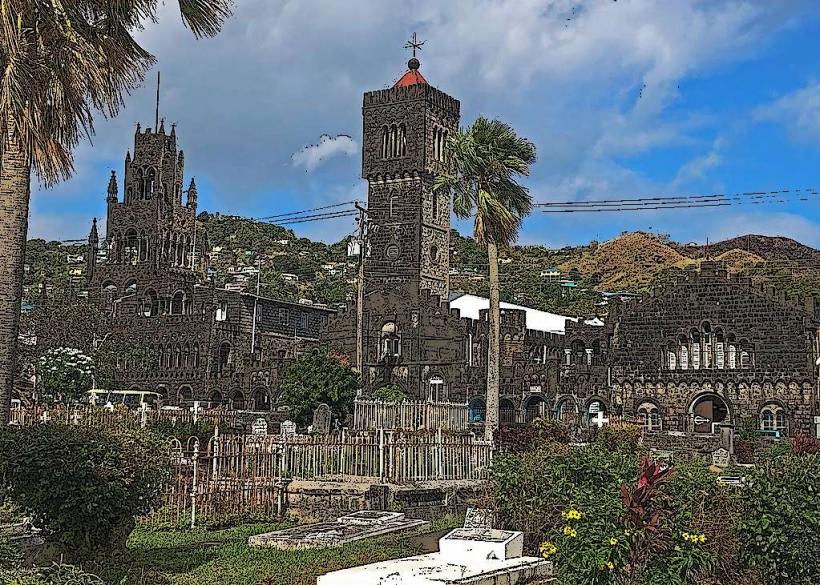
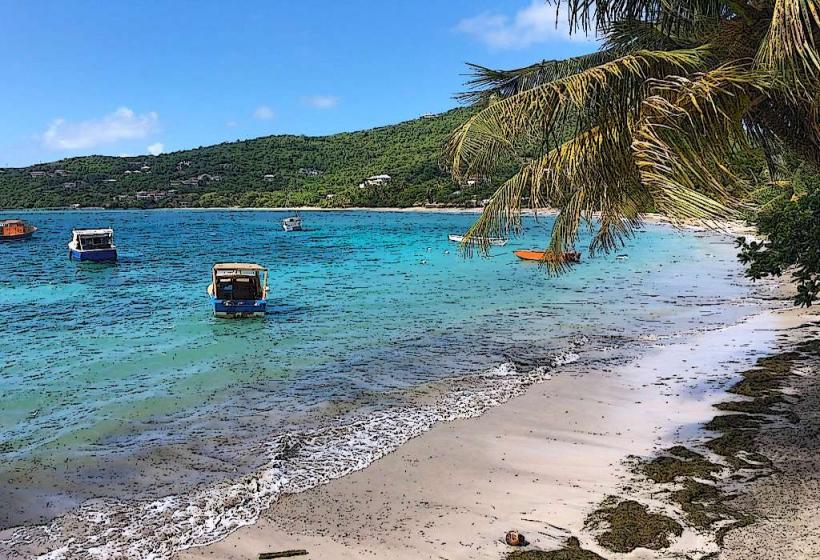
Saint Vincent and the Grenadines is an archipelagic nation in the Lesser Antilles, consisting of the main island of Saint Vincent and the northern two-thirds of the Grenadines chain. The economy is defined by high-end yachting tourism, agriculture (specifically arrowroot and bananas), and a growing offshore financial sector; the capital city is Kingstown.
Visa & Entry Policy
EU and US passport holders are granted visa-free entry for tourist stays of up to six months. UK passport holders, as well as British Overseas Citizens, are also permitted stays of up to six months without a visa. Entry requires a passport valid for the duration of the stay, proof of an onward or return ticket, and evidence of sufficient financial means. There is no mandatory E-Visa system for these nationalities as of 2026.
Language & Communication
English is the official language and is universal in government, education, and media. English proficiency is high across the islands. Vincentian English Creole is the widely spoken local vernacular. Unlike neighboring Dominica or Saint Lucia, French-based creole has largely disappeared from daily use, though its influence remains in certain place names.
Currency & Payment Systems
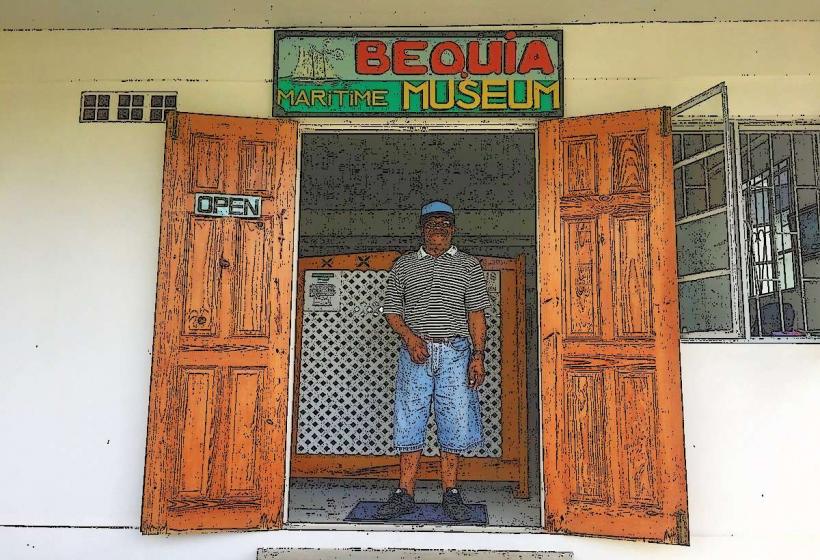
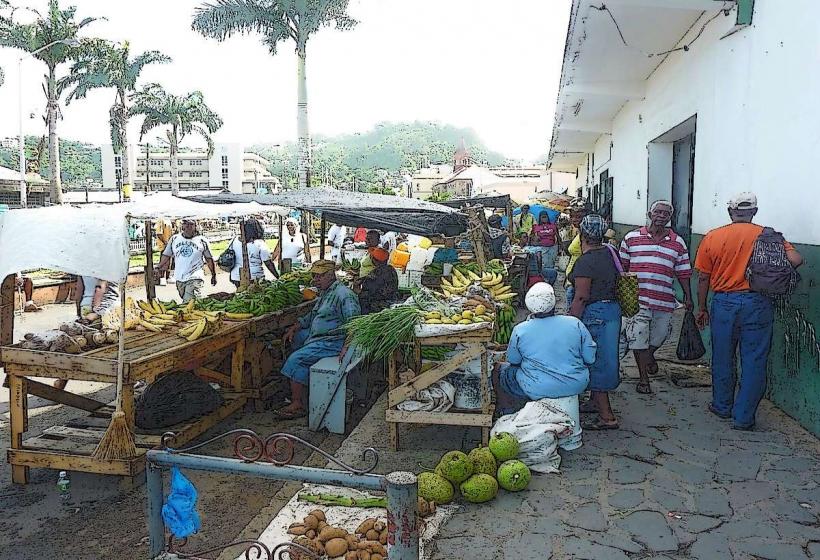
The official currency is the Eastern Caribbean Dollar (XCD), pegged to the US Dollar at 2.70 XCD to 1 USD. Credit cards (Visa and Mastercard) are accepted in major hotels, supermarkets, and yachting services in Kingstown and the Grenadines (e.g., Bequia, Mustique). Cash is essential for local ferries, small vendors, and taxis. The Eastern Caribbean Central Bank (ECCB) has operationalized DCash, a central bank digital currency, which is available for peer-to-peer and merchant payments via mobile wallets.
National Transport Grid
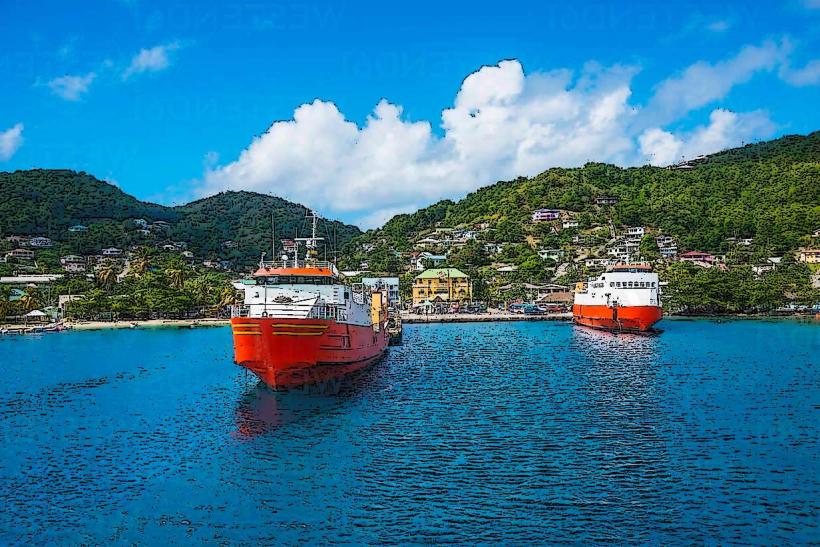
Inter-island transit is primarily facilitated by the Bequia Express and Admiral Ferries, which connect Kingstown to the Grenadines. Domestic aviation is managed via Argyle International Airport (SVD) on the mainland and small airstrips on Bequia, Canouan, Mustique, and Union Island. Intra-island travel on Saint Vincent relies on a network of private minibuses (identifiable by "H" license plates) and taxis. There is no rail infrastructure.
Digital Infrastructure
Primary mobile network providers are Flow and Digicel. 4G/LTE coverage is robust along the coasts of Saint Vincent and throughout the inhabited Grenadine islands. As of 2026, 5G services are limited to the Kingstown metropolitan area and high-end resort zones in the Grenadines. Broadband penetration stands at approximately 76%, with fiber-optic expansion continuing in urban parishes.
Climate & Seasonality
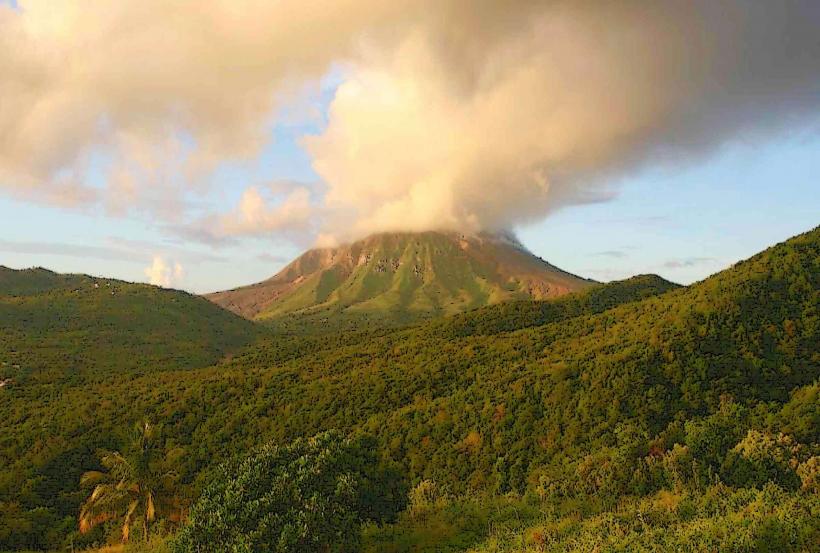
The climate is tropical maritime. The dry season runs from January to May. The wet season spans from June to December, coinciding with the Atlantic hurricane season. Saint Vincent is dominated by the active stratovolcano La Soufrière; travelers should monitor official alerts from the National Emergency Management Organisation (NEMO) for volcanic and seismic activity.
Health & Safety
No mandatory vaccines are required unless arriving from a Yellow Fever endemic country. Health risks include mosquito-borne Dengue and Zika. General medical services are centralized at the Milton Cato Memorial Hospital in Kingstown; specialized care may require evacuation to Barbados or Trinidad. The emergency number for all services is 911 or 999.
Top 3 Major Regions & Cities
Saint George Parish: Hub: Kingstown (Capital/Port).
The Grenadines: Hub: Port Elizabeth (Bequia) and Clifton (Union Island).
Charlotte Parish: Hub: Georgetown (Agricultural center).
Local Cost Index
1L Water: 4.00 XCD ($1.50 USD)
1 Domestic Beer (0.5L): 6.00 XCD ($2.25 USD)
1 SIM Card (10GB Data): 110.00 XCD ($40.75 USD)
Facts & Legends
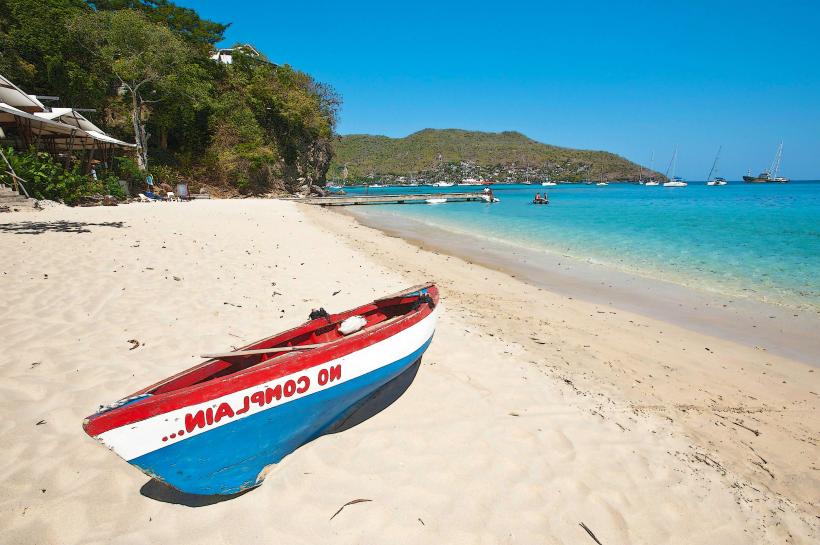
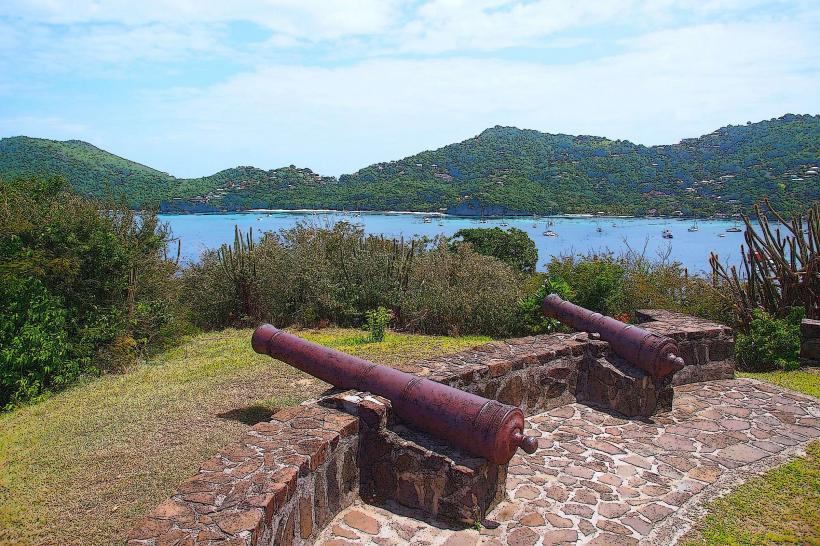
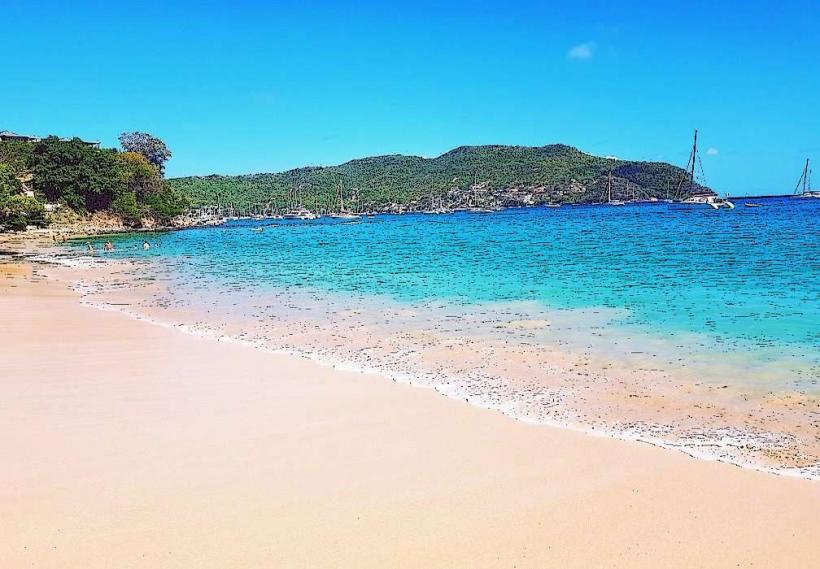
Saint Vincent was one of the last Caribbean islands to be colonized by Europeans due to the fierce resistance of the Garifuna (Black Caribs), a population resulting from the intermarriage of indigenous Island Caribs and shipwrecked enslaved Africans. A prominent local legend involves the "Duchess of the Grenadines," a ghostly figure said to haunt the uninhabited cays. Geologically, the nation's black sand beaches on the mainland are a direct result of volcanic activity from La Soufrière, while the Grenadines feature white coral sands due to their older, submerged volcanic origins.