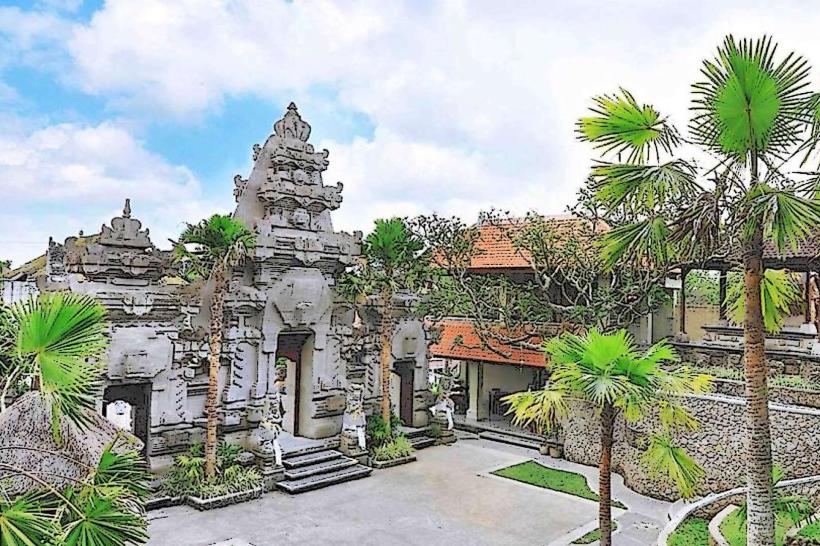
Information
Landmark: Batubulan VillageCity: Bali
Country: Indonesia
Continent: Asia
Batubulan Village, Bali, Indonesia, Asia
Batubulan Village – In-Depth Overview of the Barong Dance and Cultural Heritage
Location and Context:
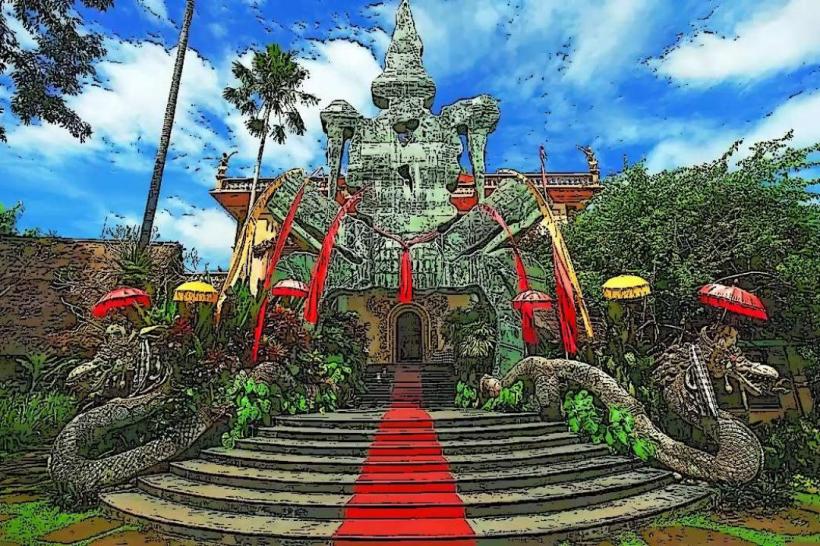
Batubulan Village is located in Gianyar Regency, Bali, about 8 kilometers southeast of Ubud, positioned along the main road between Denpasar and Ubud. The village is well-known for its rich tradition in Balinese performing arts, especially as the home of the Barong Dance-a vibrant cultural performance central to Balinese Hinduism. Batubulan’s close proximity to other artisan villages like Celuk (silver craft) and Mas (wood carving) makes it an important cultural hub for visitors exploring Bali’s artistic heritage.
Historical and Cultural Background
Batubulan has long been recognized as a cultural village where traditional Balinese arts, music, and dance flourish. The Barong Dance, which is central to Batubulan’s cultural identity, represents one of Bali’s oldest and most important dance-drama performances. Rooted in Hindu mythology, the dance dramatizes the mythic battle between Barong, a protective spirit symbolizing good, and Rangda, the demon queen symbolizing evil. This ritualistic dance embodies the Balinese philosophical concept of maintaining balance and harmony between opposing forces.
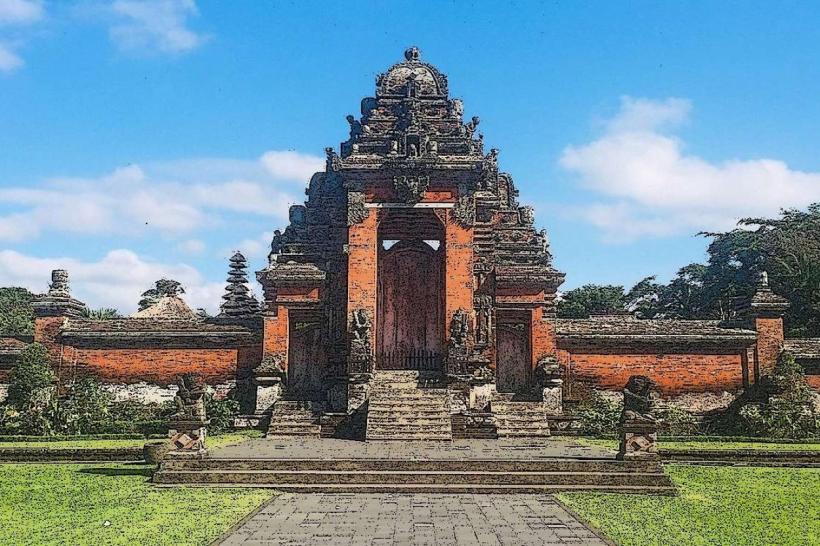
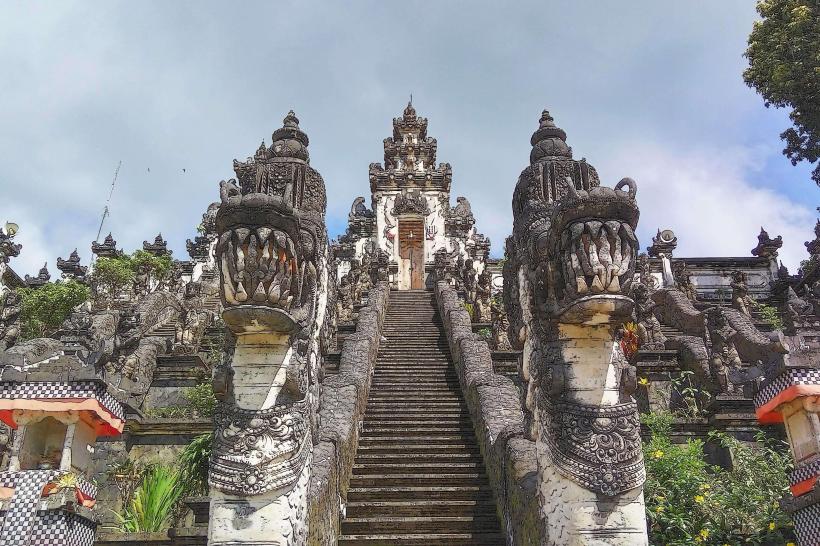
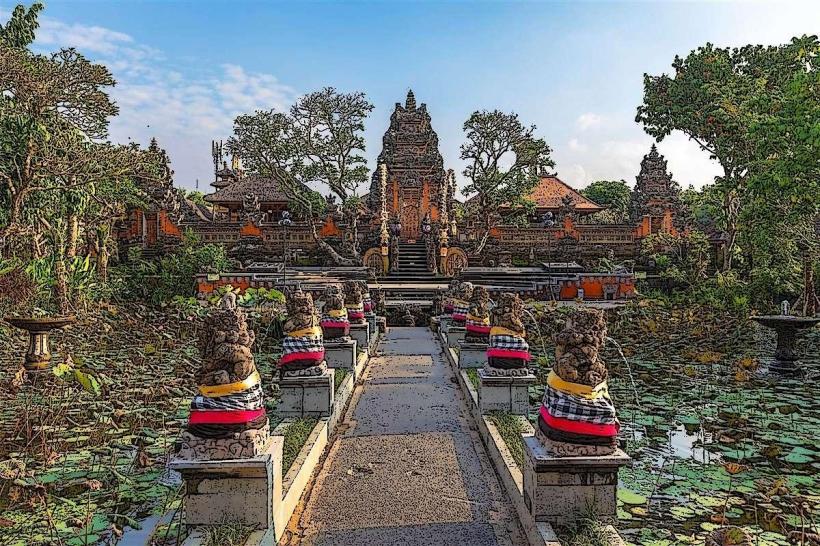
The village itself is built around several important temples and cultural centers, which often serve as venues for dance performances and religious ceremonies. Batubulan’s residents are mostly artists, dancers, and musicians who uphold these traditions as part of their daily life and community identity.
The Barong Dance – Performance Details
Storyline:
The Barong Dance narrates the cosmic struggle between Barong, a lion-like guardian spirit and protector of the village, and Rangda, the fearsome witch who represents darkness and chaos. The performance involves elaborate costumes, masks, and intricate choreography that convey themes of good versus evil, protection, and spiritual cleansing.
Costumes and Masks:
The Barong costume is a large, elaborate lion-like mask and body suit covered in fur, gold, and colorful decorations. Dancers portraying Rangda wear terrifying masks with bulging eyes and long claws, while other characters such as monkeys and warriors add complexity to the narrative.
Music:
The dance is accompanied by a traditional gamelan orchestra, playing a mix of rhythmic and melodic patterns that punctuate the drama and heighten the emotional impact.
Duration and Schedule:
Performances typically last about one hour and are held daily, usually in the morning between 9:30 AM and 10:30 AM. Multiple performance stages exist in Batubulan Village, including the Puseh Temple Stage, Tegal Tamu Stage, and others, each offering a slightly different viewing experience.
Audience Experience:
Visitors witness a dynamic spectacle combining storytelling, spiritual symbolism, dance, and music. The Barong Dance is not only entertainment but also a ritual believed to bring protection and blessings to the community.
Cultural and Spiritual Significance
The Barong Dance holds a vital place in Balinese culture as a living ritual and an artistic expression of spiritual beliefs. It serves to:
Preserve Balinese Hindu Traditions: Through mythological storytelling and ritual performance.
Symbolize Cosmic Balance: Illustrating the eternal conflict and harmony between positive and negative forces.
Provide Community Protection: The dance is traditionally believed to ward off evil spirits and maintain harmony within the village.
Promote Cultural Identity: Batubulan’s commitment to maintaining this tradition strengthens local pride and helps sustain Balinese performing arts.
The performance often coincides with temple festivals and ceremonies, highlighting its integration into religious life.
Visiting Batubulan Village
Getting There:
Batubulan is accessible by car or scooter from Ubud and Denpasar, with parking available near performance venues.
Performance Venues:
Several open-air stages are scattered throughout the village, often adjacent to temples or cultural centers. These include the popular Puseh Temple stage and Tegal Tamu stage.
Tickets and Costs:
Entrance fees for Barong Dance performances typically range around IDR 150,000 per person. Tickets can be purchased at the venues or through tour operators.
Best Time to Visit:
Morning performances are recommended to avoid the midday heat and to experience the dance in its traditional setting. Arriving early ensures good seating and the opportunity to observe pre-performance rituals.
Additional Experiences:
Visitors can explore the village to see traditional crafts and art shops or attend other cultural performances such as Legong dance and Kecak fire dance at nearby locations.
Nearby Cultural Attractions
Celuk Village: Famous for silver and gold jewelry crafting.
Mas Village: Renowned for exquisite wood carving.
Ubud: The cultural heart of Bali with art galleries, museums, and traditional markets.
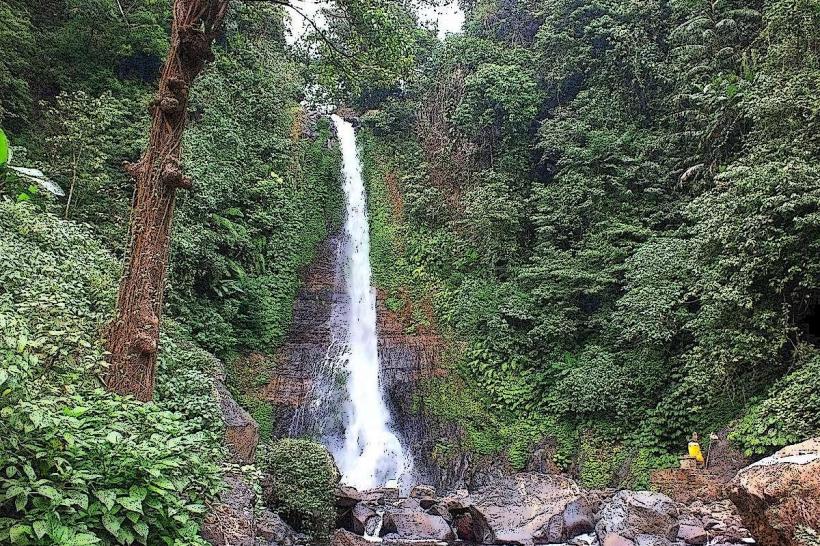
Tegenungan Waterfall: A popular natural attraction close to Batubulan.
Summary
Batubulan Village offers a profound cultural experience through its preservation and presentation of the Barong Dance-a dramatic and spiritual cornerstone of Balinese heritage. Visitors gain insight into the island’s religious traditions, artistic excellence, and communal values. The combination of immersive performances, traditional music, and village ambiance makes Batubulan an essential destination for understanding Bali’s unique cultural fabric.