Information
Landmark: Nusa Lembongan Devil's TearCity: Bali
Country: Indonesia
Continent: Asia
Nusa Lembongan Devil's Tear, Bali, Indonesia, Asia
Devil’s Tear, Nusa Lembongan – In Detailed Description
Location: Southwest coast of Nusa Lembongan Island, Bali, Indonesia
Access: About 30–45 minutes by boat from Sanur harbor (Bali mainland) plus a short scooter or taxi ride on Nusa Lembongan Island
Overview and Natural Phenomenon
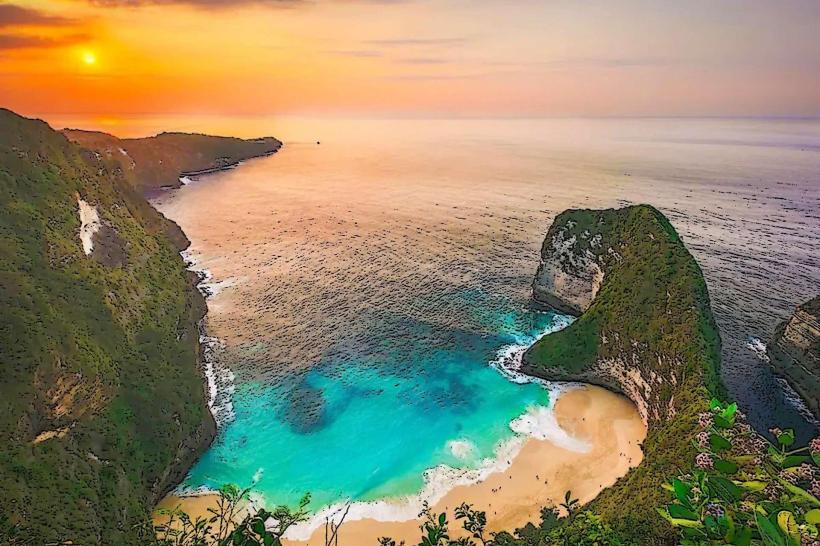
Devil’s Tear is a spectacular coastal attraction renowned for its dramatic interaction between ocean waves and volcanic rock cliffs. This site features natural blowholes and jagged cliffs where powerful waves crash into the rocks, forcing water and sea spray skyward in tall, misty plumes that resemble “tears” from the ocean, hence the name. The combination of rugged geology, forceful water activity, and expansive ocean views creates a dynamic and unforgettable natural spectacle.
Geological and Scenic Features
Cliff Formation: The coastline here consists of sharp volcanic limestone cliffs sculpted over millennia by relentless waves and wind. The cliffs rise abruptly from the sea, providing elevated vantage points for viewing the ocean’s power.
Blowholes and Water Spouts: Cavities and tunnels formed within the cliffs channel waves through narrow openings. When waves hit with force-especially at high tide-water is compressed and shoots upward like fountains, sometimes reaching heights of several meters. These eruptions create a thunderous sound and a fine mist that can be felt on visitors standing nearby.
Tide Pools and Rock Pools: Around the base of the cliffs and in sheltered areas, small pools collect seawater, reflecting the sky and often hosting marine life like starfish, sea urchins, and small fish, adding to the site’s natural charm.
Visitor Experience
Viewpoints and Walkways: Well-constructed viewing platforms and paved paths guide visitors safely along the edge of the cliffs, allowing close but secure observation of the blowholes and waves. Benches and shaded spots provide rest areas while taking in panoramic views of the Indian Ocean.
Atmosphere: The site offers a raw connection to nature’s power, with the sound of crashing waves and salty sea spray creating a refreshing and invigorating environment.
Sunset Viewing: Devil’s Tear is especially famous as a sunset destination. As the sun dips below the horizon, the sky often ignites with vibrant reds, oranges, and purples, reflected in the tide pools and contrasting beautifully against the dark cliffs and white foam of crashing waves. This makes the location a magnet for photographers and romantics alike.
Cliff Jumping: Some adventurous visitors attempt cliff jumping into the ocean below from designated spots. The jump height is moderate (around 3–4 meters), but given the unpredictable waves and rocks below, this activity is risky and should be done with extreme caution or avoided by inexperienced jumpers.
Safety Considerations
Strong Waves and Currents: The ocean here is powerful and unpredictable. Sudden large waves can catch visitors off guard, so standing too close to the cliff edge is dangerous.
Slippery Rocks: The cliffs and pathways can become slick from sea spray and rain. Visitors should wear sturdy footwear with good grip and avoid climbing on rocks or venturing beyond designated walkways.
No Lifeguards or Emergency Facilities: There are no rescue services on site, so visitors must exercise personal responsibility and caution at all times.
Warnings Against Swimming: Swimming near Devil’s Tear is strongly discouraged due to the rough sea conditions and submerged rocks.
Practical Information
Opening Hours: Open daily, generally from early morning until sunset. Visiting during daylight ensures safety and visibility.
Entrance Fee: A small fee (around IDR 25,000 or roughly $2 USD) is charged to maintain the site and facilities.
Facilities: Basic amenities include parking, small kiosks selling drinks and snacks, restrooms, and souvenir stalls near the entrance.
Accessibility: The area is accessible by scooter, motorbike, or taxi from the main village on Nusa Lembongan. The walking paths are relatively easy but may not be suitable for those with mobility challenges due to uneven surfaces.
Best Time to Visit
High Tide: The blowholes and wave sprays are most dramatic during high tide when wave energy is strongest.
Dry Season (April to October): This period generally offers clearer skies and calmer weather, enhancing safety and viewing conditions.
Sunset Hours: Late afternoon to early evening provides the best light for photographs and a magical atmosphere.
Nearby Attractions on Nusa Lembongan
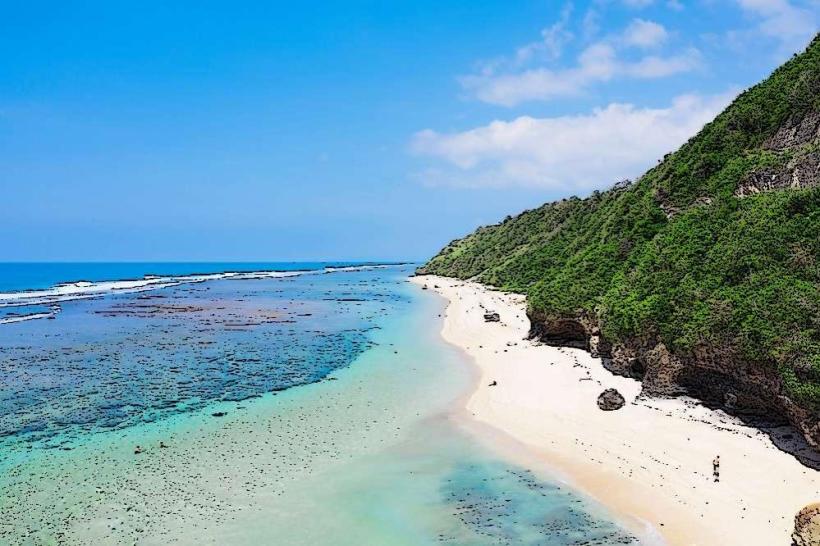
Dream Beach: A beautiful white-sand beach with calmer waters, perfect for swimming and relaxation, located just a short distance from Devil’s Tear.
Yellow Bridge: The iconic bridge connecting Nusa Lembongan to Nusa Ceningan, offering scenic views and photo opportunities.
Mangrove Forest: A peaceful area for kayaking and nature walks, showcasing Bali’s coastal ecosystem.
Summary
Devil’s Tear on Nusa Lembongan offers an exhilarating encounter with Bali’s rugged coastal power and natural beauty. Its dramatic cliffs and roaring waves produce spectacular water displays that captivate visitors while the sunset views enhance its magical appeal. The site demands respect for its natural forces and safety precautions but rewards those who visit with unforgettable scenery, thrilling natural phenomena, and a peaceful connection to the sea’s raw energy. This makes Devil’s Tear a must-see destination for adventurous travelers and nature lovers exploring Bali’s offshore islands.