Information
Landmark: Neka Art MuseumCity: Bali
Country: Indonesia
Continent: Asia
Neka Art Museum, Bali, Indonesia, Asia
Neka Art Museum – Detailed Overview
Location and Founding:
The Neka Art Museum is situated in Ubud, Bali, nestled amid lush tropical gardens on Jalan Raya Campuhan. Founded by Pande Wayan Suteja Neka, a passionate art collector and patron of Balinese art, the museum officially opened its doors on July 7, 1982. Pande Neka was motivated by a desire to preserve and promote Bali’s rich artistic traditions, which were at risk of being overshadowed by modernization and tourism.
Architectural Design and Setting
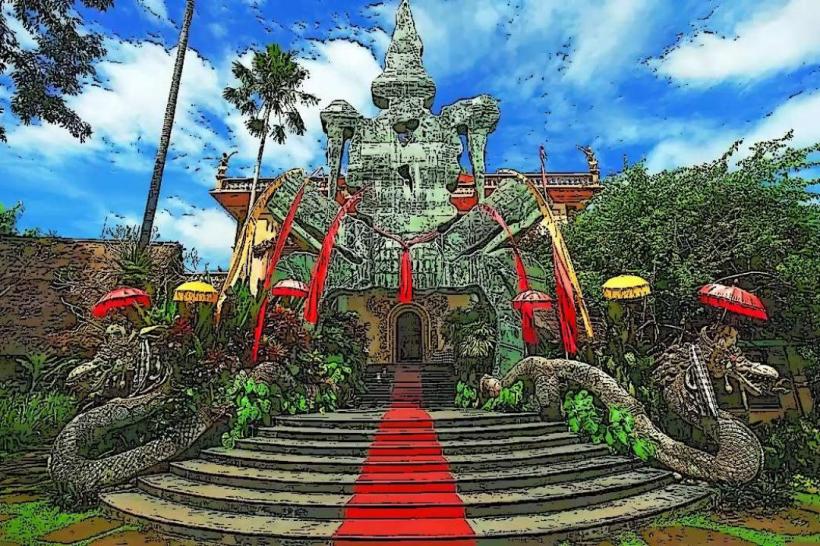
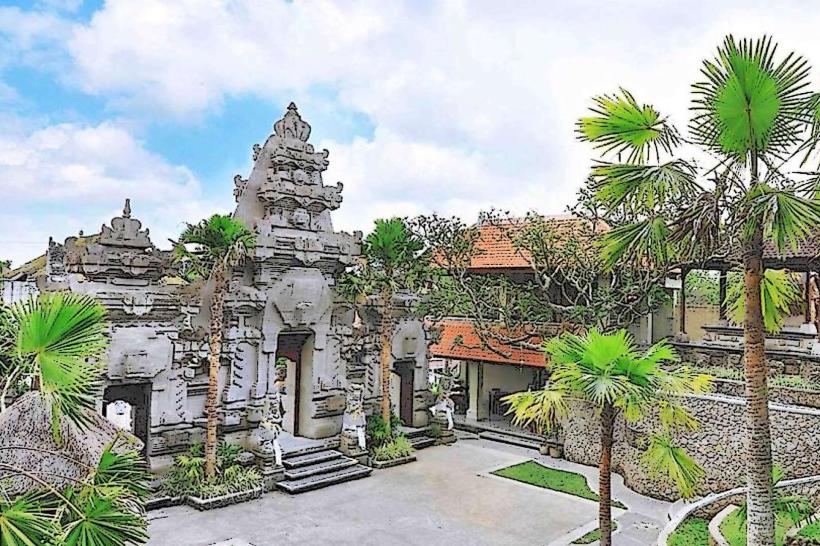
The museum complex is designed as a harmonious blend of traditional Balinese architecture and modern exhibition spaces. It consists of several open-air pavilions and galleries arranged throughout landscaped grounds, creating a tranquil environment that encourages visitors to experience the art in a setting that echoes the island’s natural and cultural heritage.
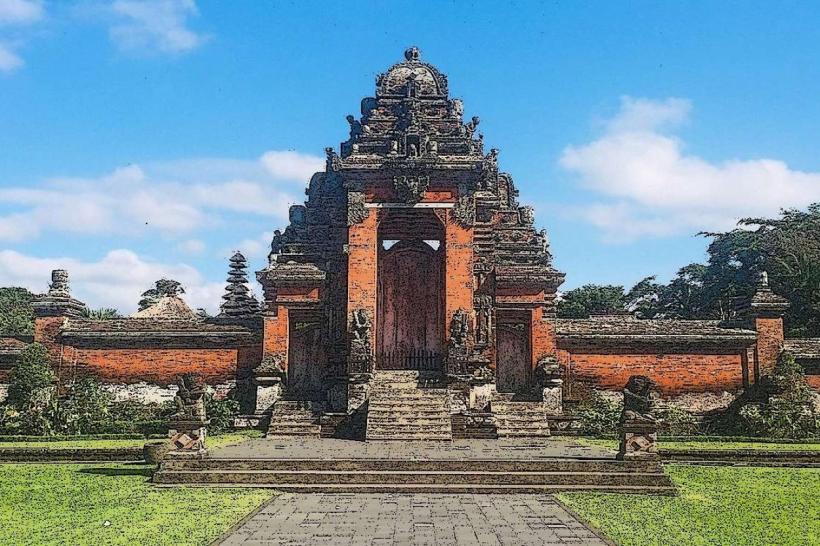
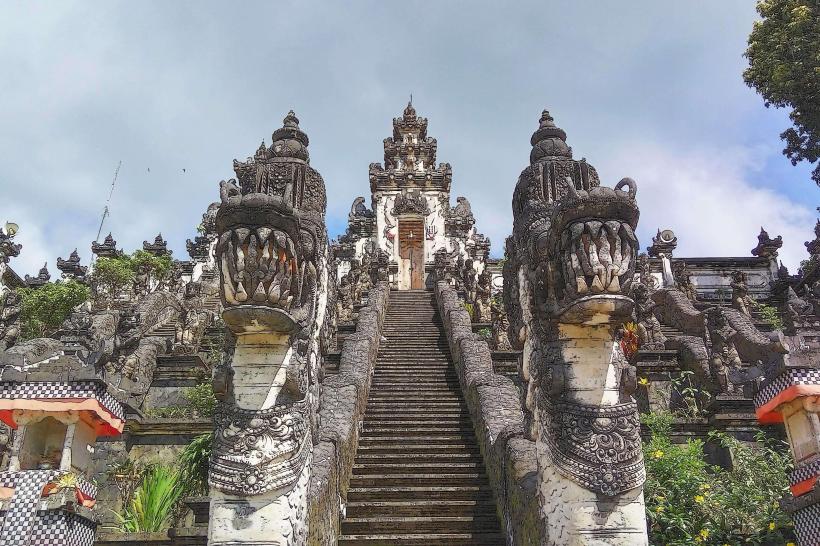
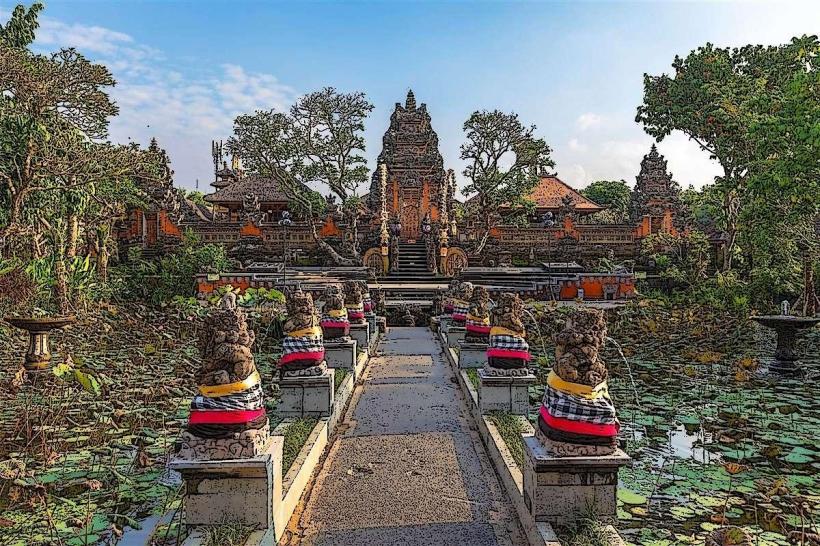
The buildings feature characteristic Balinese elements such as carved wooden doors, alang-alang (thatch) roofs, open-air layouts, stone statues, and lotus ponds, which complement the artwork and create a sense of immersion in Balinese aesthetics.
Collections and Artistic Highlights
The Neka Art Museum holds one of the most comprehensive collections of Balinese and Indonesian art, spanning traditional, modern, and contemporary works. Its holdings chronicle the evolution of Balinese painting styles, influenced by local customs, Hindu mythology, and Western artistic techniques introduced during the early 20th century.
Traditional Balinese Art:
The museum showcases exquisite examples of Kamasan-style paintings, a classical form originating from the village of Kamasan in Bali. These paintings typically depict Hindu epics like the Ramayana and Mahabharata, rendered with intricate detail and symbolic colors. This traditional style is notable for its narrative richness and cultural significance.
Arie Smit Pavilion:
Dedicated to Arie Smit, a Dutch-born artist who settled in Bali and became a central figure in the “Young Artists” movement, the pavilion displays vibrant landscapes and scenes of Balinese rural life. Smit’s work is characterized by bright, saturated colors and a joyful, spontaneous style that revitalized Balinese painting during the mid-20th century.
Modern and Contemporary Indonesian Art:
The museum also presents works by contemporary Indonesian artists who explore new themes and techniques while remaining connected to Bali’s artistic legacy. This includes expressionist, abstract, and experimental styles that reflect Indonesia’s diverse cultural dynamics and evolving identity.
Sculptures and Artifacts:
In addition to paintings, the museum contains wood carvings, traditional crafts, and artifacts related to Balinese rituals and daily life, providing a broader understanding of the island’s artistic and cultural expressions.
Educational and Cultural Programs
Neka Art Museum functions as more than just a gallery space. It actively promotes cultural education through:
Guided Tours:
Knowledgeable guides offer in-depth explanations of the artworks, their historical context, and the symbolic meanings behind traditional motifs and stories. These tours help visitors appreciate the deeper layers of Balinese culture embedded in the art.
Workshops and Demonstrations:
The museum regularly organizes workshops on traditional painting techniques, batik making, and wood carving, allowing visitors and local students to engage hands-on with Balinese artistic traditions.
Temporary Exhibitions:
Besides the permanent collection, the museum hosts rotating exhibitions that feature emerging artists and thematic displays, bridging the past and present of Indonesian art.
Visitor Experience and Amenities
Museum Shop:
Visitors can purchase art prints, books, handcrafted souvenirs, and traditional Balinese items, supporting local artisans and extending the museum experience beyond the visit.
Café and Rest Areas:
The museum grounds include shaded seating areas and a café offering refreshments in a serene garden setting, perfect for relaxation between galleries.
Accessibility:
The open layout and pathways accommodate visitors of various mobility levels, with attentive staff available to assist if needed.
Practical Information
Opening Hours: Open daily from 9:00 AM to 5:00 PM, except on Nyepi Day (Balinese Day of Silence) when the museum is closed.
Admission Fees: Approximately IDR 20,000 for adults; free entry for children under 12 years old.
Location: Jalan Raya Campuhan, Ubud, Bali. Easily accessible by car, scooter, or on foot from central Ubud.
Cultural Significance
The Neka Art Museum plays a vital role in preserving Bali’s artistic heritage while fostering contemporary creativity. Its founder’s vision was to create a sanctuary for art where the past and present converge, nurturing appreciation and understanding of Balinese culture for both locals and international visitors. The museum’s comprehensive collection and educational programs make it an essential destination for those seeking a deeper connection to Bali’s artistic soul and cultural history.