Information
Landmark: Tukad Cepung WaterfallCity: Bali
Country: Indonesia
Continent: Asia
Tukad Cepung Waterfall, Bali, Indonesia, Asia
Tukad Cepung Waterfall – In Detail
Location: Bangli Regency, near Tembuku Village, Central Bali
Setting: Hidden inside a cave-like canyon within a lush river gorge, surrounded by dense tropical forest and steep cliffs
Overview and Unique Features
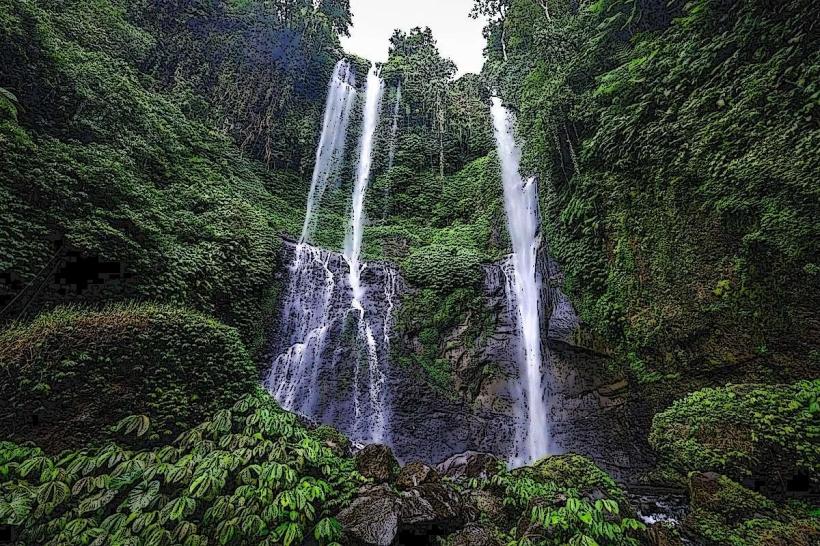
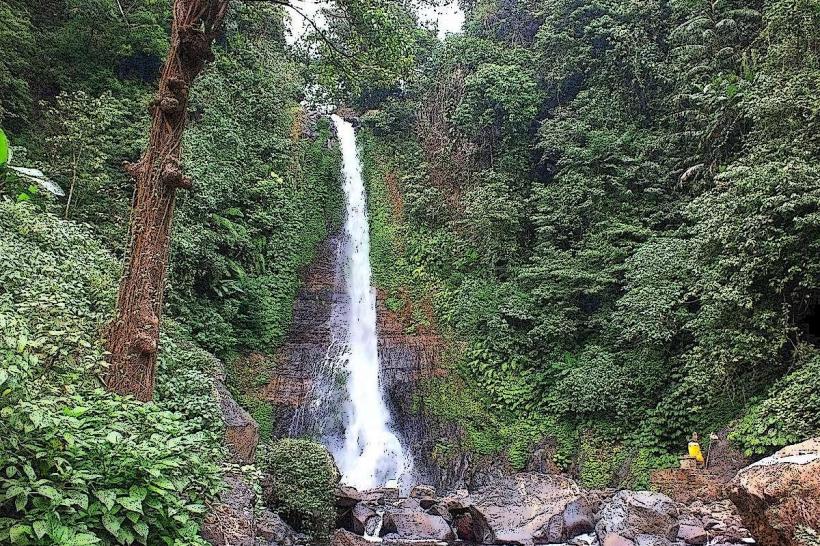
Tukad Cepung Waterfall is famed for its dramatic and mystical atmosphere, distinguished from typical waterfalls by its location inside a deep canyon where sunlight streams down through the cave opening above.
Waterfall Type: A medium-sized cascade dropping about 15 meters (50 feet) within a narrow cave
Sunlight Effect: The waterfall is partially enclosed by towering cliffs, creating a stunning natural spotlight effect where beams of sunlight penetrate through the canyon roof and illuminate the cascading water and mist
Water Flow: The water flows year-round, with the volume increasing during the rainy season
Geological and Visual Highlights
The waterfall is accessed by descending into a narrow canyon, where rugged rock walls rise vertically around the waterfall, creating an intimate, almost secretive setting.
The interplay of light and shadow, especially during mid-morning when sunlight filters through the opening above, gives the scene an ethereal quality highly prized by photographers and nature lovers.
The pool beneath the waterfall is shallow but perfect for wading and cooling off after the descent.
Access and Trekking
Trail: The path to Tukad Cepung Waterfall involves a moderate trek descending steps and rugged terrain through forest and rocky areas.
Difficulty: Moderate; visitors should be prepared for uneven footing and some climbing or scrambling on rocks near the waterfall.
Duration: Approximately 15–30 minutes from the parking area, depending on pace and stops.
Guides: Hiring a local guide is optional but can enhance safety and provide cultural insight.
Visitor Experience
Swimming and Wading: Visitors can stand or wade in the shallow pool beneath the waterfall, enjoying the refreshing water and natural surroundings.
Photography: The waterfall is a top Bali photography spot due to the unique light beams and cave setting. Early to mid-morning is the best time to catch the sun rays.
Quiet Ambiance: Less crowded than many other waterfalls, offering a more intimate nature experience.
Nearby Attractions
Tembuku Village: Traditional Balinese village life with rice terraces and local culture to explore nearby.
Mount Agung: Visible from certain vantage points, Bali’s highest and most sacred volcano is close by.
Tukad Melangit Waterfall: Another scenic waterfall nearby, offering additional trekking and exploration opportunities.
Besakih Temple: Bali’s largest and holiest Hindu temple, about an hour’s drive away.
Practical Information
Opening Hours:
Daily from 7:00 AM to 6:00 PM
Entrance Fee:
Around IDR 15,000–30,000 (~$1–2 USD) per person
Facilities:
Parking area near the trailhead
Basic food stalls and restrooms at the entrance
Local guides available for hire
Best Time to Visit:
Morning hours (8:00–11:00 AM): Optimal for sunlight beams through the canyon
Dry season (April to October) preferred for easier access and clearer trails
Environmental and Cultural Notes
The canyon and waterfall are part of a protected natural area with diverse tropical flora and fauna.
Local villagers often maintain the trails and welcome visitors, encouraging respectful and sustainable tourism practices.
The site holds spiritual significance for local communities, who view the waterfall and surrounding nature as sacred.
Summary
Tukad Cepung Waterfall is one of Bali’s most enchanting natural wonders, combining the thrill of a hidden canyon trek with the magic of sunlight piercing through a cave to illuminate cascading waters. Its unique cave setting, cool pools, and peaceful atmosphere offer visitors a rare and immersive experience of Bali’s wild and mystical side. Perfect for nature lovers, photographers, and adventurers, Tukad Cepung reveals a secret beauty beyond Bali’s typical tourist paths.