Information
Landmark: Museum Puri LukisanCity: Bali
Country: Indonesia
Continent: Asia
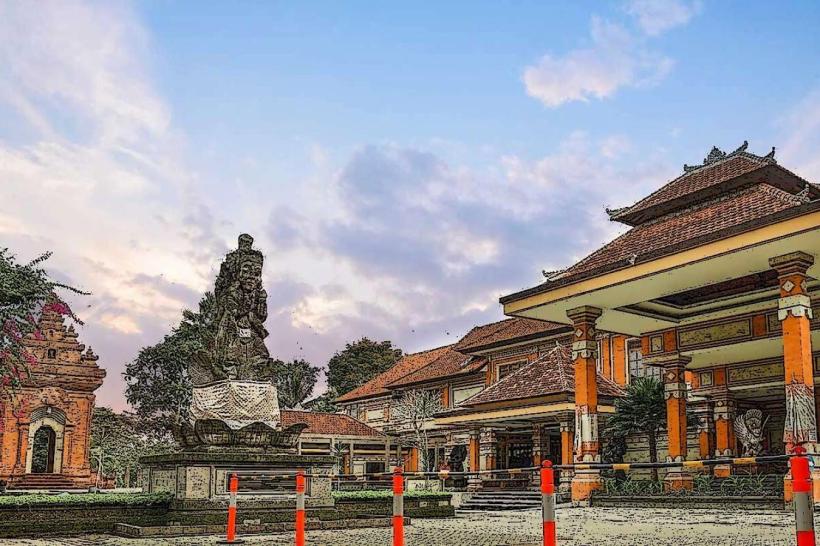
Museum Puri Lukisan, Bali, Indonesia, Asia
Museum Puri Lukisan – Comprehensive Detailed Overview
Location and Historical Context:
Museum Puri Lukisan, located in Ubud, Bali, is the island’s oldest art museum, founded in 1956. It is situated centrally on Jalan Raya Ubud, just a short walk from the Ubud Palace and the Ubud Market, placing it at the very heart of Bali’s cultural and artistic hub. The museum was established by the Ratna Wartha Foundation with the mission to preserve, promote, and showcase traditional and modern Balinese art forms.
The museum's origins trace back to the Pita Maha artist cooperative, founded in 1936 by the King of Ubud, Tjokorda Gde Agung Sukawati, alongside prominent artists Rudolf Bonnet and Walter Spies. The cooperative aimed to protect and cultivate Balinese artistic traditions during a period of significant cultural change. Museum Puri Lukisan continues this legacy by housing an extensive collection that documents Balinese art evolution from the early 20th century to the present day.
Architectural Design and Museum Layout
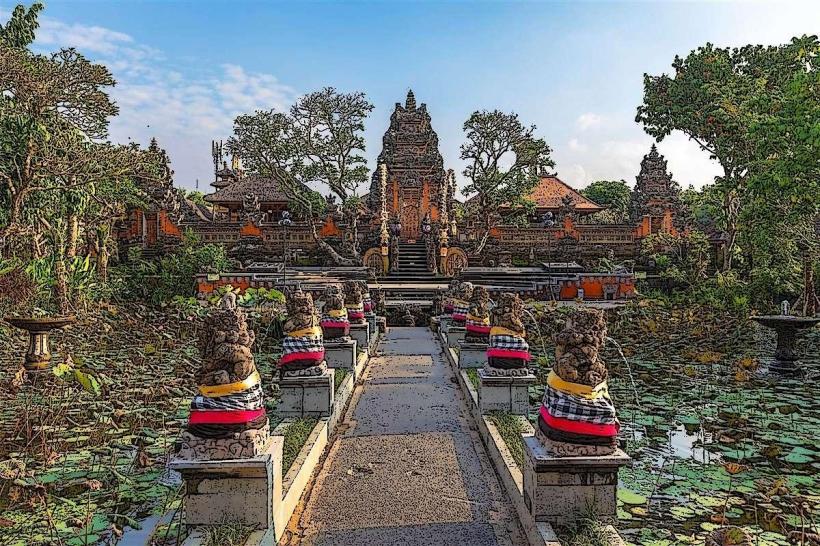
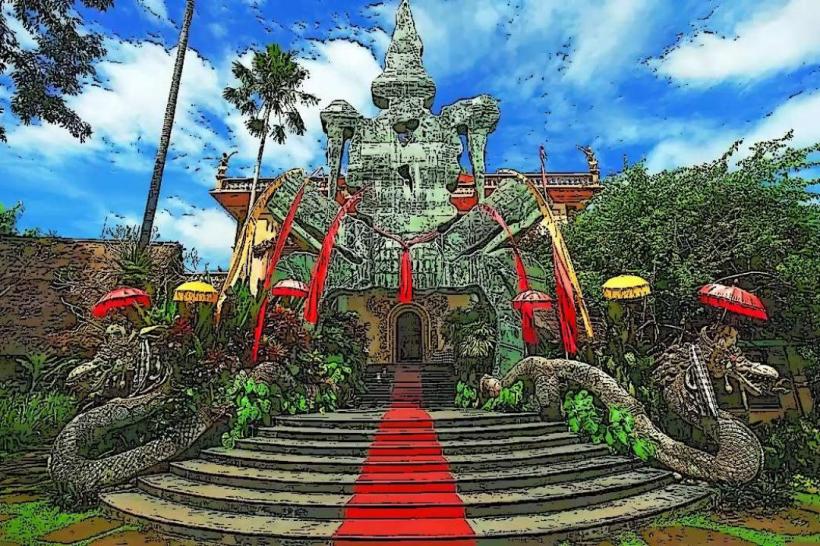
The museum complex is designed with traditional Balinese architectural elements-open pavilions, carved wooden doors, stone sculptures, and tranquil water features-creating a serene atmosphere that complements the artwork. The layout is organized into four main galleries, each housed in separate buildings:
Pitamaha Gallery (North Building):
This gallery focuses on pre-war traditional Balinese paintings, dating roughly from 1930 to 1945. It showcases works by early masters like I Gusti Nyoman Lempad, whose art combines intricate detail with spiritual themes deeply rooted in Balinese Hinduism. The gallery offers insight into the beginnings of modern Balinese art influenced by both local tradition and Western artists who settled in Bali.
Ida Bagus Made Gallery (West Building):
Dedicated to the works of Ida Bagus Made, a revered Balinese painter, this gallery features a collection illustrating his stylistic contributions and innovations. Ida Bagus Made’s work is known for detailed, narrative compositions that depict religious ceremonies, folklore, and village life.
Wayang Gallery (East Building):
This gallery is devoted to Wayang paintings, a genre inspired by the traditional shadow puppet theatre of Indonesia. These paintings are rich in symbolism and storytelling, portraying scenes from the Ramayana and Mahabharata epics, often with vibrant colors and stylized characters.
Founders Gallery (South Building):
Here, visitors can explore the history of the museum itself, learn about the founders and the Pita Maha cooperative, and view temporary exhibitions that showcase contemporary Balinese and Indonesian artists, as well as international exhibitions linked to Balinese themes.
Art Collection and Highlights
Museum Puri Lukisan houses over 300 works encompassing paintings, wood carvings, and sculptures. The collection spans various styles and periods, reflecting the dynamic trajectory of Balinese art. Key highlights include:
I Gusti Nyoman Lempad: One of Bali’s most important artists, Lempad’s delicate line drawings and paintings exhibit mastery in composition and storytelling, bridging classical and modern art forms.
Ida Bagus Made: His work captures Balinese daily life and ceremonies with vibrant detail and narrative depth, often emphasizing cultural identity and religious devotion.
Anak Agung Gde Sobrat: Another significant painter featured in the collection, known for blending traditional themes with more contemporary artistic techniques.
Wood Carvings and Sculptures: The museum also preserves intricate woodwork, which plays an essential role in Balinese art, often used for temple decorations and ceremonial objects.
Educational Role and Cultural Significance
Beyond being a repository of art, Museum Puri Lukisan functions as an educational institution fostering an understanding of Balinese culture and artistic heritage. The museum promotes awareness about the spiritual and social contexts behind the artworks, which are deeply intertwined with Bali’s Hindu traditions.
Regular workshops, lectures, and guided tours provide visitors-both locals and tourists-with in-depth knowledge of the symbolism, techniques, and history of Balinese art. These programs also help nurture emerging local artists by connecting them with a tradition that balances innovation and respect for cultural roots.
Visitor Experience and Facilities
Warung Pena Café:
Located within the museum grounds, this café offers traditional Balinese and Indonesian dishes in a peaceful garden setting. It is an ideal spot for visitors to relax after exploring the galleries.
Gift Shop:
The shop offers a curated selection of art books, prints, traditional crafts, and souvenirs, enabling visitors to take a piece of Balinese art culture home.
Library and Research:
The museum maintains a library with resources on Balinese art history, useful for scholars, students, and serious art enthusiasts.
Accessibility:
The museum grounds are designed to be accessible, with shaded pathways and rest areas, accommodating visitors of all ages and abilities.
Practical Visitor Information
Operating Hours: Open daily from 9:00 AM to 6:00 PM. The museum is closed on Nyepi Day (Balinese Day of Silence).
Admission Fees:
Adults: Approximately IDR 85,000
Children under 15 (with an adult): Free admission
Admission includes a complimentary drink or snack at the café.
Best Time to Visit: Early mornings or late afternoons are recommended to avoid crowds and enjoy the museum in cooler temperatures.
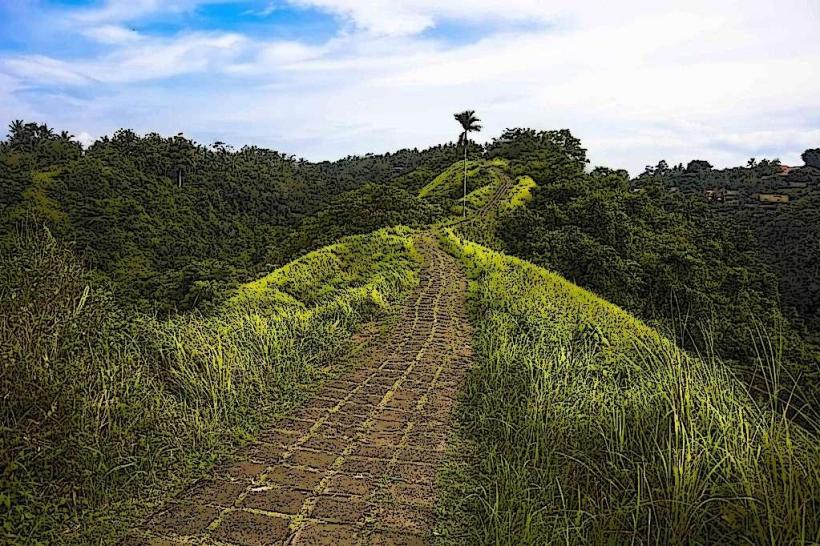
Nearby Attractions: Visitors often combine a visit here with trips to the Ubud Monkey Forest, Ubud Palace, or a walk along the nearby Campuhan Ridge.
Summary
Museum Puri Lukisan stands as a cornerstone of Bali’s artistic identity. It offers a comprehensive, immersive journey through the island’s artistic evolution, highlighting the delicate balance between tradition and modernity in Balinese art. Its serene setting, rich collections, and educational initiatives make it an essential destination for anyone seeking to understand Bali’s cultural soul through its visual heritage. The museum not only preserves priceless works but also nurtures ongoing creativity, ensuring that Balinese art continues to flourish for generations to come.