Information
Landmark: Bënja Thermal BathsCity: Sarande
Country: Albania
Continent: Europe
Bënja Thermal Baths, Sarande, Albania, Europe
The Bënja Thermal Baths (Llixhat e Bënjës) are natural sulfurous springs located near the town of Përmet in southern Albania. They are situated approximately 95 kilometers northeast of Sarandë, requiring a transit through the Gjirokastër District.
Visual Characteristics
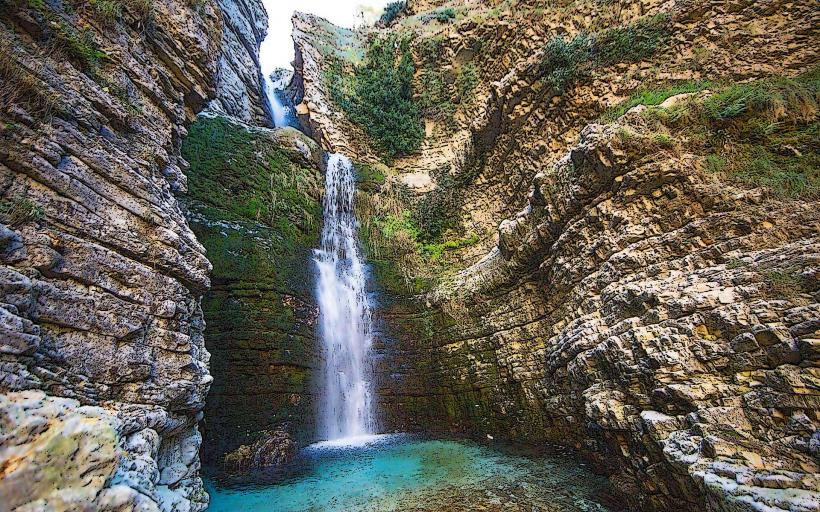
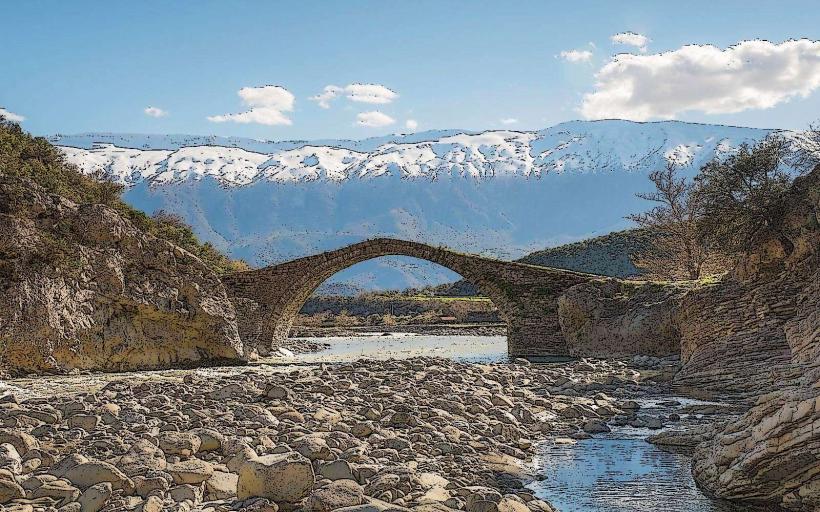
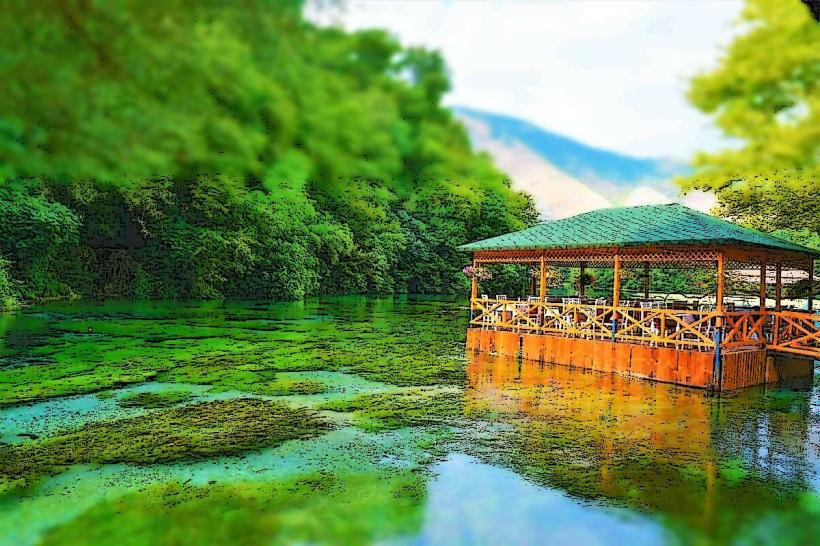
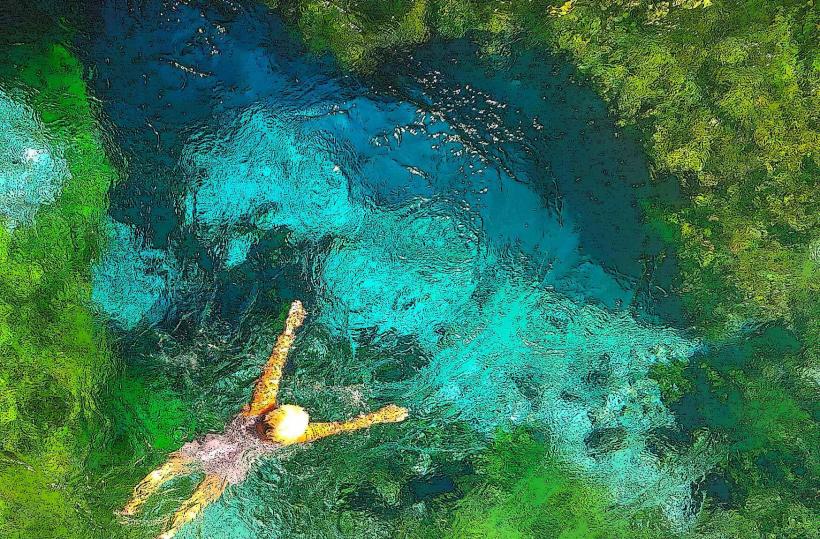
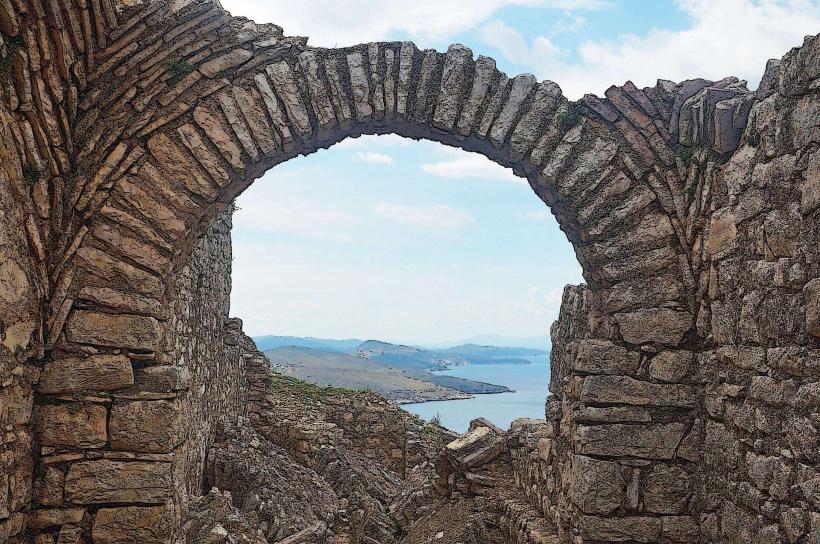
The site features several man-made stone basins that capture warm spring water emerging from the earth. The most prominent feature is the Kadiu Bridge (Ura e Katiut), an 18th-century Ottoman stone bridge that spans the Langarica River directly adjacent to the primary pool. The water is pale blue and slightly opaque due to high mineral content, while the surrounding landscape is defined by the high limestone walls of the Langarica Canyon.
Location & Access Logistics
Access is via the SH75 road from Përmet, traveling approximately 14 kilometers east toward the village of Petran. From Sarandë, the route follows the SH99 to Gjirokastër and then the SH4 and SH75. The road is paved until the final entrance to the thermal area. A large gravel parking area is available at the site. No direct public bus runs from Sarandë; visitors typically take a bus to Përmet and then a taxi or local van to the baths.
Historical & Ecological Origin
The springs are geothermally heated subterranean waters that rise through tectonic faults in the limestone. The water temperature remains constant between 26°C and 32°C year-round. Historically, the baths have been used for centuries for their perceived medicinal properties, particularly for skin, digestive, and rheumatic ailments. The site is located at the entrance of the Langarica Canyon, part of the Vjosa Wild River National Park.
Key Highlights & Activities
Bathing in the sulfurous pools is the primary activity. Hiking through the Langarica Canyon is possible when river levels are low. Photography focuses on the juxtaposition of the turquoise thermal pools with the arched Ottoman bridge. Specialized "treatments" using the river's grey mineral mud are common among local visitors.
Infrastructure & Amenities
Infrastructure is minimal and rustic. There are no formal changing rooms or indoor facilities; visitors typically use the surrounding trees or vehicles. A few seasonal wooden kiosks sell snacks, water, and local honey. Public restrooms are limited to basic units near the parking area. Cellular signal (4G) is inconsistent due to the canyon topography. Natural shade is available under the bridge and along the riverbank trees.
Best Time to Visit
The best time to visit is during the spring (April–June) or autumn (September–October) to avoid the intense summer heat and peak crowds. Early morning (before 09:00) is optimal for photography and securing a space in the smaller, more private basins. The baths remain accessible in winter, providing a high-contrast experience during cold weather.
Facts & Legends
A verified geological fact is that each of the six main pools has a different chemical composition, supposedly targeting specific health conditions. Local legend claims the Kadiu Bridge was built using a mortar mixed with thousands of egg whites to ensure its survival against the fierce seasonal flooding of the Langarica River. A specific tip for visitors is to walk approximately 400 meters further into the canyon to find smaller, less crowded thermal vents.
Nearby Landmarks
Kadiu Bridge: 0.05km North
Langarica Canyon: 0.1km East
Përmet Town Center: 14.0km West
Frashëri Brothers House-Museum: 30.0km North
Fir of Hotova National Park: 20.0km North