Information
Landmark: Nivica CanyonCity: Sarande
Country: Albania
Continent: Europe
Nivica Canyon, Sarande, Albania, Europe
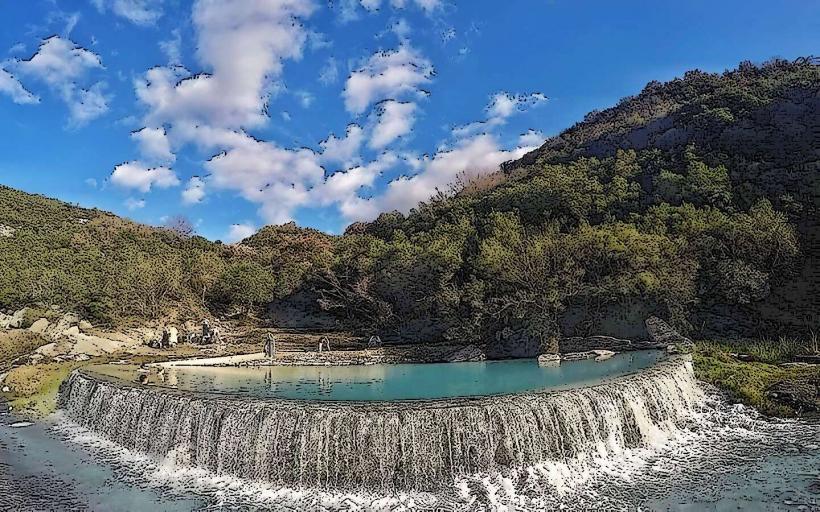
Nivica Canyon is a dramatic limestone gorge located in the Kurvelesh highlands of the Gjirokastër District, approximately 65 kilometers northeast of Sarandë. The canyon is defined by the Nivica Waterfall, which drops over 70 meters from the village cliffs into the canyon floor.
Visual Characteristics
The canyon features vertical limestone walls reaching heights of up to 150 meters, characterized by white and grey rock faces with significant karst erosion. The canyon floor is narrow, containing a stream with high-transparency water and large, water-worn boulders. Dense Mediterranean shrubs and oak trees cling to the cliff edges, and several waterfalls cascade down the side walls during the wet season.
Location & Access Logistics
Access is via the newly paved road (SH31) connecting Tepelenë to the coast via the Salari and Nivica mountain passes. From Sarandë, the route passes through Gjirokastër or involves the rugged interior road from Borsh. The village of Nivica sits directly on the canyon rim. There is no public transport directly to the canyon floor; visitors arrive by private vehicle or 4x4. Parking is available in the center of Nivica village.
Historical & Ecological Origin
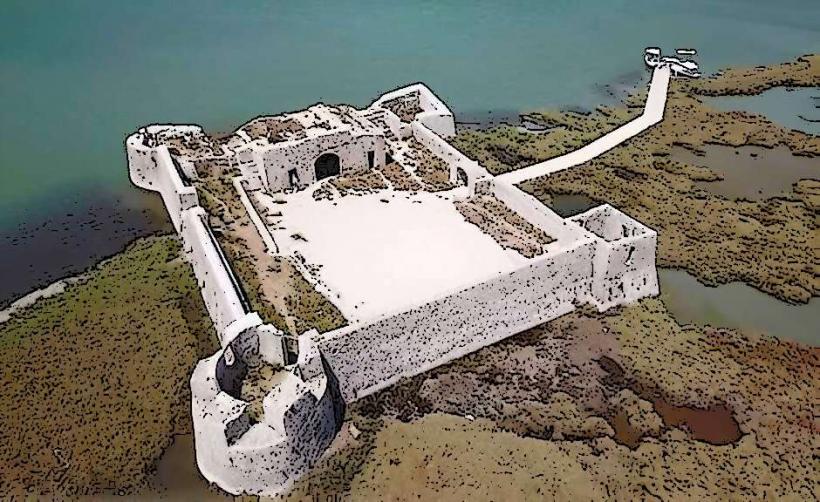
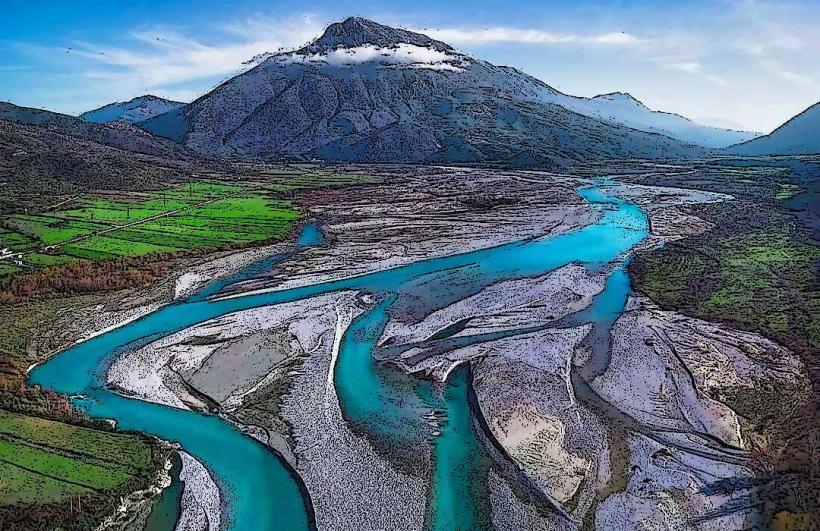
The canyon was formed by the erosive action of the Bënça River and its tributaries through the Mesozoic limestone of the Kurvelesh plateau. Historically, the surrounding cliffs served as a natural defense for the Nivica Castle, an ancient fortification located on a narrow neck of land overlooking the gorge. The area is part of a protected regional park, serving as a habitat for golden eagles and Egyptian vultures.
Key Highlights & Activities
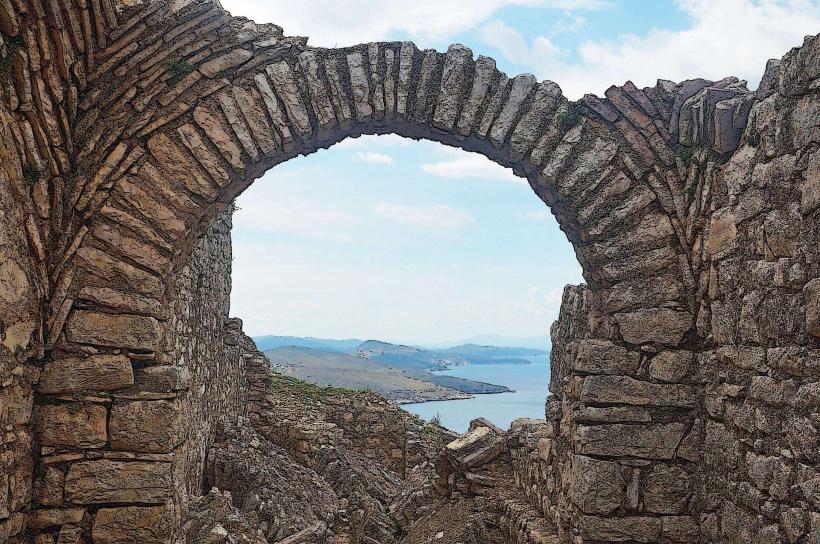
Hiking and canyoning are the primary activities, though the latter requires technical gear and professional guides due to steep drops. A marked trail leads from the village center to several panoramic viewpoints overlooking the Nivica Waterfall. Exploration of the ancient Nivica Castle ruins and the traditional stone village architecture is common.
Infrastructure & Amenities
Infrastructure is developing but remains basic. A few traditional guesthouses and small cafes are located in Nivica village. There are no restrooms or food vendors within the canyon itself. Public restrooms are limited to those in village businesses. Cellular signal (4G) is reliable in the village but non-existent once inside the canyon depths.
Best Time to Visit
The best time to visit is from April to June when the waterfalls are at their peak volume due to snowmelt and spring rains. For photography, the morning provides the best light to illuminate the canyon floor before the high walls create deep shadows. Autumn (September–October) is ideal for hiking when temperatures are milder and the terrain is dry.
Facts & Legends
A verified historical oddity is that the village of Nivica was one of the most isolated regions in Albania until the 21st century, preserving ancient polyphonic singing traditions. Local legend tells of a "hidden city" deep within the canyon caves used as a refuge during Ottoman incursions, though many of these caves remain unexplored due to their vertical accessibility.
Nearby Landmarks
Nivica Waterfall: 0.1km East
Nivica Castle Ruins: 0.4km South
Bënça Aqueduct: 15.0km East
Progonat Canyon: 8.0km Northwest
Mount Papadhia: 5.0km West