Information
Landmark: Brunei Arts and Handicraft CentreCity: Bandar Seri Begawan
Country: Brunei
Continent: Asia
Brunei Arts and Handicraft Centre, Bandar Seri Begawan, Brunei, Asia
Overview
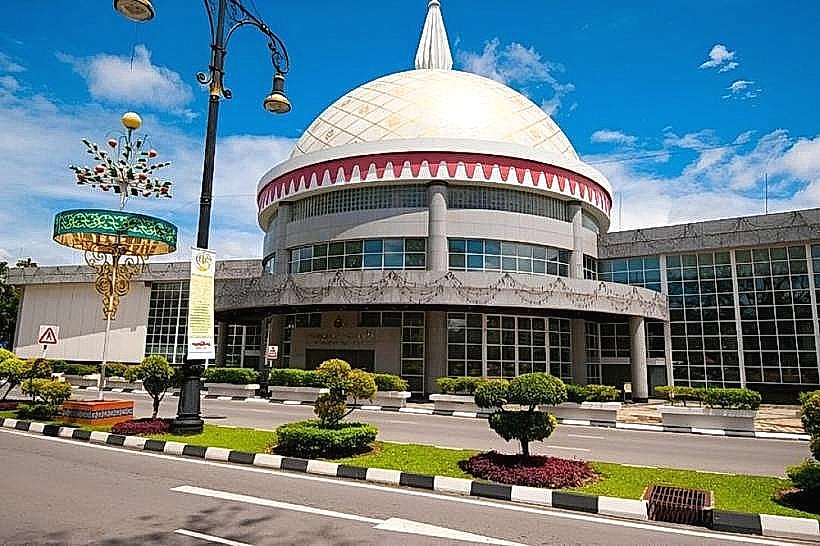
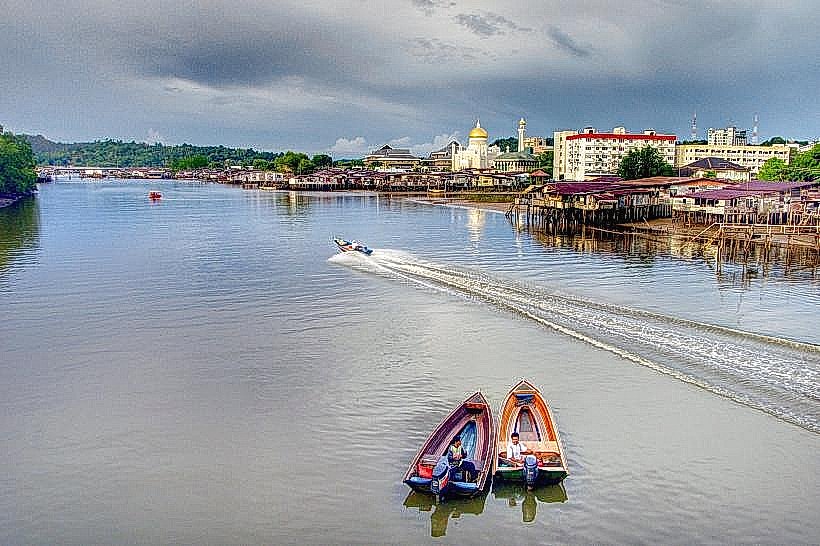
Set beside the Brunei River, just a short stroll from the Royal Regalia Museum, the Brunei Arts and Handicraft Centre quietly comes alive with color and craft, offering a vivid glimpse into the nation’s living creative traditions, as a result unlike formal museums where artifacts hide behind glass, this setting hums with life and warmth.It’s a venue where tradition lives-shaped, polished, and passed along in the steady rhythm of hands working worn wood, alternatively the air feels steady and focused, like the quiet hum before work begins.From the street, those long, low buildings feel built for work, not glory-their metal siding dull under the afternoon sun, to boot inside, the faint mix of fabric, wood, and polish drifts through the air, while the quiet tap of tools and low voices fills the space where silence once lingered.The centre was founded to keep Brunei’s traditional craftsmanship alive-preserving its intricate weaving, sharing its stories, and ensuring the art endures, and its deeper mission reaches past selling or showing-it’s about sparking real understanding, like the click of a light turning on.It preserves skills that once shaped daily life-hands smoothing clay, voices passing vintage songs-and now endure through deliberate practice and shared pride, in addition here, craft isn’t a relic of the past-it’s understood as skill, sharp and practiced, like the feel of smooth wood under your palm.It’s all about keeping the thread unbroken-elders passing skills to younger hands, each movement polished through practice, every pattern carrying the quiet echo of generations behind it, and for Brunei, this isn’t just decoration-it’s living heritage, carved deep into the wood and history, a little It’s a living identity, shifting like sunlight across a moving stream, therefore one of the most striking sections bursts with color, showcasing batik, intricate weaving, and other traditional textile art.Long tables lie under taut fabric while artisans guide warm wax across it in precise, deliberate strokes, and it moves at its own pace-warm wax, a splash of dye, a rinse, then back again.Layers reveal patterns-petals curling like quiet whispers, shapes built on clean lines and sacred symbols drawn from nature and belief, consequently nearby, looms rise tall, their frames clicking steadily like petite wooden hearts.Vertical threads rise in tight lines of color-deep blue like stormy water, warm brown like soil after rain, a hush of gold, a calm wash of green, also the loom’s wooden frame taps in a steady rhythm, a gentle thump that feels like the room’s own heartbeat, in some ways It appears, Each fabric panel can take anywhere from a few days to several weeks to finish, depending on how intricate the design is-some threads might need hours just to weave a single pattern, as well as these textiles aren’t just replicas meant to sit behind glass; they’re the real feature, rough at the seams and rich with history, slightly People wear many of them at ceremonies, weddings, and other formal gatherings-the soft rustle of fabric linking the workshop’s work to life today, meanwhile another section dives into silverwork, woodcraft, and metal tools-the clang of a hammer on steel still ringing faintly in the background.Silver jewelry rests beside the tools that form it-tiny hammers, clamps, and engraving tips rubbed smooth with years of work, and rings, brooches, and belt ornaments catch the light, while the ceremonial pieces give off a faint, golden shimmer in the dim glow, not entirely The woodcraft displays feature carved panels, everyday tools, and sturdy beams shaped in the spirit of traditional architecture, their polished grain catching the light like warm honey, on top of that motifs circle back with gentle shifts-vines twist, leaves curl, and clean geometric forms ripple like soft water in motion.The carvings show restraint instead of flourish, their lines measured and balanced like careful strokes in soft wood, on top of that in the quieter corner of the center, you’ll find baskets taking shape and everyday crafts coming to life-thin reeds bending and rustling under careful hands, occasionally Craftspeople turn palm leaves, rattan, and other natural fibers into sturdy baskets, handy trays, and simple containers that smell faintly of sun‑dried grass, subsequently it feels almost meditative-each strip peeled away, each bit of tension released, until the shape slowly rises like wood catching light in a quiet studio, relatively These objects capture a moment when every piece in a home was crafted by hand-sturdy, useful, maybe still smelling faintly of wood and oil, in conjunction with even today, many locals reach for these baskets when they chop vegetables, prepare for ceremonies, or tuck away household goods, keeping the thread between craft and daily life unbroken.The Human Presence Behind the Craft You can feel what makes the centre unique-the artisans are right there, sleeves rolled up, their work unfolding in plain sight, what’s more visitors often spot the makers at their benches, heads bent and hands moving in a steady rhythm, calm and completely absorbed in the task.If I’m being honest, A few behold up for a moment, offer a quick, polite smile, then drop their eyes back to the neat rhythm of their stitching, alternatively some people quietly talk through their techniques as they move from one step to the next, like a soft voice threading through the rhythm of their work.Tiny touches show the human side of the work-a half-finished cup of tea by the loom, fabric folded neatly after the shift, tools lined up just the way someone likes them, likewise these scenes drive home the idea that tradition endures in the quiet rhythm of daily discipline-polishing a bowl, tying a sash-not in grand ceremonies.Walking through the Brunei Arts and Handicraft Centre feels easy and personal, like wandering past shining woven baskets that seem to breathe with color, as well as no crowds shove their way ahead, and the lights stay plain-nothing flashing or fierce, almost The visitor moves slowly, stopping now and then to watch a pattern emerge or to perceive hands shaping clay for the next step, besides from some angles, open doors frame the river outside-water taxis gliding past while modern life hums beside age-timeworn craftwork, loosely The contrast feels soft, not sharp, and it carries a calm flow-like the steady hush of rain against glass, then in modern Brunei, the Arts and Handicraft Centre connects past and present-not by locking artifacts behind glass, but by keeping the rhythm of carving and weaving alive in practiced hands.It shows that Brunei’s progress hasn’t wiped out tradition-it moves forward with it, like innovative glass towers rising beside aged wooden prayer halls, also what stays with you after the visit isn’t one grand piece of art but a quiet feeling-like the languid rhythm of hands mending something worth keeping, full of patience, care, and resilience.The crafts here don’t follow fads-they’re shaped by steady hands and the scent of fresh wood, equally important they move like hands tracing a familiar pattern-deliberate, steady, and quietly enduring, the rhythm of memory itself.
Author: Tourist Landmarks
Date: 2025-12-04