Information
Landmark: Malay Technology MuseumCity: Bandar Seri Begawan
Country: Brunei
Continent: Asia
Malay Technology Museum, Bandar Seri Begawan, Brunei, Asia
Overview
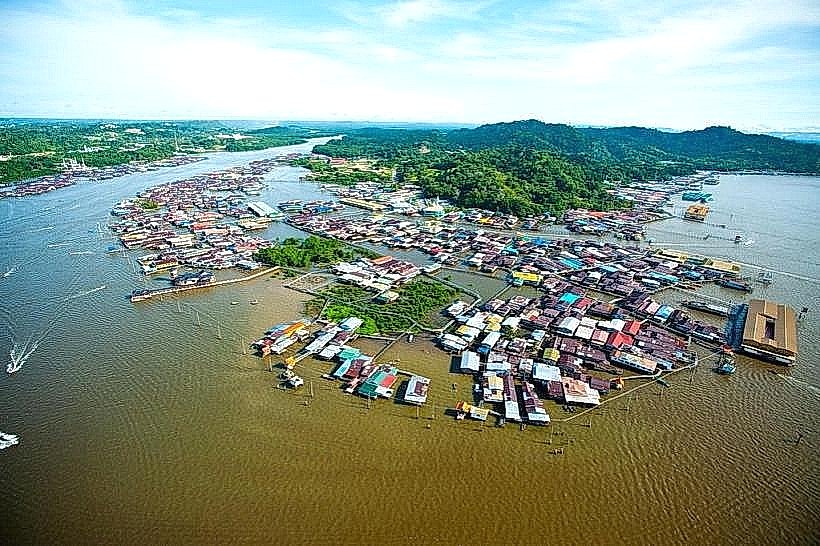
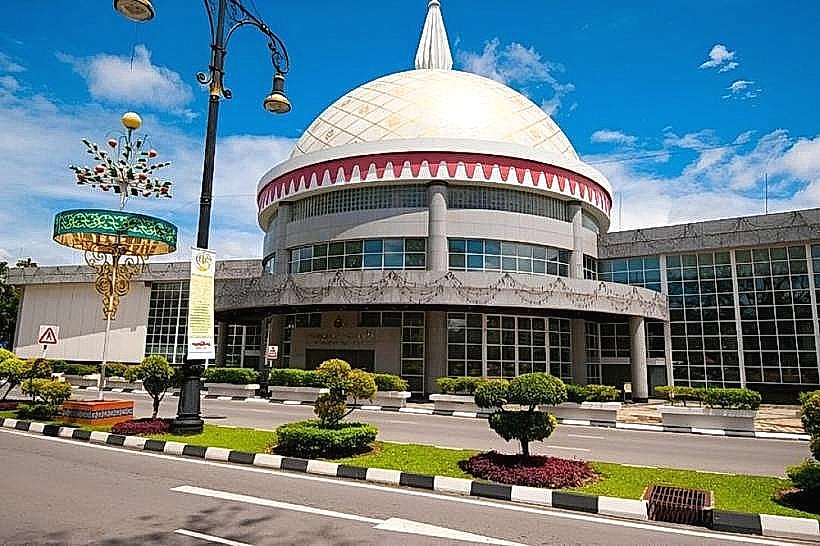
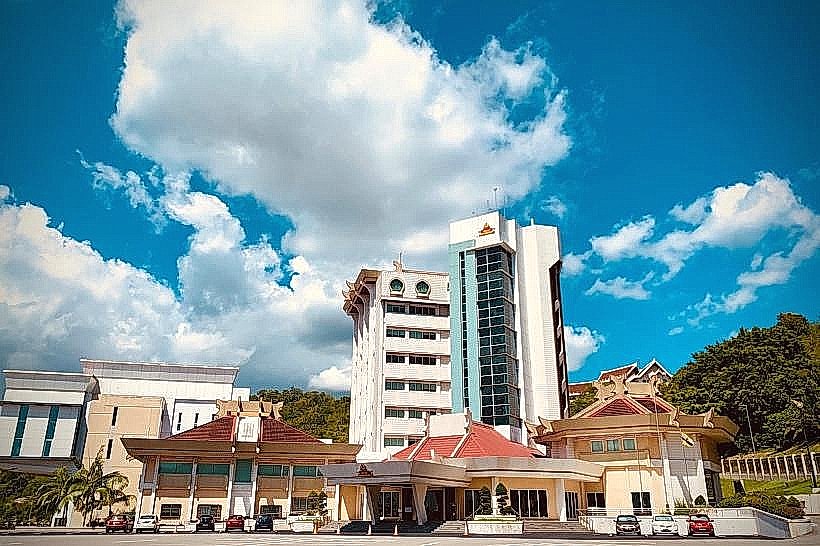
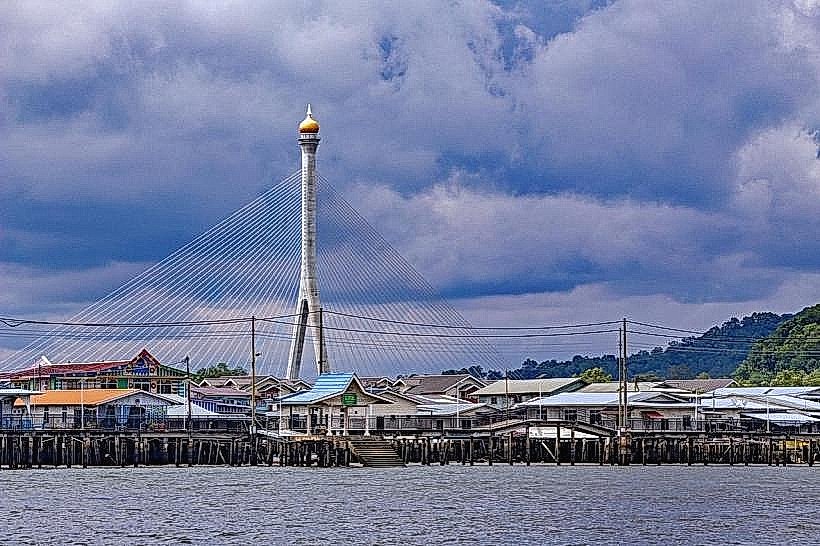
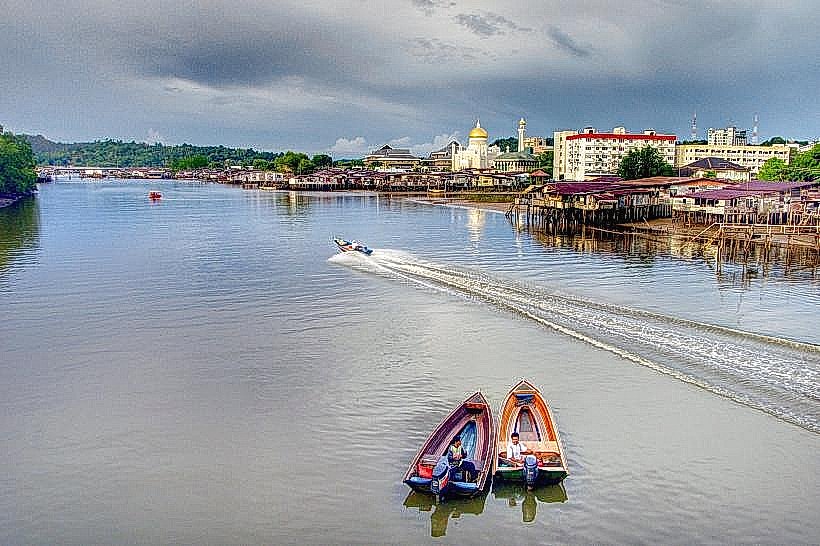
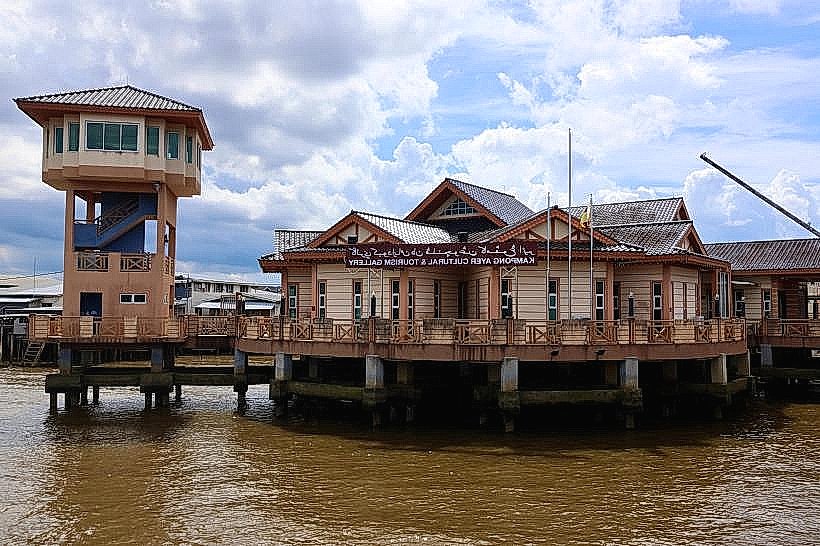
Perched on a quiet hill near the heart of Bandar Seri Begawan, the Malay Technology Museum opens a window into Brunei’s past-showing how people once built wooden homes, farmed, journeyed, and lived long before the city’s glass towers and soaring bridges took over the skyline, therefore the area feels almost like a symbol-calm and a bit apart from the city’s rush, its broad horizon slowing visitors until they find themselves breathing in time with the still air.Believe it or not, This isn’t a grand hall of crowns and ceremony; it’s nothing like a museum of royal power, also it’s a museum alive with hands, worn tools, the scent of timber, the sound of water, and survival skills honed over generations.Purpose and Cultural Focus The museum was founded to protect and share the traditional technologies of Brunei’s Malay communities, highlighting everyday discern-how-like the craft of weaving or boatbuilding-over sweeping historical tales, simultaneously at its heart, it’s about showing how people once tackled everyday problems with what they had-woven reeds for baskets, shared effort, and a sharp sense of the land around them.This story isn’t about dates or dynasties-it follows boat builders who shape planks by sight, farmers who read soil and rain, craftsmen fitting wood tight without a single nail, and families shifting their homes with the tides, floods, and heavy monsoon air, alternatively it quietly celebrates the kind of intelligence you won’t often find in a textbook, the sharp spark in someone’s eyes when they solve a problem their own way.From the street, the museum complex mixes sleek modern lines with touches that echo vintage, hand-carved designs, equally important inside, the space feels wide open, the air easy to move through like a breeze slipping past sheer curtains.Broad hallways open into airy galleries, where towering full-size structures rise instead of neat rows of minute display cases, consequently soft light drifts through the window, warming the timber until it glows like honey.Footsteps whisper across the wood, fading like breath on a nippy windowpane, moreover it feels more like wandering through a rebuilt village, hearing the creak of wooden doors, than strolling through a typical museum.One of the most captivating sections brings river life to the surface, recreating Kampong Ayer–style homes on stilts with intricate wooden walkways and shimmering reflections in the water, after that tall stilt houses rise over mock river water, a quiet reminder of how whole neighborhoods once hovered above the restless tide.It appears, Visitors stroll along raised walkways, glancing into living quarters, steamy cooking corners, and tucked-away sleeping rooms, seeing how boats once slipped right into everyday life, as a result nearby hang paddles, nets, and worn fishing tools, showing how life and tour once flowed together with the water, somewhat The design draws you in, so you can almost hear timber creak beneath your feet and water whisper against the posts, what’s more another wing drifts inland, leaving the river’s edge for the rhythm of rural life-fields turning under the plow, and hands shaping craft from wood and clay.Wooden ploughs and rice-processing tools hang along the walls, beside sturdy grain jars and hand-cranked contraptions built to last, their worn handles smooth from years of use, therefore craft traditions show up in the hum of looms, the weave of baskets, the smooth grip of carved tools, and the gleam of worked metal.Oddly enough, Every object shows the wear of hands and time, not ornament-like a mug with its glaze rubbed thin where fingers always rest, to boot some baskets feel scratchy where the straw’s been tugged tight.A few blades bear the uneven edges of years spent under a whetstone, each stroke a careful attempt to mend the steel, in addition they’re not polished copies-they’re true echoes of real working lives, the scrape of a boot on concrete and all.Funny enough, Boat Building and Structural Engineering places special attention on boat construction, a craft shaped by Brunei’s long reliance on winding rivers and the steady rhythm of its coastal trade, in conjunction with the timber frames show how builders shaped the hulls by hand, no modern tools or precise gauges-just wood, chalk, and a practiced eye, fairly Wooden pegs take the spot of metal fasteners, snugly fitting into the holes like dowels pressed into smooth oak, along with you can perceive the curved planks displayed with notes describing how heat and water shaped the wood, steam curling off it as it bends into locale.Beside one of these boats, visitors can feel how it bends yet holds firm-a design meant to skim across ankle-deep water while hauling a full catch, after that it’s clear these vessels weren’t only for journey-they were floating homes and bustling markets, sails snapping in the wind, in a sense What gives the Malay Technology Museum its emotional weight is the human scale-the way every display feels personal, like running your fingers over a hand-carved paddle worn smooth with use, not only that life-sized mannequins capture ordinary moments-a farmer tightening a worn wooden handle, a craftsman paused mid-carve, a family leaning close over their daily chores.Not one of these figures feels heroic; they stand plain and ordinary, like statues stripped of shine, in addition they’re ordinary people, caught up in the rhythm of everyday life-the hum of the coffee maker, the shuffle out the door.Tiny touches-like the scratch on a worn tabletop-make everything feel real, then a cooking pot tilts slightly on the antique wooden stove, its lid glinting in the light, perhaps One corner of the woven mat lifts just a bit, the fibers rough under your fingertips, as a result the handle’s worn smooth in spots, right where fingers used to grip and press.Those compact flaws make the room feel lived-in, not staged-like a faint scuff on the floor that says someone’s really been here, therefore the museum sets a calm, reflective mood, inviting visitors to unhurried their pace and linger over each quiet gallery, mildly People often stay here longer than they planned-not for its size, but because every corner invites a leisurely, quiet behold, like pausing to trace the grain of heritage wood, simultaneously take your time-no need to hurry or feel that tight knot in your chest.The exhibits whisper, steady and low, like paper brushing against glass, at the same time from spots inside the building, the windows catch glimpses of modern Bandar Seri Begawan, the glass vivid with sunlight, setting the aged tools indoors against the city’s sleek rhythm beyond.The effect feels less like nostalgia and more like reflection, a quiet thread of continuity instead of a sense of loss, furthermore in modern Brunei, the Malay Technology Museum stands as a vital keeper of cultural meaning, safeguarding knowledge that rapid modernization could sweep away like dust in a monsoon wind.It reminds visitors that real progress started long before oil money or rising towers of concrete ever appeared, at the same time it started with the river’s sluggish pull, the smell of fresh-cut timber, steady rain, and people learning to live with it all.Instead of putting on a show, the museum honors survival skills, teamwork, and problem‑solving rooted in the living pulse of nature-like reading the wind before rain, moreover visitors leave with a quieter sense of Brunei’s roots-not in stone monuments, but in living craft shaped slowly by hands, by water lapping at the edges, and by time itself.
Author: Tourist Landmarks
Date: 2025-12-04