Information
Landmark: Istana Nurul ImanCity: Bandar Seri Begawan
Country: Brunei
Continent: Asia
Istana Nurul Iman, Bandar Seri Begawan, Brunei, Asia
Istana Nurul Iman is the official residence of the Sultan of Brunei, located in the capital city of Bandar Seri Begawan.
This palace serves as the seat of the Brunei government and a primary royal residence.
Visual Characteristics
The palace is constructed primarily from reinforced concrete and granite, with extensive use of gold leaf and marble. Its architectural style is a blend of Islamic and Malay influences, featuring numerous domes and minarets. The structure comprises multiple wings, including royal living quarters, administrative offices, and a banquet hall. The exterior is predominantly white with gold accents.
Location & Access Logistics
Istana Nurul Iman is situated approximately 5 kilometers southwest of the Bandar Seri Begawan city center, along the banks of the Brunei River. Access is via Jalan Raja Isteri Pengiran Anak Hajah Saleha. Public access to the palace grounds is restricted, with entry typically limited to official functions or during specific public open days, such as Hari Raya Aidilfitri. Parking is available within designated areas for invited guests and staff.
Historical & Ecological Origin
Construction of Istana Nurul Iman was completed in 1984. The palace was designed by Leandro V. Locsin, a Filipino architect, and built by the Philippine construction firm, Ayala Corporation. Its original purpose was to serve as a modern, functional, and symbolic center for the Sultanate's governance and royal family.
Key Highlights & Activities
During the annual Hari Raya Aidilfitri celebration, the palace opens its doors to the public for a limited period, allowing visitors to greet the Sultan and other members of the royal family and receive gifts. The palace grounds are not generally accessible for recreational activities.
Infrastructure & Amenities
The palace complex includes extensive facilities such as air conditioning throughout, multiple dining halls, a mosque, and helipads. Security is a primary feature. Cell phone signal (4G/5G) is available within the vicinity. No public food vendors are present on the palace grounds.
Best Time to Visit
The primary opportunity for public visitation is during the Hari Raya Aidilfitri celebrations, which occur two days after the end of Ramadan. The specific dates vary annually based on the Islamic lunar calendar. The palace is not open to the public at other times of the year.
Facts & Legends
Istana Nurul Iman is recognized by the Guinness World Records as the largest residential palace in the world, with a floor area of over 200,000 square meters. It contains approximately 1,788 rooms, including 257 bathrooms.
Nearby Landmarks
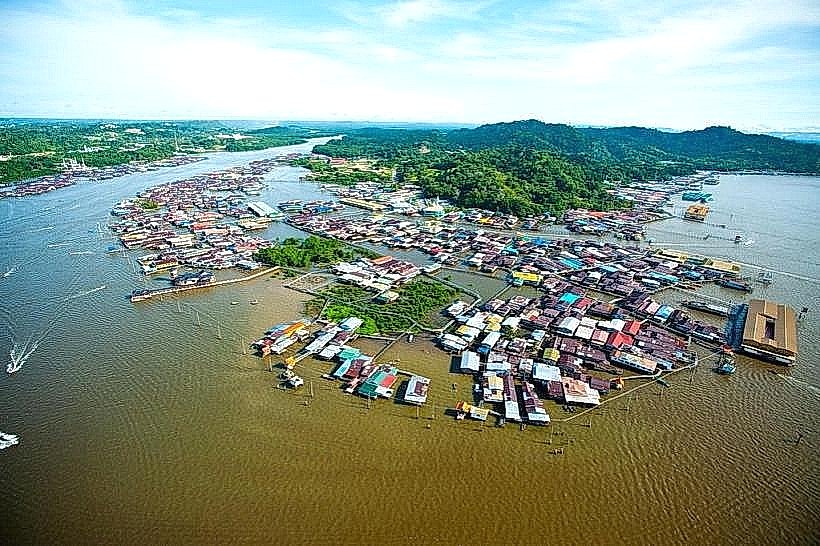
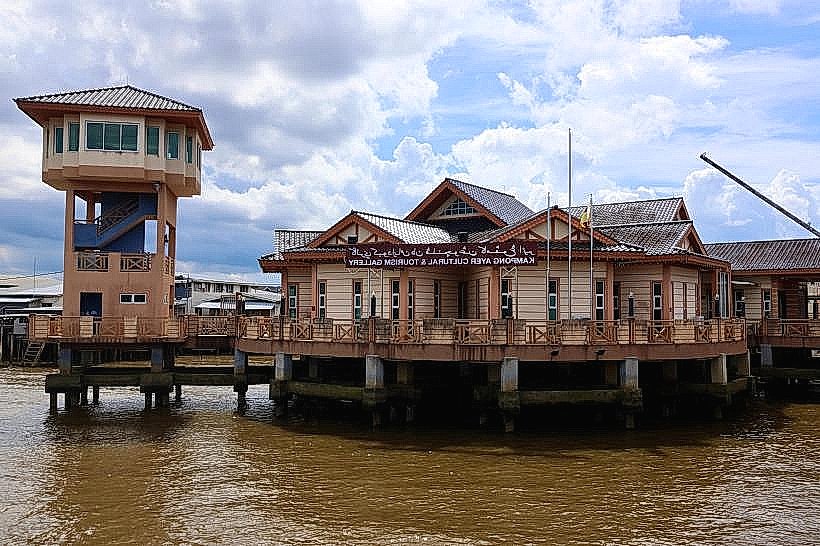
- Kampong Ayer Cultural & Tourism Gallery (1.5km Northeast)
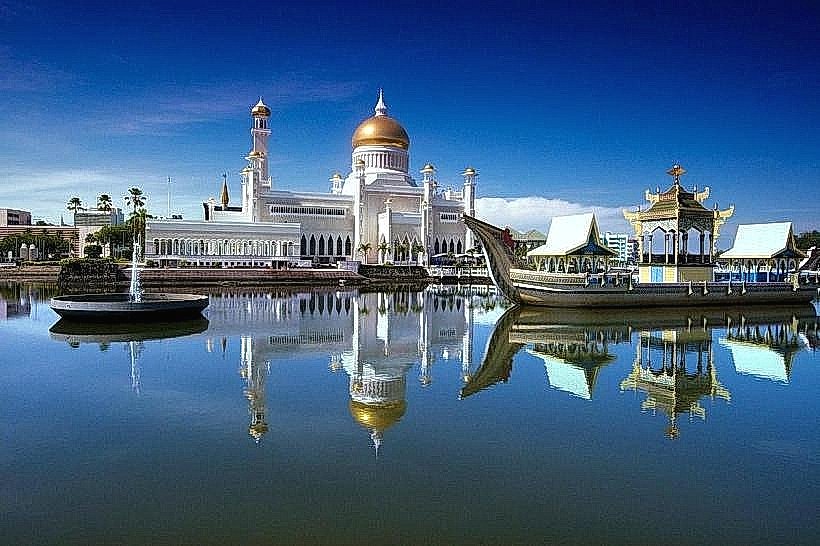
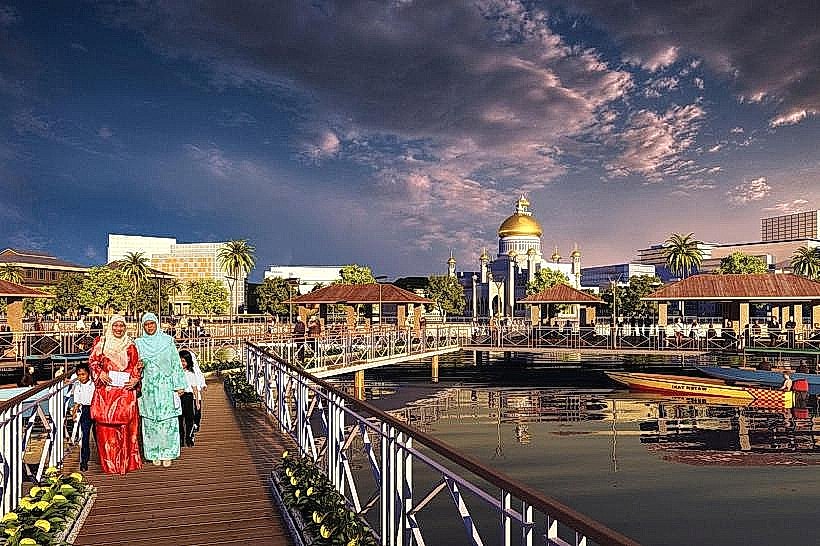
- Sultan Omar Ali Saifuddien Mosque (3.0km Northeast)
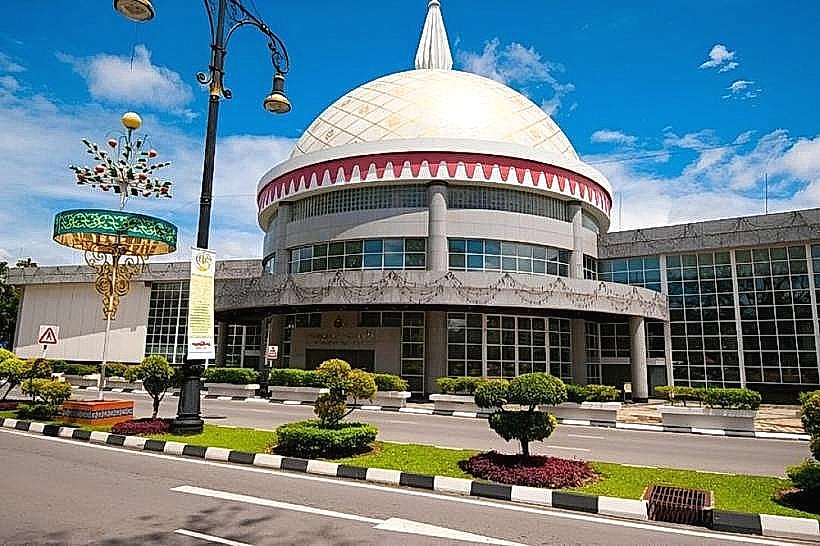
- Royal Regalia Museum (3.5km Northeast)
- Taman Jubli Emas (4.0km Northeast)