Information
Landmark: Tamu Kianggeh MarketCity: Bandar Seri Begawan
Country: Brunei
Continent: Asia
Tamu Kianggeh Market, Bandar Seri Begawan, Brunei, Asia
Tamu Kianggeh Market is a waterfront market located in Bandar Seri Begawan, Brunei. It serves as a primary point of sale for local produce and goods.
Visual Characteristics
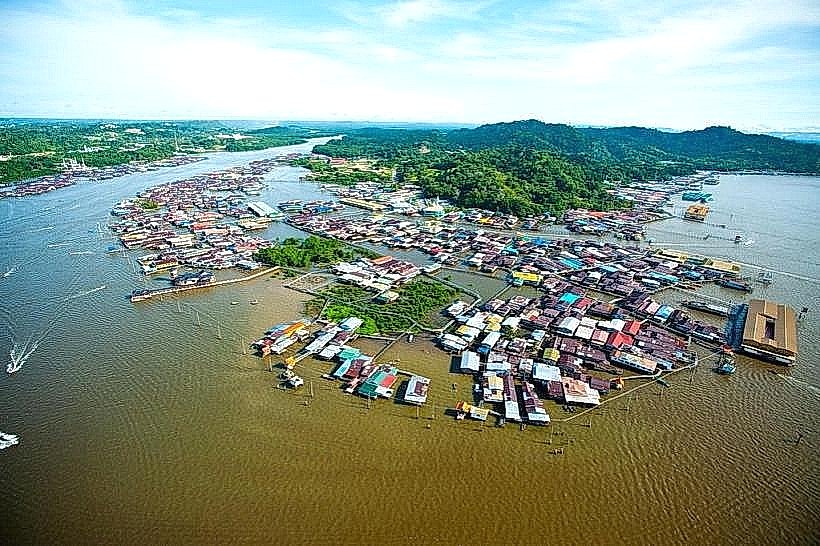
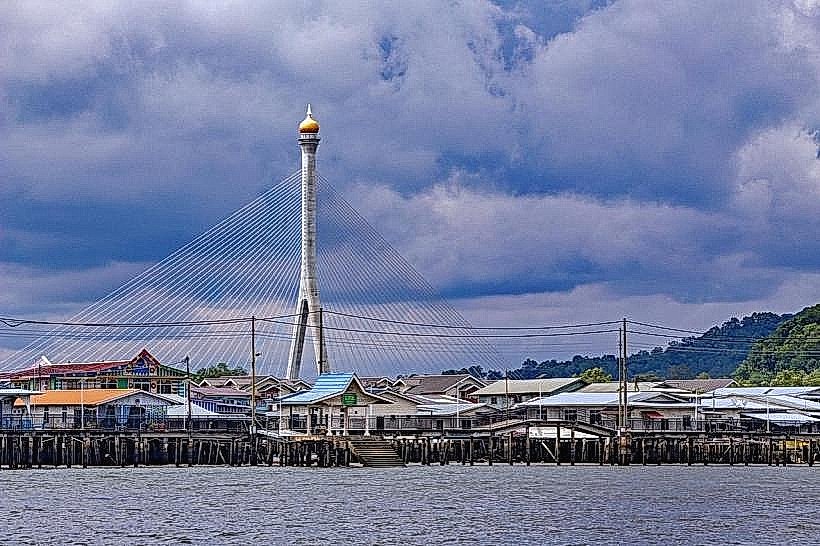
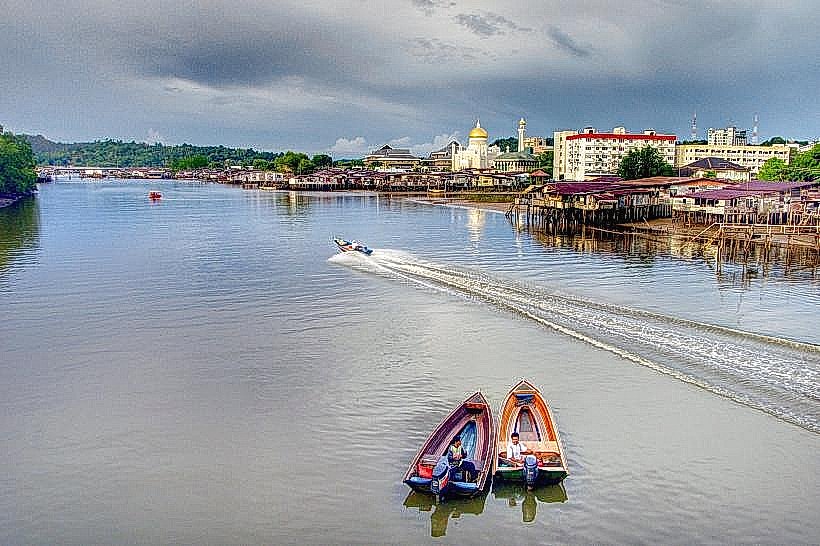
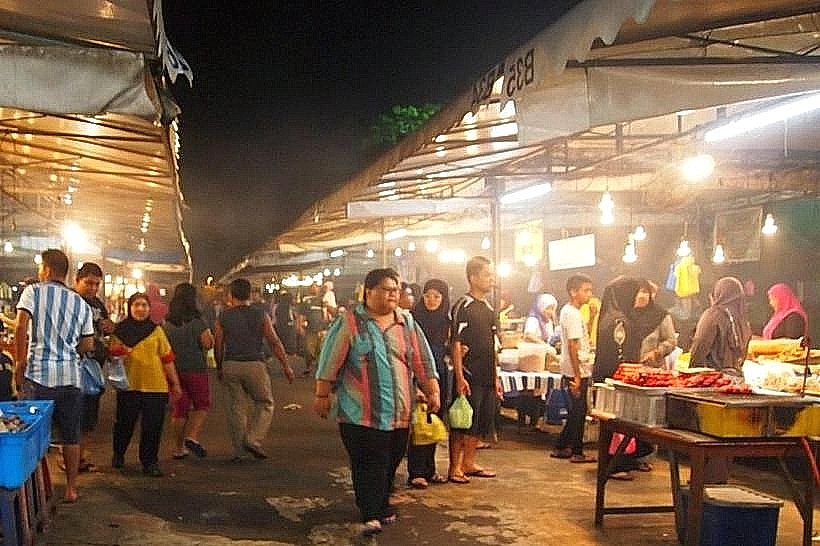
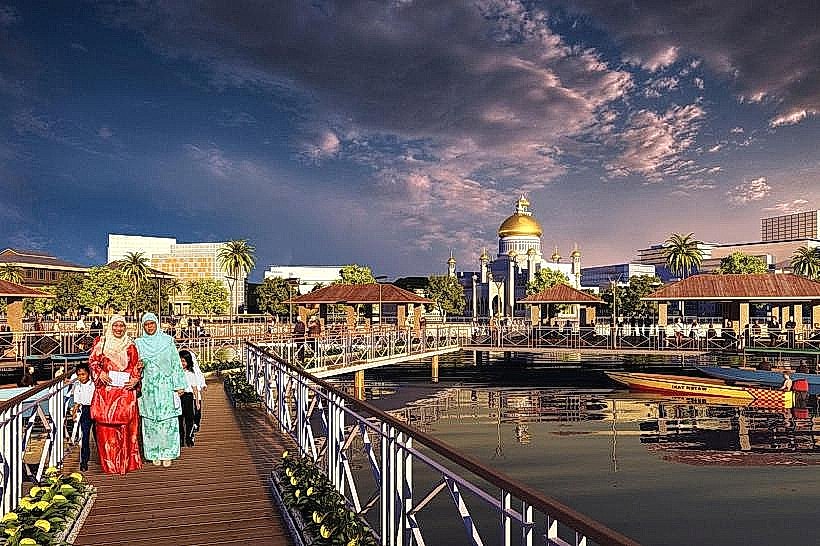
The market consists of a series of wooden stalls and platforms constructed over the Kianggeh River. Structures are primarily made of wood and corrugated metal roofing. Colors are varied, reflecting the merchandise displayed, with a general utilitarian appearance. The market extends along the riverbank, with some stalls accessible by small boats.
Location & Access Logistics
Tamu Kianggeh Market is situated approximately 1 kilometer south of the central business district of Bandar Seri Begawan. Access is via Jalan Kianggeh. Limited street parking is available along Jalan Kianggeh and adjacent side streets. Bus routes serving the city center often pass near the market; specifically, local bus routes 1 and 3 stop within a 5-minute walk.
Historical & Ecological Origin
The market's origins are tied to the historical water villages of Brunei, where riverine trade was central to daily life. It has functioned as a traditional marketplace for generations, evolving from a purely river-based exchange to a hybrid land-and-river setup. The Kianggeh River itself is a tributary of the Brunei River, characterized by brackish water influenced by tidal flows.
Key Highlights & Activities
Visitors can observe and purchase local fruits, vegetables, seafood, and traditional snacks. Small boat vendors operate alongside the fixed stalls, offering goods directly from the water. Photography of the market activity and riverine setting is common.
Infrastructure & Amenities
Basic restroom facilities are available on the landward side of the market. Shade is provided by the stall roofs. Cell phone signal (4G) is generally reliable within the market area. Food vendors selling local refreshments are present at the market.
Best Time to Visit
The market is most active from early morning until approximately 10:00 AM. For photography, the morning light offers diffused illumination. The market operates daily, with no specific tidal requirements for access to land-based stalls.
Facts & Legends
A specific local practice involves vendors using small, flat-bottomed boats to navigate between stalls, facilitating transactions directly on the water. This method of commerce has persisted from earlier eras.
Nearby Landmarks
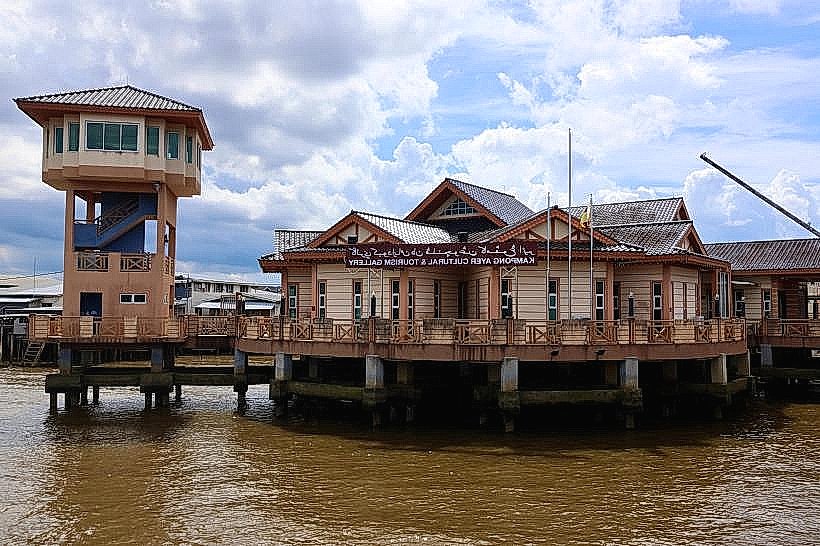
- Kampong Ayer Cultural & Tourism Gallery (0.8km Northwest)
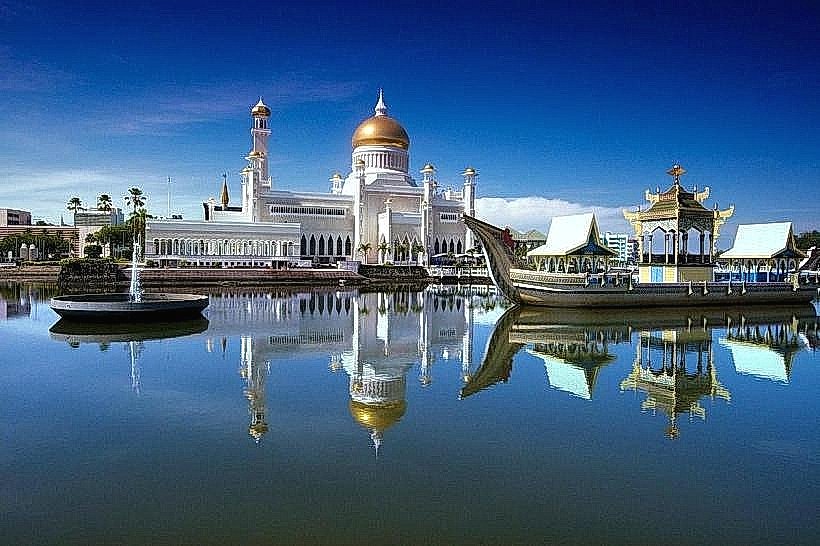
- Sultan Omar Ali Saifuddien Mosque (1.2km North)
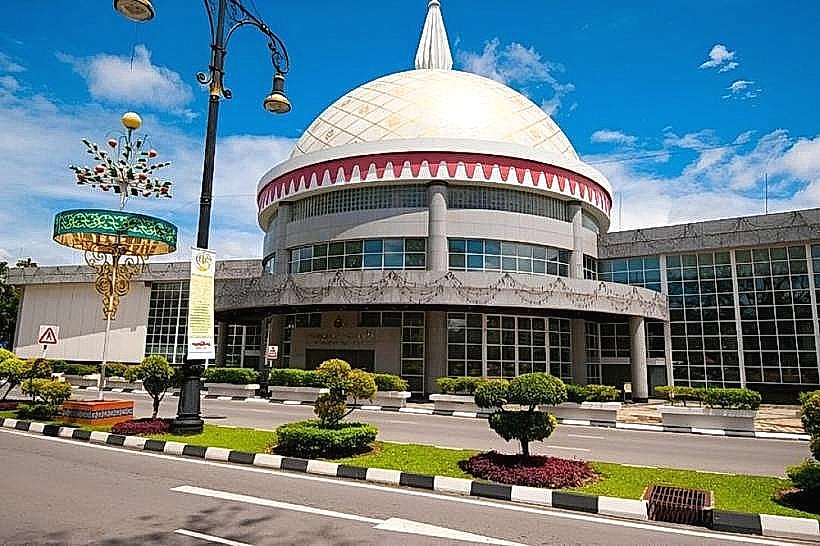
- Royal Regalia Museum (1.5km North)
- Taman Haji Sir Muda Omar Ali Saifuddien (1.3km North)