Information
Landmark: Garajonay National ParkCity: La Gomera
Country: Canary Islands
Continent: Europe
Garajonay National Park, La Gomera, Canary Islands, Europe
Garajonay National Park is a UNESCO World Heritage site preserving a relict laurel forest ecosystem in the central highlands of La Gomera, Canary Islands.
Visual Characteristics
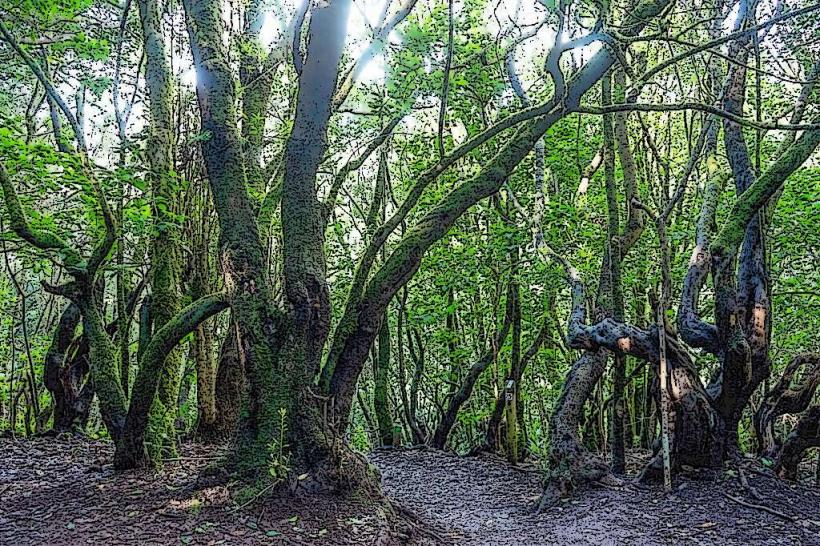
The park is characterized by dense, evergreen laurel forests (laurisilva) composed of tree species such as Laurus novocanariensis, Ocotea foetens, and Apollonias barbujana. Trees are often draped in mosses and lichens, thriving in the persistent humidity and frequent mist. The terrain features deep ravines and steep slopes, with elevations ranging from approximately 700 meters to the island's highest point, Alto de Garajonay, at 1,487 meters. The undergrowth is rich with ferns and herbaceous plants, contributing to a consistently green and shaded environment.
Location & Access Logistics
The park occupies the central and northern parts of La Gomera. Main access roads include the GM-2, which traverses the park from east to west, and the GM-3, connecting to the northern coast. From San Sebastián de La Gomera, the capital, the park entrance near Laguna Grande is approximately 20 kilometers northwest via the GM-2. Parking areas are available at key recreational zones such as Laguna Grande, Pajarito, and near the Juego de Bolas Visitor Center. Public transport is limited; bus lines (guaguas) serve some peripheral villages, but direct park access typically requires a rental car or taxi.
Historical & Ecological Origin
Garajonay National Park was established in 1981 and designated a UNESCO World Heritage site in 1986. Its ecological origin dates back to the Tertiary Period, preserving a subtropical laurel forest that once covered much of Southern Europe and North Africa. The unique microclimate, influenced by trade winds and the island's topography, allows this relict ecosystem to persist. The island of La Gomera itself is of volcanic origin, with the park's landscape shaped by ancient volcanic activity and subsequent erosion.
Key Highlights & Activities
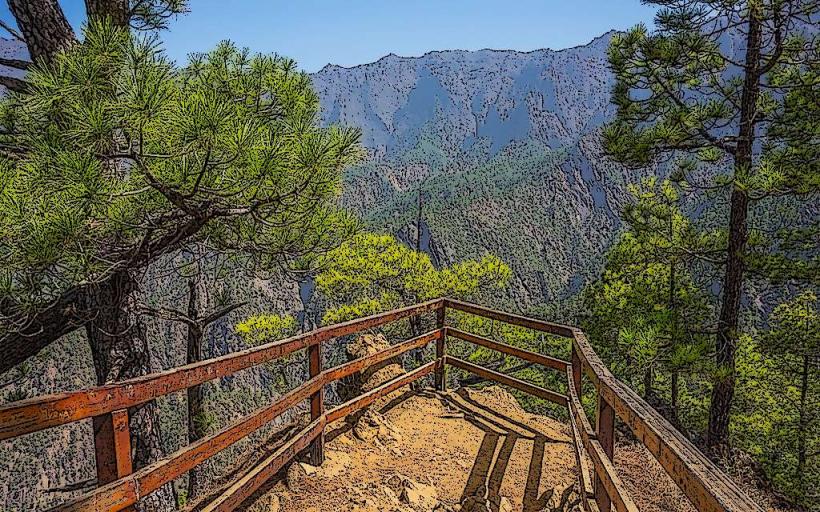
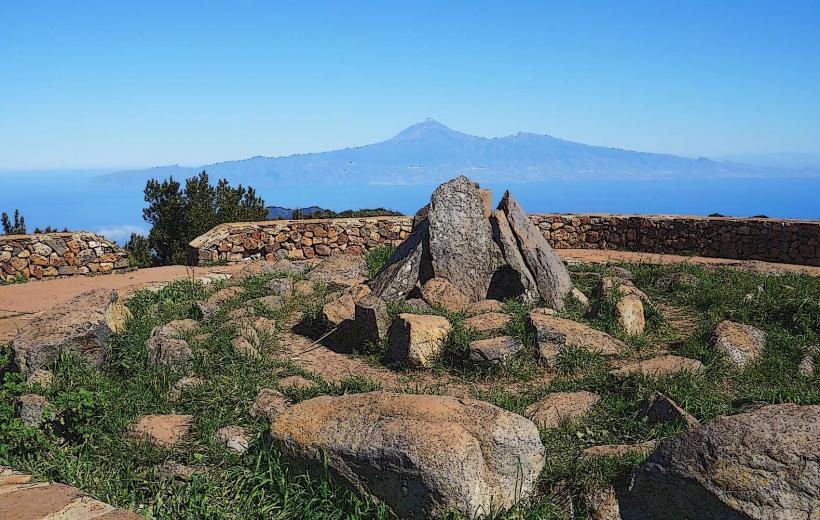
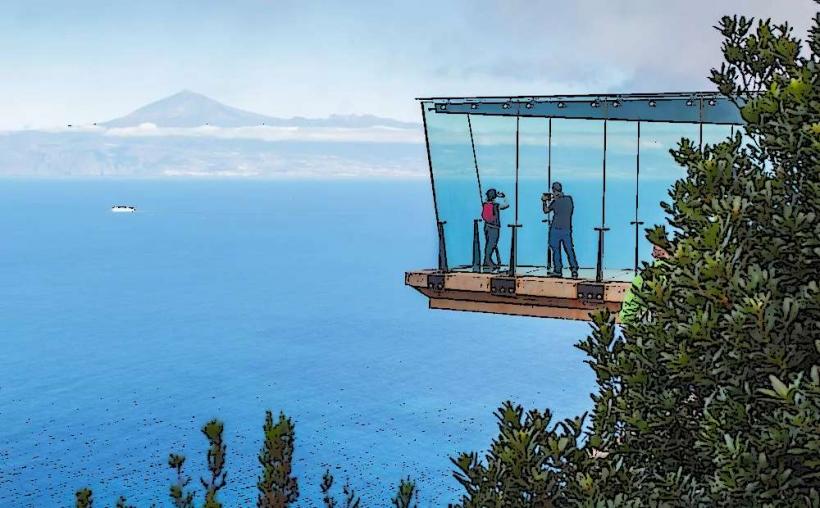
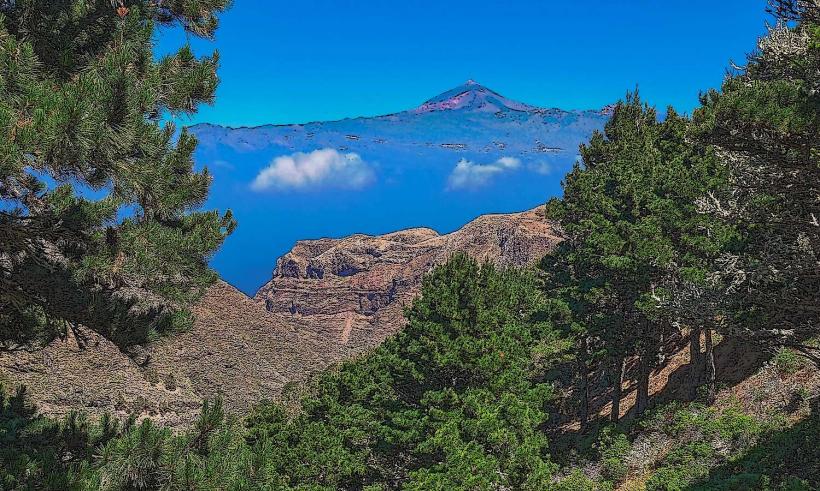
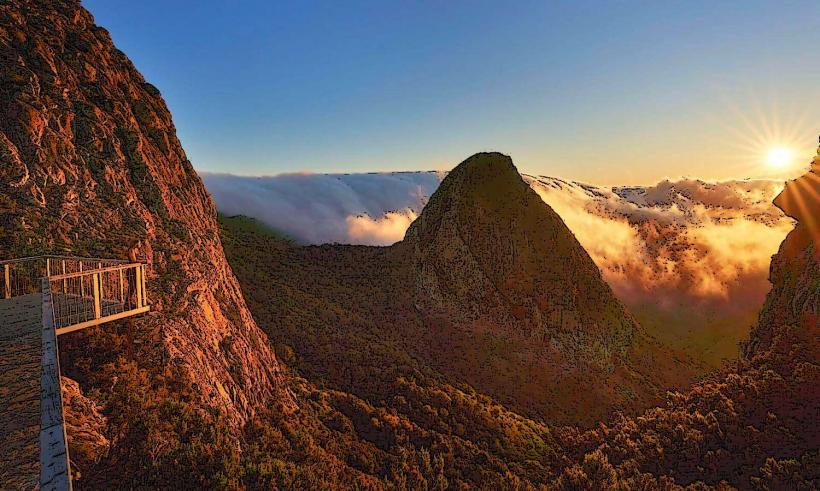
Hiking is the primary activity, with over 100 kilometers of marked trails. Notable routes include the ascent to Alto de Garajonay for panoramic views, and circular trails around Laguna Grande. The Juego de Bolas Visitor Center provides interpretive exhibits and trail information. Several viewpoints (miradores) offer vistas of the forest canopy and surrounding valleys, such as Mirador de Abrante (just outside the park) and Mirador de Vallehermoso.
Infrastructure & Amenities
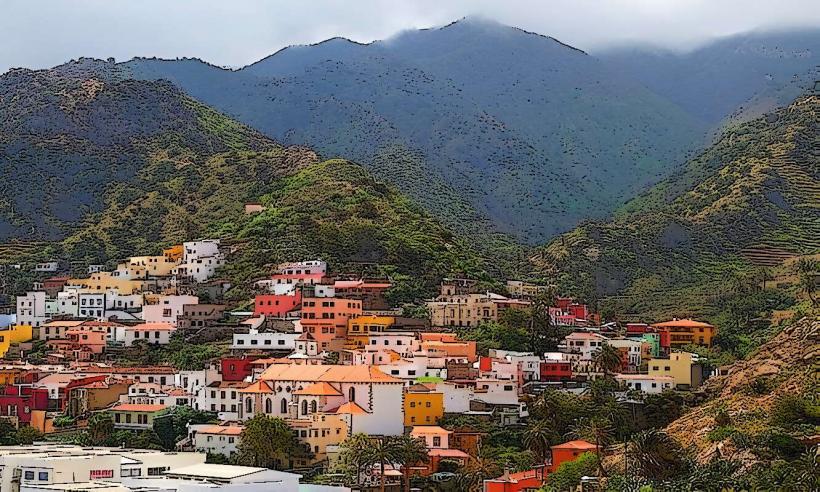
Restrooms are available at the Juego de Bolas Visitor Center and at major recreational areas like Laguna Grande. The dense forest provides extensive natural shade throughout most of the park. Cell phone signal (4G/5G) can be intermittent or weak in deeper ravines and remote areas but is generally available near main roads and visitor centers. Food vendors and restaurants are located at Laguna Grande and in nearby villages such as Agulo and Vallehermoso.
Best Time to Visit
The park can be visited year-round due to La Gomera's mild climate. For photography, early mornings often present the characteristic mist and soft light filtering through the canopy. The months from April to October generally offer drier conditions, though mist can occur at any time. The laurel forest thrives on humidity, so overcast or misty days are often ideal for experiencing its unique atmosphere.
Facts & Legends
The park's name, Garajonay, is derived from a tragic Guanche legend of two lovers, Gara and Jonay, who committed suicide by jumping from the island's highest peak. The park is home to several endemic species, including the La Gomera giant lizard (Gallotia bravoana), one of Europe's most endangered reptiles. A specific tip for visitors is to wear layers, as temperatures can drop significantly within the forest, especially when mist rolls in.
Nearby Landmarks
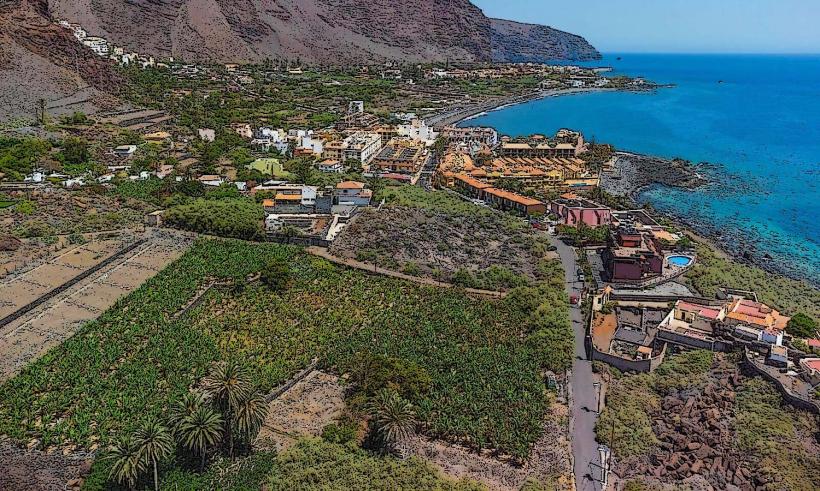
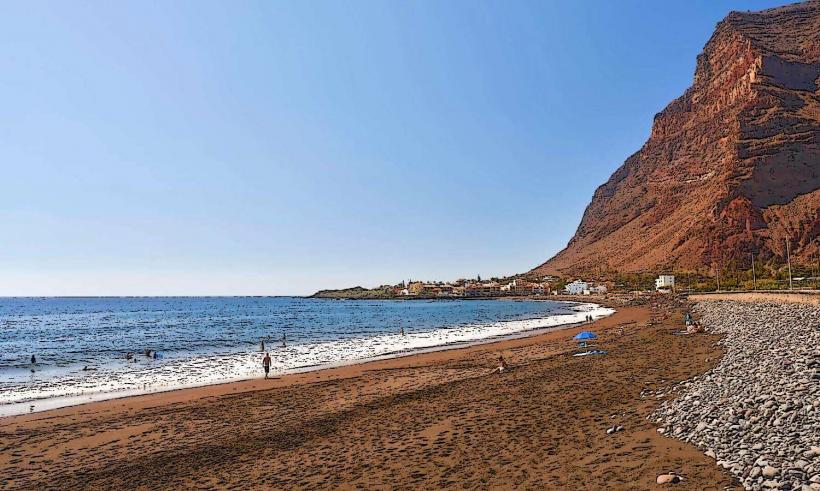
- Valle Gran Rey: Approximately 15km Southwest
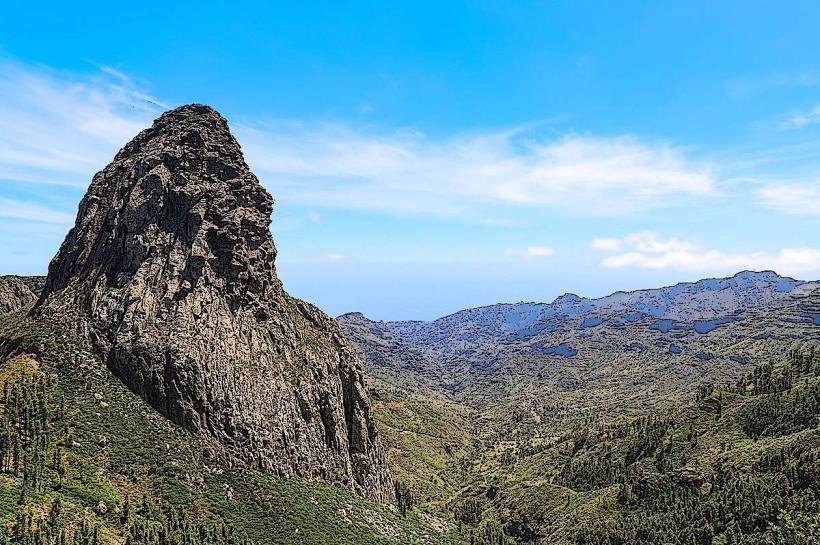
- Roque Agando: Approximately 5km Southeast
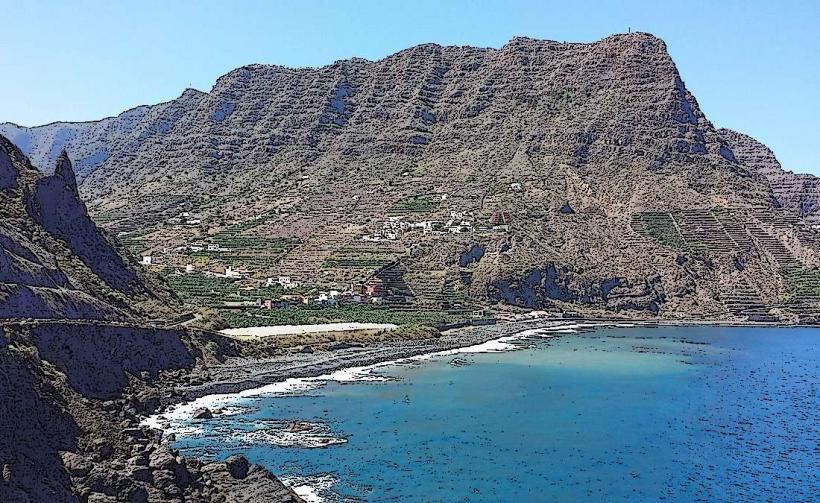
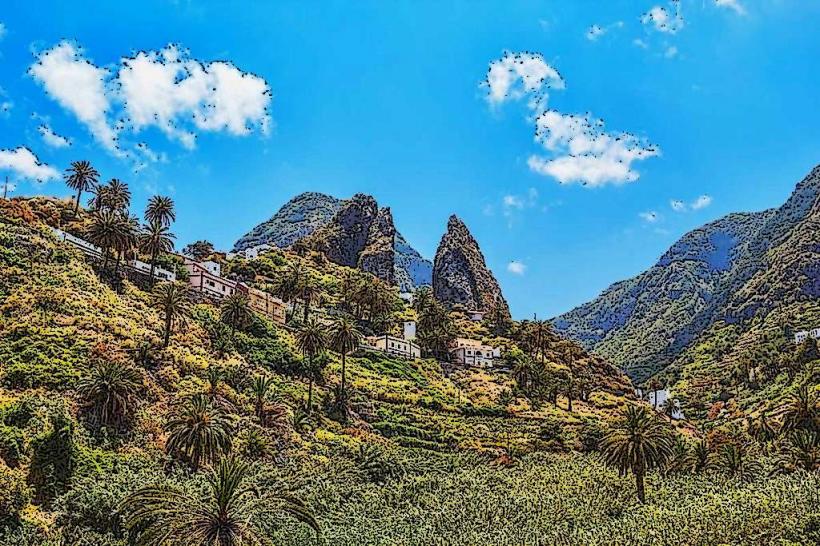
- Hermigua Valley: Approximately 8km Northeast
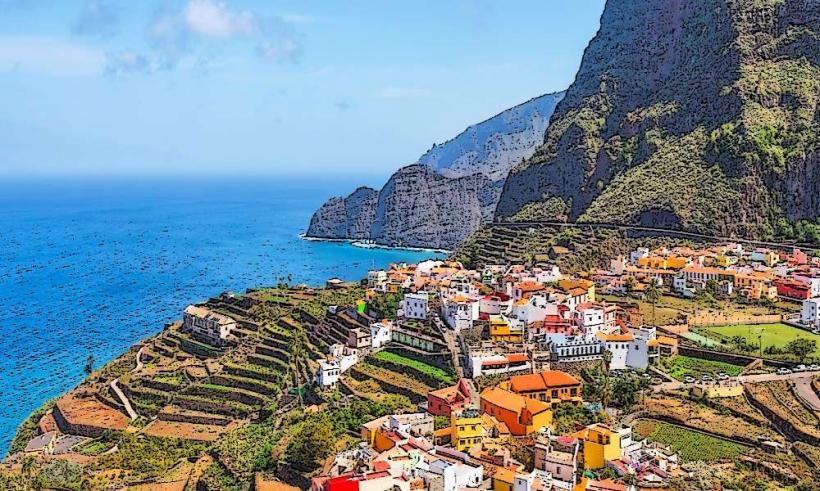
- Agulo: Approximately 7km North
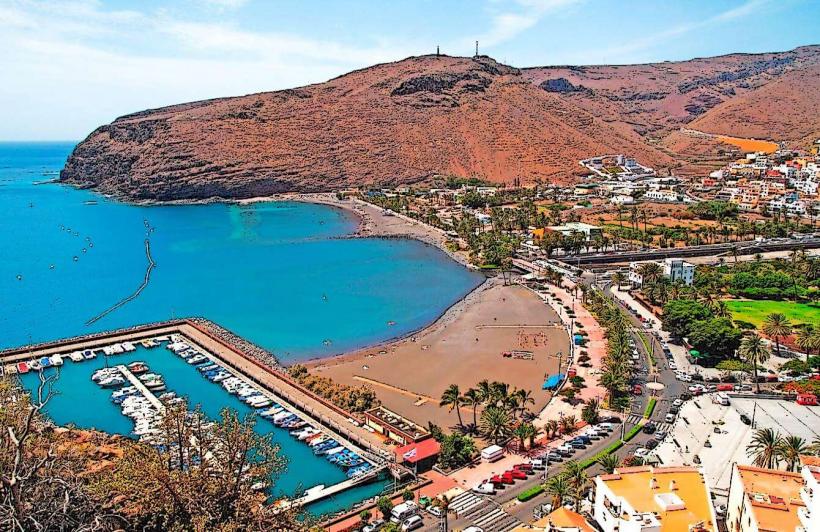
- San Sebastián de La Gomera: Approximately 20km East