Information
Landmark: Roque de AgandoCity: La Gomera
Country: Canary Islands
Continent: Europe
Roque de Agando, La Gomera, Canary Islands, Europe
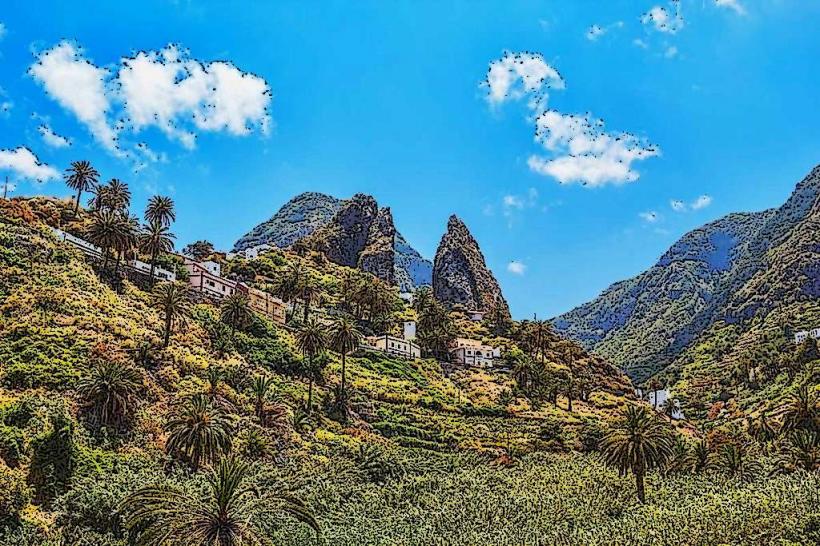
Roque de Agando is a prominent volcanic plug located on the island of La Gomera in the Canary Islands. It stands as one of the most recognizable natural monuments within the Garajonay National Park.
Visual Characteristics
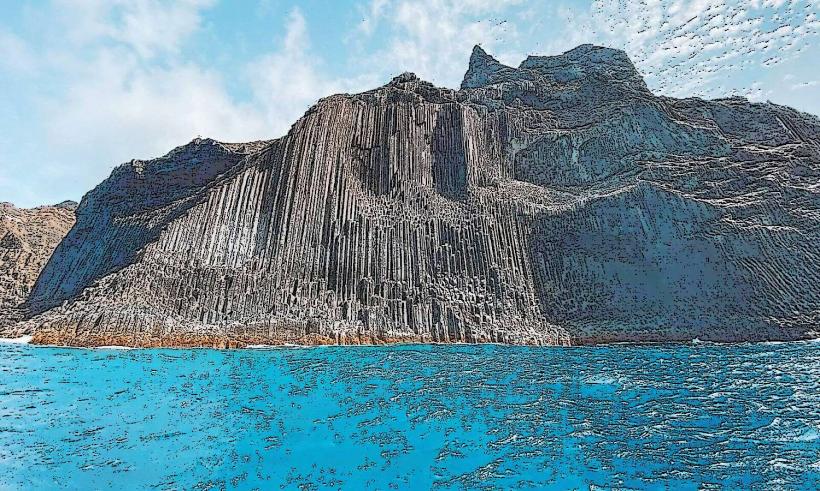
The Roque de Agando is a dark grey basaltic rock formation, characterized by its steep, almost vertical walls. It rises approximately 1,250 meters above sea level, with a distinctive, somewhat conical shape that tapers towards its summit. The rock face exhibits visible erosion patterns and sparse vegetation clinging to crevices.
Location & Access Logistics
The Roque de Agando is situated centrally on La Gomera, directly adjacent to the GM-2 highway, which connects San Sebastián de La Gomera to Valle Gran Rey. It is approximately 15 kilometers west of San Sebastián de La Gomera. A designated parking area is available off the GM-2 near the base of the rock, offering direct views. Public bus line 1, operating between San Sebastián and Valle Gran Rey, has a stop within walking distance of the main viewpoint.
Historical & Ecological Origin
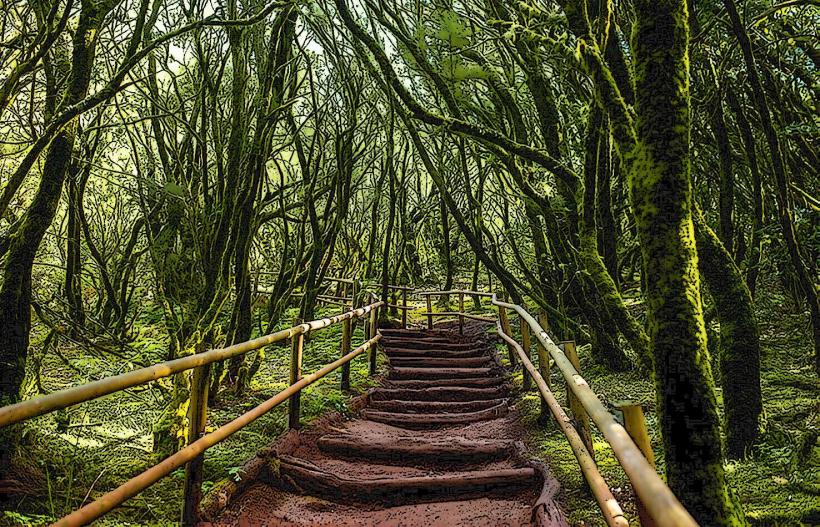
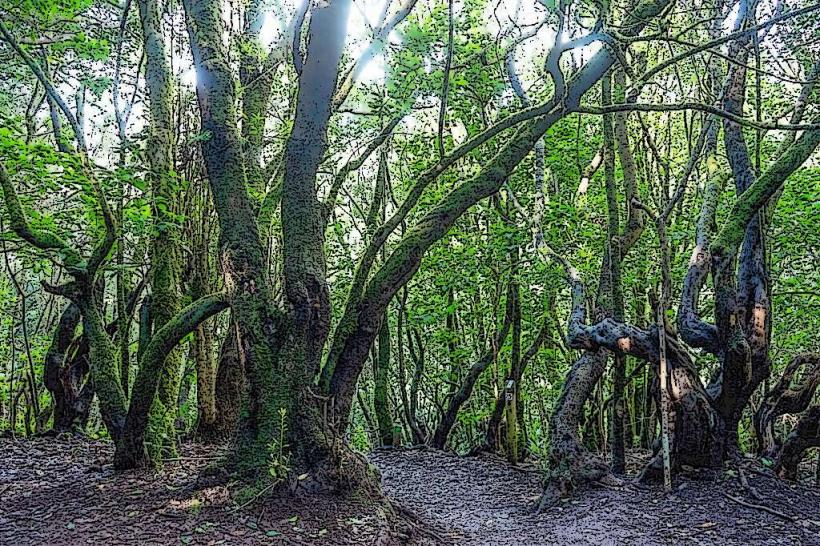
This geological formation is a volcanic plug, also known as a neck, formed by the erosion of softer rock surrounding a solidified magma conduit. It dates back millions of years, representing the remnants of an ancient volcanic eruption. The surrounding area is classified as laurel forest, part of the UNESCO World Heritage Site of Garajonay National Park.
Key Highlights & Activities
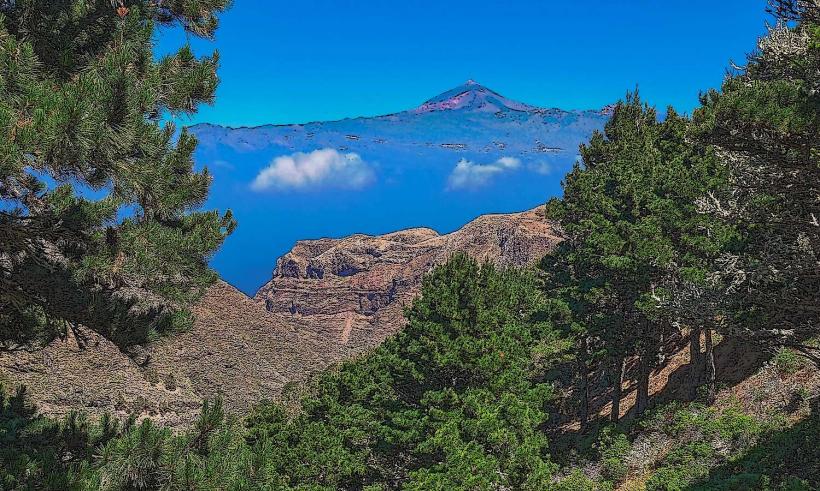
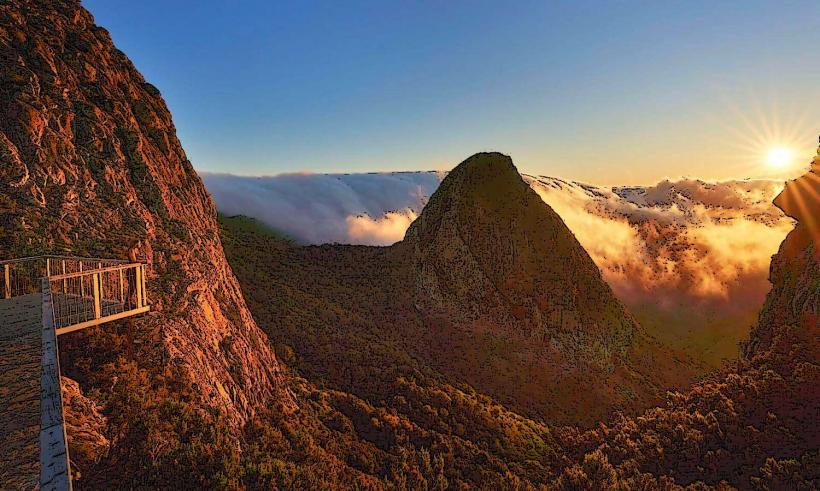
The primary activity is observation from designated miradores (viewpoints) along the GM-2 highway, offering panoramic vistas of the rock and the surrounding landscape. Several marked hiking trails traverse the area around the base of the Roque de Agando, providing different perspectives. Rock climbing on the Roque itself is strictly prohibited due to its protected status as a natural monument.
Infrastructure & Amenities
No dedicated restrooms or permanent shade structures are present directly at the Roque de Agando viewpoint. Cell phone signal (4G) is generally available in the vicinity. Basic food and beverage services are available at nearby restaurants along the GM-2, such as those in the village of Degollada de Peraza, approximately 1 kilometer south.
Best Time to Visit
The best time to visit for photography is during the early morning or late afternoon when the sun casts long shadows, highlighting the rock's texture and creating dramatic lighting. The months from April to October generally offer the most stable weather conditions, with less fog and clearer skies, though fog can occur at any time due to the island's unique climate.
Facts & Legends
The Roque de Agando holds significant cultural importance for the Gomerans, often considered a sacred site by the island's aboriginal inhabitants, the Guanches. It is one of the four 'Roques' (Agando, Ojila, Zarcita, Carmona) that are emblematic of the island's volcanic landscape and are visible from various points across La Gomera.
Nearby Landmarks
- Mirador de Degollada de Peraza: 1 km South
- Roque de La Zarcita: 2 km West
- Roque de Carmona: 2.5 km West
- Garajonay National Park Visitor Center (Juego de Bolas): 5 km North-West