Information
Landmark: Malecón de Santo DomingoCity: Santo Domingo
Country: Dominican Republic
Continent: North America
Malecón de Santo Domingo, Santo Domingo, Dominican Republic, North America
Overview
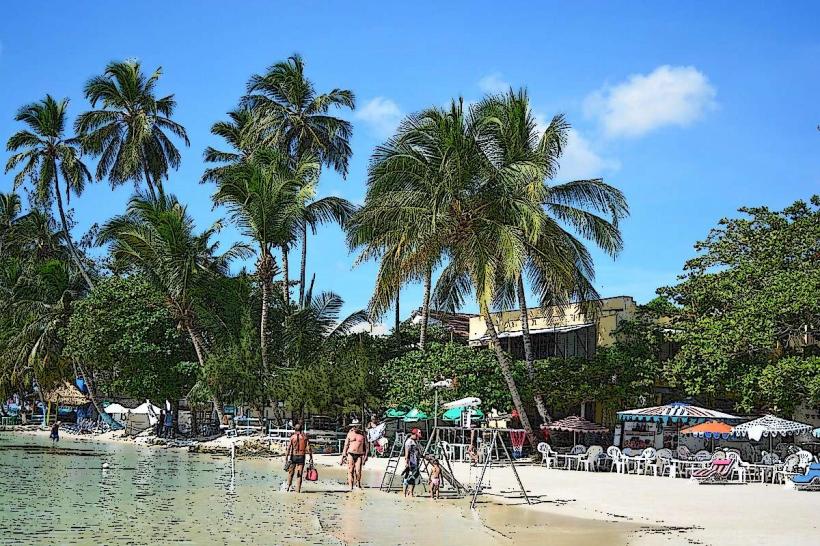
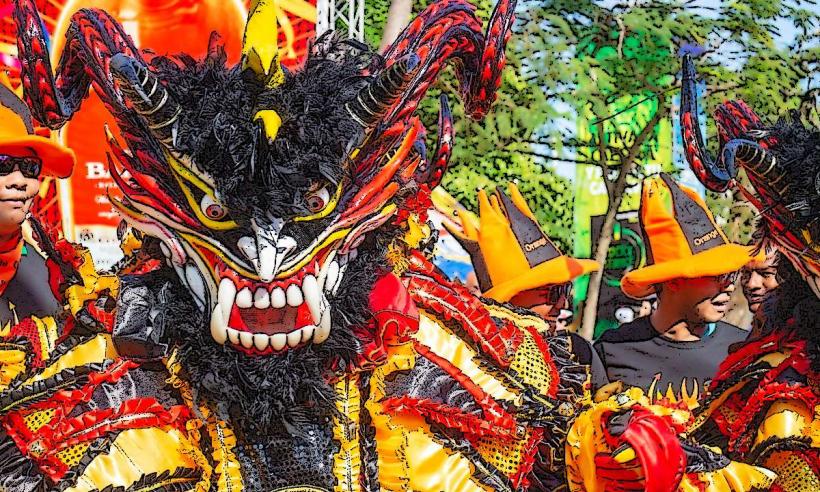
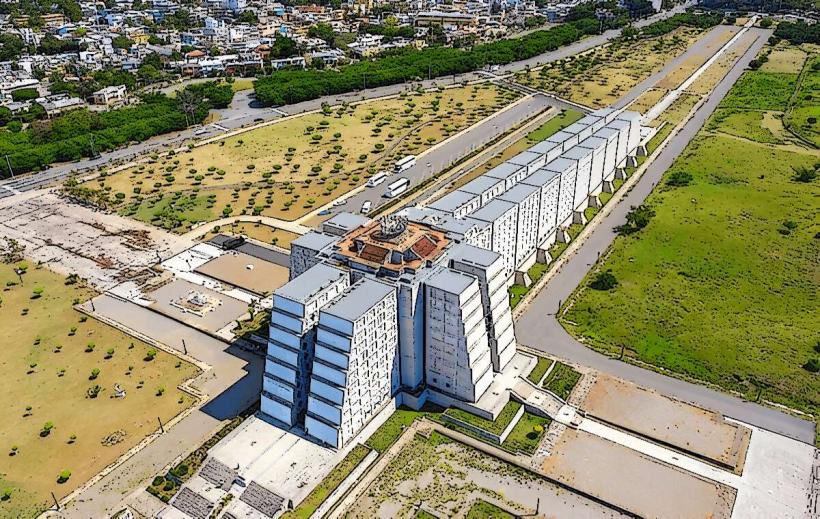
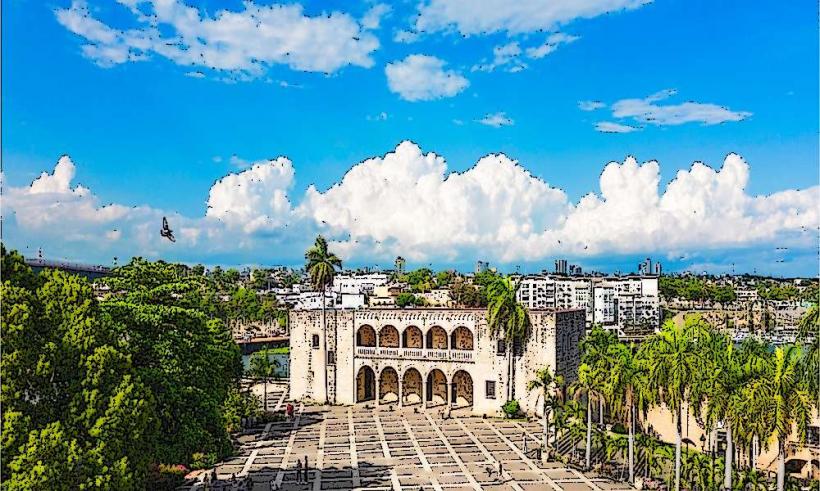
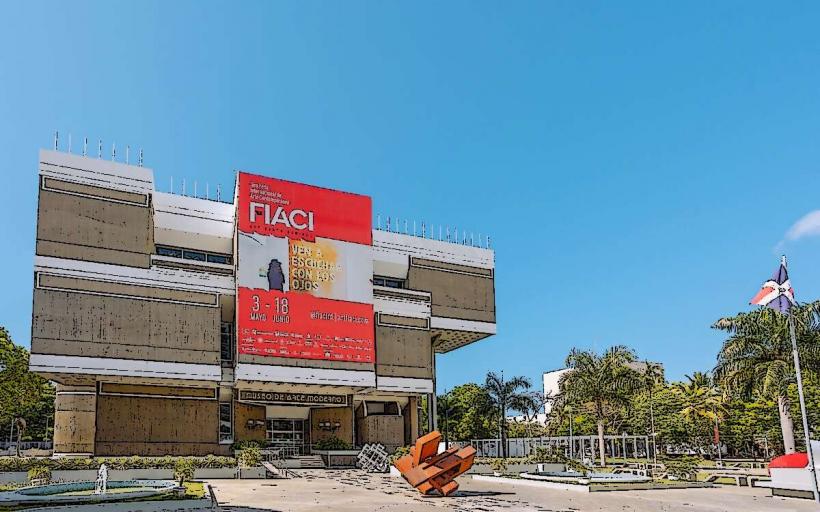
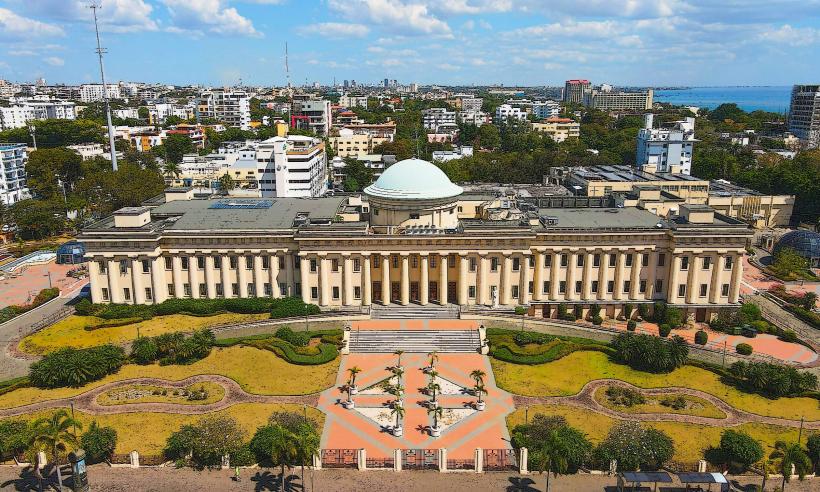
The Malecón de Santo Domingo, or Santo Domingo Seafront, winds for miles along the city’s northern shore, where waves slap against the seawall and the breeze carries a hint of salt, not only that this beloved city landmark draws locals and visitors alike, inviting them to linger on its paths, breathe in the salt air, and take in sweeping views of the Caribbean Sea.The Malecón bursts with energy, steeped in history and lined with turquoise waves, making it a heartbeat of the capital, likewise the Malecón took shape in the mid-20th century, built to strengthen the city’s coastal defenses and open a broad walkway where people could stroll beside the crashing waves.Over the years, the area has grown into one of Santo Domingo’s top spots for recreation and culture, in conjunction with what began as a narrow strip along the water has been widened and updated, and now the Malecón runs about 7 kilometers (4.3 miles) from the Colonial Zone to bustling Avenida George Washington, one of the city’s main arteries.From the Malecón, you can watch the turquoise Caribbean stretch to the horizon and waves glint in the sun, a sight that draws people for unhurried strolls both under the midday light and in the warm glow of evening, likewise a salty sea breeze drifts over the waterfront avenue, where the horizon stretches wide and shining, pulling in locals and tourists from morning till night, fairly Come evening, the Malecón glows under fiery sunsets, a magnet for anyone hoping to catch that perfect splash of color, simultaneously scattered along its length, monuments and statues stand as quiet storytellers of the nation’s history and culture.One standout is the Columbus Lighthouse (Faro a Colón), a massive monument you can spot from the Malecón, its white walls catching the afternoon sun, what’s more it honors Christopher Columbus, holding the explorer’s remains along with his family’s, resting in a marble tomb.The lighthouse doubles as a cultural and historical museum, while at the eastern tip of the Malecón stands the Monument to the Heroes of the Restoration, honoring those who fought in the late 19th-century war against Spain, in turn nearby, the Statue of Juan Pablo Duarte pays tribute to the nation’s founding father, often placed in prominent spots along the waterfront.Scattered between these landmarks are slight parks and open spaces where you can pause on a bench and feel the salt breeze drift in from the sea, besides in some spots, you’ll find gardens blooming beside sculptures and quiet benches-just right for a pause or an unhurried stroll.Along the Malecón, art galleries and cultural centers host exhibitions, live performances, and other events that bring the area to life, equally important just a short meander away, the Museo de Arte Moderno stands as one of the city’s most critical cultural landmarks.Along the breezy Malecón, you’ll find open spaces where locals jog, pedal past the sea, or kick a ball on the grass, adding to the area’s easygoing, health‑minded vibe, and lining the waterfront, restaurants, cafés, and lively bars serve everything from rich, unhurried‑cooked Dominican stews to fresh international fare.Many of these places offer outdoor tables where you can feast with the sea breeze on your face and watch the waves roll in, in turn as night falls, the Malecón lights up with music, dancing, and the lively energy that makes it one of Santo Domingo’s favorite nightlife spots, kind of Along the shore, you’ll stumble upon lively beach clubs, bars pulsing with live bands, and spots where merengue and bachata spill into the night air, then the Malecón also hosts tiny shopping centers where you can pick up handwoven baskets, sparkling shirts, and other local souvenirs.Near the western end of the Malecón, spots like Galería 360 and Blue Mall draw shoppers with sleek designer boutiques and huge-name luxury brands, their polished glass fronts catching the afternoon sun, simultaneously just steps away, street vendors call out over the hum of traffic, offering everything from hand‑woven bracelets to warm empanadas and colorful souvenirs, occasionally The Malecón also boasts luxury hotels and resorts, many with sweeping ocean views and amenities that make you want to linger, meanwhile these hotels welcome both business and leisure guests, and you’ll often perceive them buzzing with conferences, lively wedding receptions, or corporate events.Travelers often book into the Hotel Jaragua, the InterContinental Real Santo Domingo, or the Catalonia Santo Domingo, equally important just down the road, the Malecón buzzes with music and dazzling banners during the city’s biggest annual festivals and public gatherings.As far as I can tell, Highlights along the Malecón include February’s Dominican Carnival, when the waterfront bursts with lively parades, swirling dancers, and costumes shining as tropical flowers, as well as music festivals, art shows, and open-air concerts that draw crowds of locals and visitors alike, therefore events often revolve around local music-merengue, bachata, salsa-filling the air with quick drumbeats and glowing brass, and they frequently showcase Dominican performers.On national holidays like Independence Day (February 27) and Restoration Day (August 16), the Malecón comes alive with fireworks, public ceremonies, and rich cultural displays, as a result nearby, the towering Faro a Colón, or Columbus Lighthouse, stands as a tribute to Christopher Columbus and holds his tomb.Mind you, The site offers museums and exhibitions on the history of the Americas, while the Acuario Nacional, just east of the Malecón, displays Caribbean marine life-from flashing schools of silver fish to colorful exotic species, also south of the Malecón, Parque Mirador del Sur stretches wide with shaded walking paths, bike trails, and sports facilities perfect for a day outdoors, for the most part The Malecón itself runs along Santo Domingo’s northern coast, following Avenida George Washington from Parque Colón to Parque Independencia, in addition it’s lively all year, but early mornings or late afternoons, when the breeze feels cooler, are the best times to visit.As it turns out, Evening’s a perfect time to go if you love lively music and the glow of the sun sinking into the sea, likewise the Malecón feels risk-free, but keep an eye on your surroundings, especially once the sky turns gloomy.Stay in well-lit spots and steer clear of empty stretches of the street once night falls, especially along the Malecón de Santo where the lamps cast long, wavering shadows.
Author: Tourist Landmarks
Date: 2025-09-08