Information
Landmark: Minneapolis Sculpture GardenCity: Minneapolis
Country: USA Minnesota
Continent: North America
Minneapolis Sculpture Garden, Minneapolis, USA Minnesota, North America
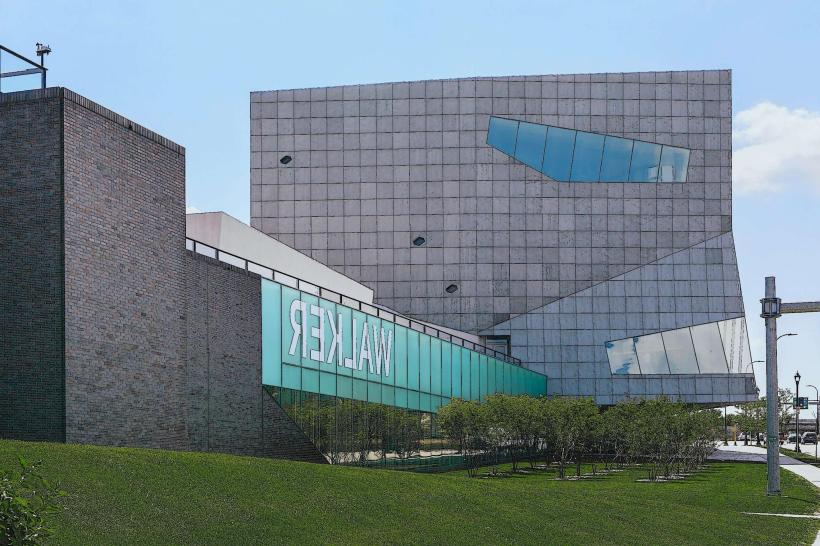
The Minneapolis Sculpture Garden is a nationally renowned cultural landmark that seamlessly blends contemporary art with thoughtfully designed green space. Located in the heart of Minneapolis, it sits adjacent to the Walker Art Center and forms part of a larger 19-acre campus dedicated to modern and contemporary art, public engagement, and environmental sustainability.
Historical Background
Established in 1988, the Minneapolis Sculpture Garden was one of the first major urban sculpture parks in the United States. It was a collaborative effort between the Walker Art Center and the Minneapolis Park & Recreation Board. The initial 7.5-acre garden was designed by architect Edward Larrabee Barnes and landscape architects Quinnel & Rothschild, with a vision to provide the public free access to large-scale artworks in a natural setting.
In 1992, the garden expanded to 11 acres with additional sculptures, walkways, and amenities. In 2017, a major $10 million renovation project was completed. This renewal focused on ecological improvements, ADA accessibility, and integrating new art installations. The redesign by landscape architects Michael Van Valkenburgh Associates prioritized sustainability, resiliency, and landscape aesthetics while preserving the garden’s core identity.
Layout and Design Features
The Minneapolis Sculpture Garden is arranged with both formal and natural elements that create a sense of flow and thematic cohesion:
Geometric “outdoor rooms” framed by trimmed hedges contain sculptures and allow for quiet, reflective spaces.
Open lawns and meadows offer sweeping views of large-scale installations.
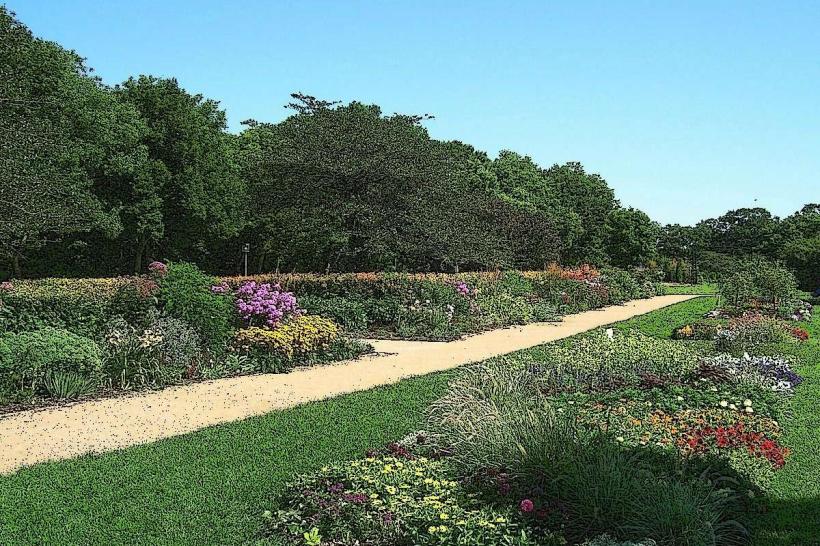
A 300-foot long arbor known as the Alene Grossman Memorial Arbor lines the western edge of the garden and features a beautiful perennial flower garden.
Pathways are fully ADA accessible and invite leisurely walks, offering multiple entry points from adjacent neighborhoods and downtown Minneapolis.
Artistic Highlights
The Sculpture Garden showcases more than 40 sculptures by acclaimed national and international artists. The collection rotates periodically to incorporate new works, but several pieces have become permanent icons:
Spoonbridge and Cherry by Claes Oldenburg and Coosje van Bruggen: This massive pop-art sculpture features a 52-foot spoon with a bright red cherry perched on its tip, symbolizing whimsy and regional identity. The cherry also functions as a fountain, and water collected from it is now reused for irrigation thanks to a sustainable cistern system beneath the garden.
Hahn/Cock by Katharina Fritsch: A striking 25-foot bright blue rooster that stands in humorous contrast to the classical garden setting, sparking discussion on gender roles and symbolism.
Love by Robert Indiana: One of the most iconic American pop art pieces, the sculpture spells out the word “LOVE” in capital letters with a tilted "O".
Arikidea by Mark di Suvero: A kinetic steel sculpture that interacts with the wind and invites visual exploration from multiple angles.
Other works by artists like Louise Bourgeois, Sol LeWitt, Ellsworth Kelly, Jenny Holzer, and Kris Martin further enrich the garden’s modernist and postmodernist identity.
Sustainability and Environmental Design
One of the most significant features of the 2017 renovation was the integration of green infrastructure:
An 80,000-gallon underground cistern captures rainwater and recycles water from the Spoonbridge and Cherry fountain for irrigation.
Native plantings reduce the need for chemical treatments and support local biodiversity.
Permeable surfaces throughout the garden help manage stormwater runoff.
The garden was realigned to support both artistic display and environmental functionality, making it one of the most eco-conscious sculpture parks in the country.
Events and Community Engagement
The Minneapolis Sculpture Garden is a vibrant venue for community activities, art tours, performances, and photography. Some of the recurring highlights include:
Public art tours hosted by the Walker Art Center, offering insight into the artworks and artists.
Family-friendly events like summer workshops, open-air performances, and art-themed scavenger hunts.
Seasonal changes bring a different ambiance year-round-lush greenery in summer, brilliant fall foliage, and dramatic snow-draped sculptures in winter.
The garden is also a popular spot for wedding photography, yoga classes, school field trips, and casual social gatherings.
Accessibility and Visitor Experience
Free admission every day, year-round.
Well-marked pathways are wheelchair accessible.
Multiple entrances from Hennepin Avenue, Vineland Place, and the Irene Hixon Whitney Bridge, which connects to downtown and the Loring Park neighborhood.
Parking is available at the Walker Art Center ramp, with additional metered parking nearby.
Restrooms, drinking fountains, and benches are available throughout or nearby at the Walker campus.
Relationship with the Walker Art Center
The garden is directly connected to the Walker Art Center, one of the nation’s most innovative contemporary art museums. Visitors often pair a visit to the garden with indoor exhibitions, film screenings, or meals at the Walker’s restaurant.
Together, the Minneapolis Sculpture Garden and the Walker Art Center form a world-class hub for art lovers, tourists, and local residents seeking inspiration and open-air cultural immersion.
Summary
The Minneapolis Sculpture Garden is a dynamic fusion of art, nature, and urban design. It exemplifies how public spaces can foster creativity, contemplation, and community while embracing sustainability and accessibility. With iconic artworks, beautiful landscaping, and a commitment to cultural enrichment, it stands as a shining example of Minneapolis’s identity as a city of art and green innovation.