Information
Landmark: Stone Arch BridgeCity: Minneapolis
Country: USA Minnesota
Continent: North America
Stone Arch Bridge, Minneapolis, USA Minnesota, North America
The Stone Arch Bridge is one of Minneapolis’ most iconic landmarks, celebrated for its historical significance, elegant architecture, and scenic location over the Mississippi River. It is the only bridge of its kind to span the river-a legacy of the city’s industrial past and its vital connection to the railroad, flour milling, and river commerce.
Historical Background
The Stone Arch Bridge was commissioned by James J. Hill, the powerful railroad magnate and founder of the Great Northern Railway. Constructed between 1881 and 1883, it was built to facilitate direct rail access to the west bank of Minneapolis and to improve connections for flour shipments from the city’s milling district. The bridge was a critical link in the growing railway empire of the Upper Midwest and played a key role in Minneapolis becoming the world’s flour milling capital.
Originally used exclusively by railroads, the bridge carried passenger and freight trains for over a century before being retired from active rail service in 1978. In the 1990s, it was restored and repurposed as a pedestrian and bicycle bridge, becoming part of the St. Anthony Falls Heritage Trail and a symbol of urban renewal.
Design and Structure
Length: 2,100 feet
Width: 28 feet
Arches: 23 stone arches
Construction Materials: Locally quarried granite and limestone
Design Type: Masonry arch bridge
Built with stone masonry, the bridge was a marvel of 19th-century engineering. Its sweeping arches, massive abutments, and symmetry make it not only durable but visually majestic. It gracefully curves across the river with a slight bend, aligning it with the old railway approach.
One of the bridge’s key engineering features is how it integrates with the St. Anthony Falls Lock and Dam system. It spans the Mississippi just downstream of the only waterfall on the river-St. Anthony Falls-and is closely tied to the historic water-powered mills that once dominated the riverfront.
Cultural and Recreational Role
Today, the Stone Arch Bridge is one of the most popular pedestrian and biking paths in the Twin Cities. It offers a direct connection between the Mill District on the west bank and Father Hennepin Bluff Park and Nicollet Island on the east bank, linking cultural, recreational, and residential areas.
Key uses include:
Scenic Walks and Photography: The bridge provides breathtaking panoramic views of the Minneapolis skyline, St. Anthony Falls, the Mill City Museum, the Guthrie Theater, and the historic riverfront mills.
Biking and Running: Integrated into the Grand Rounds Scenic Byway and numerous local trails.
Festivals and Events: Hosts community events such as Stone Arch Bridge Festival, an annual summer art and music celebration.
Interpretive Signage: Along the bridge and its approaches, visitors will find plaques and historical panels describing the milling history, bridge construction, and James J. Hill’s role.
Surrounding Attractions
St. Anthony Falls: Visible directly from the bridge, this is the only natural major waterfall on the Mississippi River, though now partially controlled by a dam.
Mill Ruins Park: Directly adjacent to the bridge’s western end, showcasing excavated foundations of former flour mills and waterworks.
Father Hennepin Bluff Park: A peaceful, wooded green space on the east bank with walking trails, picnic areas, and river overlooks.
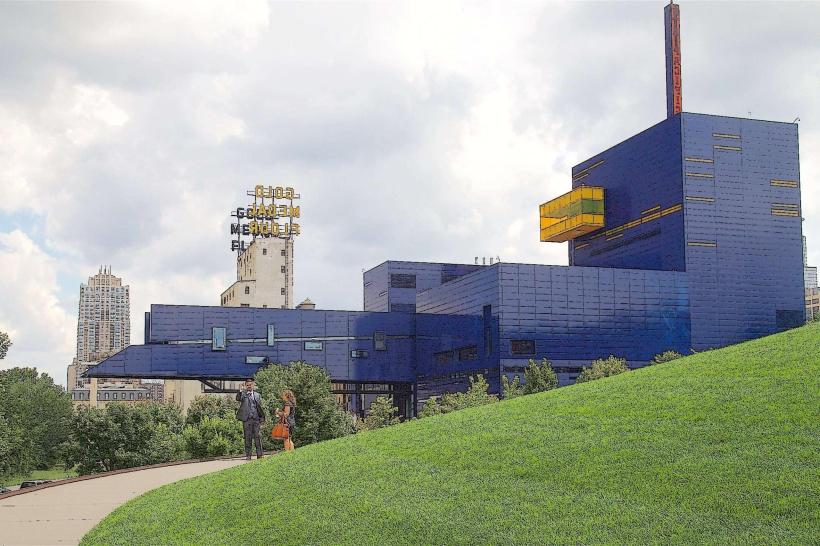
Guthrie Theater: A short walk away, known for its blue tower and modern design.
Mill City Museum: Located in the former Washburn A Mill, offering rich interpretation of the milling era.
Water Power Park: An island viewpoint near the falls, often open seasonally.
Preservation and Recognition
The bridge is listed on the National Register of Historic Places and is maintained by the Minnesota Department of Transportation and the Minneapolis Park and Recreation Board. Its restoration is a model of successful urban preservation and repurposing, turning former industrial infrastructure into public cultural space.
It also serves as a powerful visual reminder of the city’s origins-where water, industry, and innovation converged.
Visitor Tips
Best Time to Visit: Early morning or evening for golden light, skyline reflections, and fewer crowds.
Photography: Ideal for both landscape and architectural shots; a top spot for wedding and engagement photos.
Seasonal Views: The bridge is open year-round; autumn offers beautiful fall colors, while winter can provide icy, dramatic scenes.
Accessibility: Fully paved and wheelchair-accessible; benches and interpretive signs along the way.
Parking: Available near Mill City Museum or Father Hennepin Park; walking distance from downtown.
The Stone Arch Bridge is more than a historic crossing-it’s a living thread in Minneapolis’ past and present. From trains hauling flour to tourists admiring sunsets, its enduring arches continue to connect people, stories, and communities.