Information
Landmark: Guthrie TheaterCity: Minneapolis
Country: USA Minnesota
Continent: North America
Guthrie Theater, Minneapolis, USA Minnesota, North America
The Guthrie Theater in Minneapolis, Minnesota, is one of the most prestigious regional theaters in the United States. It is not just a performance venue but a cultural institution with national significance, blending classical theatrical traditions with modern innovation and community engagement. Below is a detailed exploration of its history, architecture, artistic mission, facilities, and ongoing impact.
1. Historical Background
The Guthrie Theater was founded in 1959 by Sir Tyrone Guthrie, a prominent British director who envisioned a new type of theater in North America-one that would be artistically ambitious, focused on classic plays, and free from the constraints of commercial Broadway productions. He was joined by producer Oliver Rea and administrator Peter Zeisler.
The original theater opened on May 7, 1963, with a landmark production of Hamlet directed by Guthrie himself. Located on the University of Minnesota campus, the venue quickly garnered national and international acclaim, establishing a model for professional regional theaters throughout the country.
2. Architectural Significance
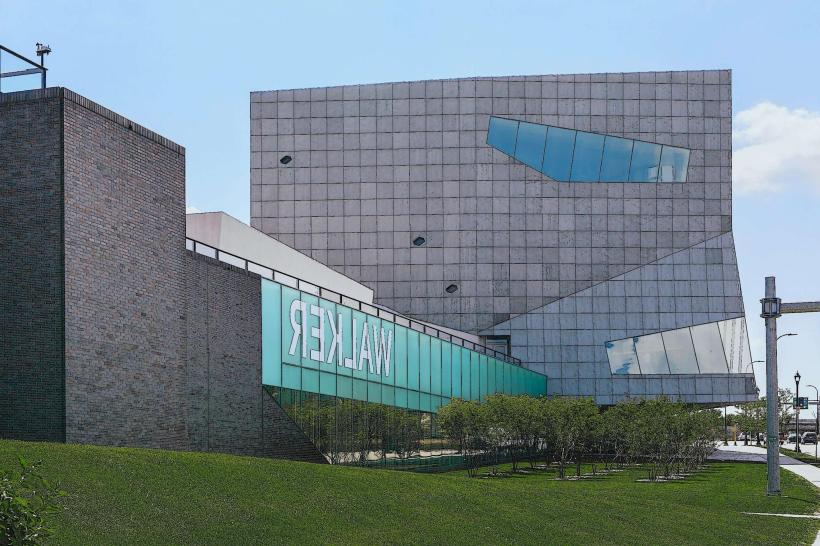
In 2006, the Guthrie moved to its current location on the banks of the Mississippi River in downtown Minneapolis. The new building was designed by the renowned French architect Jean Nouvel, known for bold, modernist structures. The design reflects both theatrical and industrial aesthetics, in keeping with the neighboring Mill District.
Key architectural features include:
Three distinct theaters:
Wurtele Thrust Stage (1,100 seats): A continuation of the classic thrust stage pioneered in the original Guthrie.
McGuire Proscenium Stage (700 seats): A traditional proscenium arch theater.
Dowling Studio (200 seats): A flexible black-box space for new works and experimental productions.
Endless Bridge: A 178-foot cantilevered walkway extending over West River Parkway, offering panoramic views of the Mississippi River and St. Anthony Falls.
Blue exterior: The deep cobalt blue façade is iconic and features images of past performances printed on translucent panels.
3. Artistic Vision and Programming
From the beginning, the Guthrie has pursued a clear artistic vision: to present classic plays with fresh interpretations, while also promoting new voices in theater.
Core Elements of the Guthrie’s Artistic Work:
Shakespeare and the Classics: Central to every season, with regular stagings of works by Shakespeare, Chekhov, Ibsen, and others.
New Works: Though rooted in the classics, the Guthrie commissions and premieres contemporary works that reflect modern social issues and diverse perspectives.
Education and Training: It offers extensive educational programming, including school matinees, artist residencies, workshops, and summer acting intensives.
Community Engagement: Through subsidized ticket programs, outreach initiatives, and partnerships with local organizations, the Guthrie ensures access to theater across all demographics.
4. Key Milestones
1982: Awarded the prestigious Regional Theatre Tony Award, recognizing excellence outside of Broadway.
2006: Opens its new riverfront complex with expanded performance and public spaces.
2015–present: Under the leadership of Artistic Director Joseph Haj, the theater has deepened its commitment to diversity, equity, and inclusion in casting, play selection, and staffing.
5. Visitor Experience and Amenities
The Guthrie Theater is open to the public beyond just performances. It offers:
Guided building tours: Showcasing the backstage areas, architectural highlights, and theater history.
Target Lounge and Level Five Café: Dining and drinks with views of the city and river.
Guthrie Store: Offers theater merchandise, books, and locally crafted goods.
Art and photo installations: Public spaces include dramatic imagery, theatrical costumes, and multimedia exhibitions.
6. Cultural and Civic Role
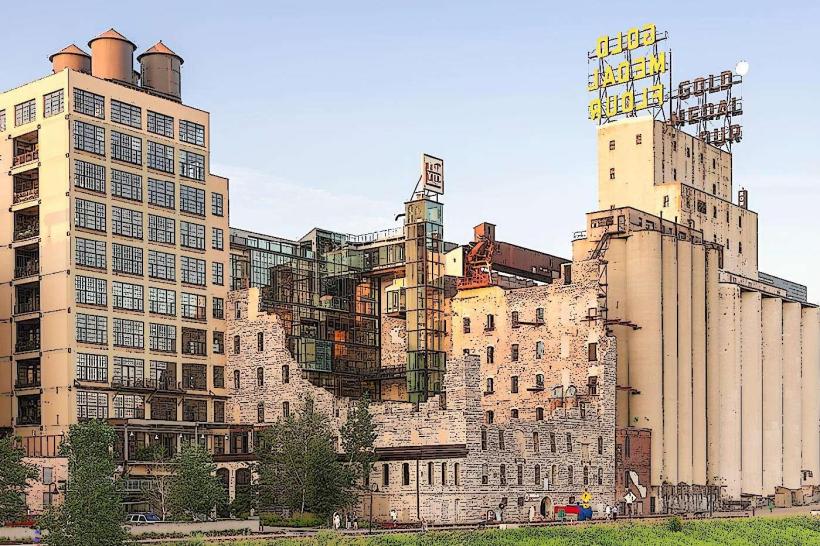
The Guthrie is more than a theater-it is a cornerstone of Minneapolis's civic and cultural life. It anchors the Mill District redevelopment, sits adjacent to landmarks like the Mill City Museum, and contributes to downtown vitality.
It also fosters:
Economic impact: Drawing thousands of visitors annually, supporting restaurants, hotels, and businesses.
Artistic leadership: Serving as a model and mentor to smaller theaters and performing arts organizations regionally and nationally.
Cultural diplomacy: Through touring productions, international collaborations, and artist exchanges, the Guthrie participates in global conversations about theater and art.
7. Sustainability and Innovation
The Guthrie’s new facility was constructed with a focus on sustainability and accessibility. It includes:
Energy-efficient systems
Recycled and locally sourced materials
ADA-compliant design
Open, accessible public areas to encourage year-round use by locals and tourists alike
The theater has also embraced digital tools, including streaming of select performances, online workshops, and virtual education platforms-especially relevant during and after the COVID-19 pandemic.
8. Notable Productions and Collaborations
Over the decades, the Guthrie has hosted and produced legendary performances and artists, including:
The Tempest, A Midsummer Night’s Dream, Death of a Salesman, and A Streetcar Named Desire in reimagined stagings.
Collaborations with international companies and playwrights such as Tony Kushner, Athol Fugard, and Tom Stoppard.
Hosting premieres of new American plays and fostering emerging playwrights through partnerships and residencies.
9. Tips for Visitors
Book early: Popular shows sell out quickly, especially around holidays.
Visit the Endless Bridge at sunset for breathtaking photos.
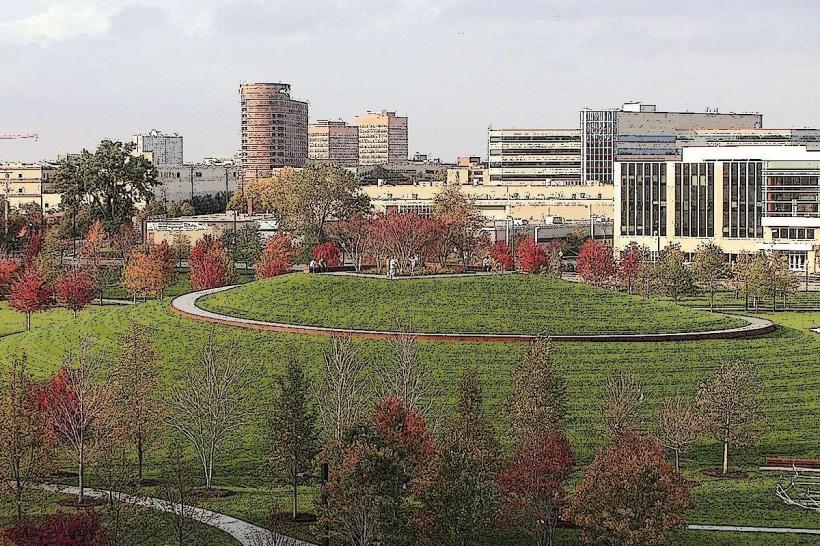
Explore the Mill District: Combine your visit with nearby attractions like the Stone Arch Bridge, Mill City Museum, and Gold Medal Park.
Arrive early to explore exhibitions, grab a drink, and appreciate the architectural spaces.
Check for student and rush tickets: The Guthrie offers excellent discounts to make theater more accessible.
The Guthrie Theater stands as a beacon of theatrical excellence, architectural beauty, and civic pride. It honors the legacy of its founder by continuing to reimagine what theater can be: inclusive, engaging, and artistically bold.