Information
Landmark: First AvenueCity: Minneapolis
Country: USA Minnesota
Continent: North America
First Avenue, Minneapolis, USA Minnesota, North America
First Avenue, located at 701 First Avenue North in downtown Minneapolis, Minnesota, is an iconic and historic music venue that has played a central role in shaping the city’s vibrant cultural and music landscape for over five decades. It stands as one of the nation’s most renowned live music venues, recognized for its deep connection to Minneapolis’s music history, its support of emerging artists, and its pivotal place in the rise of legendary performers.
Historical Background
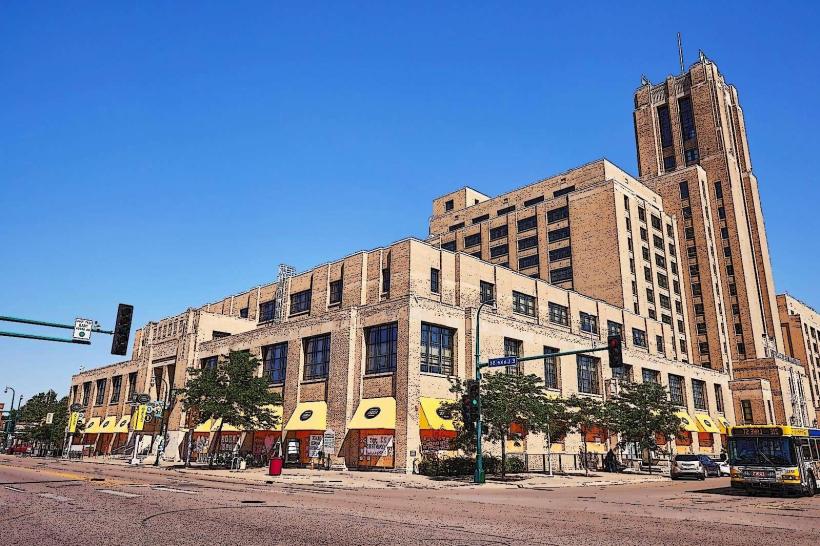
The building that houses First Avenue originally opened in 1937 as the Minneapolis Greyhound Bus Depot. In 1970, it was transformed by entrepreneur Allan Fingerhut into a nightclub dedicated to live music and dancing. From its inception, First Avenue quickly became a focal point for the Twin Cities’ burgeoning music scene, nurturing local talent and attracting national and international artists.
Its reputation skyrocketed in the 1980s when it became closely associated with Prince, Minneapolis’s most famous musician. First Avenue was prominently featured in Prince’s 1984 film Purple Rain, which used the venue as a key setting and showcased its stage. This association immortalized First Avenue as a symbol of Minneapolis’s musical identity and brought it worldwide attention.
Over the years, First Avenue has been instrumental in launching the careers of many influential acts across genres including rock, punk, hip-hop, and electronic music. Bands and artists like Hüsker Dü, The Replacements, Lizzo, Atmosphere, and many others have graced its stage, making it a cultural touchstone for the city’s diverse and evolving music scene.
Venue Layout and Features
First Avenue consists of two primary performance spaces, each designed to accommodate different types of shows and audiences:
The Mainroom: The flagship venue, this space has a capacity of approximately 1,550 people. It features a large dance floor of about 1,000 square feet, multiple fully stocked bars, and cutting-edge sound and lighting systems designed to deliver an immersive concert experience. The Mainroom’s industrial-chic aesthetic, with exposed brick walls and steel beams, reflects its history while providing a modern atmosphere.
7th St Entry: Located adjacent to the Mainroom, the 7th St Entry is a smaller, more intimate venue with a capacity of about 250 guests. It serves as a critical platform for emerging artists and local bands, fostering the next generation of music talent. The intimacy of this space allows fans to experience up-close performances and discover new music in a supportive environment.
In addition to these two venues, First Avenue is part of a broader network that includes other venues such as the Turf Club, Fine Line Music Café, The Fitzgerald Theater, and Palace Theatre, all contributing to Minneapolis’s robust live music ecosystem.
The Iconic Star Wall
One of First Avenue’s most distinctive features is its celebrated “Star Wall,” located on the building’s exterior. This wall is covered with over 400 silver stars, each bearing the name of a musician or band that has performed at the venue. The Star Wall serves both as a tribute to the artists who have contributed to First Avenue’s legacy and as a beloved photo destination for fans.
The wall includes stars honoring legendary figures such as Prince, David Bowie, Bob Dylan, and many local heroes. This public art installation symbolizes the venue’s integral role in the city’s cultural fabric and its ongoing commitment to musical excellence.
Programming and Events
First Avenue hosts an eclectic array of events, reflecting its inclusive and adventurous musical spirit. Its programming spans genres including rock, punk, indie, hip-hop, electronic, and world music. It regularly features headline tours from internationally recognized artists as well as local showcases and themed dance parties.
The venue also offers private event rentals, community gatherings, and special performances that engage diverse audiences throughout the year. First Avenue has cultivated a reputation for maintaining a welcoming and safe environment for concertgoers, emphasizing inclusivity and respect.
Special annual events, such as anniversary celebrations and benefit concerts, further solidify its role as a community anchor and cultural institution.
Visitor Information and Experience
Hours: First Avenue’s hours vary depending on scheduled events. Generally, doors open in the early evening, with performances continuing late into the night. Show times, ticket sales, and age restrictions depend on the event.
Tickets: Admission fees vary by artist and show. Tickets can be purchased through the venue’s official website, box office, or authorized outlets.
Location and Accessibility: Situated in downtown Minneapolis, First Avenue is easily accessible by public transportation, including Metro Transit bus routes and nearby light rail stations. The venue provides accommodations for guests with disabilities, including accessible entrances and restrooms.
Atmosphere: The venue maintains an energetic, inclusive atmosphere that attracts a diverse crowd ranging from longtime music fans to younger audiences discovering live performances. The combination of historic character and modern amenities offers a unique concert-going experience.
Cultural and Musical Impact
First Avenue is more than just a music venue; it is a cornerstone of Minneapolis’s cultural identity and a symbol of the city’s creative spirit. Its support of local and emerging artists has helped nurture a rich musical ecosystem, making Minneapolis a renowned music destination.
The venue’s contribution to the arts has been recognized nationally, celebrated for preserving the legacy of iconic musicians while embracing new sounds and innovative performances. First Avenue’s continuous evolution reflects the dynamic nature of live music and the community it serves.
Summary
First Avenue stands as a legendary Minneapolis institution, bridging history, culture, and music in a single dynamic space. From its origins as a bus depot to its status as a world-famous concert hall, it has championed artistic expression, supported generations of musicians, and provided unforgettable experiences for millions of concertgoers. Its iconic Star Wall and association with legendary figures like Prince anchor its legacy, while its commitment to diversity and innovation ensure it remains at the heart of Minneapolis’s music scene for years to come.