Information
Landmark: Cedar LakeCity: Minneapolis
Country: USA Minnesota
Continent: North America
Cedar Lake, Minneapolis, USA Minnesota, North America
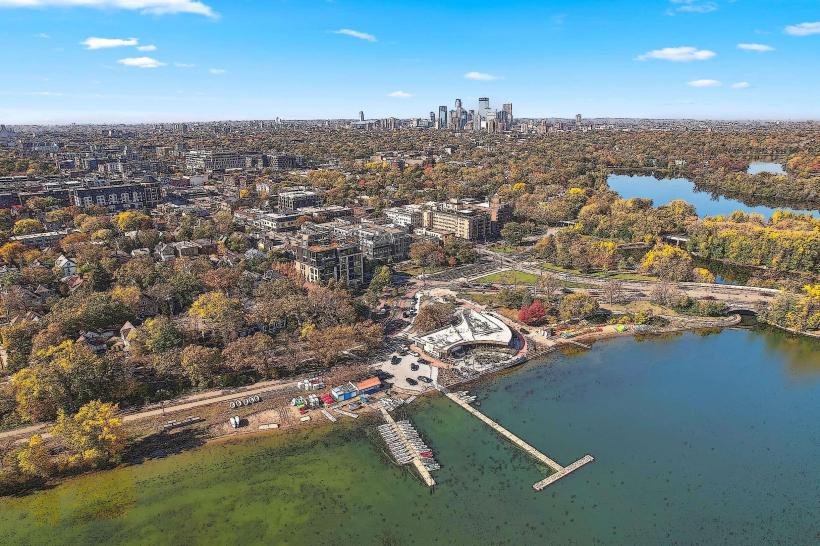
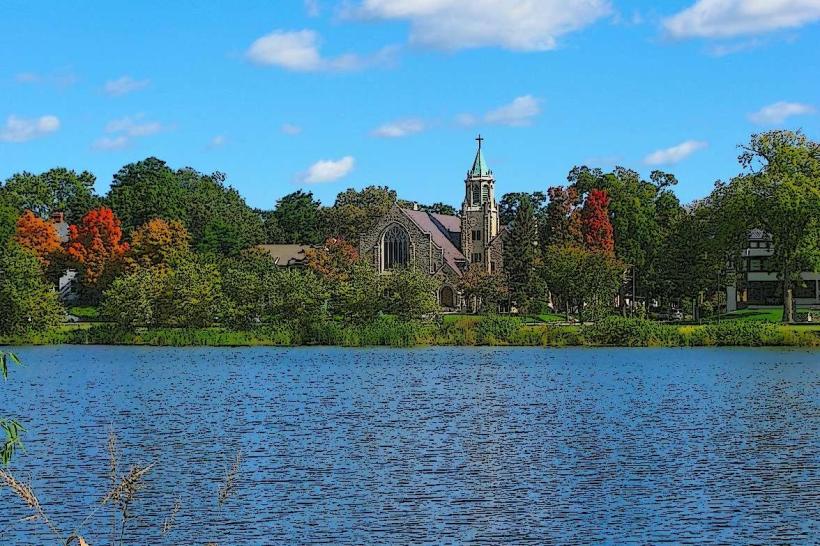
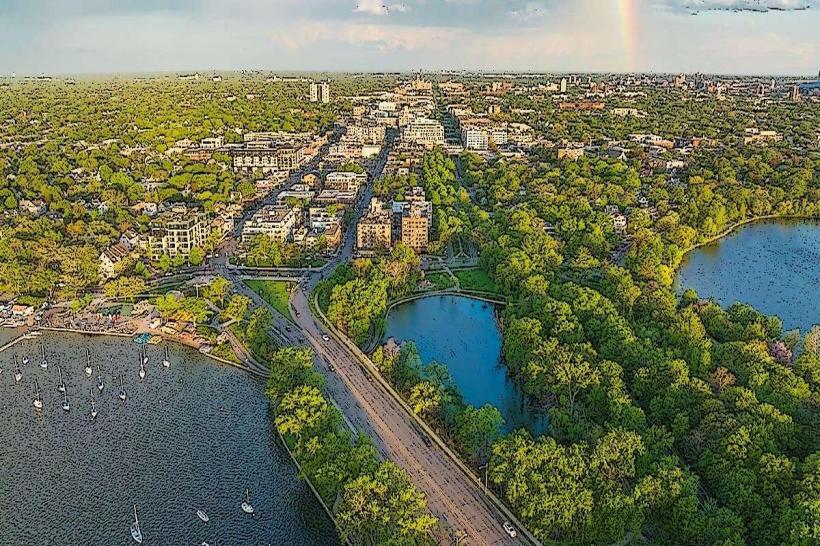
Cedar Lake is one of the most tranquil and naturally preserved lakes within Minneapolis’s Chain of Lakes, offering a peaceful alternative to the busier nearby lakes like Bde Maka Ska and Lake Harriet. Nestled between the neighborhoods of Kenwood and Bryn Mawr, Cedar Lake is known for its wooded shorelines, secluded beaches, and strong ties to local conservation and recreation.
Historical Background
Historically, Cedar Lake was a marshy area and part of a larger wetland complex before being reshaped by 20th-century dredging and park development efforts. While it was partially modified to connect with the city’s water and parkway systems, Cedar Lake retained more of its natural character compared to Lake of the Isles or Bde Maka Ska. The lake and surrounding parklands became a focal point of Horace Cleveland's “Grand Rounds” vision, integrating green spaces throughout Minneapolis.
Over time, efforts by citizens, naturalists, and the Minneapolis Park and Recreation Board have preserved the lake’s wild feel, despite urban encroachment. It remains one of the least developed lakes in the chain and a favorite of locals who prefer a quieter, more nature-oriented environment.
Layout and Natural Character
Surface Area: Roughly 169 acres of water.
Shoreline: About 2.7 miles, heavily forested and winding.
Depth: Shallower than Bde Maka Ska, with calm waters ideal for quiet boating.
Connectivity: Linked to both Bde Maka Ska and Lake of the Isles via navigable channels and bike/pedestrian trails.
Unlike some of the more landscaped lakes, Cedar Lake’s shoreline is more irregular and forested, giving it a semi-wilderness atmosphere despite being within the city. It is framed by tall oaks, pines, and native grasses, with multiple dirt trails winding through the woods.
Highlights and Activities
1. Swimming and Secluded Beaches
Cedar Lake has three small, distinct beaches:
Cedar Lake East Beach (often referred to colloquially as "Hidden Beach"): Tucked away, tree-shaded, and known for a relaxed, local vibe. It has a counterculture history and remains a casual spot, often less crowded.
Cedar Lake Point Beach: A more open, family-friendly swimming beach on the west side, near the trail and rail line.
Cedar Lake South Beach: Quieter and less accessible, used mostly by neighborhood residents.
2. Canoeing, Kayaking, and Paddleboarding
The lake allows only non-motorized watercraft. With minimal boat traffic and an intimate setting, it’s perfect for paddling. Launching is easy from either beach or designated access points.
3. Walking, Running, and Biking Trails
Cedar Lake is crisscrossed by several major trails:
Cedar Lake Trail: A dedicated bike freeway that runs west to the suburbs and east toward downtown.
Kenilworth Trail: Follows the lake's eastern edge and connects to Lake of the Isles.
Dirt hiking paths: Winding through the woods along the north and south shores for a quieter nature experience.
4. Fishing
Shore fishing is common on the lake's north and west sides. Anglers may catch species like largemouth bass, northern pike, crappie, and sunfish. The lack of motorboats helps maintain a calm setting for fishing.
5. Wildlife and Birding
Cedar Lake’s undeveloped areas offer valuable urban wildlife habitat. You may encounter turtles, ducks, loons, herons, and even deer near the water’s edge. The wooded north shore is ideal for birdwatchers.
Environmental and Conservation Focus
Cedar Lake is a prime example of urban wilderness within a city boundary. Its preservation has been supported by:
Minimal shoreline development: Much of the lake lacks paved roads or buildings near the water.
Native vegetation management: The park board maintains native buffers for erosion control and habitat.
Stormwater control projects: Help improve lake water quality and reduce runoff pollution.
Efforts to retain its natural integrity are ongoing, especially in balance with increasing popularity and trail usage.
Nearby Features and Connections
The Kenwood Neighborhood: Just southeast, with historic homes and direct trail access.
Bryn Mawr Meadows: North of the lake, offering open space and recreation fields.
Cedar Lake Regional Trail: One of the most important bike routes in the Twin Cities.
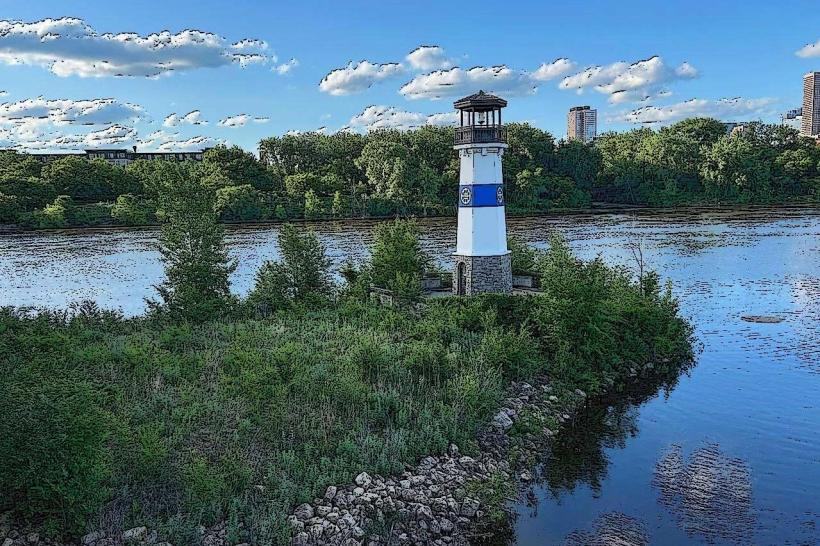
Kenilworth Lagoon: Scenic and paddle-accessible waterway linking Cedar Lake to Lake of the Isles.
Visitor Tips
Best Time to Visit: Mornings for quiet walks and birding; summer afternoons for swimming or paddling; autumn for stunning forest color along the shores.
Parking: Limited around the east side near Hidden Beach and Cedar Lake Parkway; biking or walking in is encouraged.
Restrooms: Available seasonally near Cedar Lake Point Beach; limited at other locations.
Dogs: Allowed on leash on trails but not on beaches.
Accessibility: Trails are a mix of paved and dirt; eastern paved paths are suitable for wheelchairs and strollers.
Cedar Lake is a quiet gem within the urban landscape of Minneapolis. With its secluded beaches, wooded trails, and commitment to natural preservation, it appeals to those seeking a restorative, nature-forward experience away from crowds-while still remaining just minutes from downtown. It’s an ideal retreat for walkers, paddlers, and urban naturalists alike.