Information
Landmark: Target FieldCity: Minneapolis
Country: USA Minnesota
Continent: North America
Target Field, Minneapolis, USA Minnesota, North America
Target Field, situated at 1 Twins Way in downtown Minneapolis, Minnesota, is the home ballpark of Major League Baseball’s Minnesota Twins. Since opening in 2010, it has earned acclaim for blending modern amenities with an intimate, fan-focused atmosphere and a strong commitment to sustainability, all while integrating seamlessly into the city’s urban fabric.
Architectural Design and Features
Target Field was designed with a keen eye toward fan experience and urban harmony. It seats approximately 38,544 spectators, providing a more intimate setting compared to many larger stadiums, which enhances the connection between players and fans. The seating bowl’s design employs cantilevered seating sections, eliminating support columns and thereby ensuring unobstructed views from virtually every seat.
The exterior of the stadium features materials that reflect Minnesota’s identity, including locally quarried limestone, glass, and steel, blending natural beauty with industrial heritage. This material palette ties the stadium visually to the region and contributes to a timeless yet modern aesthetic.
Inside, select sections include wood-backed seats, offering a nostalgic nod to classic ballparks and a tactile contrast to the stadium’s contemporary design. The field itself follows Major League standards, with dimensions that balance the game’s traditions with the realities of the urban site: 339 feet to left field, 377 feet to left-center, 404 feet to center, 367 feet to right-center, and 328 feet to right field.
Sustainability and Environmental Leadership
Target Field stands out as one of the most environmentally sustainable stadiums in professional sports. It was the first Major League Baseball stadium to achieve LEED Platinum certification under the LEED v4.1 rating system for Existing Buildings: Operations & Maintenance, underscoring its leadership in green building practices.
Key sustainability features include:
Rainwater Recycling: A sophisticated system captures nearly 20 million gallons of rainwater annually, primarily used to clean the seating areas, reducing the demand on municipal water supplies.
Waste Diversion: Through comprehensive recycling and composting programs, the Twins have diverted over 13,000 tons of waste from landfills since 2011, greatly minimizing the stadium’s environmental footprint.
Energy Efficiency: The stadium utilizes energy-saving LED lighting systems, cutting energy consumption by about 55% compared to traditional lighting.
These initiatives illustrate the Twins’ commitment to environmental stewardship and have set benchmarks for other sports venues worldwide.
Fan Amenities and Experience
Target Field offers a range of amenities designed to enhance fan enjoyment and comfort:
Minnie & Paul Celebration Sign: Located in center field, this nostalgic lighted sign honors two beloved Twins mascots and illuminates after every home run, creating an engaging tradition for fans.
Knotholes: Along the 5th Street side of the stadium, “knotholes” are small openings that allow pedestrians and passersby a glimpse of the game without a ticket, connecting the ballpark to the surrounding community.
Climate Considerations: Recognizing Minnesota’s often unpredictable and chilly weather, Target Field includes heated areas such as concessions, restrooms, and lounges on every level, ensuring a comfortable experience regardless of outside conditions.
Premium Seating Options: Fans seeking elevated experiences can access premium areas such as the Champions Club, Delta Sky360° Club, and Treasure Island Terrace, offering upscale dining, exclusive views, and private amenities.
The stadium is designed for easy movement with wide concourses, clear signage, and a variety of food and beverage options that reflect local culinary tastes alongside classic ballpark fare.
Location and Accessibility
Target Field’s downtown location ensures easy access by various transportation modes:
Public Transit: The stadium is directly served by Minneapolis’s Blue and Green METRO Light Rail Lines, with a dedicated station steps from the entrance, enabling convenient and eco-friendly access for fans.
Parking: Multiple parking ramps labeled A, B, and C are located within walking distance, accommodating thousands of vehicles on game days and during other events.
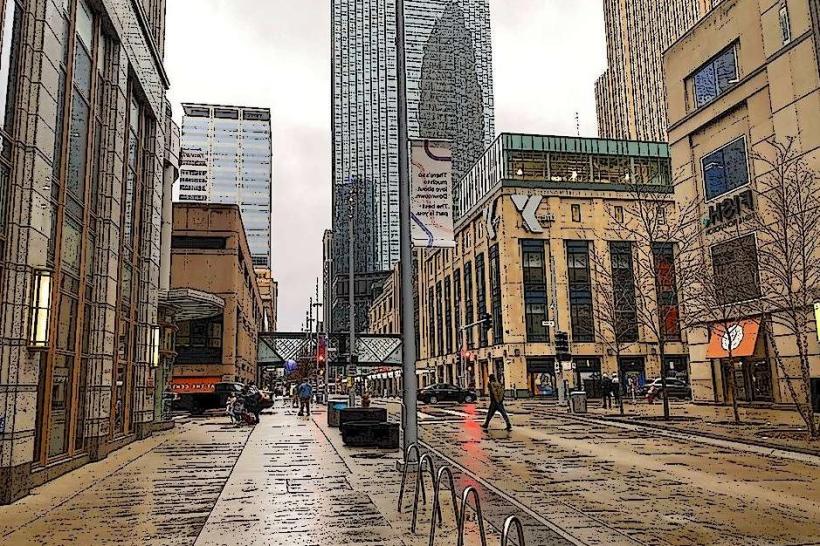
Skyway System: Target Field is connected to Minneapolis’s extensive 9.5-mile skyway system, a network of enclosed pedestrian bridges that allow fans to navigate comfortably to and from the stadium year-round, even during harsh winter weather.
Its proximity to downtown attractions, restaurants, and hotels makes it a hub within the city’s vibrant entertainment district.
Events and Legacy
Beyond hosting the Minnesota Twins’ home games, Target Field has been the site of significant baseball events including the 2014 MLB All-Star Game. The ballpark also accommodates various community and promotional events that engage local residents.
Since its opening, Target Field has been recognized with numerous awards for its design, sustainability efforts, and fan experience. It represents a modern standard for urban ballparks that balance athletic competition, environmental responsibility, and community integration.
Summary
Target Field exemplifies how a professional sports stadium can serve as a dynamic urban asset - combining state-of-the-art facilities, thoughtful architectural design, and sustainability leadership to create a welcoming, vibrant atmosphere for fans and the broader community. Its commitment to environmental stewardship, seamless integration into downtown Minneapolis, and focus on quality fan experience have solidified its status as one of Major League Baseball’s premier ballparks.