Information
Landmark: Minnehaha FallsCity: Minneapolis
Country: USA Minnesota
Continent: North America
Minnehaha Falls, Minneapolis, USA Minnesota, North America
Minnehaha Falls, located in Minnehaha Regional Park in Minneapolis, is one of Minnesota’s most cherished urban natural attractions. Cascading 53 feet over a limestone ledge into a scenic gorge, the waterfall is celebrated for its poetic legacy, its role in early Minneapolis tourism, and its ongoing value as a peaceful, culturally rich retreat within the city.
Historical and Cultural Significance
Minnehaha Falls has deep roots in both Native American and literary history:
Dakota Heritage: The name “Minnehaha” comes from the Dakota language, meaning "waterfall" or more literally "curling water." The surrounding land was historically home to Dakota people, who revered the falls and nearby confluence of the Mississippi and Minnesota rivers as sacred.
Henry Wadsworth Longfellow: The falls gained national fame through Longfellow’s 1855 epic poem “The Song of Hiawatha,” which romanticized Native American legends and featured the fictional character Minnehaha. Though Longfellow never visited the site, the poem inspired widespread interest in the area, spurring tourism and giving the falls its literary aura.
Early Tourism: By the late 1800s, Minnehaha Falls was a major attraction, complete with picnic areas, horse-drawn carriages, and pavilions. It became a centerpiece of the Minneapolis park system under landscape architect Horace W.S. Cleveland and park superintendent Theodore Wirth.
Natural Features and Setting
Height: 53 feet
Water Source: Minnehaha Creek, which flows from Lake Minnetonka and winds through the Twin Cities before meeting the Mississippi River just below the falls.
Geology: The falls drop over a cap of Platteville limestone, underlain by softer sandstone that erodes more easily-causing the falls to slowly recede upstream over time.
Seasonal Variations:
Spring/Summer: A strong, photogenic cascade surrounded by lush greenery.
Fall: A dramatic scene with vibrant autumn foliage.
Winter: The falls freeze into towering ice formations, creating a surreal and breathtaking natural sculpture.
Minnehaha Regional Park Overview
Covering over 190 acres, the park is one of the oldest and most visited in Minneapolis. It blends natural beauty, historic structures, and recreational amenities.
Key Features:
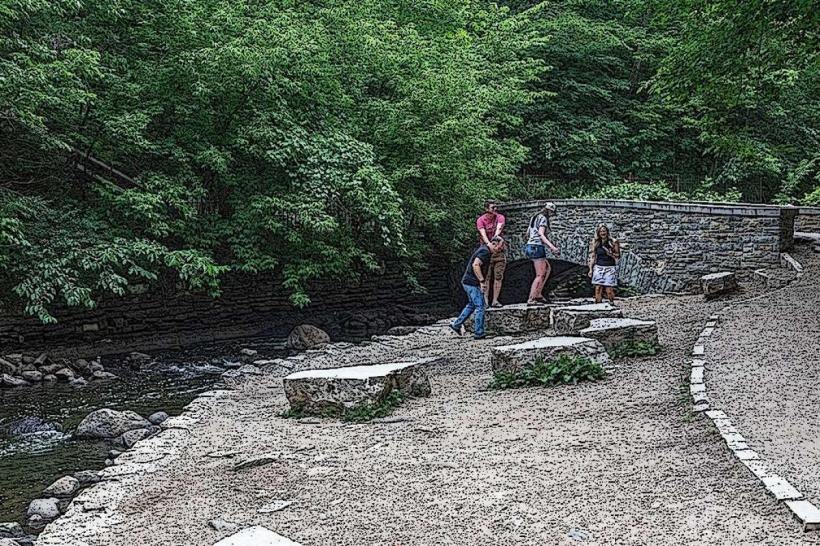
Minnehaha Creek and Glen: A forested gorge downstream of the falls with trails, stone bridges, and wildlife.
Sea Salt Eatery: A popular seasonal restaurant near the falls offering fresh seafood, local brews, and a lively patio.
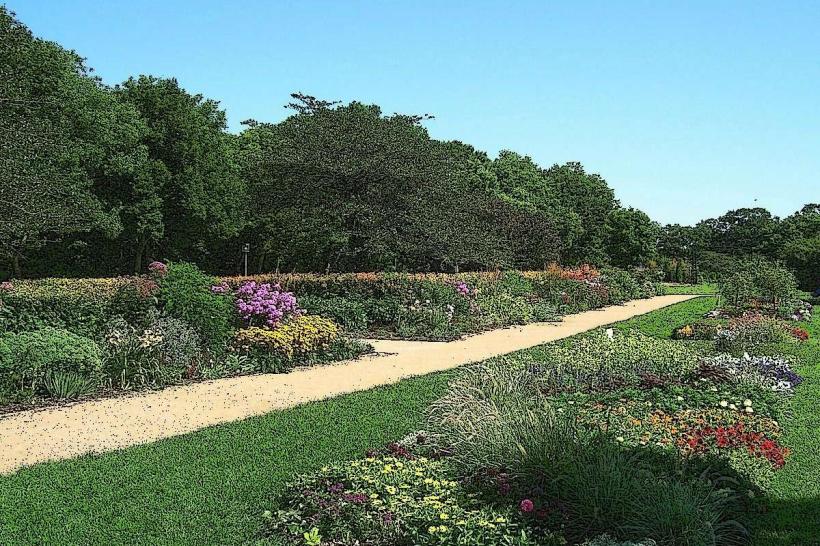
Longfellow Gardens: Beautifully landscaped flower gardens that pay homage to the poet.
Pergola Garden and Overlook: Stone-paved plazas with views of the falls and native plantings.
Wabun Picnic Area: A family-friendly section with splash pads, playgrounds, and pavilions.
Historic Elements:
Longfellow House Replica: A replica of Henry Wadsworth Longfellow’s home, now an interpretive center and park headquarters.
John H. Stevens House: Believed to be the first house built west of the Mississippi in Minneapolis, symbolizing early settlement.
Recreation and Trails
Minnehaha Park connects to an extensive system of walking and biking trails:
Grand Rounds Scenic Byway: Part of the city's famous urban trail loop.
Minnehaha Trail: Follows the creek from the falls to the Mississippi River, with a scenic overlook at the confluence.
Hiawatha LRT Trail: Connects the park to downtown Minneapolis and the METRO Blue Line.
Events and Community Use
Minnehaha Falls is a lively gathering space throughout the year:
Concerts at the Bandshell: Live music performances in the summer.
Weddings and Photography: A favorite site for ceremonies and photo sessions.
Winter Hikes and Ice Viewing: Popular among winter photographers and adventurers.
Cultural Events: Occasionally hosts Native American and literary festivals celebrating local heritage.
Sustainability and Preservation
Minneapolis Park and Recreation Board manages the site with attention to:
Water quality in Minnehaha Creek
Restoration of native plant species
Erosion control in the glen and creek bed
Historical preservation of structures and storytelling
Interpretive signage throughout the park honors both Indigenous history and early Minneapolis development, encouraging respectful engagement with the land.
Visitor Tips
Access: Easy to reach via the METRO Blue Line (get off at 50th St/Minnehaha) or by car with ample parking.
Best Times to Visit: Early morning for quiet views; sunset for dramatic light; winter for ice formations.
Photography: Bring a wide-angle lens for capturing the full height of the falls; long exposures work beautifully on the flowing water.
Footwear: Wear sturdy shoes if descending into the glen-paths can be slippery or uneven.
Facilities: Restrooms, drinking fountains, and food are available seasonally near the falls area.
Minnehaha Falls offers a rare blend of natural splendor, historical depth, and urban accessibility. Whether you're strolling beside the misty waters, attending a concert, or reflecting by frozen cliffs, the falls are a timeless reminder of the beauty and meaning embedded in the land.