Information
Landmark: Minnehaha Regional ParkCity: Minneapolis
Country: USA Minnesota
Continent: North America
Minnehaha Regional Park, Minneapolis, USA Minnesota, North America
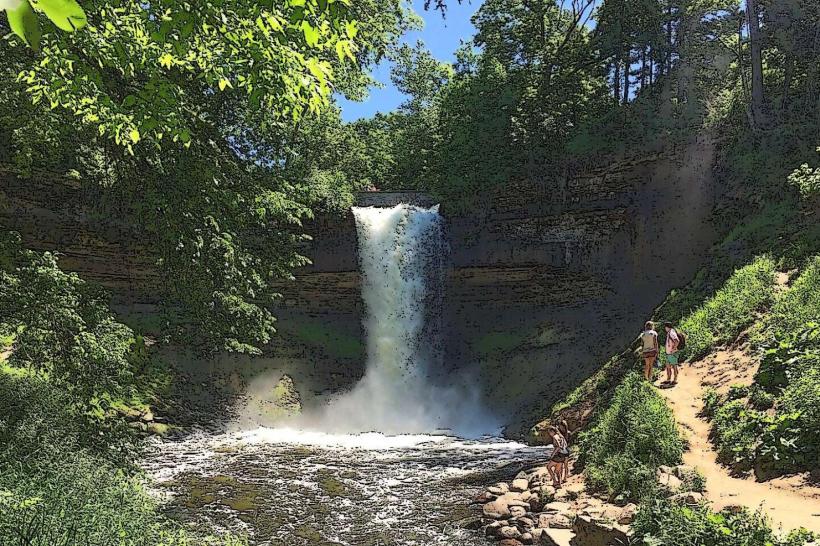
Minnehaha Regional Park is one of the crown jewels of the Minneapolis park system-a sprawling 193-acre green space that blends natural beauty, historical landmarks, and vibrant public life. Anchored by the iconic Minnehaha Falls, the park is a cherished escape for locals and visitors alike, offering trails, river views, gardens, cultural monuments, and recreational amenities all within the urban core of the Twin Cities.
Historical Context
Minnehaha Park is one of the oldest public parks in Minnesota, established in 1889 by the Minneapolis Board of Park Commissioners. Its creation was part of an early urban vision to preserve natural areas for public enjoyment. Landscape architect Horace Cleveland, an advocate for integrating city planning with natural geography, played a critical role in preserving the area’s wooded ravines and the waterfall’s integrity.
The park gained early fame due in part to Henry Wadsworth Longfellow’s 1855 poem “The Song of Hiawatha”, which romanticized the waterfall and Dakota legends, embedding the location into the national cultural imagination. Though Longfellow never visited Minnesota, the site became an early tourist destination thanks to rail access and literary appeal.
Layout and Key Zones
The park is divided into distinct zones, each with its own atmosphere and offerings:
1. Minnehaha Falls Area
The centerpiece 53-foot waterfall is surrounded by scenic overlooks, stone walls, and gardens.
A pedestrian plaza and pergola garden allow visitors to view the falls from multiple angles.
Interpretive signs share geological and cultural insights, including Indigenous history.
2. Minnehaha Creek and Glen
Downstream of the falls, the park transitions into a wooded ravine, known as Minnehaha Glen, with rugged trails, stone bridges, and stairways.
The creek flows through this shaded gorge for about three-quarters of a mile before merging with the Mississippi River.
3. Wabun Picnic and Recreation Area
Located near the southern portion of the park, this family-friendly zone includes:
Large picnic shelters and barbecue areas
Modern playgrounds and a splash pad
Volleyball courts and open grassy fields
4. Longfellow Gardens and Historic Features
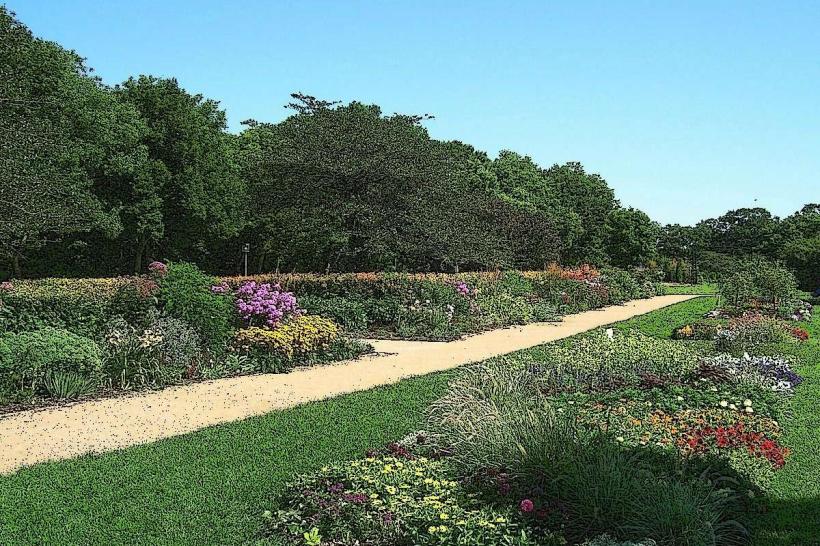
A tranquil area with cultivated flower beds, walking paths, and historic structures.
Includes the Longfellow House, a replica of the poet’s home in Massachusetts, and the John H. Stevens House, a significant pioneer-era building moved to the site.
Natural Features
Minnehaha Park’s landscape includes a mix of riparian, woodland, and prairie ecosystems.
Tree Canopy: Mature oak, cottonwood, maple, and hackberry trees shade the trails and creek.
Native Plantings: Restoration efforts have replaced invasive species with native grasses, wildflowers, and understory shrubs.
Wildlife: Squirrels, birds, turtles, foxes, and even deer are commonly spotted, especially in the glen.
Recreation and Trails
Minnehaha Park is a hub in Minneapolis’ Grand Rounds Scenic Byway, offering seamless access to city-wide biking and walking paths.
Minnehaha Trail: Runs through the park and connects to the Mississippi River Parkway Trail.
Gorge Trail System: Winding stone and dirt paths along Minnehaha Creek below the falls.
Biking Trails: Paved routes crisscross the park and link to major city greenways.
Winter Use: Popular for snowshoeing, winter hiking, and admiring the frozen waterfall.
Cultural and Historic Highlights
Longfellow House
Built in 1907, this replica of the poet’s home in Cambridge, MA serves as a visitor center and cultural venue.
Exhibits detail the impact of Longfellow’s poetry on perceptions of Indigenous culture and the role of myth in American tourism.
John H. Stevens House
One of the oldest structures in Minneapolis, originally built near Fort Snelling around 1850.
The house is a symbol of the early settler era and Minneapolis’ formation.
Veterans Memorial and Sculptures
Several monuments within the park commemorate military service and civic leadership.
Sculptures such as “Hiawatha and Minnehaha” honor the literary and cultural themes associated with the falls.
Events and Community Engagement
Minnehaha Park is alive with activity year-round:
Live Music at the Bandshell: Summer concerts draw families and music lovers.
Cultural Festivals: Occasional Indigenous heritage events, art fairs, and community celebrations.
Weddings and Photography: The falls and gardens are among the most popular spots for engagement and wedding photography in Minnesota.
Nature Programs: Guided hikes, birdwatching, and educational events hosted by park rangers.
Dining and Amenities
Sea Salt Eatery: A seasonal, open-air seafood restaurant adjacent to the falls. Known for fresh oysters, crab cakes, and local craft beer.
Restrooms and Water Fountains: Located throughout the park.
Bike Rentals and Parking: On-site seasonal bike rental kiosks and several lots or on-street parking options.
Sustainability and Stewardship
The Minneapolis Park and Recreation Board has made significant efforts to protect Minnehaha Park’s natural integrity:
Erosion control in the glen and along the creek banks
Stormwater management systems to prevent runoff into the creek
Reforestation and native plant restoration projects
Community cleanups and volunteer programs
These initiatives preserve the park’s ecological health while accommodating its high visitor volume.
Visitor Tips
Best Time to Visit: Spring and fall offer the most dynamic water flow and color, but each season has a unique charm.
Footwear: Trails can be muddy or steep in places-wear comfortable, grippy shoes.
Accessibility: Main viewing areas, restrooms, and the dining area are wheelchair accessible.
Pets: Allowed on leashes; waste stations available throughout the park.
Transit Access: Easily reachable via METRO Blue Line (50th St/Minnehaha Station) or city bus routes.
Minnehaha Park is more than a city park-it’s a vibrant, multi-layered landscape where history, culture, nature, and recreation meet. Whether you're drawn to the thundering falls, shaded trails, community events, or quiet garden corners, the park remains a timeless sanctuary in the heart of Minneapolis.