Information
Landmark: Bde Maka SkaCity: Minneapolis
Country: USA Minnesota
Continent: North America
Bde Maka Ska, Minneapolis, USA Minnesota, North America
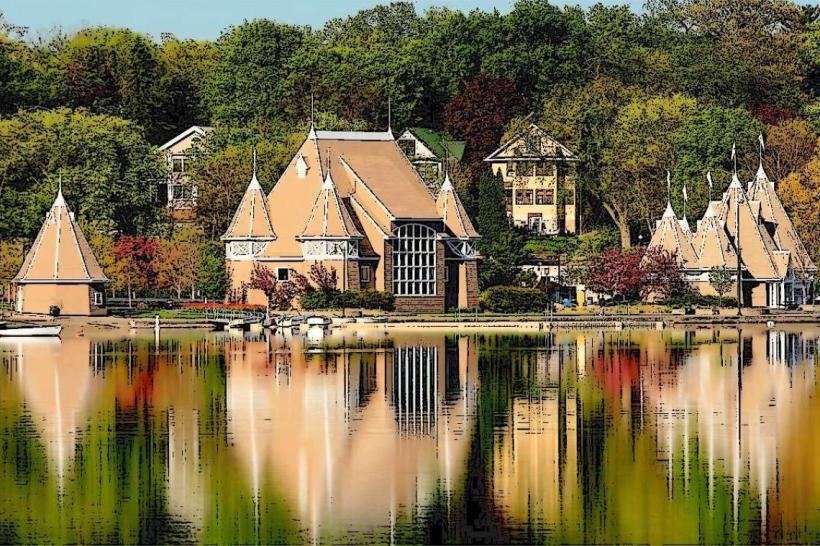
Bde Maka Ska, pronounced buh-DAY muh-KAH skah, is the largest lake in Minneapolis and a central feature of the city’s celebrated Chain of Lakes Regional Park. Formerly known as Lake Calhoun, its Dakota name, meaning “White Earth Lake,” was officially restored in 2018 to honor the Indigenous history of the area. Today, Bde Maka Ska is a vibrant urban destination that seamlessly blends recreation, culture, and environmental stewardship.
Historical and Cultural Background
Dakota Significance
For centuries, the area around Bde Maka Ska was home to the Dakota people, particularly a village known as Ḣeyáta Oṭuŋwe, established by Dakota leader Maḣpiya Wic̣aṡṭa (Cloud Man) in the 1820s. This farming village, located near the southeast shore, was one of the first documented examples of Dakota people practicing agriculture in collaboration with missionaries and U.S. government agents.
The lake was renamed "Lake Calhoun" in the 1800s after John C. Calhoun, a U.S. politician who supported slavery and Indian removal policies. In recent decades, activists and Indigenous communities worked successfully to restore the original Dakota name as part of a broader effort to correct historical erasure.
Modern Recognition
In 2018, the name “Bde Maka Ska” was officially adopted by the Minnesota Department of Natural Resources and the U.S. Board on Geographic Names, affirming its cultural importance and reclaiming Dakota heritage.
Geography and Natural Features
Surface Area: Approximately 401 acres (largest in the city)
Maximum Depth: 87 feet
Shoreline Length: About 3.2 miles
Connected Lakes: Bde Maka Ska links via canals to Lake of the Isles and Lake Harriet
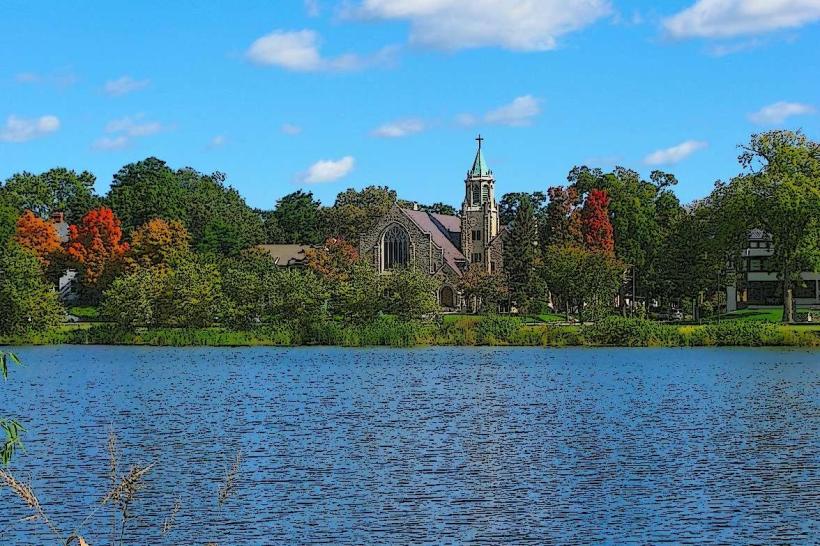
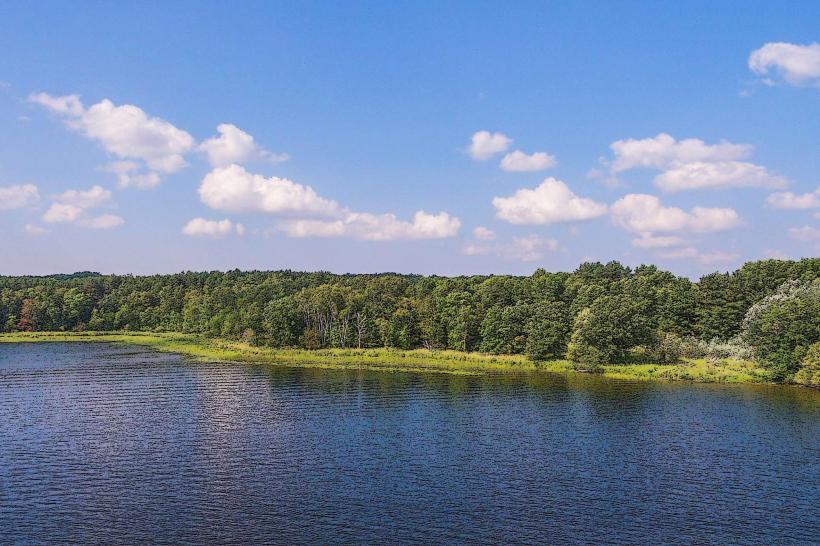
Fed by stormwater and natural springs, the lake features deep, clear water and is surrounded by open grassy areas, wooded groves, beaches, and extensive trails.
Main Features and Attractions
1. Beaches
32nd Street Beach: On the east shore, with lifeguards, restrooms, and a vibrant summer crowd.
North Beach: Smaller and quieter, often used by locals.
Thomas Beach: On the southern shore, known for volleyball courts and shaded areas.
2. Lake Loop Trail
A 3.2-mile loop encircles the lake, divided into:
Pedestrian path
Bicycle and skating lane (one-way, clockwise)
Part of the Grand Rounds Scenic Byway, connecting to nearby lakes and urban neighborhoods.
3. Boat Docks and Rentals
A major hub for water recreation, including:
Sailboats
Stand-up paddleboards
Kayaks and canoes
Rentals available at the northeast recreation center.
Bde Maka Ska Sailing School and Yacht Club offer lessons and host summer regattas.
4. Recreation Center and Picnic Areas
Located at the northeast corner near Lake Street.
Offers restrooms, water fountains, playgrounds, and a seasonal snack bar.
Open lawn space is ideal for yoga, soccer, or relaxing under the trees.
5. Ḣeyáta Oṭuŋwe Interpretive Area
A cultural site on the southeast shore featuring interpretive signs, public art, and native plantings that tell the story of Cloud Man’s village and Dakota life.
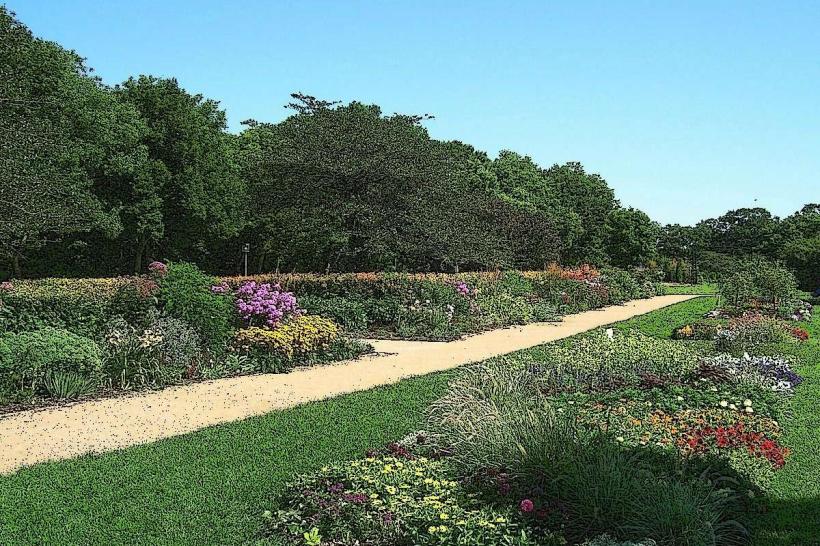
Features restored prairie landscapes and a walking path designed for reflection and education.
Activities and Seasonal Offerings
Summer:
Swimming, sunbathing, and volleyball at beaches
Sailing, kayaking, paddleboarding
Jogging, cycling, rollerblading
Outdoor yoga, concerts, and food trucks
Winter:
Ice skating, including informal hockey and general skating
Cross-country skiing on groomed paths
Winter kite festivals on the frozen lake
Snowshoeing along wooded trails
Events and Community Life
Uptown Art Fair and Lake Festivals: Popular summer gatherings featuring art, music, food, and cultural performances.
Outdoor fitness classes and community-led environmental education events.
Public art installations, including sculptures and murals that honor Dakota culture.
Environmental Stewardship
Bde Maka Ska is managed by the Minneapolis Park and Recreation Board (MPRB) with strong emphasis on sustainability:
Invasive species control, especially for zebra mussels and aquatic plants.
Water quality monitoring and stormwater treatment systems.
Native prairie restoration and shoreline stabilization projects.
Waste reduction through composting and recycling infrastructure.
Community organizations, such as the Bde Maka Ska Community Advisory Committee, help guide environmental and cultural initiatives.
Accessibility and Visitor Amenities
Transit Access: Easily reachable by Metro Transit bus lines and the Midtown Greenway bike corridor.
Parking: Multiple paid lots and metered street parking.
Restrooms and Water Stations: Available near all beaches and the rec center.
Bike Racks and Repair Stations: Conveniently located around the loop trail.
Dog Policy: Dogs allowed on leash; not permitted on beaches.
Visitor Tips
Early mornings offer tranquility and great birdwatching.
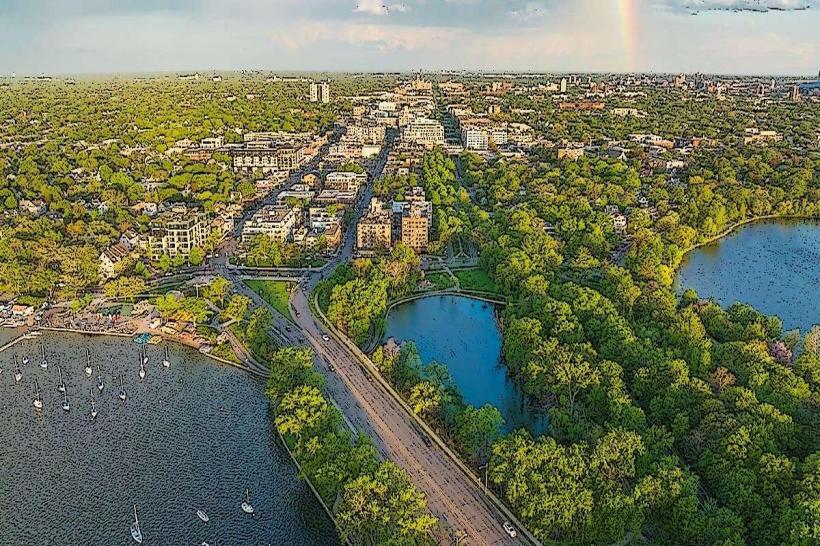
Sunset views are spectacular from the northwest shoreline, where sailboats often drift past glowing skies.
Avoid peak heat hours in summer by coming early or in the evening.
Bring your own gear if planning a picnic-tables fill up fast on weekends.
Use designated crossing paths if biking; the trail loop can be busy and fast-paced.
Why It Matters
Bde Maka Ska is more than just a lake-it’s a space of shared recreation, cultural memory, and environmental renewal. From honoring the Dakota village that once stood on its shore, to hosting joyful, modern community life, it reflects the layered story of Minneapolis and the broader region. Whether you’re here to sail, swim, jog, or simply sit quietly by the water, Bde Maka Ska offers a sense of freedom and connection in the heart of the city.