Information
Landmark: Bakken MuseumCity: Minneapolis
Country: USA Minnesota
Continent: North America
Bakken Museum, Minneapolis, USA Minnesota, North America
The Bakken Museum, located at 3537 Zenith Avenue South in Minneapolis, Minnesota, is a distinctive institution dedicated to exploring the fascinating intersections of science, technology, medicine, and the humanities. Founded in 1975 by Earl Bakken, the inventor of the first wearable, battery-powered pacemaker, the museum embodies his lifelong passion for innovation and its potential to improve human health and well-being.
Historical Background and Mission
Earl Bakken was not only a pioneering medical inventor but also a visionary who believed in the transformative power of science and technology to benefit society. Motivated by this conviction, he established The Bakken Museum to serve as a place where visitors of all ages could engage with the history and future of scientific discovery, particularly as it relates to electricity, medicine, and the human body.
The museum’s mission centers on inspiring curiosity, creativity, and learning by showcasing how science and technology intersect with culture and art. It emphasizes interactive education, blending historical artifacts with hands-on exhibits that encourage visitors to experiment, think critically, and appreciate the innovative processes that shape our world.
Architecture and Setting
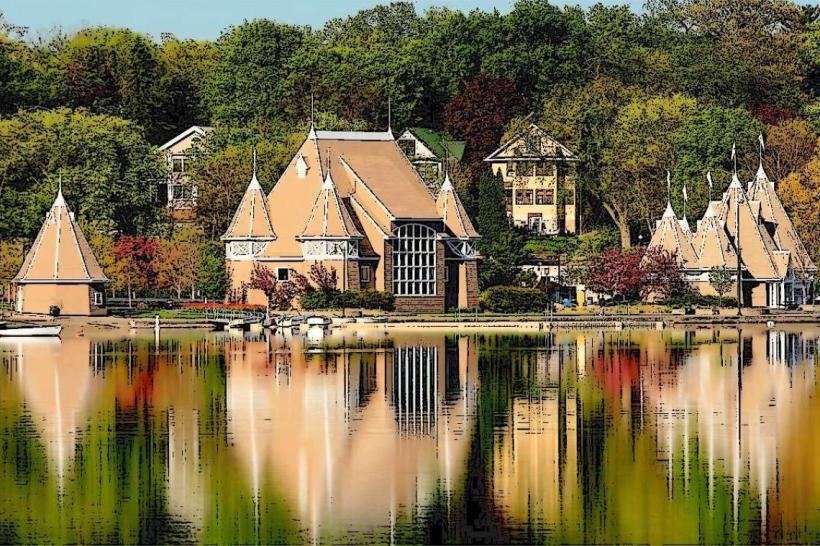
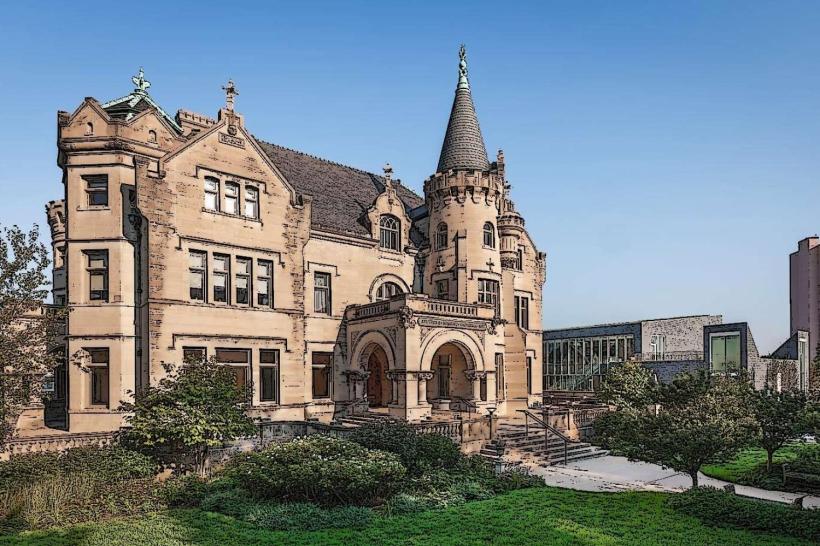
The Bakken Museum is housed in a historic Tudor-style mansion built in 1928, originally the private residence of William Goodfellow, a local philanthropist and industrialist. This elegant building offers a unique and intimate environment for museum exhibits, contrasting with the high-tech nature of its collections.
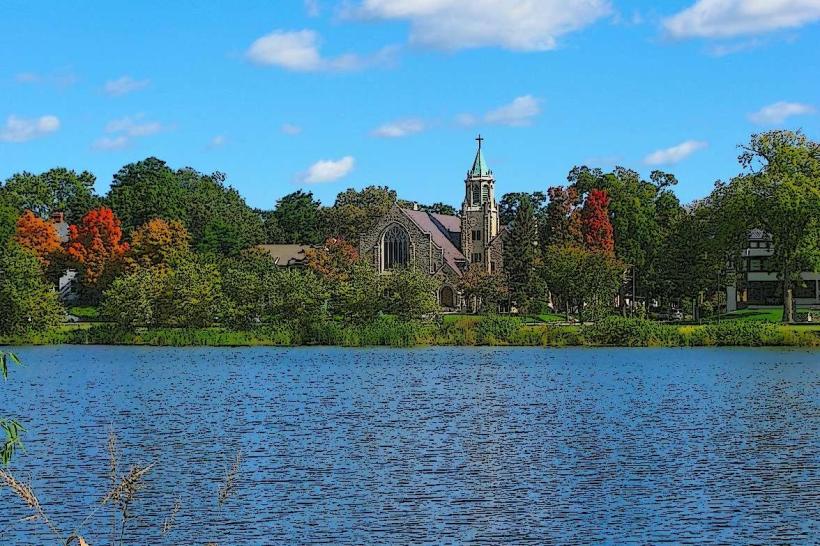
Surrounding the museum are three acres of beautifully maintained gardens, including native plants, medicinal herbs, and a peaceful pond. These grounds provide a tranquil natural setting that complements the museum’s focus on health and the healing power of nature.
Exhibits and Collections
The museum offers a rich variety of exhibits that appeal to a wide audience-from children to adults, casual visitors to STEM enthusiasts:
Electricity and Innovation: The museum showcases the history of electricity’s role in medicine, including the story of the pacemaker’s invention. Interactive exhibits allow visitors to explore electric phenomena and the fundamentals of circuits, magnetism, and energy.
Ben Franklin’s Electricity Party: This hands-on exhibit recreates the spirit of 18th-century electricity demonstrations popularized by Benjamin Franklin and other early scientists. Visitors can safely experience electrical effects such as static electricity, sparks, and shocks, linking historical scientific curiosity to modern understanding.
Mary & Her Monster: Dedicated to Mary Shelley, the author of Frankenstein, this exhibit explores the cultural and scientific context of her work. It connects literature, early electrical science, and medical technology, illustrating how scientific ideas influence culture and imagination.
Frankenstein’s Laboratory: An immersive object theater that delves into the themes of electricity and life, inviting visitors to consider the ethical and scientific questions posed by Shelley’s novel.
Deep Roots: Plants as Medicine: This exhibit highlights the relationship between plants and healing throughout history and today, exploring ethnobotany and modern pharmacology. It educates visitors about natural remedies and the science behind medicinal plants.
KEVA Art and Architecture Studio: A creative, interactive space where visitors build structures using KEVA planks, fostering engineering skills, creativity, and collaboration.
Educational Programs and Community Engagement
The Bakken Museum places strong emphasis on education, offering a wide range of programs for schools, families, and lifelong learners. STEM-focused workshops, summer camps, and outreach initiatives encourage hands-on learning and critical thinking. The museum collaborates with local schools and organizations to promote science literacy and inspire future innovators.
Special events, lectures, and temporary exhibits frequently complement the museum’s core offerings, ensuring fresh experiences for repeat visitors.
Visitor Information
Hours: The museum is open Tuesday through Saturday, from 10:00 AM to 4:00 PM, and is closed on Sundays and Mondays.
Admission: Tickets are reasonably priced to encourage broad access:
Adults: $14
Seniors (65+): $12
Students (with ID): $11
Children (ages 4–17): $10
Children under 4: Free
Free admission is offered to museum members, Native American visitors, and those with limited income (at $1).
Location and Parking: The museum is situated in south Minneapolis with free parking available on-site in a surface lot adjacent to the building. Additional street parking is available on Zenith Avenue South and nearby streets.
Accessibility: The museum is committed to accessibility and offers accommodations to ensure all visitors can engage with its exhibits and programs.
Public Transit: The Bakken Museum can be reached via Metro Transit bus route 6, among other options.
Recent Developments and Anniversary
In 2025, The Bakken Museum is celebrating its 50th anniversary, marking half a century of promoting science education and innovation. The celebration includes special exhibitions, events, and programs designed to honor Earl Bakken’s legacy and engage new generations of visitors.
Summary
The Bakken Museum is a unique blend of history, science, and culture housed in a historic mansion and set within peaceful gardens. It offers an immersive, hands-on experience that celebrates innovation, electricity, medicine, and the human imagination. Through engaging exhibits like Ben Franklin’s electricity party and explorations of Frankenstein, the museum connects visitors to the stories behind scientific breakthroughs and their impact on society. Its educational programs foster STEM learning, making it a vital resource for families, educators, and anyone curious about the forces shaping our technological world. The Bakken stands as a testament to the power of science to inspire and improve lives, maintaining a welcoming atmosphere for all who enter.