Information
Landmark: Gold Medal ParkCity: Minneapolis
Country: USA Minnesota
Continent: North America
Gold Medal Park, Minneapolis, USA Minnesota, North America
Gold Medal Park is a meticulously designed 7.5-acre urban park located in the Mill District of downtown Minneapolis, Minnesota, just east of the Guthrie Theater and near the banks of the Mississippi River. Opened in May 2007, the park serves as a striking example of thoughtful landscape architecture that honors the city’s industrial past while providing a vibrant green space for recreation, relaxation, and cultural enrichment in the heart of the city.
Historical Context and Significance
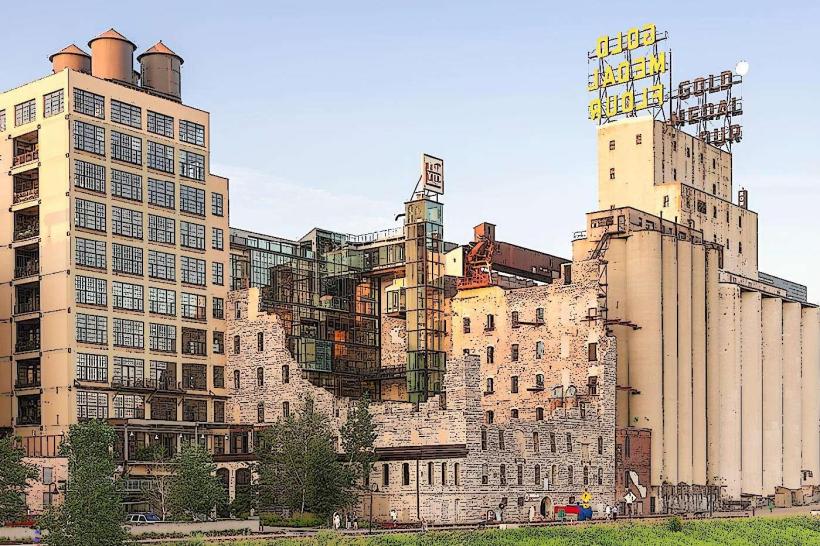
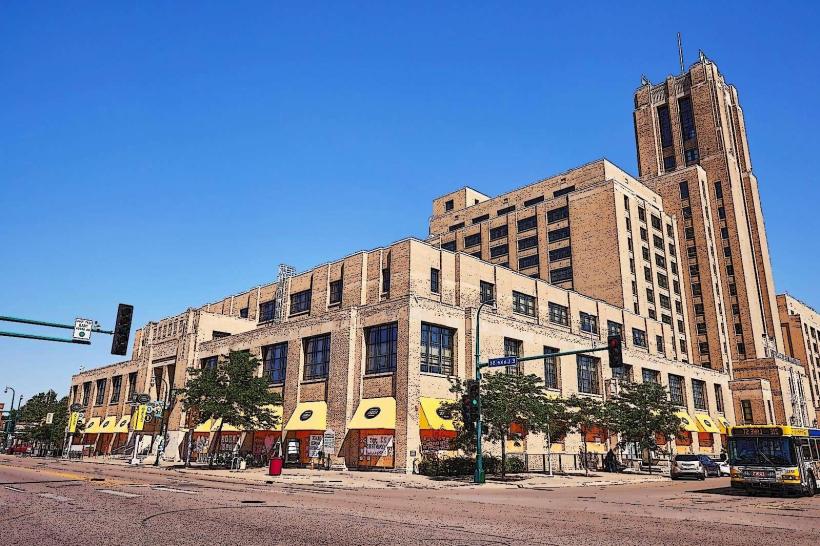
Gold Medal Park takes its name from the famous Gold Medal Flour, a brand produced by the Washburn-Crosby Milling Company, which was a cornerstone of Minneapolis’s prominence as the “Flour Milling Capital of the World” in the late 19th and early 20th centuries. The park site itself occupies land that was historically part of this industrial district, which played a critical role in shaping the city’s economy and identity.
The park is not only a recreational space but also a symbolic tribute to Minneapolis’s rich industrial heritage. It weaves together themes of environmental remediation, indigenous cultural respect, and urban renewal.
Design Philosophy and Features
The park was designed by landscape architect Tom Oslund, who drew inspiration from Minnesota’s natural and cultural history. Central to the design is a large earthen mound standing 32 feet tall, which echoes the Native American burial mounds scattered throughout the region. This mound serves multiple purposes:
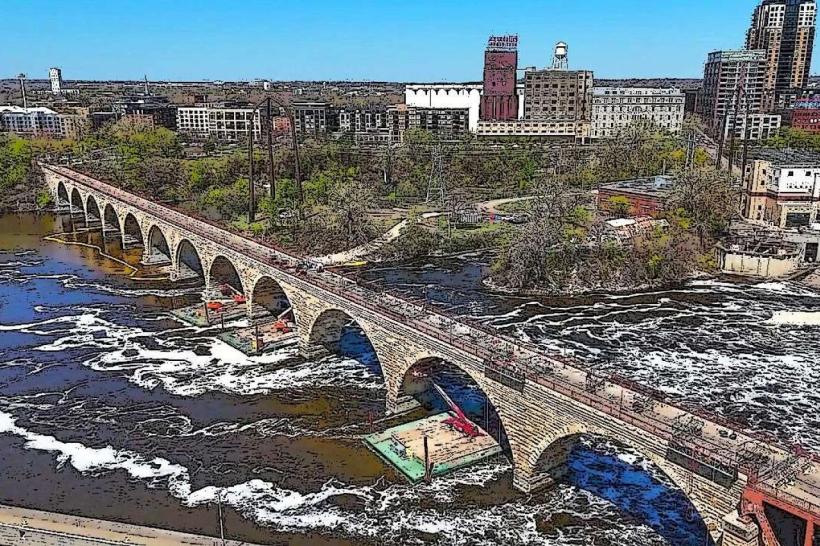
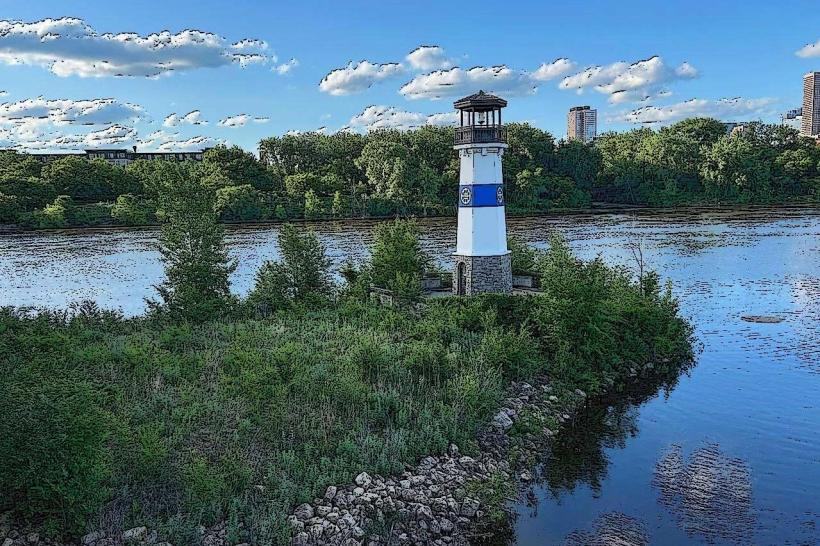
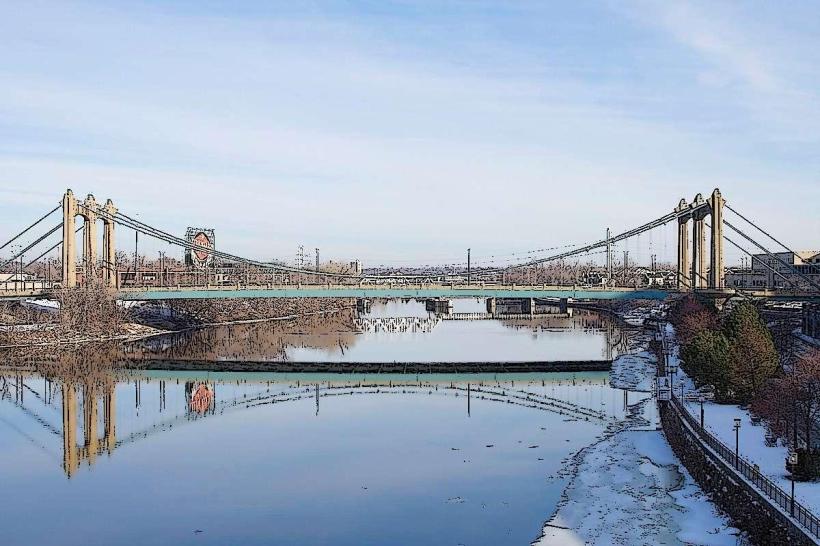
Observation and Views: Visitors can ascend the gently spiraling pathway that winds to the top of the mound, where panoramic views open up to sweeping vistas of the Mississippi River, the historic Stone Arch Bridge, the downtown Minneapolis skyline, and the adjacent riverfront parks.
Environmental Remediation: The mound cleverly encapsulates over 100,000 cubic feet of contaminated soil from the site’s industrial past, turning a once-polluted area into a healthy, green space.
Cultural Homage: By referencing indigenous burial mounds, the design honors Native American heritage and invites reflection on the layered histories present in the landscape.
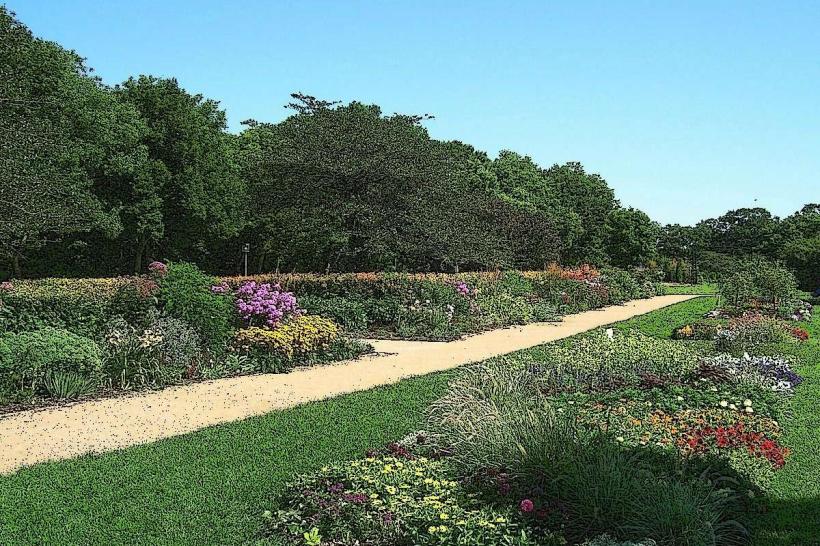
Surrounding the mound is a spacious lawn planted with nearly 300 mature trees, mainly native species like maples, lindens, and oaks. This rich tree canopy creates a shaded, park-like atmosphere ideal for casual strolls, picnics, and outdoor gatherings. The carefully selected native plants support local ecology and biodiversity.
The park’s furnishings include custom-designed benches made from Ipe wood, known for its durability and warm tones. At night, these benches are subtly illuminated with blue LED lighting, producing a serene, almost ethereal ambiance. Complementing this are pedestrian-scale light fixtures crafted from repurposed "W" section steel beams, a nod to the site’s industrial history and a creative use of reclaimed materials.
Art and Cultural Elements
Gold Medal Park features significant public art that enriches the visitor experience. A highlight is the massive red steel sculpture titled Molecule, created by internationally acclaimed artist Mark di Suvero. This dynamic piece, originally part of the Minneapolis Sculpture Garden, was relocated to Gold Medal Park in 2016 under a 99-year lease agreement. The sculpture’s bold, abstract form contrasts beautifully with the natural surroundings, offering a striking visual landmark and a focal point for artistic appreciation.
Memorial and Nearby Features
Adjacent to Gold Medal Park is the Remembrance Garden, a contemplative memorial dedicated to the victims of the 2007 I-35W Mississippi River bridge collapse. This solemn space integrates with the park’s landscape, providing a tranquil environment for reflection and remembrance. The presence of the Remembrance Garden enriches the park’s narrative by connecting visitors to a significant recent chapter in Minneapolis history.
Gold Medal Park’s location places it within easy reach of several prominent city attractions, enhancing its role as a central green space in Minneapolis’s urban fabric. Nearby points of interest include:
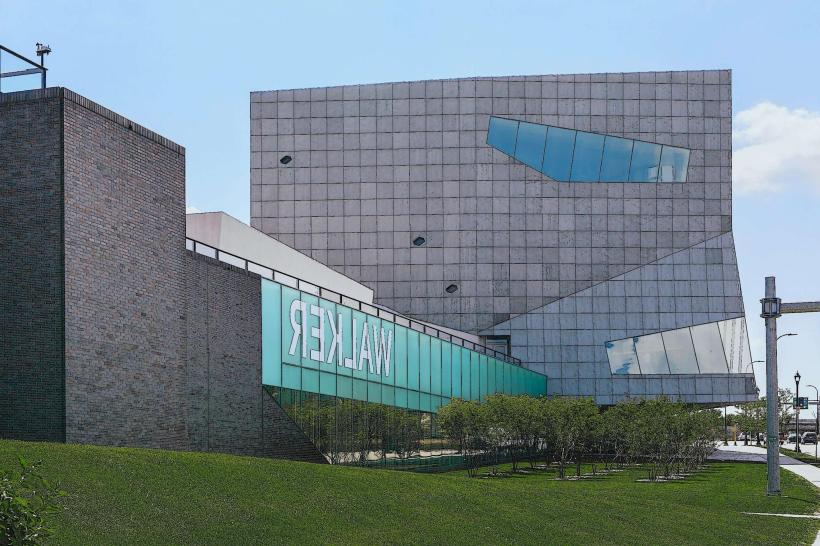
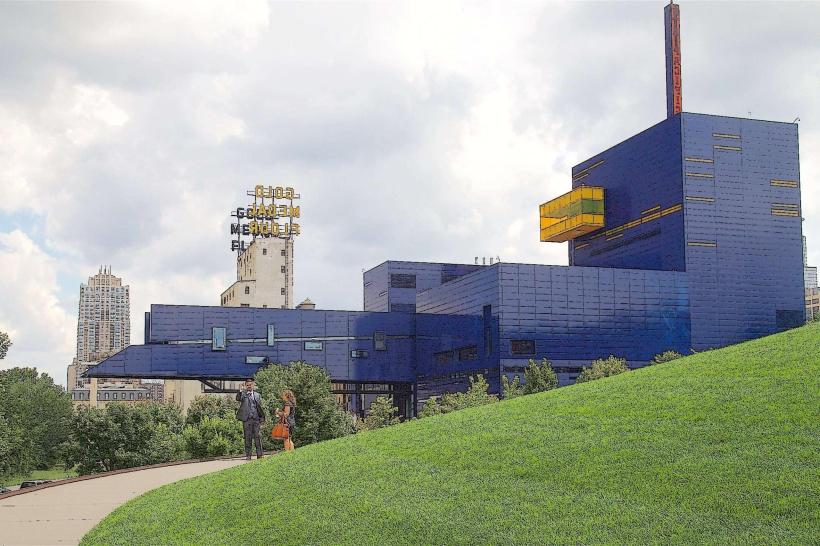
Guthrie Theater: The world-renowned performing arts venue sits just west of the park, contributing to the cultural vibrancy of the area.
Mill City Museum: Located within the restored ruins of a flour mill, the museum chronicles the history of Minneapolis’s milling industry and its impact on the city.
Stone Arch Bridge: This historic former railroad bridge, now a pedestrian and bicycle path, provides scenic river crossings and spectacular views of the city skyline.
West River Parkway Trail: Running along the river, this multi-use trail connects several parks and is popular with cyclists, runners, and walkers.
Accessibility and Visitor Amenities
Gold Medal Park is open daily from 6:00 AM to 10:00 PM, welcoming early morning joggers, daytime visitors, and evening strollers. The park is maintained by the Gold Medal Park Conservancy, a nonprofit organization dedicated to preserving and enhancing this unique urban space.
The park is designed to be accessible to people of all abilities, with wide paved pathways, gentle slopes on the mound’s spiraling walk, and thoughtfully placed seating. Its open lawns and shaded areas provide comfortable spaces for rest and socializing.
Experience and Uses
Gold Medal Park serves multiple roles within the community:
Recreation: The park’s expansive lawns and tree canopy make it an inviting place for casual leisure activities such as picnicking, yoga, or simply relaxing outdoors.
Cultural Engagement: With its public art and proximity to cultural landmarks, the park acts as an outdoor gallery and a gateway to the arts in Minneapolis.
Reflection: The mound and memorial spaces encourage contemplation, bridging natural beauty with historical awareness.
Environmental Stewardship: Through the creative use of land remediation and native plantings, the park exemplifies sustainable urban design practices.
Summary
Gold Medal Park stands as a model of thoughtful urban landscape architecture that harmonizes nature, history, and culture. Its central mound provides stunning city and river views while symbolizing both indigenous heritage and environmental renewal. The park’s lush greenery and innovative design elements offer a peaceful oasis amid Minneapolis’s bustling downtown. With its blend of artistic expression, historical tribute, and recreational opportunity, Gold Medal Park enriches the community and invites visitors to experience the city’s layered stories through the lens of landscape and public space.