Information
City: MinneapolisCountry: USA Minnesota
Continent: North America
Minneapolis, USA Minnesota, North America
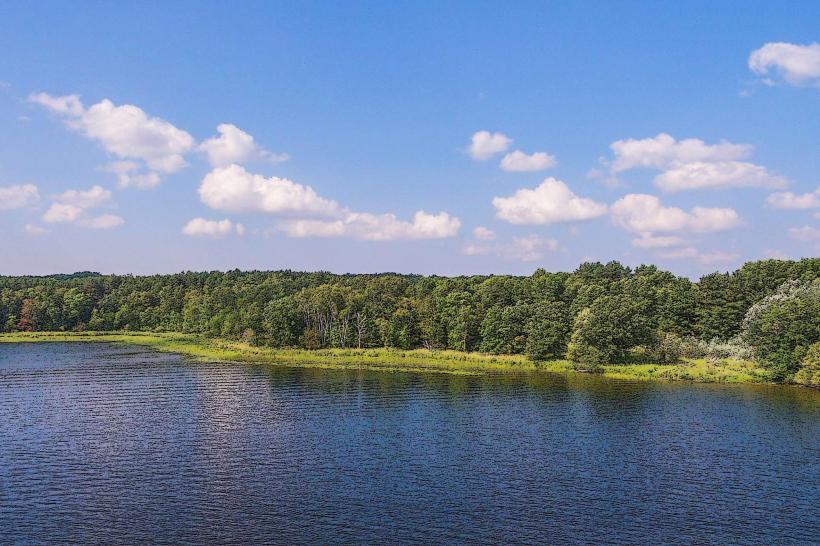
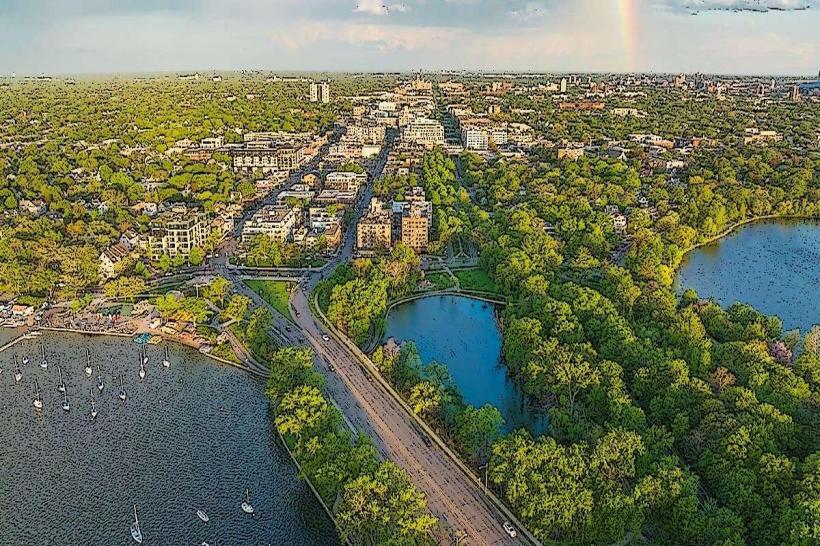
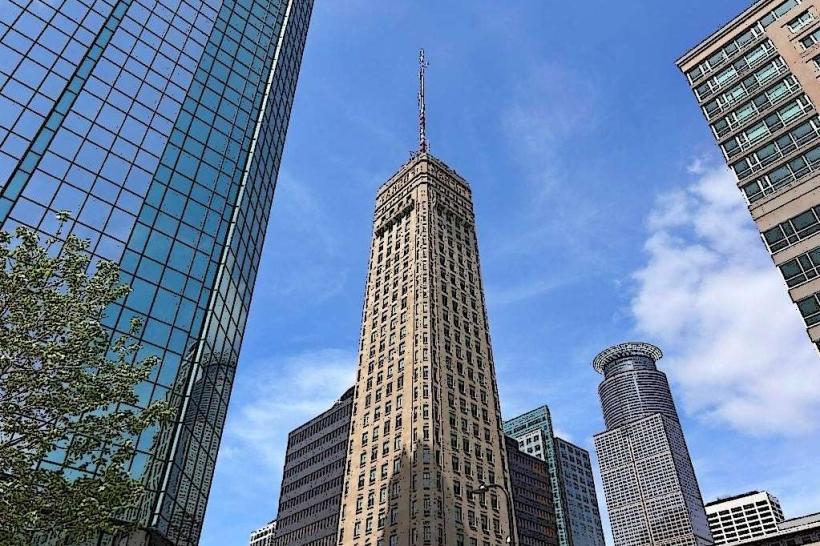
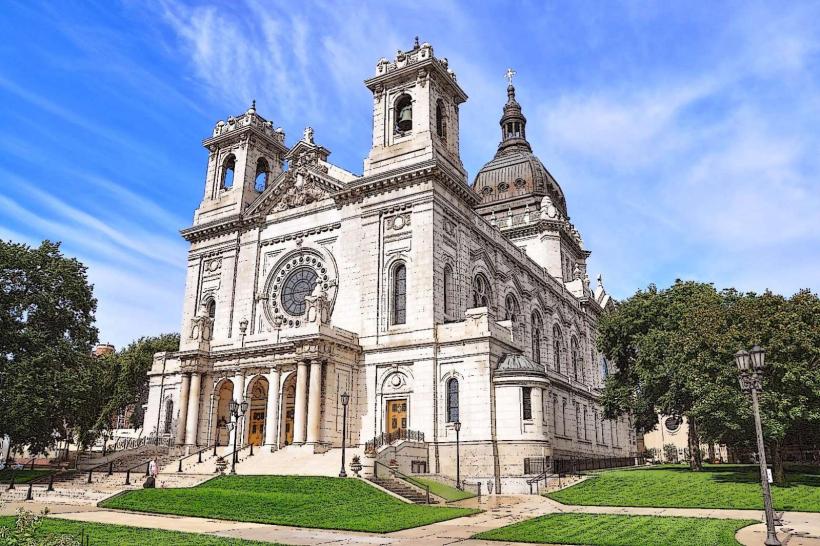
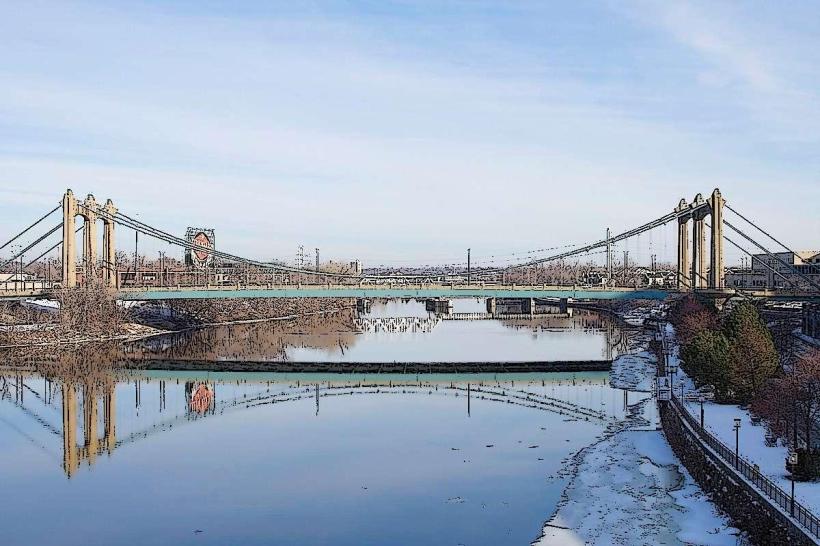
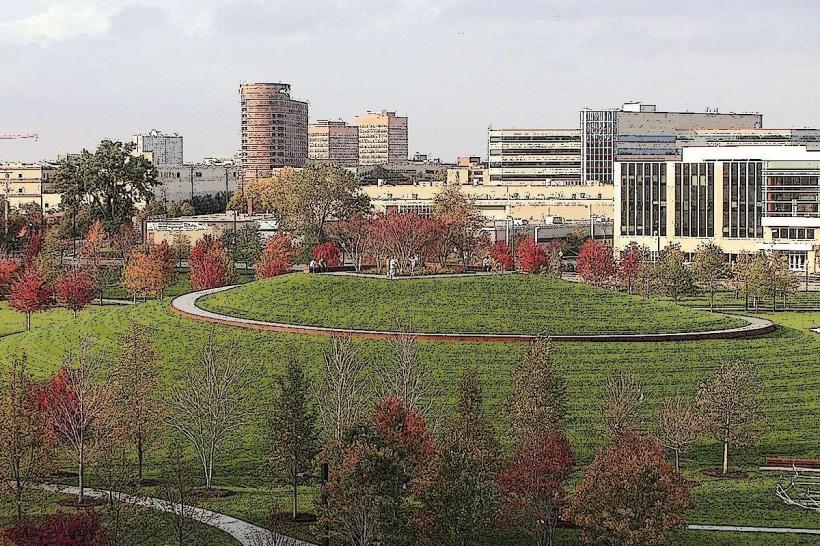
Minneapolis is an independent city and the seat of Hennepin County, situated on the banks of the Mississippi River. Known as the "City of Lakes," it is defined by its massive park system, its history as the world’s flour milling capital, and its contemporary status as a premier global hub for medical technology and the arts.
Historical Timeline
Inhabited by the Dakota people, specifically centered around Bde Maka Ska and St. Anthony Falls. Primary governance eras began with the 1856 incorporation and the harnessing of St. Anthony Falls for lumber and flour production. A critical historical event was the 1880s boom that made Minneapolis the "Mill City," dominated by Pillsbury and General Mills. The late 20th century saw the city become the birthplace of the "Minneapolis Sound" (pioneered by Prince), while the 21st century has been characterized by intense social activism and urban redevelopment in the North Loop and Northeast districts.
Demographics & Population
The population is approximately 425,000 (Twin Cities Metro ~3.7 million). The demographics are White (60%), Black or African American (18%), Hispanic or Latino (10%), and Asian (6%). The city hosts a significant Somali and Hmong diaspora. The economy is driven by Fortune 500 headquarters (Target, U.S. Bank) and the "Medical Alley" technology corridor.
Urban Layout & Key Districts
Minneapolis is organized on a grid system bisected by the Mississippi River.
North Loop (Warehouse District): A former industrial zone now serving as the city’s premier center for luxury lofts, high-end dining, and tech startups.
Northeast (NE): An artistic hub known for its craft breweries, the Northrup King Building, and a deep Eastern European heritage.
Uptown: A high-density residential and retail district centered on the "Chain of Lakes," popular for nightlife and recreation.
Dinkytown: The historic student district adjacent to the University of Minnesota Twin Cities campus.
Mill District: A riverfront area housing the ruins of the flour industry and major cultural institutions like the Guthrie Theater.
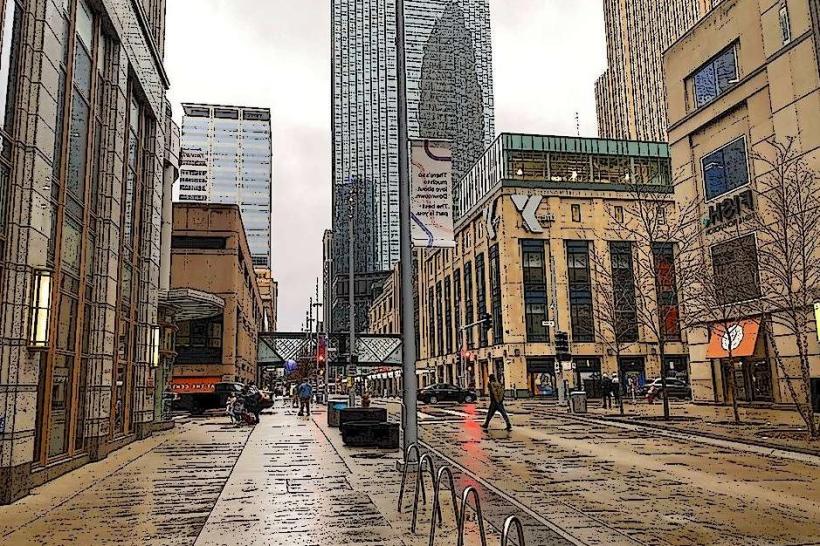
The Skyway System: A 15-km network of enclosed, climate-controlled pedestrian bridges connecting 80 city blocks downtown.
Top City Landmarks
Minneapolis Sculpture Garden: Home to the iconic Spoonbridge and Cherry sculpture.
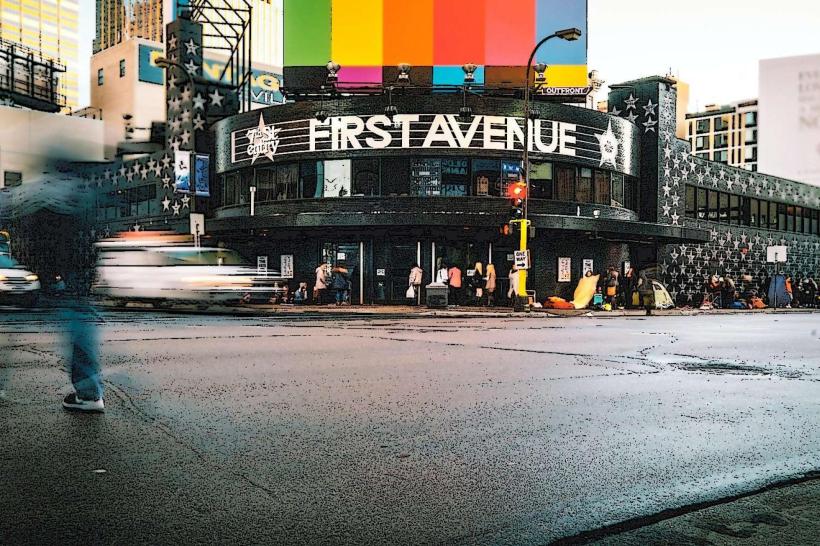
First Avenue: The legendary independent music venue made world-famous by Prince in Purple Rain.
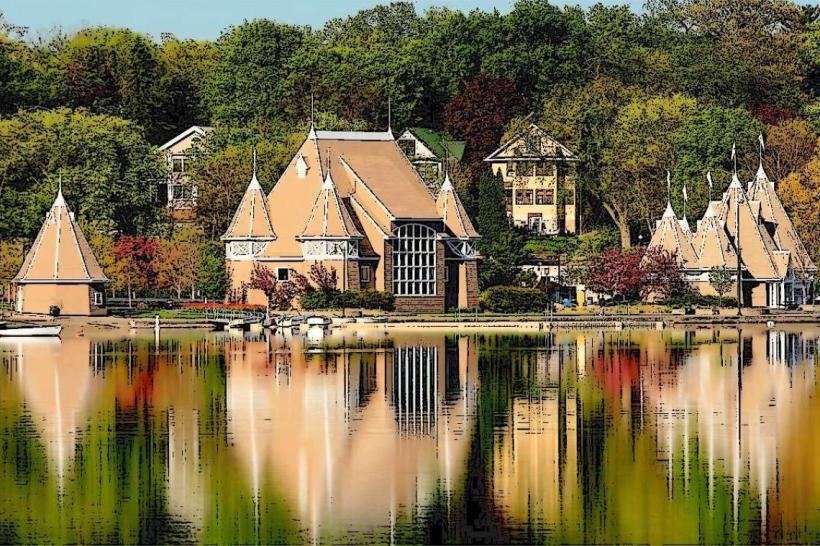
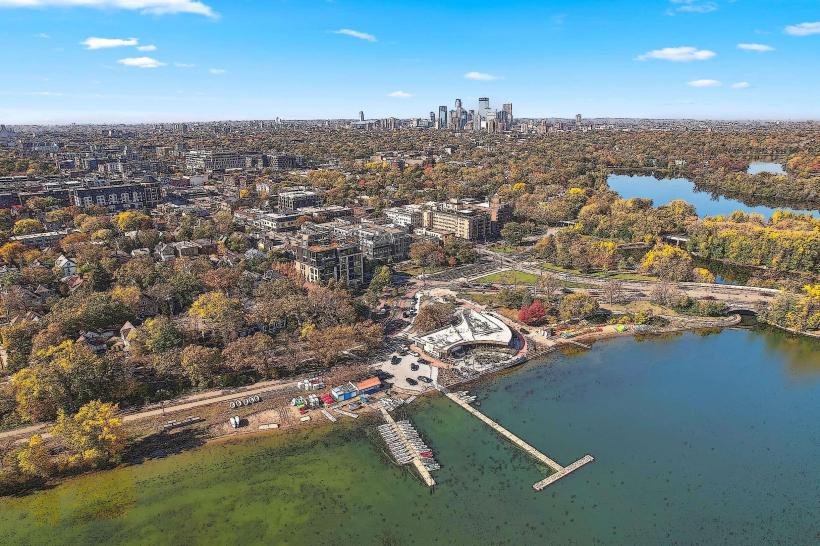
Chain of Lakes: A series of interconnected urban lakes (Bde Maka Ska, Harriet, Isles, Cedar) featuring 80+ km of trails.
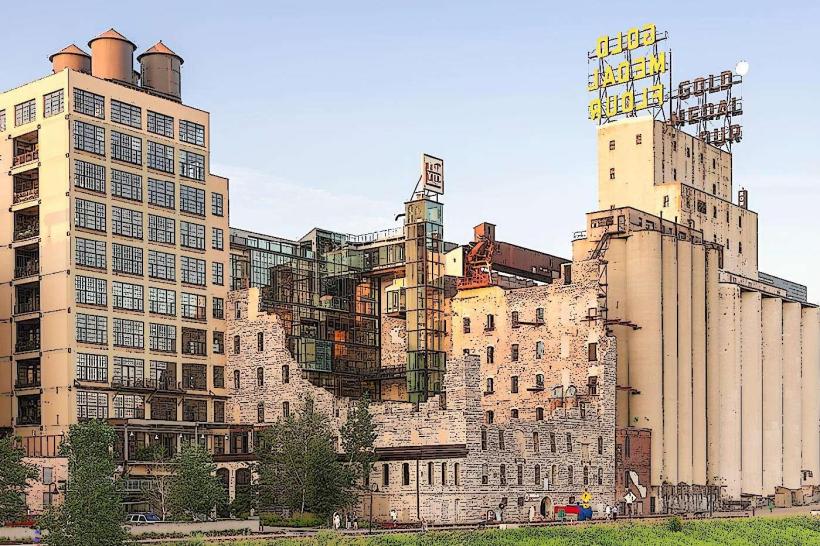
Mill City Museum: Built within the ruins of the Washburn "A" Mill, documenting the city's industrial rise.
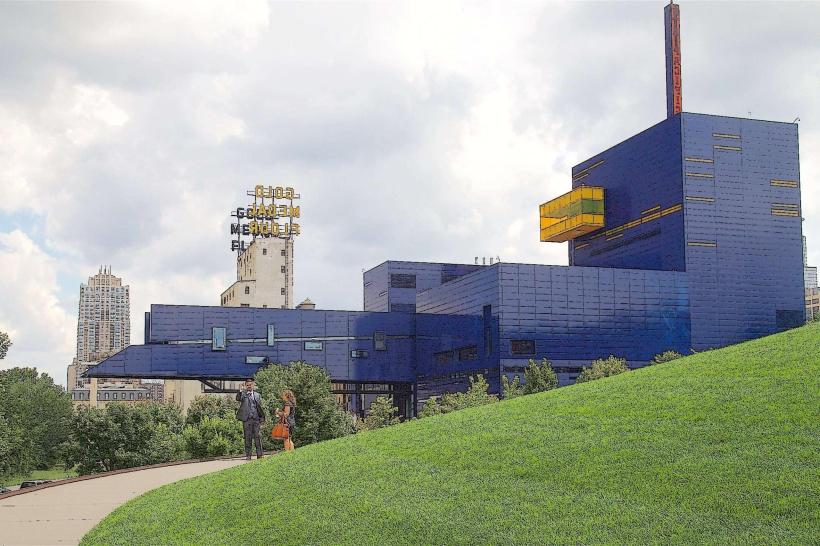
Guthrie Theater: A striking blue-clad architectural landmark featuring a 53-meter "Endless Bridge" cantilevered over the river.
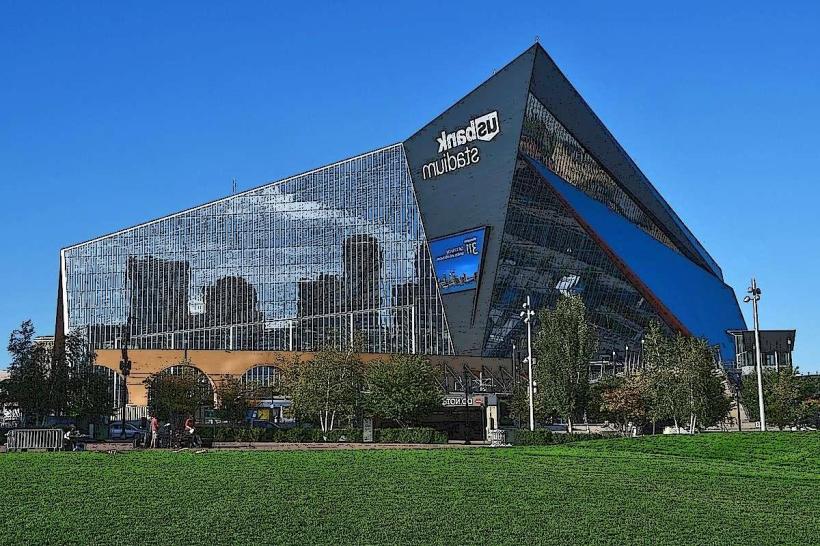
U.S. Bank Stadium: A high-modernist fixed-roof stadium home to the NFL Vikings, designed to resemble jagged ice formations.
Transportation Network
Movement is supported by an extensive Light Rail (Blue and Green Lines) and the Metro Transit bus system. The city is a major junction for I-35W and I-94. Commercial air service is via Minneapolis-St. Paul International (MSP). Minneapolis is consistently ranked as the most bikeable city in the U.S., anchored by the Nice Ride bike-share system and the "Greenway" rail-trail.
Safety & "Red Zones"
The general safety level is moderate. Property crime and carjackings have increased significantly since 2020. Caution is advised at night in the Whittier neighborhood, parts of North Minneapolis, and the Lake Street corridor due to localized violent crime. There are no officially designated "red zones." Environmental hazards include extreme sub-zero winter temperatures and high-intensity summer thunderstorms/tornado risk.
Digital & Financial Infrastructure
Internet speeds average 600+ Mbps with fiber availability via US Internet and CenturyLink (Quantum). Main mobile carriers are Verizon and AT&T. Card acceptance is universal. ATMs are concentrated in the Downtown and Uptown cores.
Climate & Air Quality
Temperatures range from -15°C to -4°C in winter and 18°C to 29°C in summer. The city experiences some of the most extreme temperature variances in the U.S. Air quality is exceptionally high.
Culture & Social Norms
The standard tipping percentage is 20–25%. A polite but reserved "Minnesota Nice" greeting is standard. Dress codes are "Clean-Casual" or "Nordic-Functional." The city is culturally defined by its Nordic Heritage, its obsession with Juicy Lucy burgers (cheese-stuffed), and its fierce loyalty to the local arts scene.
Accommodation Zones
North Loop: Recommended for boutique hotels and proximity to elite dining.
Downtown / Skyway: Recommended for business and proximity to sports venues.
Uptown: Recommended for younger travelers seeking access to the lakes and nightlife.
Local Cost Index
1 Espresso: $4.75 (USD)
1 Standard Lunch: $19.00 (USD)
1 Juicy Lucy Burger: $14.00–$18.00.
Nearby Day Trips
Stillwater, MN: (30 km east; a historic river town and the "Birthplace of Minnesota").
Mall of America: (15 km south; the largest shopping and entertainment complex in North America).
Lake Minnetonka: (25 km west; an affluent lake district featuring historic steamships).
Facts & Legends
Minneapolis and St. Paul are the "Twin Cities," but Minneapolis is historically the industrial "mill" city while St. Paul is the political "capital" city. Historically, the Honeycrisp Apple was developed at the University of Minnesota. A local legend involves the "Mini-Movers," an urban myth about a secret society that maintains the Skyway system at night. Another legend concerns the "Ghost of the Guthrie," a spectral figure rumored to inhabit the catwalks of the original theater.