Information
Landmark: Walker Art CenterCity: Minneapolis
Country: USA Minnesota
Continent: North America
Walker Art Center, Minneapolis, USA Minnesota, North America
The Walker Art Center is a premier contemporary art institution located in Minneapolis, Minnesota. It stands as one of the most influential and progressive modern art centers in the United States, known not only for its thought-provoking exhibitions but also for its bold programming across multiple disciplines, including visual art, performing arts, film, and design. Its mission is rooted in advancing contemporary culture through a deep commitment to experimental art and public engagement.
Historical Background
The origins of the Walker Art Center date back to 1879 when Thomas Barlow Walker, a lumber baron and art collector, opened part of his personal art collection to the public. His collection eventually led to the establishment of the Walker Galleries in 1927. The institution transformed dramatically in 1940 when it became the Walker Art Center, aided by support from the federal Works Progress Administration. From that point forward, the Walker took a decisive turn toward championing contemporary art and living artists-an uncommon direction at the time, setting it apart from more traditional museums.
Architecture and Campus
The architecture of the Walker Art Center is an artwork in itself. Its original modernist structure, designed by Edward Larrabee Barnes, opened in 1971 with minimalist white cube galleries and a functional layout prioritizing art above aesthetics. This building was later expanded in 2005 by internationally acclaimed architects Herzog & de Meuron. Their design added striking new elements including a steel-mesh-clad tower and rooftop terraces. The new façade and layout brought a sense of bold experimentation and public engagement, reflecting the Walker’s evolving identity.
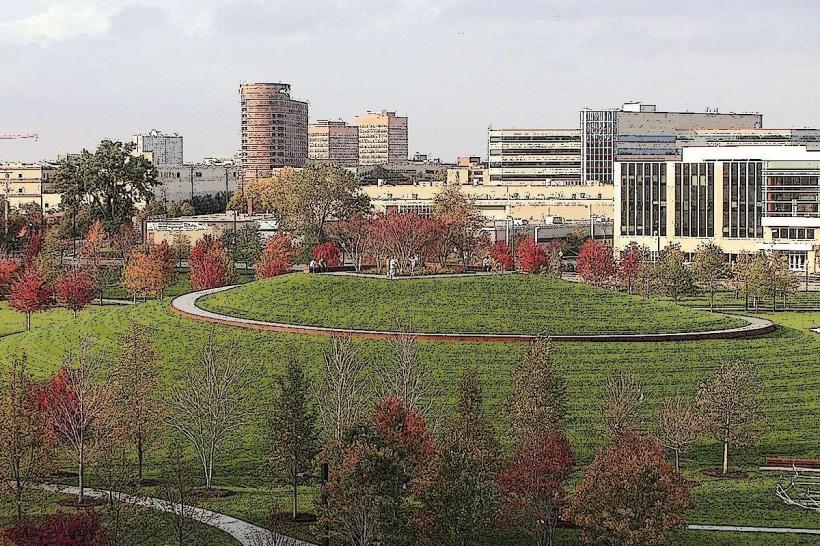
The 2005 expansion also introduced the McGuire Theater, which became the heart of the Walker’s performing arts programming. In 2016 and 2017, further changes unified the campus with the adjacent Minneapolis Sculpture Garden, creating a 17-acre arts and nature complex. The renovation introduced sustainable landscaping, native plantings, and a new entrance pavilion with improved accessibility and green design elements like a planted roof and energy-efficient windows.
Collections and Exhibitions
The Walker Art Center's permanent collection is composed of over 13,000 works that reflect the most significant movements in post-1960s contemporary art. The collection includes painting, sculpture, photography, video, performance documentation, graphic design, artists’ books, and more. Notable artists featured in the collection include Andy Warhol, Cindy Sherman, Kiki Smith, Jasper Johns, and Kara Walker.
Exhibitions at the Walker are known for being conceptually ambitious and often boundary-pushing. Rather than relying on static displays, the curators develop rotating thematic or solo shows that reflect pressing cultural, political, and social issues. Past landmark exhibitions have included retrospectives of Joseph Beuys, Yves Klein, and contemporary surveys like “International Pop” and “Hippie Modernism.” The Walker’s approach is collaborative, often involving artists directly in the presentation of their work.
Performing Arts
What sets the Walker apart from most contemporary museums is its fully developed performing arts program, which has been central to its identity since the 1970s. The McGuire Theater hosts a wide variety of performances in dance, theater, music, and spoken word. The Out There series, launched in 1989, is a highlight of the program, showcasing cutting-edge performances from international artists and collectives.
The institution has played a significant role in the careers of artists such as Merce Cunningham, Laurie Anderson, and Ralph Lemon by offering them both stage time and space to experiment. The performing arts initiative reflects the Walker’s broader commitment to cross-disciplinary creativity and innovation.
Film and Moving Image
The Walker Art Center also maintains a robust film and video program. It curates independent, international, and avant-garde cinema and is home to the Ruben/Bentson Moving Image Collection, which includes more than 1,000 works. Film series, artist retrospectives, and director talks are regularly held in their state-of-the-art cinema. The museum also commissions new moving image works, further demonstrating its support for living artists.
Education and Public Engagement
Education is integral to the Walker’s mission. Programs are designed to reach a diverse audience, including children, teens, families, and adults. The museum offers Free First Saturdays, which provide family-friendly events, art-making activities, and performances. Target Free Thursday Nights give visitors free access to galleries and live programming each week.
Teen programs like the Teen Arts Council empower young people to engage with art as creators and cultural critics. The Walker also hosts artist talks, workshops, and academic partnerships, making it a learning center as much as an exhibition space.
Digital outreach is significant as well. The Walker Reader, an online publication, features essays, interviews, artist reflections, and scholarly writing that deepen public understanding of contemporary art and the issues it engages.
Sustainability and Landscape Design
The Walker’s recent campus unification placed heavy emphasis on sustainability and public accessibility. Landscape design by Inside/Outside in collaboration with HGA transformed the grounds into a green, walkable, and inviting public space. Rainwater harvesting systems were integrated to reduce environmental impact. Native and pollinator-friendly plants now line pathways, encouraging biodiversity. Public art was installed within the new landscaping, turning outdoor space into an extension of the museum.
This approach reflects a broader philosophy-art is not confined to walls and should be embedded in the fabric of daily life.
Amenities and Visitor Experience
Visitors to the Walker can enjoy the Walker Shop, a carefully curated design store featuring contemporary art books, artist-designed items, jewelry, and gifts. The museum’s in-house restaurant, Cardamom, offers Mediterranean cuisine using locally sourced, seasonal ingredients. The dining area includes views of the city skyline and the adjacent Sculpture Garden, creating a relaxing setting to complement the art experience.
The Walker is fully ADA-accessible, with elevators, ramps, tactile guidance, and sensory-friendly programming to accommodate all visitors. Signage is bilingual and inclusivity-focused, ensuring that the museum can be a place for everyone.
Relationship with Minneapolis Sculpture Garden
The Walker Art Center shares stewardship of the Minneapolis Sculpture Garden with the Minneapolis Park & Recreation Board. This world-famous garden sits just across the street and features over 40 large-scale sculptures, including the iconic Spoonbridge and Cherry. The garden is free to enter, open year-round, and seamlessly connects to the Walker’s indoor galleries. It expands the museum’s footprint and embodies the Walker’s dedication to public art, community access, and outdoor engagement.
Conclusion
The Walker Art Center is not just a museum-it’s a living, breathing hub of creativity, innovation, and engagement. It has redefined what an art institution can be by embracing not just visual arts, but also performance, film, education, and design. With its bold architecture, inclusive programming, and integration with the city’s public spaces, the Walker stands as a landmark of cultural progress and artistic possibility in the heart of Minneapolis.