Information
Landmark: Chain of Lakes ParkCity: Minneapolis
Country: USA Minnesota
Continent: North America
Chain of Lakes Park, Minneapolis, USA Minnesota, North America
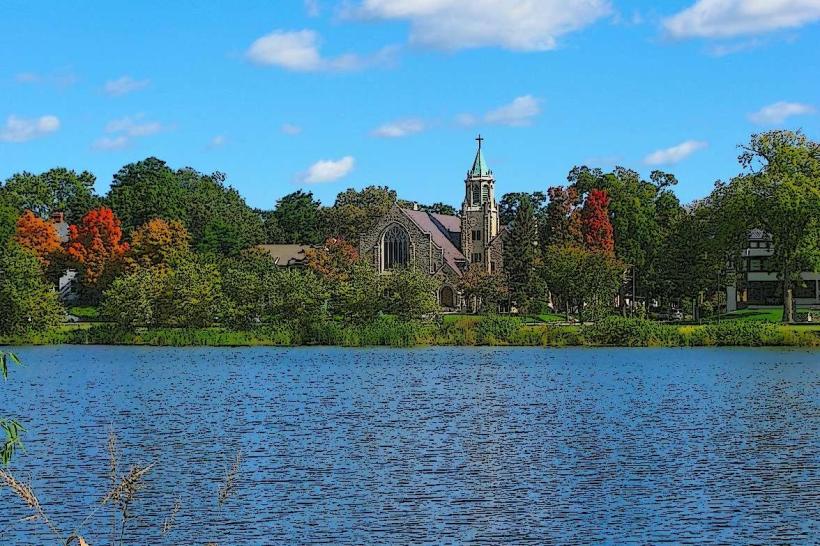
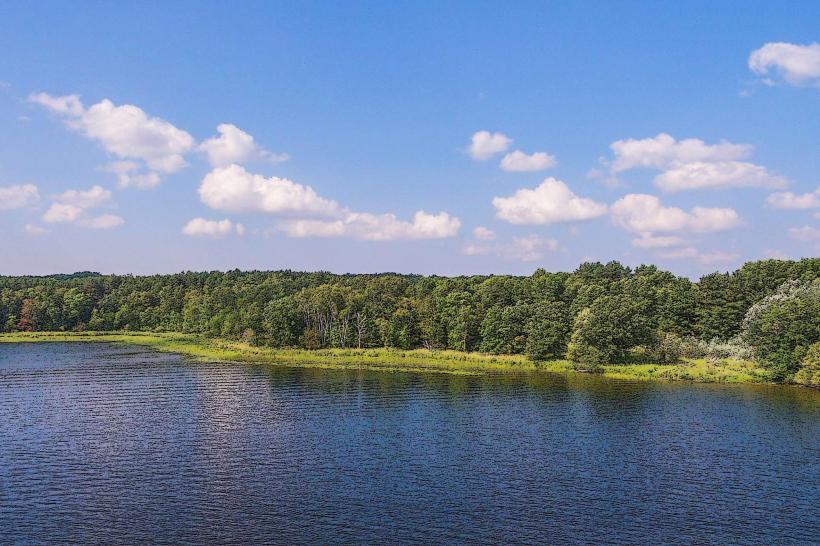
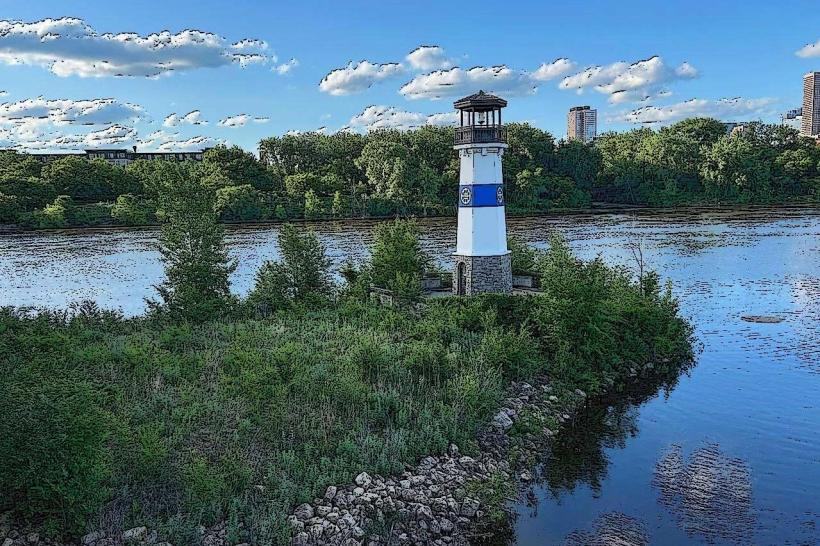
Chain of Lakes Regional Park in Minneapolis is a premier urban park system that combines natural beauty, recreational opportunities, and cultural experiences across a series of five interconnected lakes and extensive surrounding parklands. It is a central part of the city’s celebrated Grand Rounds National Scenic Byway, which is a 51-mile loop of parks, parkways, trails, and green spaces designed to provide residents and visitors with exceptional access to nature within an urban environment.
Historical Background and Development
The Chain of Lakes concept originated in the late 19th and early 20th centuries as Minneapolis sought to preserve and connect its natural water bodies for public enjoyment and health. Landscape architects like Horace W.S. Cleveland and Theodore Wirth played key roles in shaping the park system. Theodore Wirth, in particular, engineered a canal in 1911 that connected Bde Maka Ska (formerly known as Lake Calhoun) to Lake of the Isles, enhancing water flow and recreational access. Cedar Lake was incorporated into the park system in 1913, followed later by Brownie Lake, completing the five-lake chain.
These lakes and their surrounding lands were integrated into a broader vision of interconnected green spaces, trail systems, and parkways that form the backbone of Minneapolis’s outdoor recreation infrastructure. Over the decades, the park system has been maintained and expanded with a focus on balancing recreational use, environmental conservation, and urban accessibility.
Geography and Layout
Chain of Lakes Regional Park covers roughly 1,550 acres of parkland, including the water surfaces of five lakes:
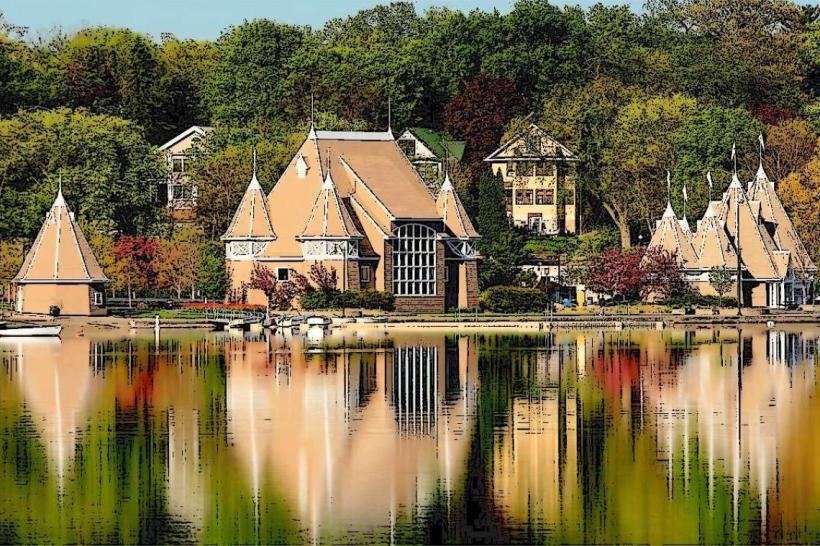
Lake Harriet (approximately 335 acres): The largest developed lake in the system, with well-maintained beaches and a historic bandshell.
Bde Maka Ska (about 794 acres): The largest lake in Minneapolis, offering expansive recreational facilities.
Lake of the Isles (around 109 acres): A smaller, more tranquil lake known for its scenic shoreline and wooded islands.
Cedar Lake (approximately 169 acres): Less developed with a more natural shoreline and wooded surroundings.
Brownie Lake (the smallest, roughly 60 acres): Noted for its largely undeveloped, natural shoreline providing valuable habitat.
The park is interconnected by an extensive network of trails and parkways, including the popular biking and pedestrian paths that circle the lakes and connect to other city parks and neighborhoods. The Grand Rounds Scenic Byway, which passes through the Chain of Lakes, provides a continuous, safe, and scenic route for cyclists and walkers.
Recreational Features and Activities
The Chain of Lakes is a hub for diverse outdoor activities that attract a wide range of users year-round.
Water Activities:
The lakes support a variety of water recreation such as swimming, kayaking, canoeing, paddleboarding, and sailing. Lake Harriet and Bde Maka Ska are particularly popular for boat rentals and sailing clubs.
Non-motorized boats are favored to preserve the peaceful atmosphere and water quality.
Trails and Pathways:
There are over 15 miles of paved biking trails and nearly 15 miles of pedestrian walkways. These trails form loops around the lakes and connect to regional paths, offering scenic views and safe travel through urban and natural settings.
The trails accommodate walkers, joggers, cyclists, rollerbladers, and dog walkers, with accessibility for wheelchairs and strollers on paved paths.
Swimming and Beaches:
The park features several well-maintained beaches, especially on Lake Harriet and Bde Maka Ska, with lifeguards during the summer months.
Beaches provide picnic areas, restrooms, and concessions, making them family-friendly destinations.
Parks and Playgrounds:
Surrounding the lakes are multiple picnic areas with shelters, playgrounds, and open grassy spaces for informal sports or relaxation.
Sports courts and fields for tennis, volleyball, and soccer are also available near some lakes, especially Lake Harriet.
Winter Activities:
In colder months, the lakes freeze over and become venues for ice skating, cross-country skiing, and snowshoeing.
Maintained ice rinks and warming houses are provided at Lake Harriet and Lake of the Isles.
Environmental Stewardship and Wildlife
Maintaining ecological balance and water quality is a core focus of the park’s management. Efforts include:
Restoration of native plantings along shorelines to reduce erosion and improve habitat.
Stormwater management projects designed to filter runoff before it enters the lakes.
Preservation of natural islands, wetlands, and wooded areas to support bird nesting and wildlife habitat.
Regular monitoring of water quality and invasive species control.
The park is a haven for urban wildlife such as herons, loons, ducks, turtles, and migratory songbirds. The Roberts Bird Sanctuary near Lake Harriet offers a protected area for birdwatching and nature study.
Cultural and Community Significance
The Chain of Lakes area is more than a natural and recreational resource; it is a vibrant cultural destination:
The Lake Harriet Bandshell is a historic open-air venue hosting free summer concerts, theatrical performances, and movie nights, drawing large community audiences.
Nearby, Lyndale Park Gardens offer horticultural beauty with themed gardens and formal landscapes.
Seasonal events and festivals often take place in the park system, celebrating art, music, nature, and community.
The lakeside neighborhoods surrounding the Chain of Lakes are among Minneapolis’s most desirable residential areas, featuring historic homes and a strong commitment to park stewardship.
Visitor Information
Hours: Developed park areas are open daily from 6 a.m. to midnight, while undeveloped areas close at 10 p.m.
Accessibility: Most trails are paved and wheelchair accessible, with ample parking near major lakes.
Facilities: Restrooms, drinking fountains, picnic shelters, and concessions are available at key locations.
Transportation: Easily accessible by bike, car, and public transit, with several bike rental and repair shops nearby.
Summary
The Chain of Lakes Regional Park offers a unique blend of natural splendor, active recreation, and cultural enrichment within an urban setting. It is a cornerstone of Minneapolis’s identity and quality of life, providing residents and visitors a refreshing escape into nature combined with vibrant community experiences. Whether enjoying a leisurely bike ride, a lakeside concert, a swim on a summer day, or a snowy winter skate, the Chain of Lakes delivers year-round opportunities to connect with the outdoors and each other.