Information
Landmark: Owers CornerCity: Provice Area
Country: Papua New Guinea
Continent: Australia
Owers Corner, Provice Area, Papua New Guinea, Australia
Overview
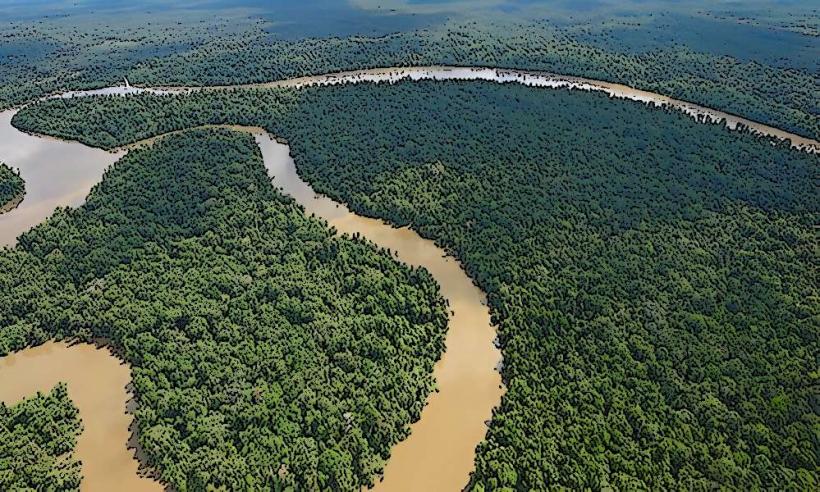
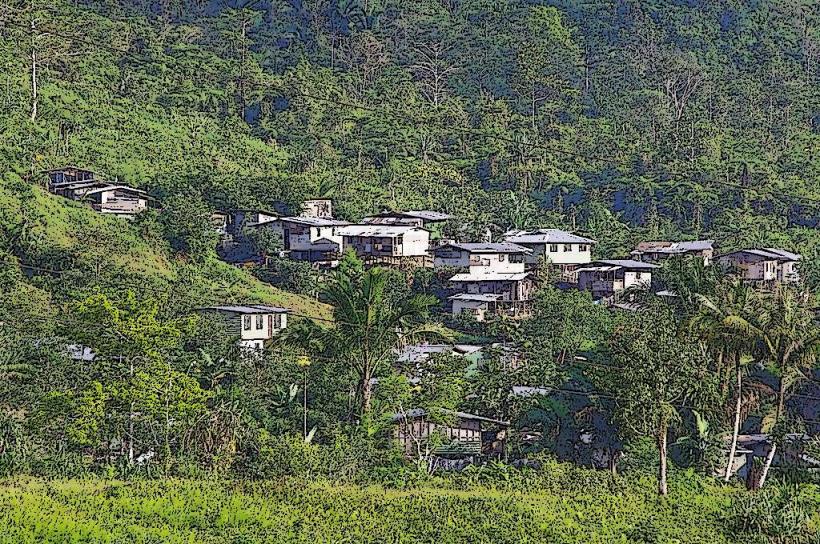
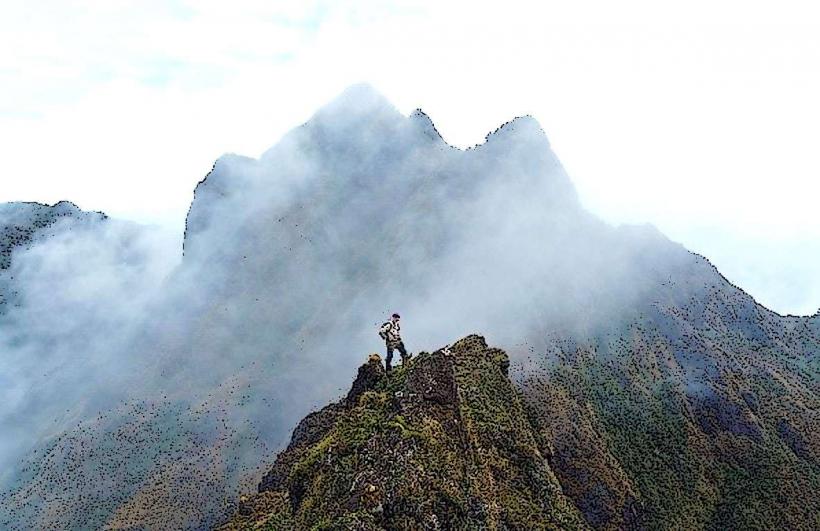
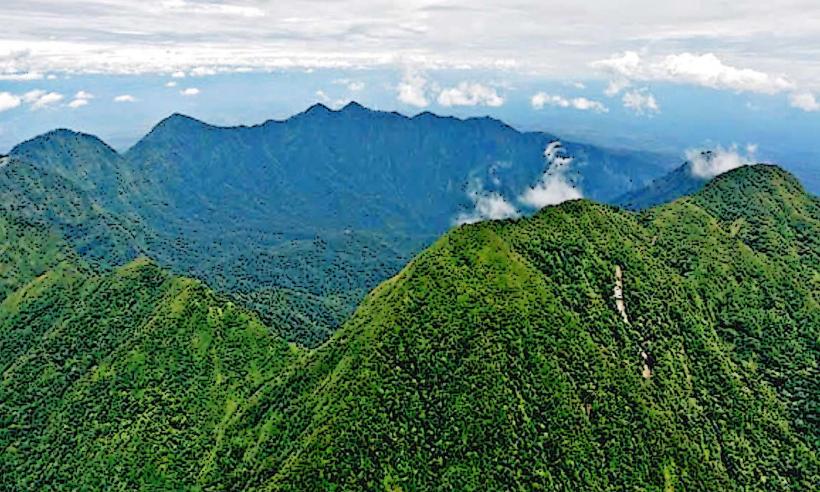
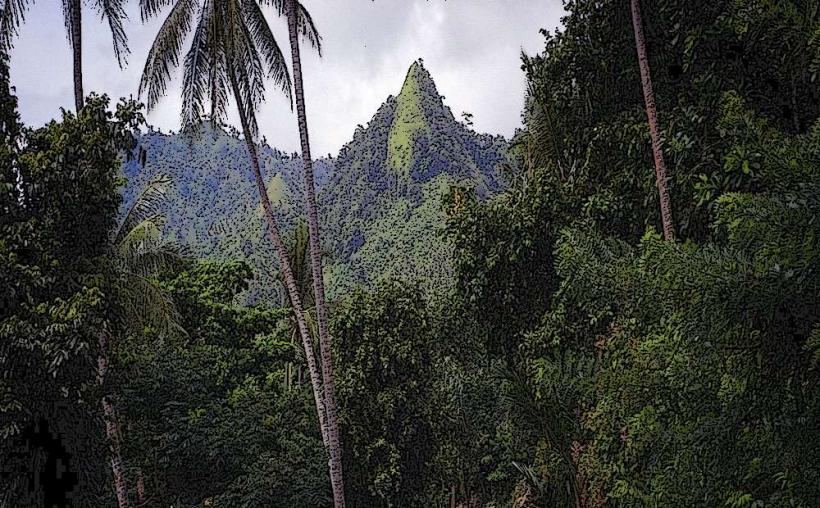
Owers Corner sits in Papua innovative Guinea’s Central Province, a setting rich with history where the Kokoda Track begins beneath a sky that often smells of rain, and it’s famous for its locale in Kokoda Track history, tied closely to World War II, when muddy boots and weary soldiers marked its ground.Here’s a quick snapshot of Owers Corner: tucked in Oro Province up north, it’s reached through Central Province, and marks the very start of the Kokoda Track, where the red dirt road suddenly gives way to dense green jungle, on top of that owers Corner sits about 50 kilometers (31 miles) northeast of Port Moresby, the capital of Papua fresh Guinea, at roughly 9.08° S, 146.93° E; it rests in the foothills of the Owen Stanley Range, where steep green slopes rise into the rugged Central Highlands, mildly Steep mountains wrapped in dense, shadowy rainforest rise around the site, creating a dramatic backdrop for its history, meanwhile owers Corner marks the starting point of the legendary Kokoda Track, a venue etched into World War II’s Kokoda Campaign.From July to November 1942, the Kokoda Track wound through dense, rain-soaked jungle and became the scene of fierce fighting between Australian and Japanese forces, as AIF soldiers battled to halt the enemy’s push toward Port Moresby, equally important the Japanese set their sights on taking Port Moresby as part of a broader Pacific campaign, but Australian troops-helped by Papuan carriers known as the Fuzzy Wuzzy Angels-pushed back hard, for the most part From Owers Corner, where red earth clung to their boots, the Australians began their long march along the Kokoda Track to meet the enemy, furthermore at Owers Corner, a weathered memorial stands in honor of the soldiers who fought and the Papuan carriers who stood beside them, their names etched deep into stone.Today, this quiet spot marks the first step onto the Kokoda Track, one of the world’s most legendary and demanding hikes, in turn the Kokoda Track winds for 96 kilometers (60 miles) through dense jungle, up sharp mountain ridges, and across rivers that churn and roar after heavy rain.Those who tackle it push through punishing climbs, slippery paths, and the thick, wet heat of a rainforest where the weather can turn without warning, in turn the trek stirs both heart and spirit, with weathered plaques and quiet memorials along the trail honoring the sacrifices of soldiers and carriers from the campaign, maybe At Owers Corner, one bronze plaque gleams in the sun, paying tribute to Australian soldiers, Papuan carriers, and the Fuzzy Wuzzy Angels who carried hope through the jungle, along with here, you’ll also find the Kokoda Track Memorial Walkway, a quiet path lined with plaques, honoring those who fought in the Kokoda Campaign, and remembering the “Fuzzy Wuzzy Angels” - Papuan men who carried supplies and helped evacuate wounded Australian soldiers through the dense, rain-soaked jungle, roughly These men were vital to the campaign’s success, and their contributions are honored at Owers Corner and all along the Kokoda Track, then in the hills nearby, minute villages still thrive, where families tend gardens of sweet potatoes and keep their traditions alive, not entirely Many locals work as guides and porters along the Kokoda Track, sharing stories of village life and wartime history while helping trekkers shoulder their loads, consequently owers Corner still stands as the main gateway for anyone setting out on the famous trail.The trek draws adventurers and history buffs eager to follow the soldiers’ path and wander across one of World War II’s most pivotal battlegrounds, as a result at Owers Corner, the air smells faintly of damp earth as visitors explore displays on the Kokoda Campaign and the fierce battles fought along the track.Guided tours and information boards help visitors grasp the site’s historical and cultural value, highlighting both the military efforts and the role of local communities-stories told beside weathered photographs and faded maps, moreover beyond its past, Owers Corner also forms part of Papua current Guinea’s wider eco‑tourism experience.Thick rainforest wraps around Owers Corner, part of the Owen Stanley Ranges, where the air smells of damp earth and birds call from the canopy; it’s a destination that lures adventurers and conservationists alike, likewise thick vines twist through rocky slopes, creating an ecological hotspot teeming with diverse life.As far as I can tell, The rainforest teems with birds, insects, plants, and other wildlife, from radiant macaws to ants marching over damp leaves, as a result the trek’s biggest challenge is the tropical climate-thick, wet heat and sudden downpours that can drench you in minutes.On the Kokoda Track, mudslides and swollen rivers can turn the trek into a tough - and sometimes unsafe - journey, the kind where each step sinks into thick, sucking mud, consequently yet those same conditions give the region its striking, lush beauty, with hills rolling out in deep green, maybe Oddly enough, You can reach Owers Corner by road from Port Moresby, the closest city, besides the drive usually runs an hour or two, longer if the roads are slick or packed with traffic, maybe Actually, Most of the road is unsealed, and when the rains come, it turns slick and rutted, what’s more in Port Moresby, local guides and tour operators can take you along the Kokoda Track, leading treks and sharing its history step by step.At Owers Corner, visitors will find simple facilities-slight shaded rest stops, weathered information boards, and quiet memorials that share the area’s story; yet as one of Papua novel Guinea’s most visited historical sites, it faces the tricky task of welcoming tourists while protecting its wild landscape and honoring its past, and although work is underway to improve roads and other infrastructure, the setting stays remote and can be cut off entirely when heavy rains turn the tracks to deep red mud, standing as a lasting tribute to the courage and sacrifice of those who fought in the Kokoda Campaign of World War II, equally important it’s the gateway to one of the toughest treks on Earth, and a quiet spot where you might pause to hear the wind move through the pines., mildly
Author: Tourist Landmarks
Date: 2025-09-09