Information
Landmark: Parque Nacional Henri PittierCity: Valencia City
Country: Venezuela
Continent: South America
Parque Nacional Henri Pittier, Valencia City, Venezuela, South America
Overview
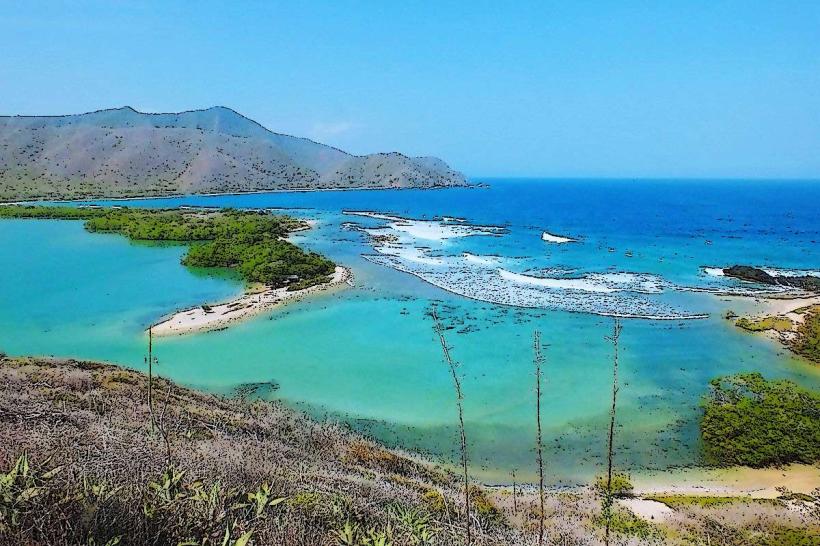
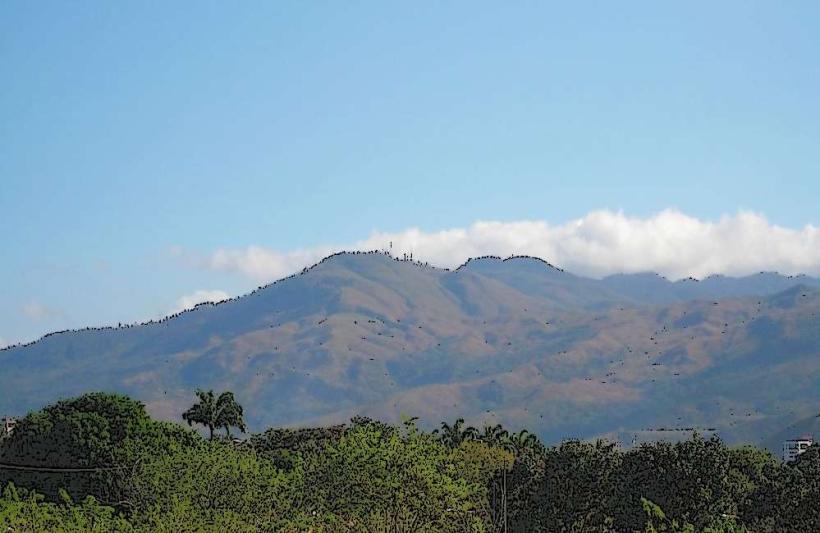
Parque Nacional Henri Pittier, Venezuela’s oldest national park, was established in 1937 and still shelters misty mountain trails where toucans call at dawn, not only that it’s named for Swiss botanist and geographer Henri Pittier, who spent years trekking through Venezuela’s forests and cataloging its rich ecosystems.Stretching across Aragua and Carabobo states, the park spans 107,800 hectares, with dense green slopes that make it one of the nation’s most vital protected areas, as a result it’s known for its incredible mix of wildlife, sweeping green valleys, and vital role in the ecosystem.Truthfully, Geography and Climate: The park splits into two distinct zones, and in the mountainous region, the Coastal Mountain Range (Cordillera de la Costa) rises with jagged peaks topping 2,000 meters above sea level, along with the park stretches to the Caribbean shore, where warm sandy beaches, dazzling coral reefs, and tangled mangroves shelter a rich variety of marine life.Because the park rises and falls in elevation, its climate shifts dramatically-from misty, cool cloud forests where moss drips from branches to sunbaked tropical dry forests and warm, breezy coastal shores, equally important parque Nacional Henri Pittier bursts with life, sheltering an incredible range of plants and animals-about 43% of all Venezuela’s bird species, from tiny hummingbirds to shining scarlet macaws, thrive within its borders.Flora in the park ranges from misty, dense cloud forests to lush tropical rainforests, then shifts to the brittle, sun-bleached plants along the coast, in conjunction with you’ll find giant ferns towering above and orchids clinging to branches in the warm, damp forest air.Mahogany, cedar, and a handful of other hardwoods, their grain rich and smooth to the touch, in addition mangroves and other coastal plants spread thick along the low-lying shore, their roots twisting through brackish water.More than 580 bird species fill the skies, from shining-billed toucans and chattering parrots to circling hawks and the rare scissor-tailed hummingbird (Hylonympha macrocerca), also birdwatchers flock to the park, drawn by flashes of shining wings in the trees.Among the mammals here are jaguars, ocelots, sloths, howler monkeys whose calls echo through the trees, and anteaters, after that reptiles and amphibians include boa constrictors, shining green iguanas, and a range of frogs and salamanders.In a way, The park brims with things to do, from hiking high in the mountains to stretching out on a quiet beach, consequently take Choroni Road-El Camino de Choroní-a twisting route through lush green slopes, where the air smells of pine and the view spills all the way to the coast of Maracay.Hiking Trails: Winding paths cut through the misty cloud forest, where you might glimpse a sparkling toucan or pause beside a rushing waterfall, likewise portachuelo Pass sits high at 1,100 meters, a spot where birdwatchers gather to glimpse brightly feathered toucans in the mist.Playa Cata: a favorite stretch of golden sand where the water stays calm enough to hear the soft slap of tiny waves, equally important playa Cuyagua is famous for its powerful waves that crash hard against the shore, drawing surfers eager for a challenge.Playa Chuao, reachable only by boat, is known for its traditional cocoa plantations where the air smells faintly of roasting beans, likewise widely regarded as one of South America’s top birdwatching spots, it draws ornithologists from across the globe, eager to glimpse rare species flitting through the dense green canopy.Choroni and Chuao are historic coastal towns where colorful colonial houses line the streets, drums echo during Afro-Venezuelan music nights, rich cocoa beans dry in the sun, and lively festivals fill the plazas, subsequently even though it’s officially protected, the park still faces serious threats-illegal logging strips away antique-growth trees, and farmland keeps pushing deeper into its borders, loosely Wildfires tend to flare up in the dry season, sometimes sparked by a tossed cigarette or an unattended campfire, as a result pollution caused by tourism and careless trash dumping, like plastic bottles left on the beach.Climate change shifts rainfall patterns and disrupts biodiversity, from parched riverbeds to vanished songbirds, besides teaching visitors and tightening park rules are key to protecting its rich ecosystems, from the whispering pines to the clear, freezing streams.In the end, Parque Nacional Henri Pittier stands as one of Venezuela’s true treasures, where mist clings to green peaks and history runs deep, also its misty cloud forests, sunlit beaches, and vibrant wildlife make it a rare treat for hikers, birdwatchers, and anyone who loves the wild.Venezuela’s first national park still stands as a vital sanctuary, its forests alive with birdsong, but it needs steady care to survive for generations to come.
Author: Tourist Landmarks
Date: 2025-09-19