Information
Landmark: Rue des MiraclesCity: Port au Prince
Country: Haiti
Continent: North America
Rue des Miracles, Port au Prince, Haiti, North America
Overview
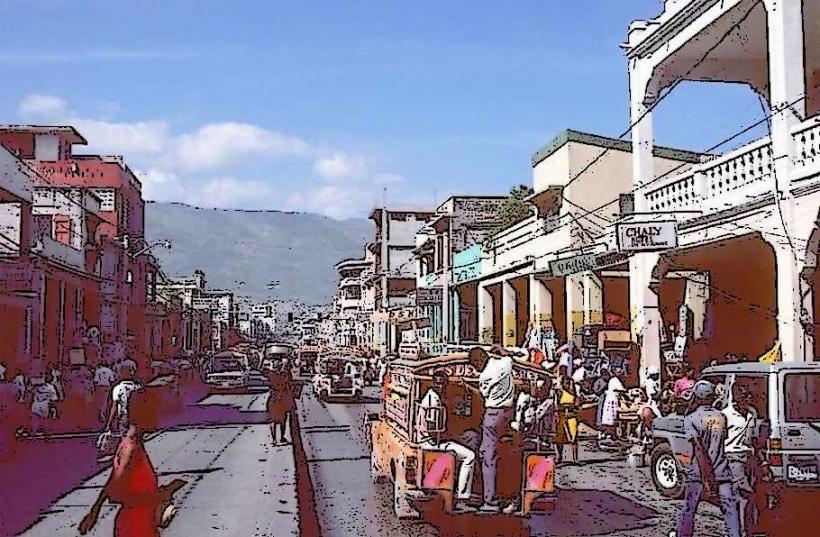
In Port-au-Prince, Haiti, Rue des Miracles-Street of Miracles-winds through the city with a history as rich as its colorful, sun-faded walls, after that the name “Rue des Miracles” carries an air of mystery and quiet reverence, long tied to Haiti’s religious rites and deep-rooted cultural traditions, like candles flickering in a tiny chapel at dusk.Steeped in history and woven into Haitian life, the street draws visitors eager to experience the city’s spirituality, hear its folklore, and discover its vibrant art, what’s more one.Historical and Cultural Background: Rue des Miracles sits in the heart of downtown Port-au-Prince, Haiti’s bustling capital, where street vendors call out over the hum of passing traffic, simultaneously it sits in the heart of a neighborhood that’s long been the city’s hub for social gatherings and cultural life.Rue des Miracles, lined with faded pastel facades, has deep roots in Haitian Vodou-a faith that weaves together African spiritual traditions, Catholic rites, and the island’s own indigenous beliefs, as a result the name “Rue des Miracles” speaks to its role as a spiritual heart of the city, where visitors arrive seeking blessings or divine help through Vodou ceremonies, chanting, and offerings of rum or flowers.For generations, it’s been tied to Vodou temples, alive with the voices of houngans and mambos leading rites, healings, and sacred rituals, and altars draped in sparkling cloth, carved figures, and symbols of the lwa often line the area, drawing locals and travelers alike to Rue des Miracles in search of guidance or protection.Its very name hints at a location steeped in the mystical, where people whisper about healing and wonders, after that many believe this locale carries a deep spiritual force-a quiet wind through the pines-where some find healing in body and mind, feel guided by unseen spirits, or spot their prayers answered.Local healers, known as marabouts, help people with everything from stubborn illnesses to unsettled spirits, sometimes offering a charm wrapped in vivid cloth; and beyond its sacred role, Rue des Miracles hums with color and creativity, celebrated for its vibrant spiritual art, moreover in this part of Port-au-Prince, artists line the street, painting religious and folk scenes alive with Vodou veves, luminous glimpses of Haiti’s past, and echoes of its deep-rooted traditions.This art captures the distinctive mix of African, Catholic, and Haitian spiritual traditions woven into Haiti’s religious life, what’s more local artisans craft vivid Vodou pieces-carved statues, painted ritual objects, and sparkling offerings-each honoring a specific spirit or deity.You’ll often find these crafts for sale along the street, their sparkling beads catching the sun, and over time they’ve become woven into Haiti’s cultural heritage, after that on Rue des Miracles, visitors might spot handmade masks, carved statues of the lwa, and other ritual objects-each tied to a different facet of Haitian Vodou, like a splash of luminous paint on weathered wood.For locals, the street is more than a market; it’s a spiritual heart where faith and community life pulse side by side, after that people come here not just for religious ceremonies, but to find advice, guidance, and a bit of comfort-like the quiet steadiness of a candle’s glow-when life feels uncertain.The street hums with a feeling of community and shared spirit, neighbors greeting each other over baskets of mangoes, after that beyond its local heartbeat, Rue des Miracles draws tourists and scholars eager to explore Haiti’s Vodou traditions and sacred rituals.Rue des Miracles offers a glimpse into Haiti’s spiritual traditions, drawing in those eager to explore the heart of its culture beyond historic forts and bustling markets, in turn the scent of burning incense drifts from doorways, a quiet sign of its role in keeping Vodou’s legacy alive.Though Haiti’s Vodou practitioners endure prejudice and behold their rituals pushed to the margins, Rue des Miracles still hums with drums and chants, keeping the traditions alive from one generation to the next-but like much of Haitian culture, it now weathers the pull of modern life, the bite of economic hardship, and the sweep of globalization, equally important still, the street remains a destination where traditional beliefs and cultural practices live on, shifting to match the changing needs of the Haitian people.During festivals, the scent of burning incense drifts through Rue des Miracles as it comes alive with Vodou ceremonies and joyous celebrations, equally important on Rue des Miracles, crowds often gather for major dates in the Haitian religious calendar-like Papa Legba’s day, honoring the spirit of the crossroads, or Fête Ghede, when drums pound for the spirits of the dead.The celebrations bring ritual dances, songs, and offerings to the spirits, and the street bursts into color and rhythm, like drums echoing through warm night air, alternatively it also comes alive during national festivals that honor Haiti’s history, music, and folk traditions.Frankly, Rue des Miracles, where the air hums with drums and incense, stands at the heart of national celebrations and moments of reflection, then visitors to Port-au-Prince drawn to Haitian spirituality, Vodou, or folk art will find it a rare and revealing site to wander, somewhat On this street, you catch a vivid glimpse of Vodou woven into daily life, its colors and rhythms shaping Haiti’s cultural and social heart, what’s more visitors can stop to chat with painters brushing sparkling blues onto canvas, greet spiritual leaders, or seek blessings from healers who keep the street’s energy alive.Many artists and practitioners gladly share their knowledge of Haiti’s religious heritage and cultural traditions, giving visitors a vivid sense of how spirituality shapes daily life-like the soft drumbeats echoing down a side street, also when you hike along Rue des Miracles, approach with genuine respect for its customs and sacred practices.This street is woven into the daily life and beliefs of the Haitian people, and knowing its cultural weight-like the murals splashed with dazzling blues and reds-makes a visitor’s experience far richer.
Author: Tourist Landmarks
Date: 2025-09-10