Information
Landmark: Stones River National BattlefieldCity: Nashville
Country: USA Tennessee
Continent: North America
Stones River National Battlefield, Nashville, USA Tennessee, North America
Overview
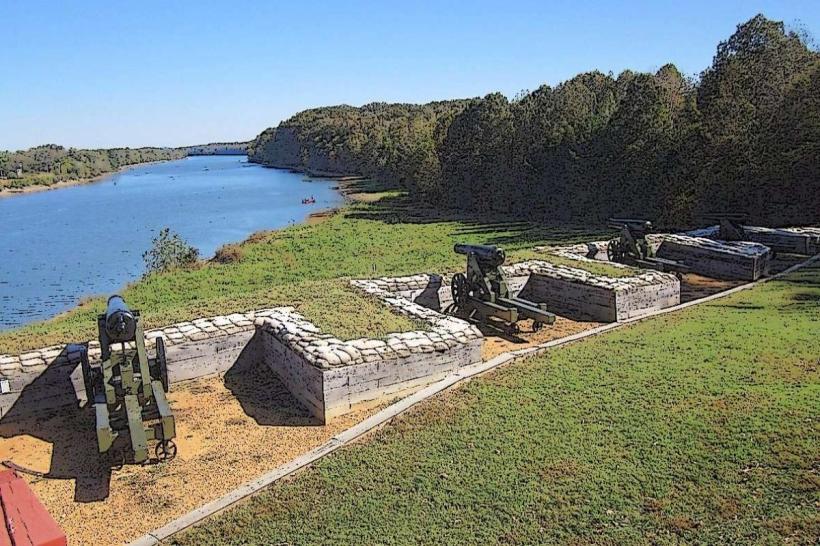
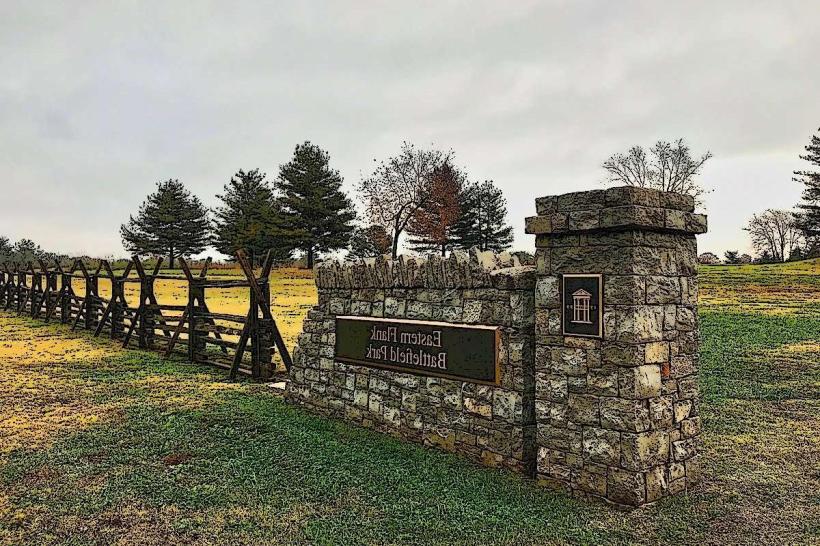
Just outside Murfreesboro, Tennessee, Stones River National Battlefield protects and brings to life the grounds where Union and Confederate forces clashed in the Battle of Stones River-also called the Second Battle of Murfreesboro-over three bitter winter days from December 31, 1862, to January 2, 1863, along with it was among the war’s bloodiest clashes, leaving staggering losses on both sides-muddy fields littered with torn uniforms-and its hard-won victory became key to securing Middle Tennessee for the Union.In a way, One, moreover the Battle of Stones River took destination between the Union’s Army of the Cumberland, commanded by Major General William S, a clash whose echoes still ring through the crisp Tennessee air.Rosecrans faced the Confederate Army of Tennessee, led by General Braxton Bragg, their gray coats dusty from the long march, alternatively on innovative Year’s Eve, the Confederates struck without warning, their sudden fire jolting Union soldiers from the quiet chill of camp, maybe The Confederates surged ahead at first, but Union troops dug in hard and struck back with precise, relentless counterattacks, driving them into retreat under the crack of rifle fire, alternatively after Fredericksburg’s bitter loss, the Union’s win at Stones River lifted Northern spirits and locked down Middle Tennessee-a key foothold for controlling the South’s interior and launching the next push.More than 23,000 soldiers were killed or wounded, turning the clash into one of the war’s deadliest when measured against the size of the armies, the ground still littered with torn uniforms and broken rifles, on top of that number two.The battlefield spans about 570 acres, with rolling hills, stretches of farmland, quiet woods, and historic landmarks that still inspect much as they did long ago, consequently at the Stones River National Battlefield Visitor Center, you’ll find exhibits that bring the battle to life, explore the wider Civil War, and share soldiers’ personal stories-like a worn diary tucked behind glass.It seems, It features a theater where you can watch a short film called “The Battle of Stones River,” bringing the clash to life with the rumble of cannon fire, in conjunction with the bookstore offers maps that smell faintly of fresh ink, while park rangers share tips and stories to guide you.I think, Take the self-guided driving tour-about six miles long, with more than twenty stops, from the vintage stone bridge to the shaded park at the edge of town, and we’ll stop at some of the most significant battle sites, including Murfreesboro Pike, Hazel Grove, the weathered Lilley House, and the rocky patch known as Hell’s Half Acre.Somehow, Interpretive panels reveal how troops advanced, the tactics they used, and what witnesses saw-like the flash of bayonets in the early dawn, alternatively lilley House, a lovingly restored 19th‑century farmhouse, once served as a field hospital during the battle, its porch still echoing with the hurried footsteps of medics.It holds period artifacts alongside displays that lay bare the harsh realities of Civil War medicine, from rust-speckled surgical tools to faded hospital ledgers, also hazel Grove sat high on a ridge, a prize every side fought to claim, its crest opening to a sweeping view of smoke and gunfire below.Hell’s Half Acre was the grim nickname for a battlefield where the fighting turned savage, soldiers clashing at arm’s length in the choking dust, likewise number three.Scattered across the battlefield, stone monuments and weathered markers honor the units and individuals who once fought here, and you’ll spot monuments honoring regiments from Tennessee, Ohio, Pennsylvania, innovative York, and several other states, some etched with weathered names in fading bronze.These memorials mark spots where troops once stood in the thick of battle or honor moments of bravery, like a soldier holding the line under fire, as well as the park preserves several Confederate and Union memorials, offering visitors a clear examine at both sides-stone soldiers standing in quiet rows beneath the oak trees.Number four, then during peak season, rangers often lead talks and tours that bring battle strategies, soldier stories, and local history to life-sometimes with the faint scent of gunpowder drifting from a nearby reenactment.The park hosts living history events, bringing the past to life with battle reenactments, musket drills, and hands-on displays of antique military medicine, along with the Junior Ranger Program invites kids to step onto the battlefield, wander its paths, and discover its history through hands-on exploration.We bring educational programs to local schools and meet with community groups, sometimes setting up hands-on activities right in their classrooms, besides five.Not surprisingly, Preservation and Landscape The park keeps much of the battlefield’s original terrain intact, from the worn dirt roads to the weathered fences and the antique earthworks that once sheltered soldiers, therefore the countryside still looks much as it did, carrying the sense of setting that’s vital for grasping how the battle unfolded and where soldiers moved across the fields.Visitors can wander along the trails, feeling the crunch of gravel underfoot as they step through parts of the battlefield and into its history, at the same time today’s calm scene stands in sharp contrast to the fierce gunfire that once echoed across this region.Number six, equally important you’ll find it about six miles east of Murfreesboro, Tennessee, where U. S, along with highway 231 meets historic Nashville Highway.Hours: The visitor center’s usually open every day from 9 a.m, at the same time to 5 p.m, though times shift a bit with the seasons-on summer evenings, the doors might stay open until the light fades.No charge for entry, simultaneously you’ll find a visitor center, clean restrooms, shaded picnic tables, and plenty of parking.Accessibility: The park has ramps, smooth entrances, and a few paved trails where wheelchairs and strollers can roll easily, in turn seven.Stones River National Battlefield keeps alive the memory of one of the Civil War’s bloodiest and most pivotal battles, where musket fire once cracked through the icy morning air, consequently visitors leave with a clear sense of the battle’s military importance, the heavy toll it took on lives, and how it shaped the wider war.The park’s neat lawns, thoughtful exhibits, and lively programs create an experience that invites reflection for history buffs, students, and curious travelers.
Author: Tourist Landmarks
Date: 2025-10-06