Information
Landmark: Sukawati Art MarketCity: Bali
Country: Indonesia
Continent: Asia
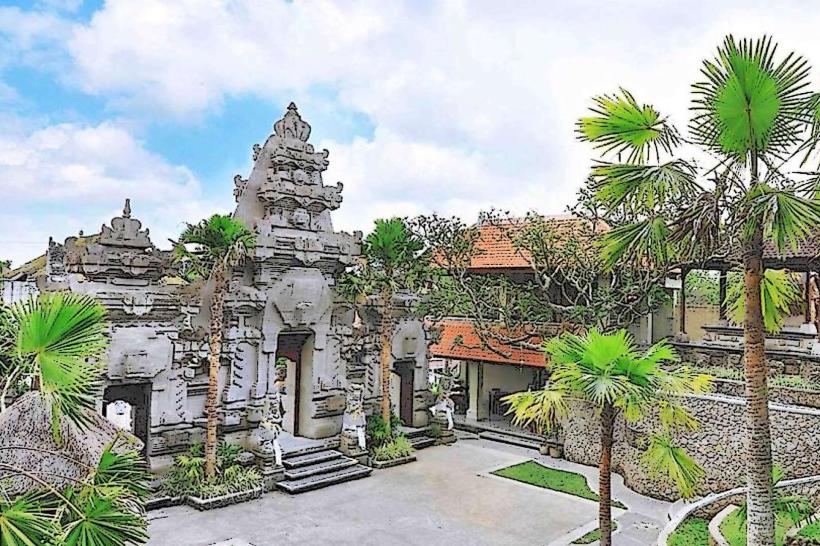
Sukawati Art Market, Bali, Indonesia, Asia
Sukawati Art Market – Detailed Overview
Location and Accessibility:
Sukawati Art Market is located in the Sukawati Village of Gianyar Regency, approximately 15 kilometers southeast of Ubud, Bali. Easily accessible by car or scooter from Ubud and surrounding areas, the market is situated along Jalan Raya Sukawati, a main thoroughfare connecting various cultural and tourist sites in the region. Its strategic location makes it a popular destination for visitors seeking authentic Balinese crafts and souvenirs.
Historical and Cultural Background
The Sukawati Art Market is one of Bali’s oldest and most traditional markets, deeply rooted in the local Balinese community’s artisan culture. Unlike many tourist-oriented markets that have become highly commercialized, Sukawati has maintained a relatively authentic atmosphere where local artists and craftsmen showcase their works. The market is a vital part of the local economy, providing income for numerous families specializing in various crafts passed down through generations.
Sukawati’s cultural significance extends beyond commerce; it acts as a living gallery of Balinese artistry, reflecting the island’s rich Hindu traditions, mythology, and everyday rural life through handcrafted products.
Market Layout and Atmosphere
The market is divided into three main blocks or sections, each offering a unique shopping experience:
Block A:
The largest and most vibrant section, Block A attracts the highest foot traffic. Here, visitors can find an extensive variety of goods ranging from carved wooden statues, traditional masks, and paintings to textiles and home décor items. The atmosphere is lively, with bargaining and interaction between vendors and buyers common, providing an engaging cultural exchange.
Block B:
Smaller and quieter, Block B offers a more relaxed environment for shopping. This area features higher-quality items and sometimes more specialized crafts, such as silver jewelry, batik fabrics, and intricate weaving. The pace here is calmer, making it suitable for visitors who prefer a less hectic shopping experience.
Block C:
The quietest and least crowded part of the market, Block C is favored by those seeking unique or artisan-quality products without the bustle. Some local artisans have workshops in this section, allowing visitors to observe the creation process firsthand.
Products and Craftsmanship
Sukawati Art Market is renowned for the diversity and authenticity of its handicrafts, which include:
Wood Carvings:
Intricately carved statues and reliefs depicting Hindu gods, mythological creatures, and Balinese cultural motifs. The wood used is often teak or pule wood, prized for its durability and workability.
Paintings and Artworks:
Traditional Balinese paintings illustrating scenes from the Ramayana, Mahabharata, and daily village life, as well as contemporary styles. These paintings use natural dyes and traditional techniques, often created on canvas, bark paper, or cloth.
Textiles and Fabrics:
Handwoven sarongs, ikat fabrics, and batik textiles featuring traditional patterns and vibrant colors. These fabrics are often used for ceremonial attire or home decoration.
Jewelry and Silverwork:
Handcrafted silver jewelry made by skilled local silversmiths. Common items include rings, bracelets, earrings, and pendants, often featuring Balinese motifs and intricate filigree work.
Home Décor and Accessories:
A variety of handmade goods such as lamps, masks, woven baskets, ceramics, and souvenirs crafted from natural materials like bamboo, rattan, and coconut shell.
Cultural Experience
Visitors to Sukawati Art Market gain insight into Balinese artisan culture not only through the products but also by engaging with the craftsmen themselves. Many vendors are happy to share the stories behind their work, the symbolic meanings of their designs, and the traditional methods they use. The market thus serves as a cultural exchange point where tourists can deepen their understanding of Balinese heritage.
Bargaining is customary and expected, often seen as a friendly interaction rather than purely transactional, and is an integral part of the market experience.
Practical Information for Visitors
Opening Hours:
The market operates daily from 6:00 AM until about 6:00 PM, with the best shopping experience occurring in the morning and early afternoon before the market becomes busiest.
Entrance and Parking:
Entry to the market is free. Parking is available nearby for scooters and cars, usually for a small fee (approximately IDR 2,000 for scooters and IDR 5,000 for cars).
Payment Methods:
Most vendors accept cash (Indonesian Rupiah). Credit card acceptance is limited, so carrying sufficient cash is advisable.
Tips for Shopping:
Visitors are encouraged to bargain respectfully and enjoy the interaction as part of the cultural experience. It is also recommended to inspect items carefully for quality, especially when purchasing higher-value goods like jewelry or artwork.
Nearby Attractions and Complementary Visits
While visiting Sukawati Art Market, tourists often explore other nearby cultural and natural sites, enhancing their experience of Bali’s rich heritage:
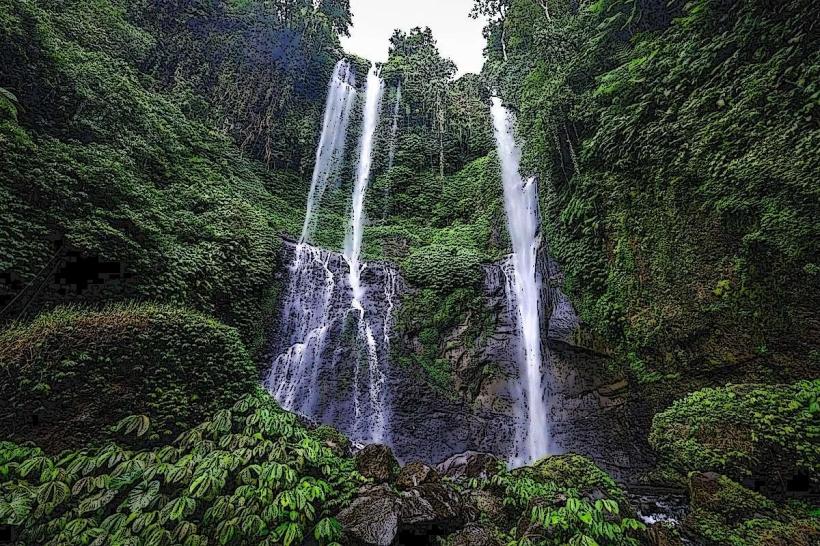
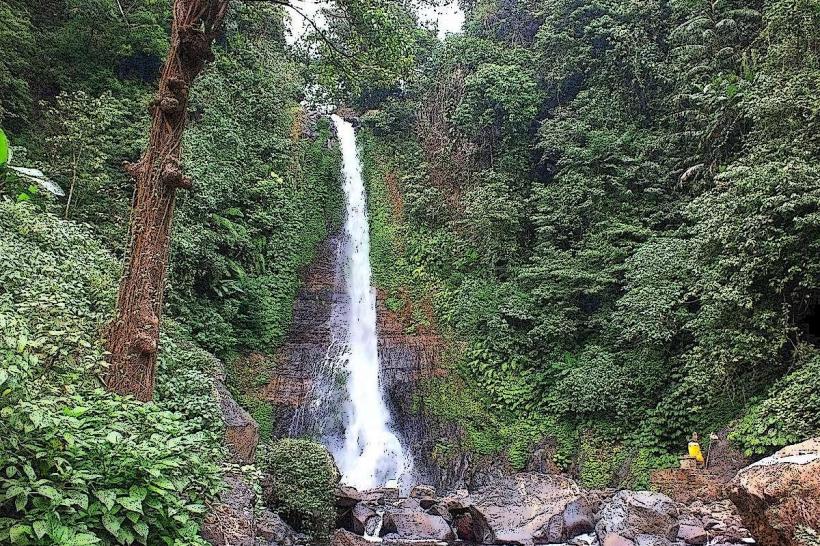
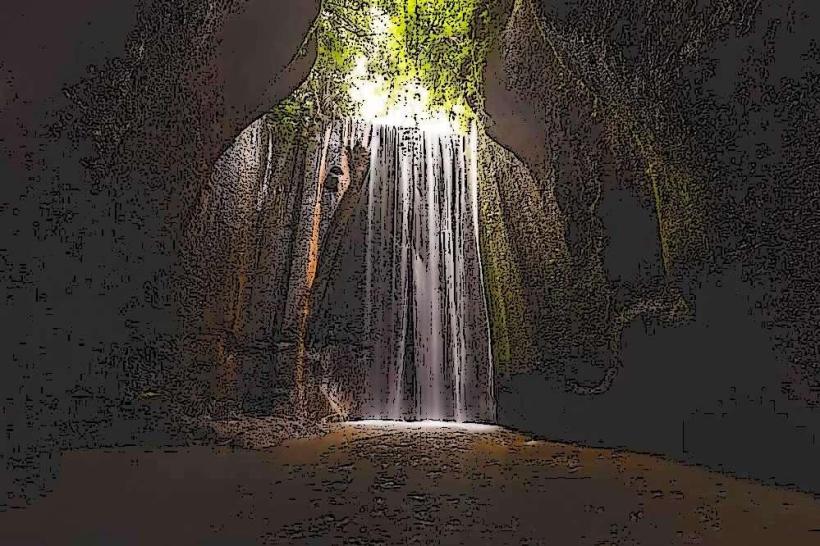
Tegenungan Waterfall: A scenic waterfall located about 20 minutes from Sukawati, popular for swimming and nature photography.
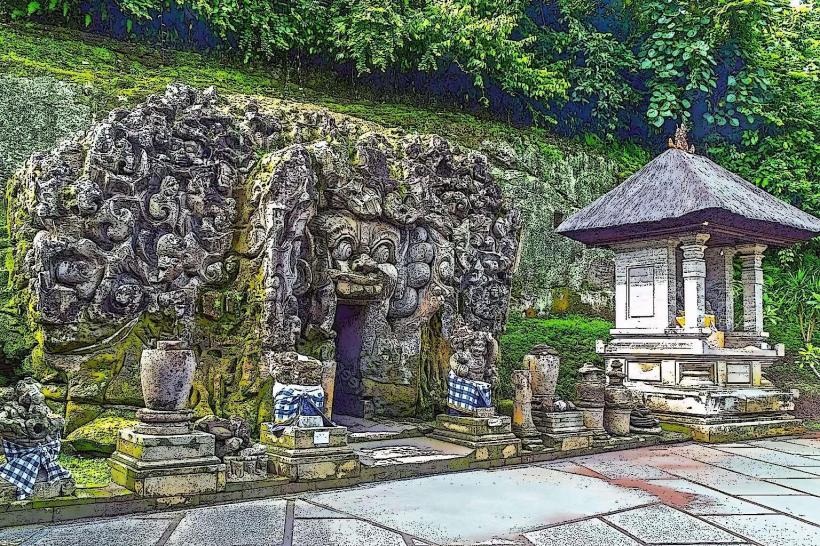
Goa Gajah (Elephant Cave): An archaeological site and temple complex featuring ancient stone carvings and bathing pools, located within 15 kilometers of Sukawati.
Ubud: The cultural heart of Bali, known for its art galleries, museums, and traditional dance performances, is only a short drive away.
Summary
Sukawati Art Market stands as a cornerstone of Bali’s artisanal tradition, offering visitors an authentic and diverse shopping experience amidst a vibrant local setting. Its wide range of handcrafted goods, cultural ambiance, and opportunity for personal interaction with artisans make it a must-visit destination for travelers seeking to connect with Bali’s artistic soul beyond the typical tourist paths.