Information
City: FairbanksCountry: USA Alaska
Continent: North America
Fairbanks, USA Alaska, North America
Fairbanks is the largest city in the Interior region of Alaska and the second-largest in the state. Situated in the Tanana Valley along the Chena River, it is known as the "Golden Heart of Alaska," defined by its gold rush origins, its role as a global center for Arctic research, and its status as one of the world's premier locations for viewing the Aurora Borealis.
Historical Timeline
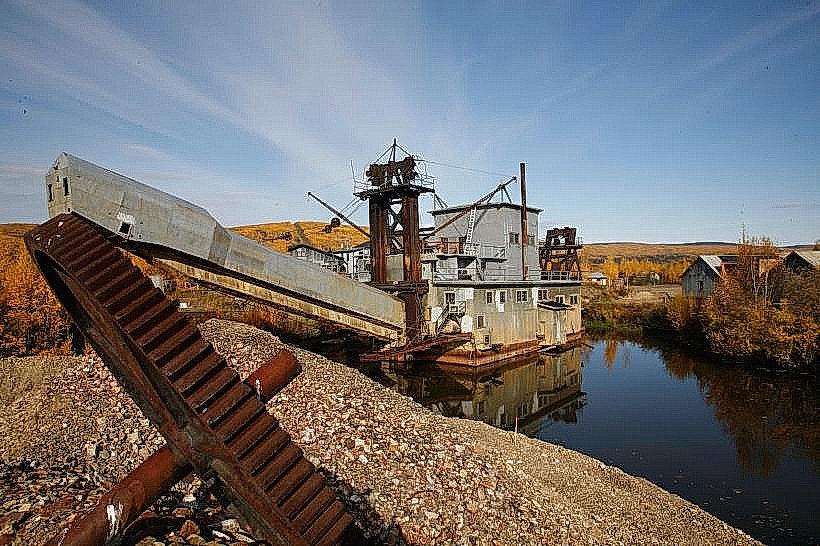
Inhabited for over 10,000 years by the Athabascan people. Founded in 1901 when E.T. Barnette established a trading post on the Chena River after his steamboat became stranded. A critical historical event occurred in 1902 when Italian immigrant Felix Pedro discovered gold nearby, triggering the Fairbanks Gold Rush. The city was incorporated in 1903 and named after Indiana Senator (and later Vice President) Charles W. Fairbanks. In the mid-20th century, Fairbanks became a vital military hub during WWII and the Cold War. The 1970s brought the construction of the Trans-Alaska Pipeline, for which Fairbanks served as the primary supply depot. In 2026, it remains the logistical and educational hub for Northern Alaska.
Demographics & Population
The 2026 population is approximately 32,700 (with a borough population of ~96,000). The demographics are White (61%), Native American/Alaska Native (10%), Black or African American (9%), and Hispanic or Latino (10%). The economy is anchored by Military (Fort Wainwright and Eielson AFB), Higher Education & Research (University of Alaska Fairbanks), Tourism, and Mining (Fort Knox Gold Mine).
Urban Layout & Key Districts
Fairbanks is characterized by a sprawling interior grid with development concentrated along the Chena River.
Downtown: The historic core; features the Golden Heart Plaza, local shops, and the Morris Thompson Cultural and Visitors Center.
University District (West Side): Dominated by the UAF campus on a ridge overlooking the city; the intellectual and scientific heart of the Interior.
South Fairbanks: An industrial and commercial corridor home to the regional transportation and supply logistics.
North Pole: An incorporated city 20 km southeast, known for its year-round Christmas theme and the Santa Claus House.
Top City Landmarks
University of Alaska Museum of the North: A premier architectural landmark housing "Blue Babe" (a 36,000-year-old mummified steppe bison) and extensive Alaska Native art.
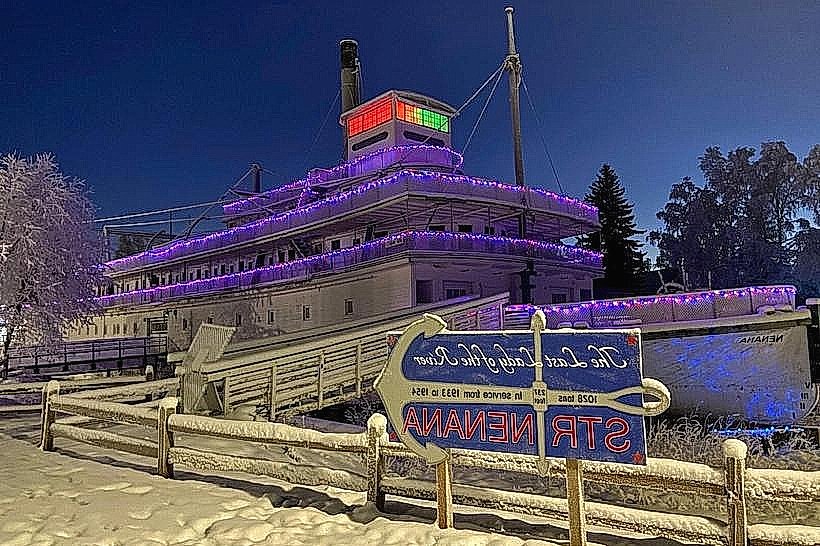
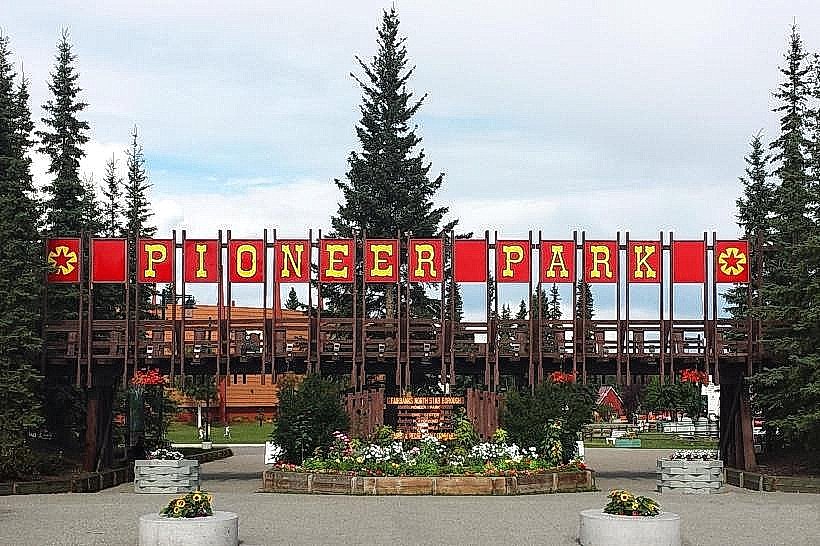
Pioneer Park: A 44-acre historical theme park featuring a Gold Rush town, the SS Nenana sternwheeler, and several museums.
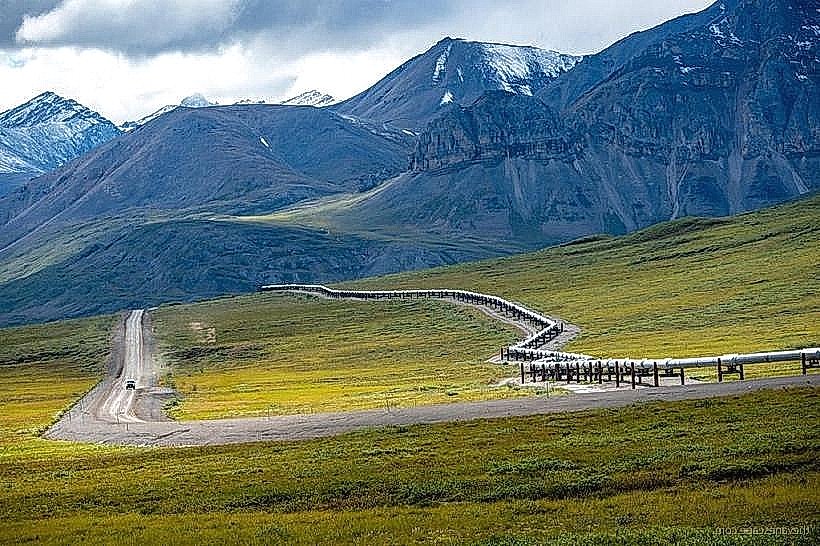
Trans-Alaska Pipeline Viewpoint: An engineering marvel where visitors can view the 4-foot-wide silver pipe that carries oil 800 miles from Prudhoe Bay to Valdez.
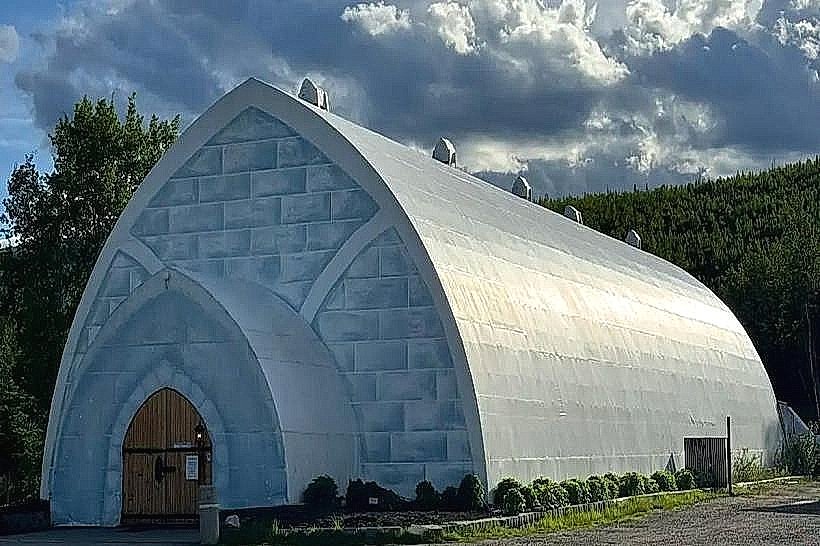
Chena Hot Springs Resort: (96 km northeast); famous for its natural geothermal rock pools and the Aurora Ice Museum, the world's largest year-round ice structure.
Riverboat Discovery: A three-hour narrated cruise on the Chena and Tanana Rivers, featuring a mock Athabascan village and sled dog demonstrations.
Fountainhead Antique Auto Museum: Home to over 80 rare pre-WWII vintage automobiles and historic Alaskan fashion.
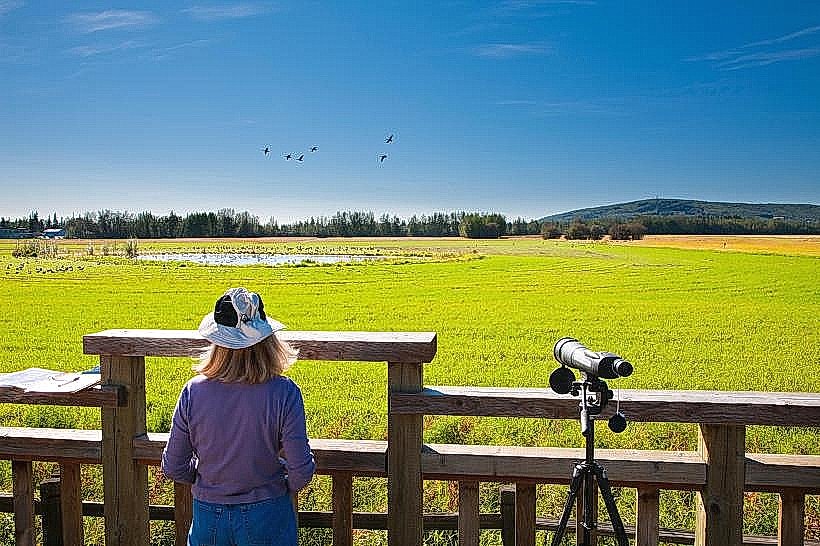
Creamer’s Field Migratory Waterfowl Refuge: A former dairy farm turned 2,000-acre refuge, a prime spot for viewing sandhill cranes and moose.
Transportation Network
Fairbanks is the northern terminus of the Alaska Railroad and the George Parks Highway (from Anchorage). It is the starting point for the rugged Dalton Highway (Haul Road) to the Arctic Ocean. Public transit is provided by the MACS bus system. Fairbanks International Airport (FAI) is a key hub for regional "bush" flights and international seasonal traffic.
Safety & "Red Zones"
The general safety level is moderate. Like many urban centers, Fairbanks has seen elevated property crime rates. Standard awareness is advised in the South Fairbanks industrial areas and around the Cushman Street corridor late at night. Environmental hazards are the primary concern: extreme cold (dropping to -50°C), heavy winter ice, and summer wildfire smoke.
Digital & Financial Infrastructure
Internet speeds are high, with 1 Gbps fiber available through GCI and Alaska Communications. Main mobile carriers are GCI, AT&T, and Verizon. Card acceptance is universal. Alaska has no state income tax, and Fairbanks has no local sales tax, making it one of the most tax-friendly cities in the U.S.
Climate & Air Quality
Fairbanks experiences one of the world's most extreme temperature ranges, from -50°C in winter to 32°C in summer. It is known for its Midnight Sun (24-hour daylight in June) and Aurora Season (August to April). In winter, temperature inversions can trap wood smoke and exhaust, occasionally impacting air quality in the valley.
Culture & Social Norms
The standard tipping percentage is 20%. A "Grit-and-Grace" greeting is standard-locals value self-reliance and community helpfulness. Dress codes are "Functional-Rugged" (Bunny Boots and Carhartt gear are standard winter formalwear). The city is culturally defined by the Yukon Quest (sled dog race), World Ice Art Championships, and a deep reverence for Indigenous Athabascan traditions.
Local Cost Index
1 Espresso: $6.00 (USD)
1 Standard Lunch: $19.00 (USD)
1 Museum Admission: $15.00–$20.00.
Nearby Day Trips
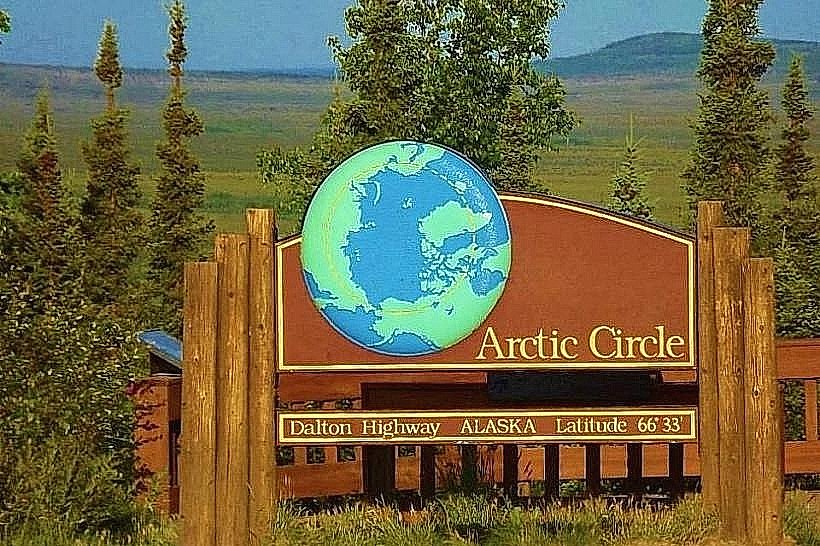
The Arctic Circle: (315 km north; accessible via the Dalton Highway).
Denali National Park: (195 km south; home to North America's highest peak).
Nenana: (90 km southwest; a historic river town famous for the Ice Classic tripod).
Facts & Legends
Fairbanks is the "coldest city in the U.S." but can also be the hottest in the state during summer. Historically, the first airplane flight in Alaska took place here on July 4, 1913. A local legend involves the "Interior Inversion Ghosts," where strange optical illusions caused by the cold air are said to make headlights from distant hills appear like floating orbs or spirits. Another legend concerns the "Lost Gold of the Chena," rumored stashes of miners who never made it back from the wilderness during the 1903 boom.