Information
Landmark: Kobuk Valley National ParkCity: Fairbanks
Country: USA Alaska
Continent: North America
Kobuk Valley National Park, Fairbanks, USA Alaska, North America
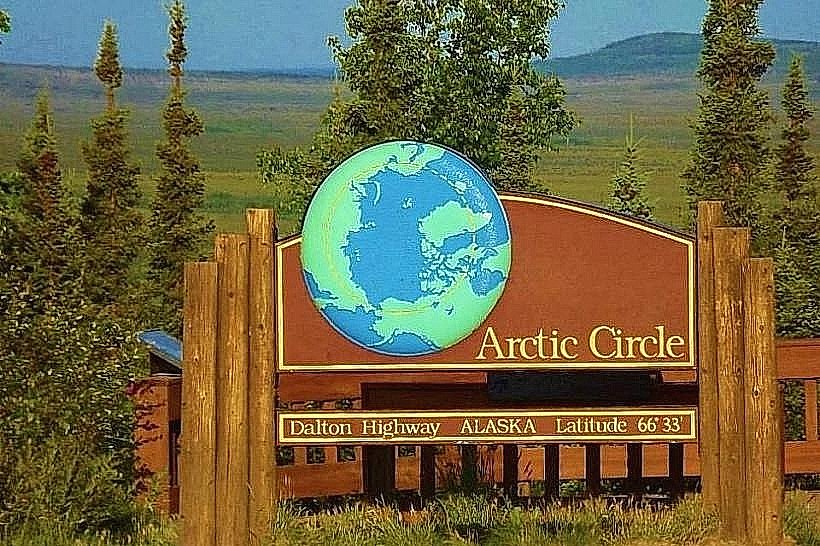
Kobuk Valley National Park lies far above the Arctic Circle in northwestern Alaska, an untouched wilderness where golden sand dunes meet icy rivers and migrating caribou sweep across the horizon. Remote and roadless, this 1.7-million-acre park remains one of the least visited and most pristine places in the United States-a true frontier where the modern world fades entirely and the Arctic’s rhythms prevail.
Landscape and Geography
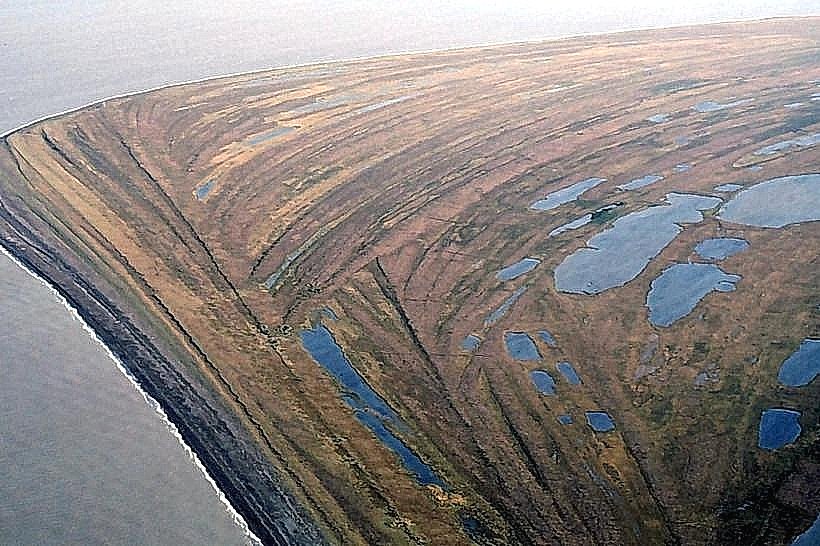
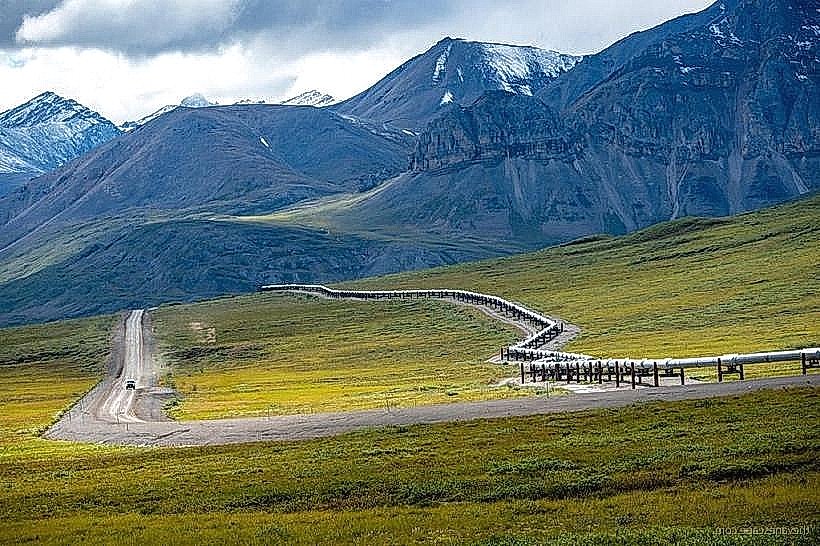
The park’s heart is the Kobuk River, winding for 61 miles through a broad valley bordered by the Waring, Baird, and Kigluaik Mountains. From the air, it appears as a wide ribbon of water glinting silver against endless tundra. But what makes Kobuk Valley unique are its Great Kobuk Sand Dunes-massive golden swaths rising 100 feet high, sculpted by wind and surrounded by spruce forest. These dunes, remnants of ancient glacial deposits, shift subtly with the seasons, creating a surreal scene that looks more Sahara than Arctic.
In summer, the dunes warm under long daylight hours, the sand soft underfoot, and the air alive with the buzz of insects. By autumn, frost dusts their crests, and migrating caribou trace faint paths through the valleys below. The contrast between sand, water, and ice makes this park unlike any other in Alaska.
Ecology and Wildlife
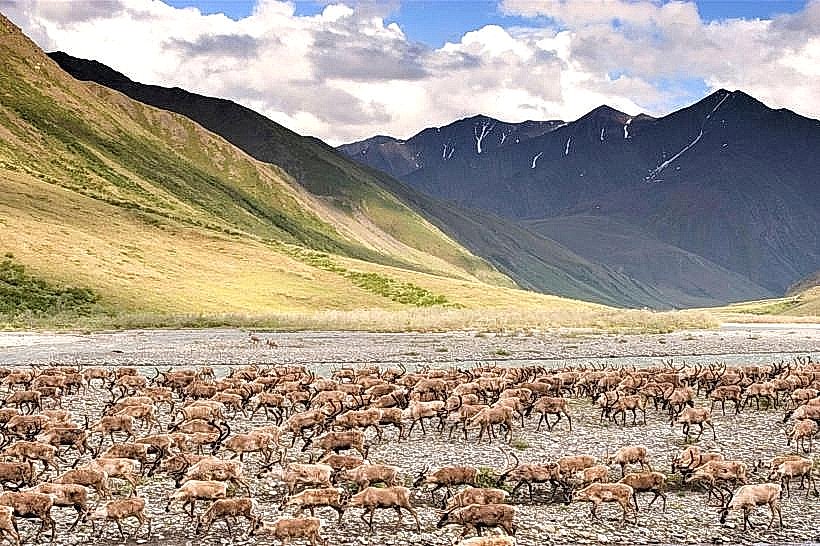
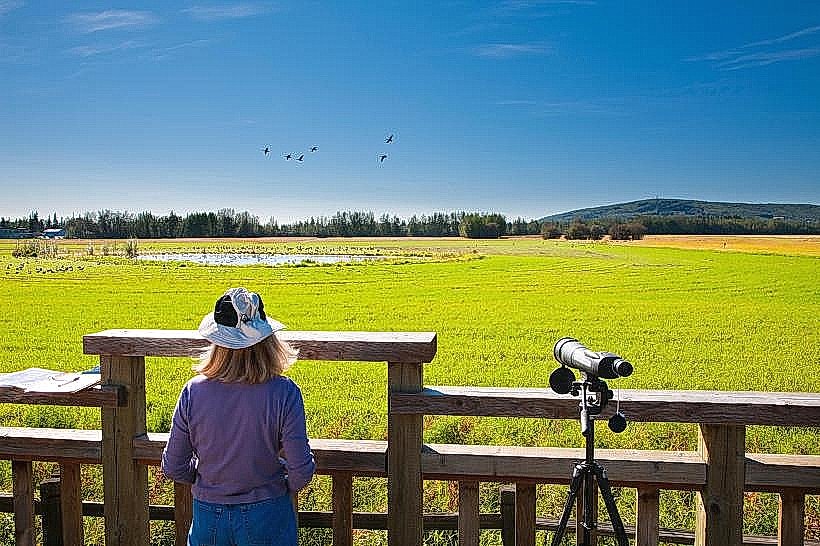
Kobuk Valley lies within the migration corridor of the Western Arctic Caribou Herd, one of the largest on Earth. Twice a year-spring and fall-tens of thousands of caribou cross the Kobuk River, their hooves splashing through the shallows as they move between summer feeding grounds in the north and winter ranges to the south. Their tracks weave across the dunes, ancient trails that have been followed for millennia.
Other wildlife includes moose, wolves, grizzly and black bears, lynx, and countless migratory birds. In late summer, the tundra glows with deep reds and golds as blueberries and crowberries ripen, drawing both animals and foraging visitors.
Human History
Archaeological evidence shows that people have lived along the Kobuk River for at least 12,000 years. The Iñupiat still depend on the region’s fish and game, maintaining traditions of river travel, hunting, and fishing that connect deeply to the land. Near the Onion Portage Archaeological District, excavations have revealed layered remains of ancient campsites-each stratum marking a different period of human adaptation to changing climates. Onion Portage is now a National Historic Landmark, a rare window into Arctic prehistory.
Visiting the Park
There are no roads, trails, or visitor centers within Kobuk Valley National Park. Access is only by small bush plane, typically from the towns of Kotzebue or Bettles. Pilots often land on gravel bars along the Kobuk River or directly on the sand dunes. Most visitors come for backcountry camping, photography, or simple immersion in solitude.
Summer brings 24-hour daylight and relatively warm temperatures; winter offers a landscape of frozen rivers, aurora-lit skies, and temperatures well below zero. This is wilderness travel in its purest form-self-reliant, guided by weather and instinct.
The Spirit of the Arctic
Standing atop a sand ridge in Kobuk Valley, you can see hundreds of miles of open country-no roads, no smoke, no signs of modern intrusion. The wind carries the smell of pine resin and tundra grass. Far below, the Kobuk River gleams between forested banks, and in the distance, the blue arc of the Baird Mountains fades into haze. It’s a landscape of silence and endurance, shaped by ice, wind, and migration.
A Wilderness Beyond Time
Kobuk Valley National Park preserves a world that feels ancient and vast-a meeting of desert and tundra, of Arctic cold and golden sand. Its stillness and scale leave a lasting impression: a reminder that the wild heart of Alaska still beats far from roads and noise, unchanged since the last Ice Age.