Information
Landmark: Cape Krusenstern National MonumentCity: Fairbanks
Country: USA Alaska
Continent: North America
Cape Krusenstern National Monument, Fairbanks, USA Alaska, North America
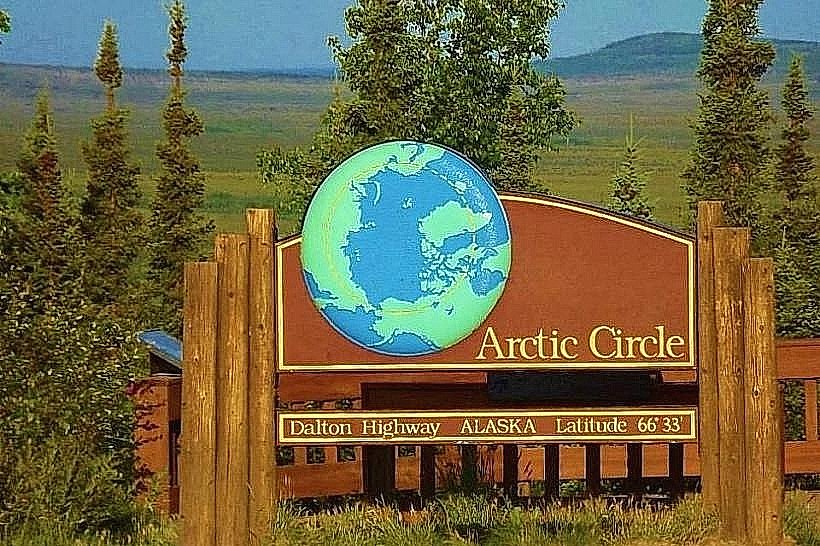
Cape Krusenstern National Monument stretches along Alaska’s remote northwestern coast, facing the icy expanse of the Chukchi Sea. This rugged sweep of tundra, lagoon, and barrier beach lies just above the Arctic Circle, west of the Kobuk River Delta, and preserves one of the richest archaeological landscapes in the Arctic. It’s a place where human history and raw wilderness merge-a coastline that has witnessed nearly 5,000 years of continuous human presence.
Landscape and Setting
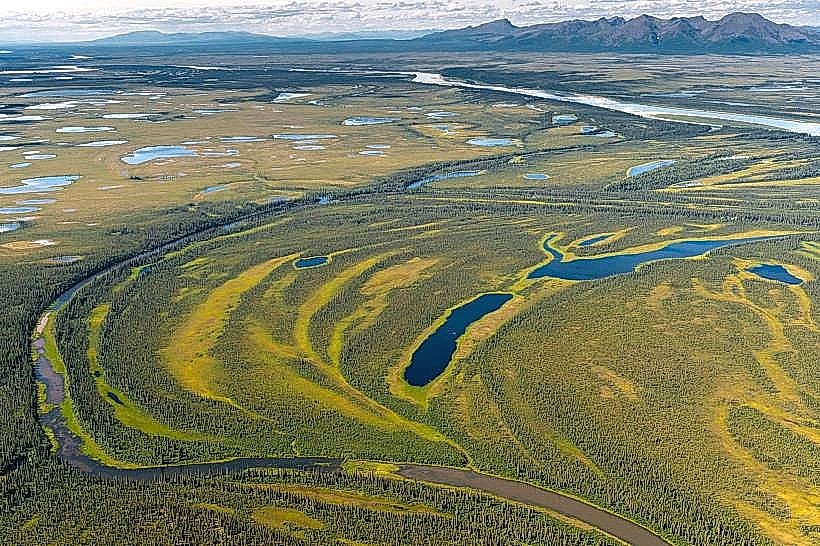
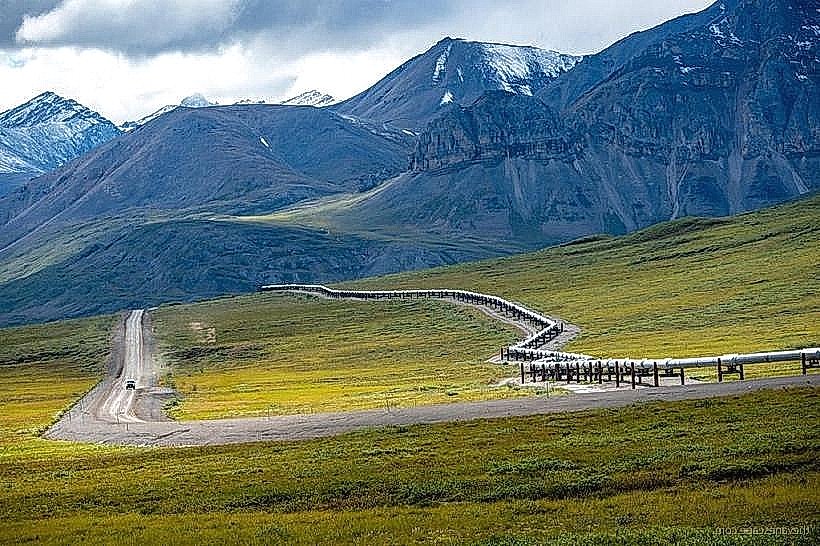
The monument encompasses over 650,000 acres of coastal plain and low rolling hills, framed by lagoons, salt marshes, and gravel ridges shaped by the wind and sea. The coast itself forms a series of beach ridges, each deposited by waves over thousands of years as the shoreline gradually shifted. These ridges stretch inland like a stack of ancient dunes-over 100 in total-each representing a different era of settlement and climate.
In summer, the tundra bursts with color: purple saxifrage, yellow poppies, and cotton grass waving under the long Arctic sun. Inland, shallow ponds and wetlands glimmer between patches of dwarf birch and moss. In winter, the landscape transforms into a frozen white expanse beneath the low sun and the shimmering arcs of the northern lights.
Archaeological Significance
Cape Krusenstern is one of the most important archaeological areas in the circumpolar world. Excavations here have uncovered thousands of artifacts from successive cultures-evidence of how the Iñupiat and their ancestors adapted to changing ice, sea, and animal migrations over millennia.
The beach ridges act almost like pages in a history book: the oldest sites lie farthest inland, the youngest closest to the present coast. Tools, hearths, and dwellings mark the evolution of Arctic life-from the early Norton and Thule cultures to modern Iñupiat settlements. These sites reveal shifts in hunting techniques, trade networks, and daily survival strategies as sea levels rose and fell.
Wildlife and Ecology
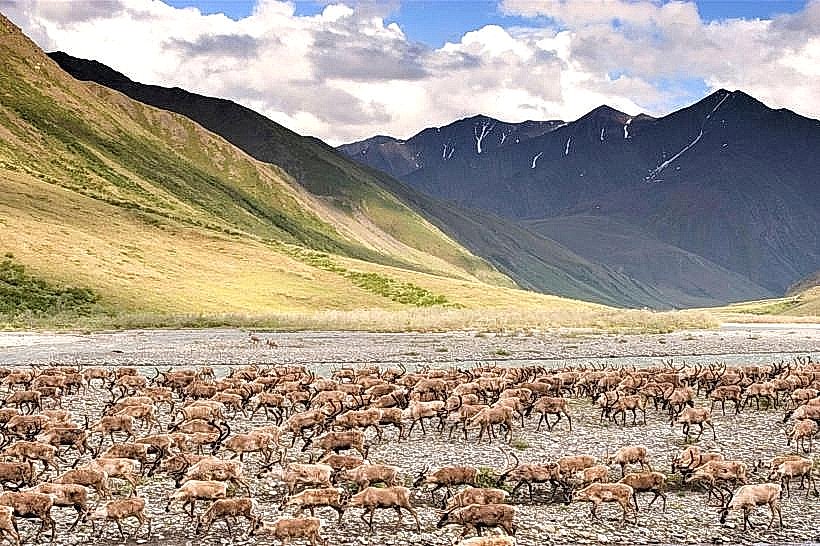
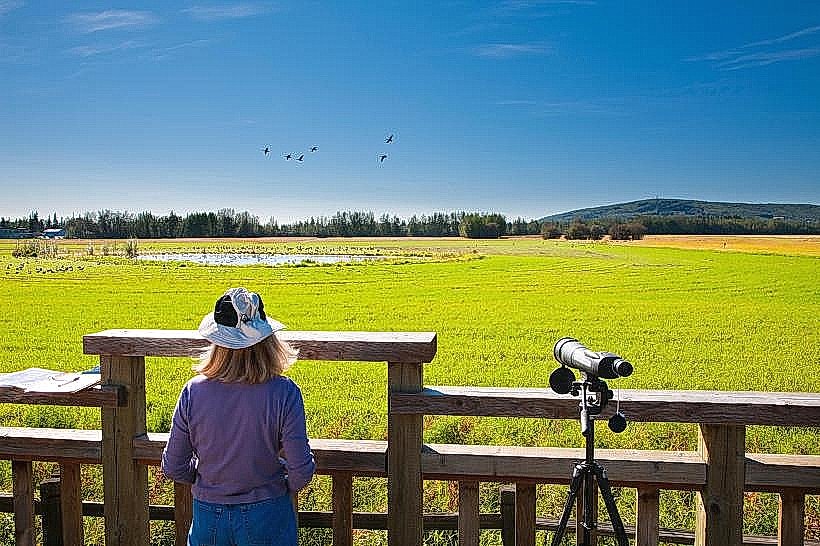
The monument’s lagoons and coastal marshes teem with life during the brief Arctic summer. Migratory birds arrive by the thousands-snow geese, sandhill cranes, loons, and shorebirds nesting among the sedges. Offshore, beluga whales, bearded seals, and walrus feed along the ice edge. Caribou from the Western Arctic herd pass through the inland tundra, while brown bears, foxes, and musk oxen roam the hills. The mix of marine and tundra ecosystems makes Cape Krusenstern a living mosaic of Arctic biodiversity.
Human Presence Today
The region remains home to the Iñupiat communities of northwest Alaska, particularly the people of Kotzebue, located just 15 miles southeast across the Hotham Inlet. Many still rely on subsistence traditions that date back thousands of years-hunting seals, fishing for Arctic char, gathering berries, and traveling across the tundra by snowmachine or boat. The monument preserves not only their ancestral sites but also their living relationship with the land and sea.
Visiting and Access
There are no roads, visitor centers, or established trails within Cape Krusenstern National Monument. Access is entirely by small aircraft or boat, most commonly from Kotzebue, which serves as the main gateway. Flights from Kotzebue land on gravel bars or beaches, and summer visitors sometimes travel along the coast by boat.
Most visitors come for backcountry exploration, wildlife viewing, or archaeological interest. The experience is one of profound solitude: the sound of wind off the sea, the cry of distant birds, the endless horizon of tundra and sky.
The Spirit of the Arctic Coast
Standing on the windswept ridges of Cape Krusenstern, you sense the weight of deep time. Each ridge beneath your feet marks a former shoreline, each stone tool a record of human endurance in one of Earth’s harshest environments. The Chukchi Sea glimmers cold and metallic in the distance, waves breaking on a coast that has seen millennia of migration, survival, and renewal.
A Living Record of the North
Cape Krusenstern is both a monument and a memory-an Arctic library written in sand and bone. It captures how humans and nature have evolved together across ages of ice and change. Few places on the planet hold such an unbroken dialogue between past and present, where every ridge tells the story of a world continually shaped by the sea, the wind, and the will to endure.