Information
City: VarnaCountry: Bulgaria
Continent: Europe
Varna, Bulgaria, Europe
Varna serves as the maritime capital of Bulgaria and the administrative center of the Varna Province. It is situated on the northern coast of the Black Sea, surrounding the Gulf of Varna and the eastern end of Lake Varna, acting as a critical logistical gateway for the country's naval and commercial shipping.
Historical Timeline
The city was established as the Milesian Greek colony Odessos in 570 BC on the site of an earlier Thracian settlement. Key governance eras include Roman (beginning 15 AD), Byzantine, the First and Second Bulgarian Empires, and Ottoman rule (1389–1878). The primary political reconstruction occurred following the 1878 Liberation, while the most significant architectural shift happened in the 1950s and 60s during the socialist-era modernization of the port and the development of the Sea Garden. The discovery of the Varna Necropolis in 1972, containing the world’s oldest gold treasure (4600–4200 BC), remains the defining archaeological event shaping the city's historical identity.
Demographics & Population
As of 2026, the population within city limits is approximately 334,000, while the metropolitan area population is stable at roughly 475,000. The primary ethnic demographics are Bulgarians (94%), with significant minorities of Turks (3%) and Russians/Ukrainians (1.5%). The median age of the population is 42.3 years.
Urban Layout & Key Districts
The city is organized along the coast and the northern bank of Lake Varna, with a dense central core and expanding northern residential zones.
Odessos (Center): The historic and administrative hub, located south of the Sea Garden; contains the main pedestrian zones and archaeological sites.
Primorski (Northeast): The most affluent district, extending from the Sea Garden toward the resorts; includes the sub-districts of Chayka and Briz.
Asparuhovo (South): Located across the Asparuhov Bridge; primarily residential with its own beach and park.
Vladislav Varnenchik (West): A large industrial and residential district located inland toward the airport.
Top City Landmarks
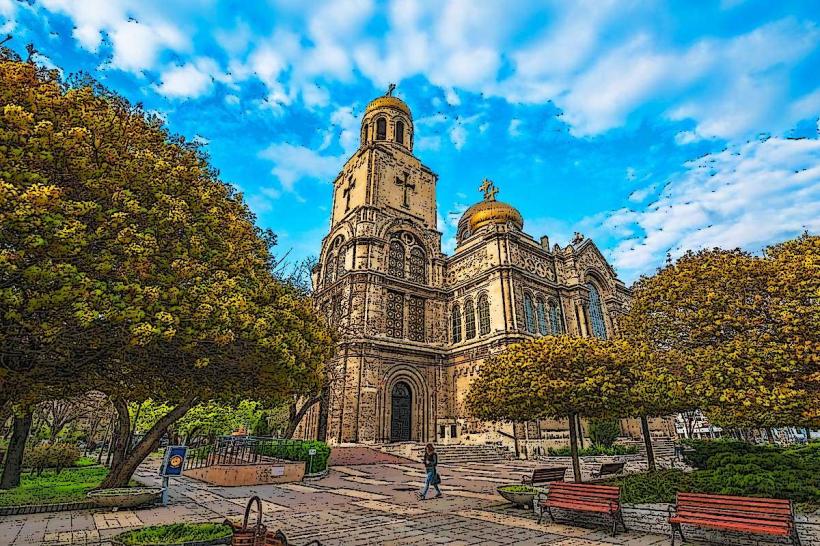
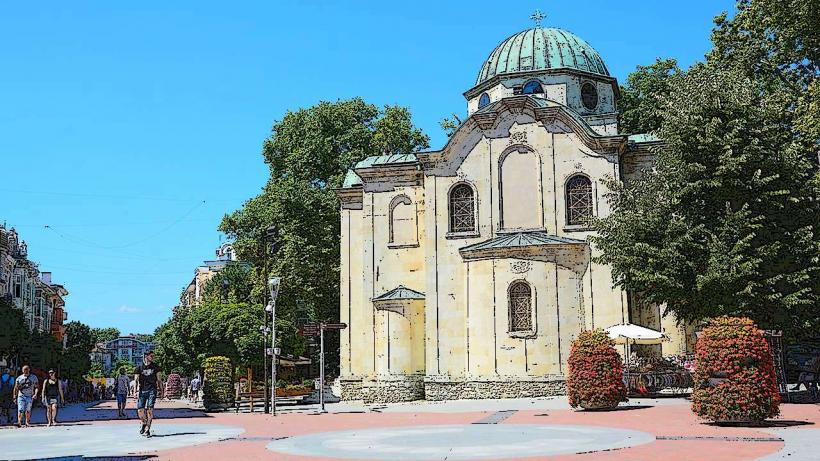
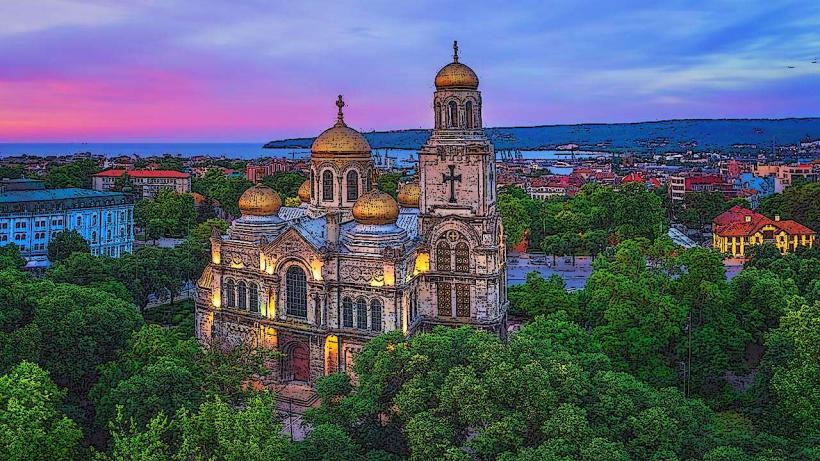
Dormition of the Mother of God Cathedral: A 19th-century Orthodox cathedral featuring copper domes and elaborate frescoes.
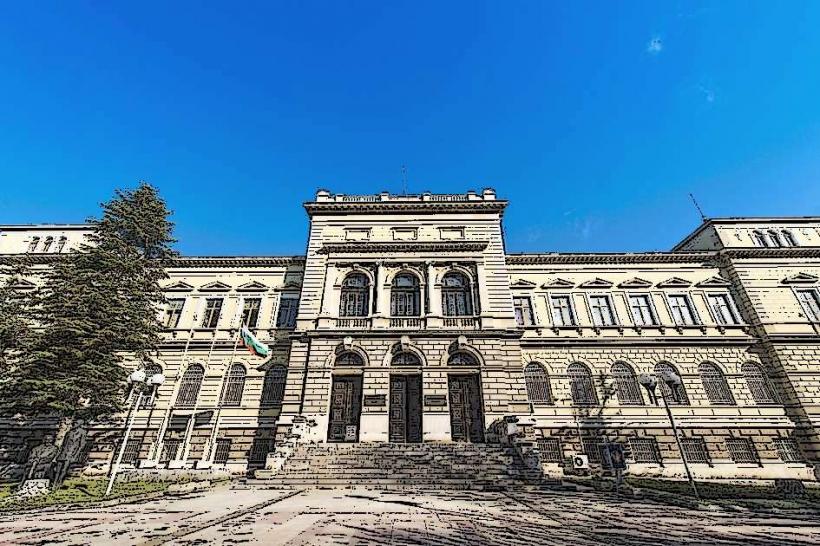
Varna Archaeological Museum: Home to the "Gold of Varna," the oldest processed gold in human history.
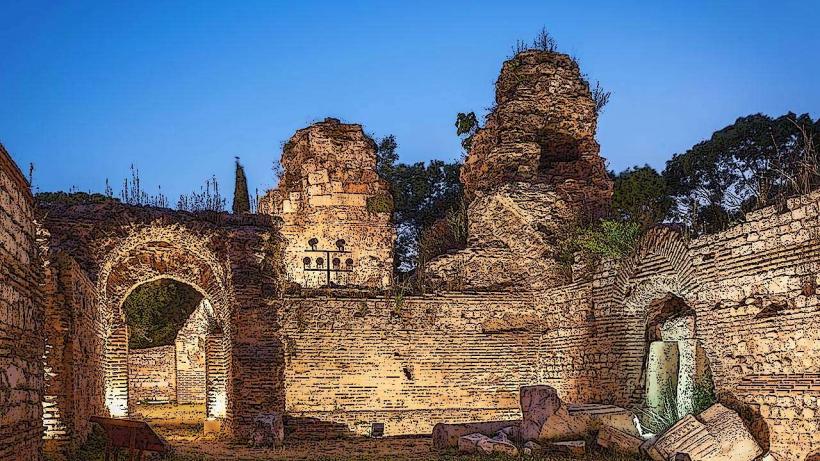
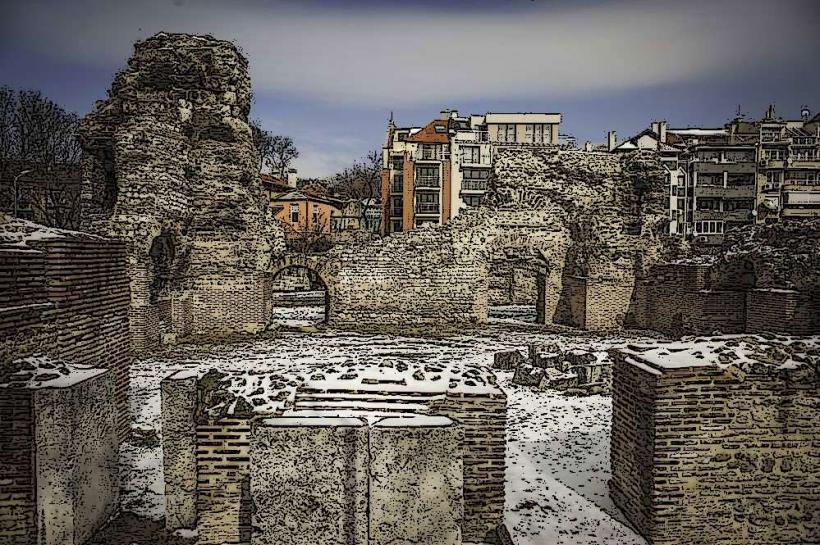
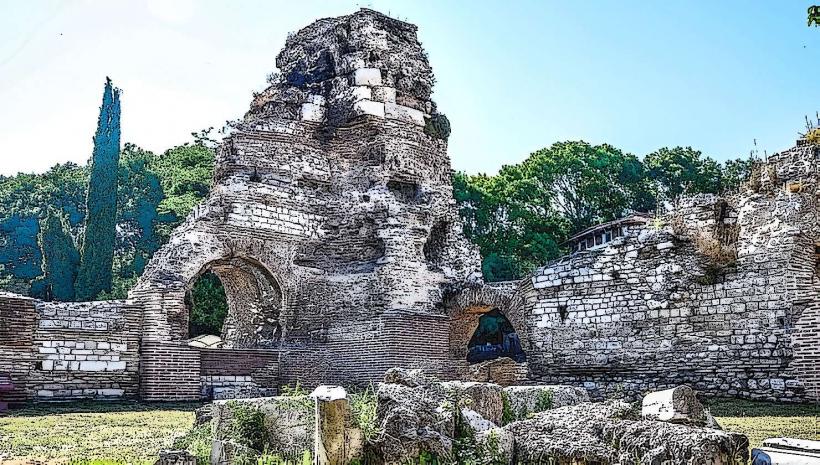
Roman Thermae: The remains of the 2nd-century public baths of Odessos, the largest Roman ruins in Bulgaria.
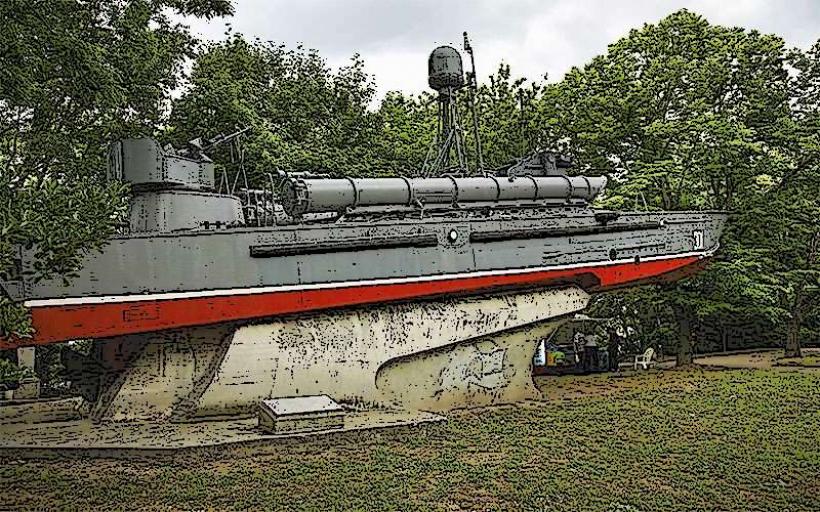
The Sea Garden (Primorski Park): A massive landscaped park running along the coast, containing a planetarium, dolphinarium, and naval museum.
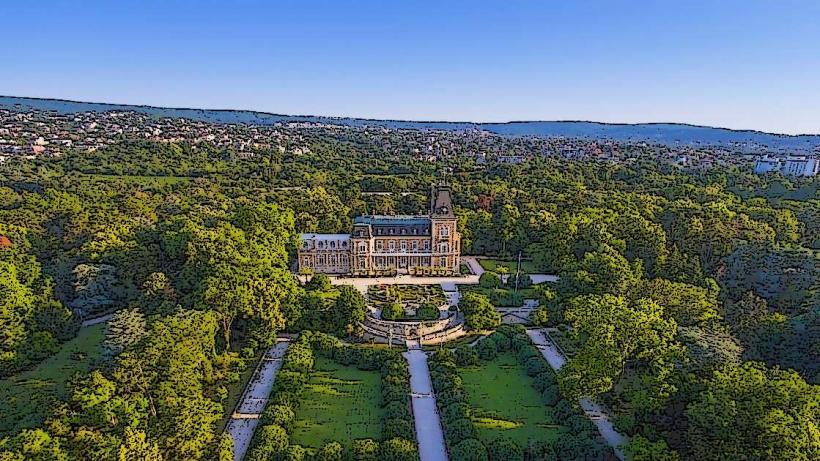
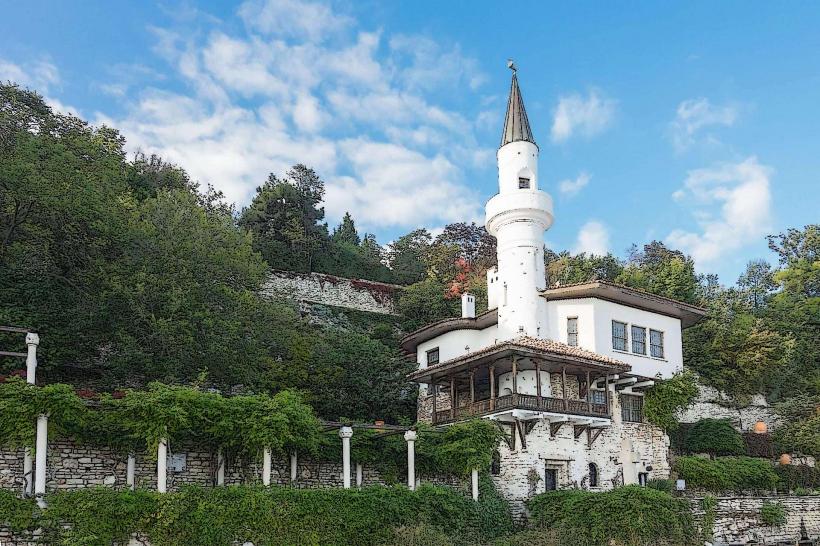
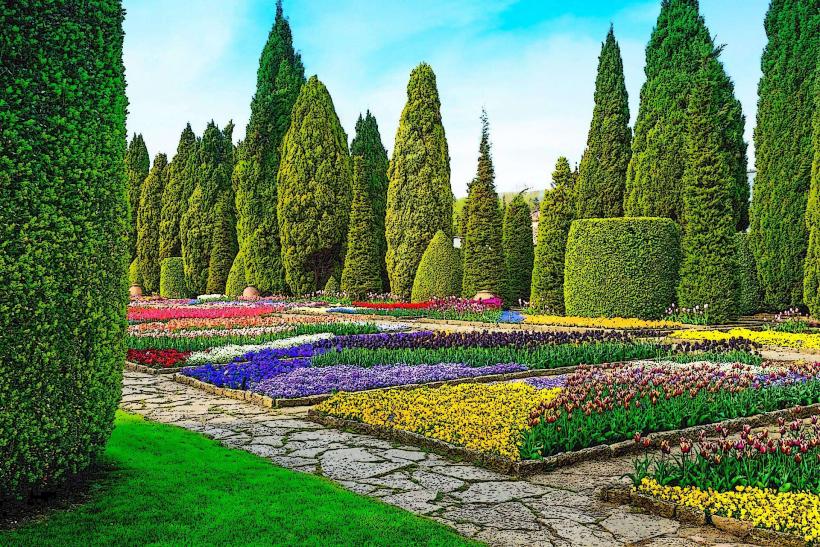
Euxinograd Palace: A late 19th-century royal summer residence located 8 km north of the center, known for its French-style gardens and winery.
Transportation Network
Internal movement relies on a bus and trolleybus network managed by Gradski Transport EAD; there are no metro or tram lines. Buses operate from 05:00 to 23:00, with a single night line (Line N). The primary ride-sharing application is TaxiMe; Uber and Bolt do not operate. Official taxis are yellow; prominent companies include Triumf Taxi and Omega Taxi. Traffic density is high on "Vasil Levski" Boulevard and the Asparuhov Bridge during peak hours (08:00–09:00 and 17:30–18:30).
Safety & "Red Zones"
Varna is generally safe for foreigners. The Maksuda neighborhood (located near the lake and central railway station) is a high-poverty area with elevated rates of petty crime and should be avoided. Common scams include "tourist pricing" in beach bars during summer and unlicensed taxis at Varna Airport (VAR) offering fixed rates that exceed the standard meter price.
Digital & Financial Infrastructure
Average fixed broadband speed is 175 Mbps, with 5G widely available through A1, Vivacom, and Yettel. Card acceptance is high in the city center, supermarkets, and shopping malls (Grand Mall, Delta Planet). ATMs are prevalent along the "Knyaz Boris I" pedestrian street and near major bank branches.
Climate & Air Quality
Varna has a humid subtropical climate with maritime influences. Summer temperatures range from 18°C to 29°C (July/August). Winters are cold and windy, ranging from -1°C to 6°C. Air quality is generally good due to sea breezes, but winter PM10 levels can spike in western residential districts due to wood-burning heating.
Culture & Social Norms
Tipping: 10% is standard in restaurants and cafes.
Greeting: A handshake and direct eye contact are expected in professional settings.
Dress Code: Casual is the norm, but swimwear is restricted to the beach and Sea Garden promenade. Modest dress is required for entering churches.
Smoking: Prohibited in all indoor public spaces; strictly enforced in restaurants.
Accommodation Zones
Greek Neighborhood (Gretska Mahala): Recommended for walking access to the beach, Sea Garden, and historical sites.
Briz: Recommended for a quieter stay in modern apartments with sea views, though it requires bus or taxi transit to the center.
Local Cost Index
1 Espresso: 3.00 BGN ($1.68)
1 Standard Lunch: 18.00 BGN ($10.10)
1 Bus Ticket: 2.00 BGN ($1.12) for 60 minutes.
Nearby Day Trips
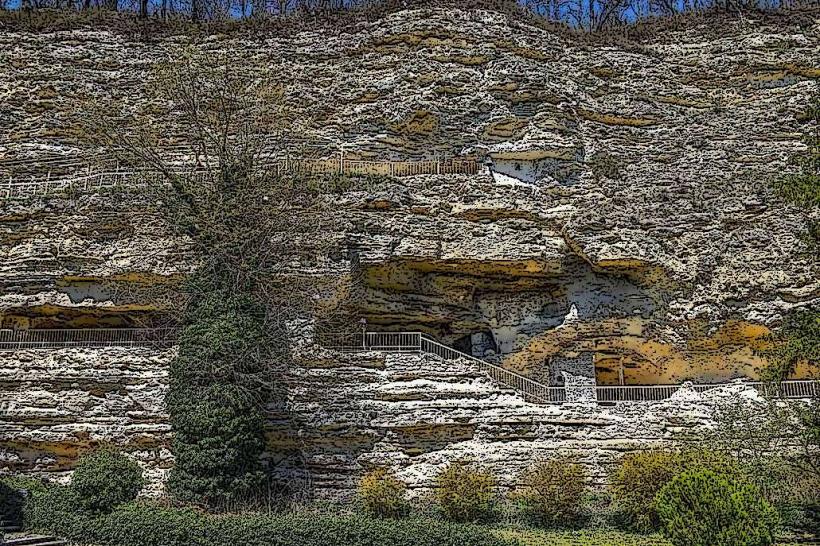
Aladzha Monastery (15 km): A medieval cave monastery carved into a limestone cliff.
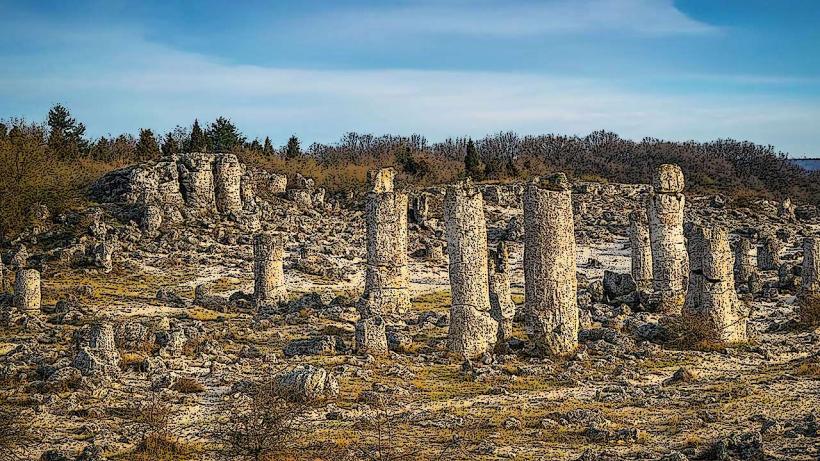
Pobiti Kamani (20 km): A natural desert-like landscape featuring 50-million-year-old stone columns.
Balchik (40 km): Home to the Botanical Garden and the summer palace of Queen Marie of Romania.
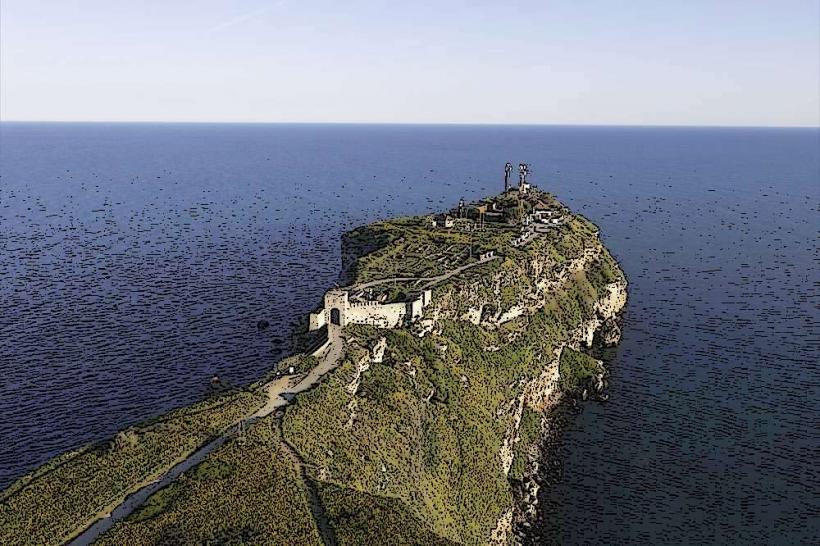
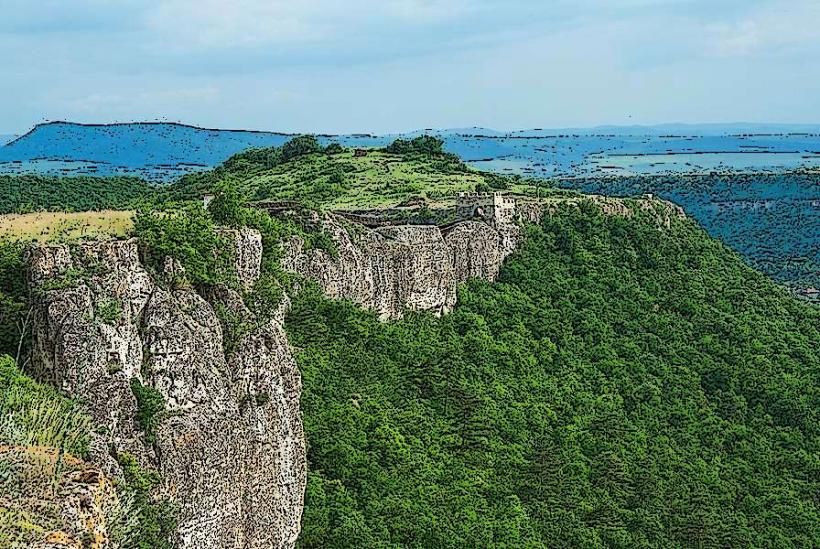
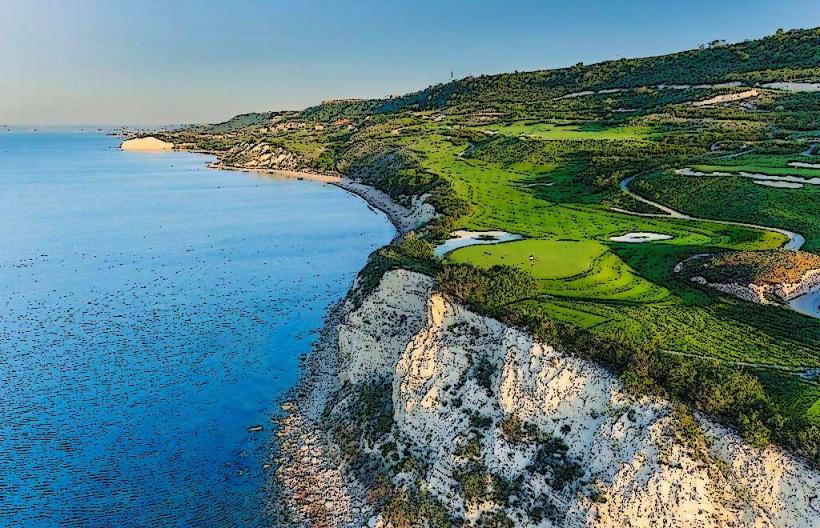
Cape Kaliakra (75 km): A dramatic cliffside fortress and nature reserve.
Facts & Legends
An enduring urban legend concerns "The Curse of the Gold." Local lore suggests that the 1972 discovery of the Varna Necropolis gold was preceded by strange occurrences among the excavators. A verified historical oddity is that the city was officially renamed Stalin from 1949 to 1956, during which time a large bust of the Soviet leader stood in the city center before being removed during the de-Stalinization period.