Information
Landmark: Cabo de la VelaCity: Santa Marta
Country: Colombia
Continent: South America
Cabo de la Vela, Santa Marta, Colombia, South America
Cabo de la Vela: A Desert Paradise on Colombia’s Caribbean Coast
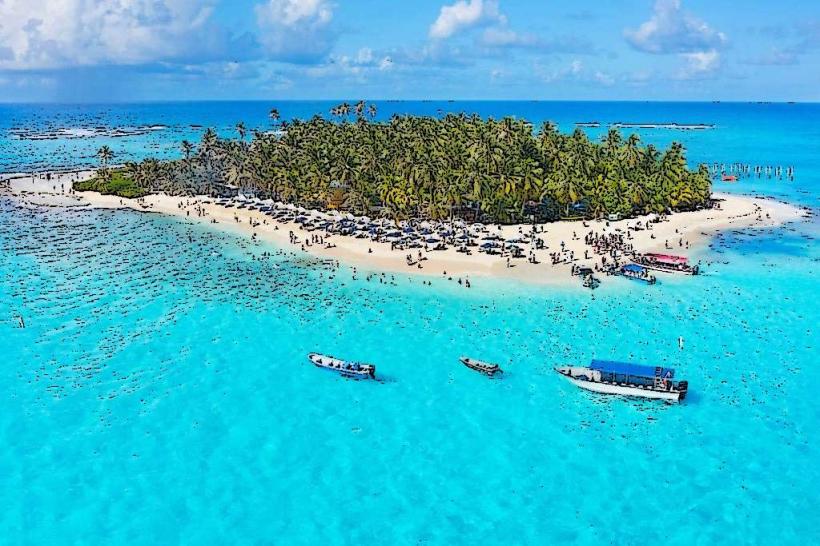
Cabo de la Vela is a hidden gem in La Guajira, Colombia, where the desert meets the turquoise waters of the Caribbean Sea. Known for its stunning landscapes, indigenous Wayuu culture, golden beaches, and breathtaking sunsets, Cabo de la Vela is one of the most unique destinations in Colombia. Unlike the lush jungles of Tayrona or the colonial charm of Cartagena, this remote paradise offers a rugged, surreal beauty, making it perfect for adventure seekers and those looking to disconnect from modern life.
1. Location and How to Get There
Cabo de la Vela is located in La Guajira, the northernmost region of Colombia, about 200 km from Santa Marta and 150 km from Riohacha. Due to its remote location, getting there requires some effort, but the journey is an adventure itself.
How to Get to Cabo de la Vela:
From Santa Marta to Riohacha
- Take a bus from Santa Marta’s bus terminal to Riohacha (4-5 hours, ~$10 USD).
- Riohacha is the capital of La Guajira and the last major city before entering the desert.
From Riohacha to Uribia
- Take a colectivo (shared van) or bus to Uribia (1.5 hours, ~$4 USD).
- Uribia is the indigenous capital of La Guajira, where most supplies are purchased before heading deeper into the desert.
From Uribia to Cabo de la Vela
- Hire a 4x4 truck or take a shared ranchería transport (2-3 hours, ~$10–15 USD).
- The journey crosses stunning desert landscapes, Wayuu settlements, and salt flats.
Tip: Most travelers book tours from Santa Marta or Riohacha, which include transportation, meals, and accommodation.
2. What to Expect in Cabo de la Vela
Cabo de la Vela is known for its arid desert landscapes, sacred indigenous sites, and crystal-clear waters. It is a place of deep cultural significance for the Wayuu people, who believe the land is sacred.
Breathtaking Natural Landscapes
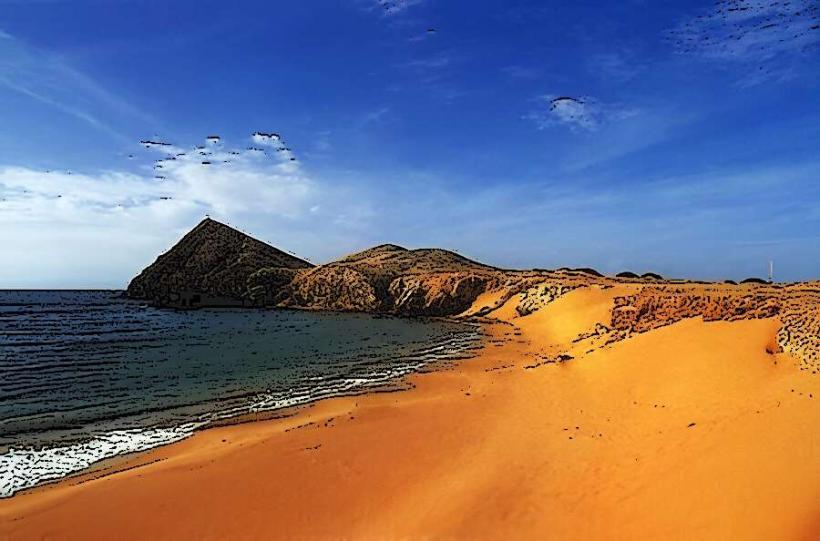
- Golden sand dunes merging into the Caribbean Sea.
- Rocky cliffs and coastal viewpoints with incredible sunsets.
- Dry, rugged terrain with scattered Wayuu settlements.
Indigenous Wayuu Culture
- The Wayuu people, the largest indigenous group in Colombia, have inhabited La Guajira for centuries.
- Many Wayuu families run rancherías (guesthouses) where visitors can stay and experience traditional food, handmade crafts, and local customs.
- The region’s colorful Wayuu mochilas (handwoven bags) are famous across Colombia.
Peaceful, Unspoiled Beaches
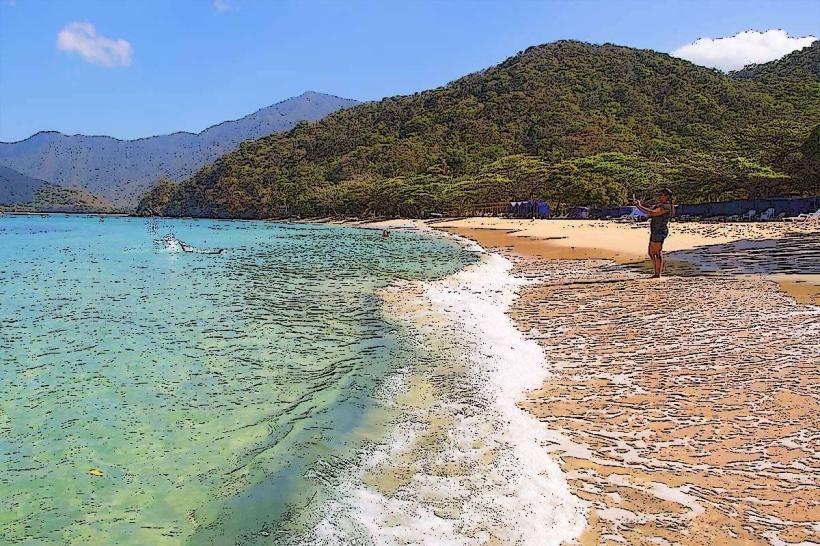
- Unlike the crowded beaches of Cartagena or Santa Marta, Cabo de la Vela offers untouched shores with few tourists.
- The water is warm, calm, and perfect for swimming.
- The strong winds make it one of the best kitesurfing spots in Colombia.
3. Top Attractions and Activities in Cabo de la Vela
1. Playa del Pilón de Azúcar (Sugar Loaf Beach)
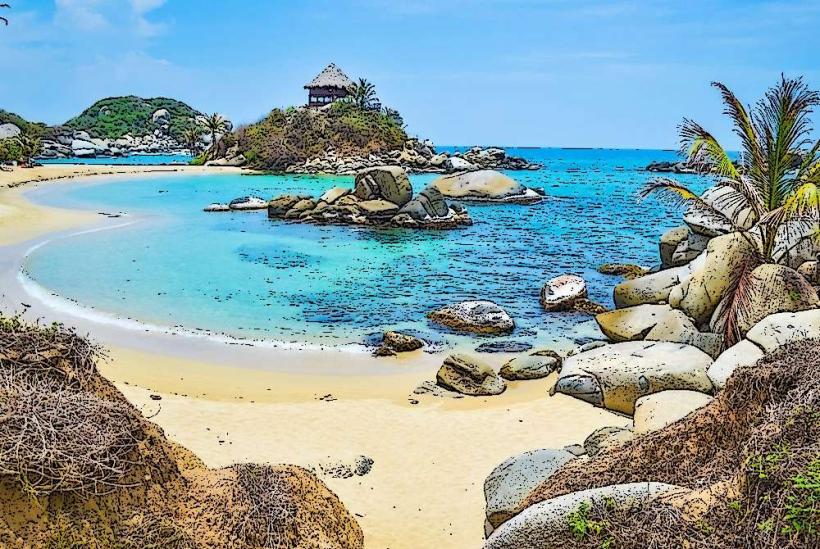
- One of the most beautiful beaches in La Guajira, with golden sand and turquoise water.
- Ideal for swimming, relaxing, and taking in the view of the desert meeting the sea.
2. Pilón de Azúcar Hill (Sacred Wayuu Site)
- A small mountain near the beach, considered sacred by the Wayuu people.
- Offers a spectacular panoramic view of the coastline and desert.
- Best visited at sunset or sunrise for the most stunning colors.
3. El Faro (The Lighthouse) – The Best Sunset Spot
- One of the best places in Colombia to watch the sunset.
- The sun sets over the Caribbean, painting the sky with vivid orange, pink, and purple hues.
- A short walk from the main village of Cabo de la Vela.
4. Ojo de Agua Beach
- A secluded beach with crystal-clear waters, great for swimming.
- Named after a small freshwater spring nearby.
5. Kitesurfing in Cabo de la Vela
- The region’s strong winds and shallow waters make it one of Colombia’s top kitesurfing destinations.
- Several local schools offer kitesurfing lessons and equipment rentals.
4. Where to Stay: Rancherías and Beachfront Lodges
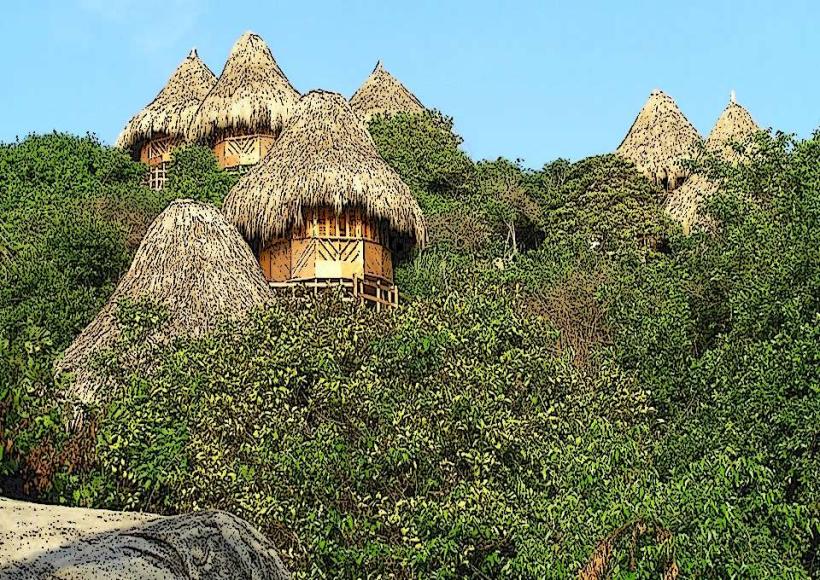
Accommodation in Cabo de la Vela is basic but authentic, with many visitors staying in rancherías, traditional Wayuu guesthouses.
Types of Accommodation:
- Chinchorros (Hammocks): The most common and budget-friendly option (~$5–$10 USD per night).
- Rancherías: Simple huts with basic rooms and beds (~$15–$25 USD per night).
- Eco-Lodges: A few eco-lodges offer more comfortable accommodations with private rooms.
Recommended Rancherías & Lodges:
- Ranchería Utta – One of the most well-known options, offering traditional Wayuu meals and cultural experiences.
- Hospedaje Luzmila – A friendly family-run guesthouse with delicious home-cooked meals.
- Eco Hotel Cabo de la Vela – Offers more comfort with private rooms and ocean views.
5. What to Eat: Traditional Wayuu Cuisine
Food in Cabo de la Vela is simple but fresh, with many meals featuring seafood and traditional Wayuu dishes.
Must-Try Dishes:
- Frichí – Fried goat meat, a staple of Wayuu cuisine.
- Fresh Lobster and Seafood – Caught daily and served grilled with coconut rice.
- Arepas de Maíz – Handmade corn arepas, often served with cheese.
- Chicha Wayuu – A fermented corn drink made by the Wayuu people.
6. Best Time to Visit and Travel Tips
Best Time to Visit
- Dry Season (December – April): The best time for clear skies, stunning sunsets, and kitesurfing.
- Wet Season (May – November): Occasional rains but still a great time to visit.
Travel Tips
- Bring Cash – There are no ATMs in Cabo de la Vela, and most places don’t accept cards.
- Pack Light and Bring Essentials – The desert is remote, so bring sunscreen, a hat, mosquito repellent, and extra water.
- Respect Wayuu Culture – This is indigenous land; be respectful of local customs and traditions.
- Electricity is Limited – Most places only have power in the evening (6:00 PM – 10:00 PM).
7. Conclusion
Cabo de la Vela is a one-of-a-kind destination where the desert meets the sea, offering a mix of breathtaking natural beauty, indigenous culture, and adventure. Whether you want to relax on remote beaches, watch spectacular sunsets, experience Wayuu traditions, or go kitesurfing, this hidden paradise in La Guajira is an unforgettable place to visit.