Information
Landmark: Cascada de las GolondrinasCity: Los Llanos
Country: Venezuela
Continent: South America
Cascada de las Golondrinas, Los Llanos, Venezuela, South America
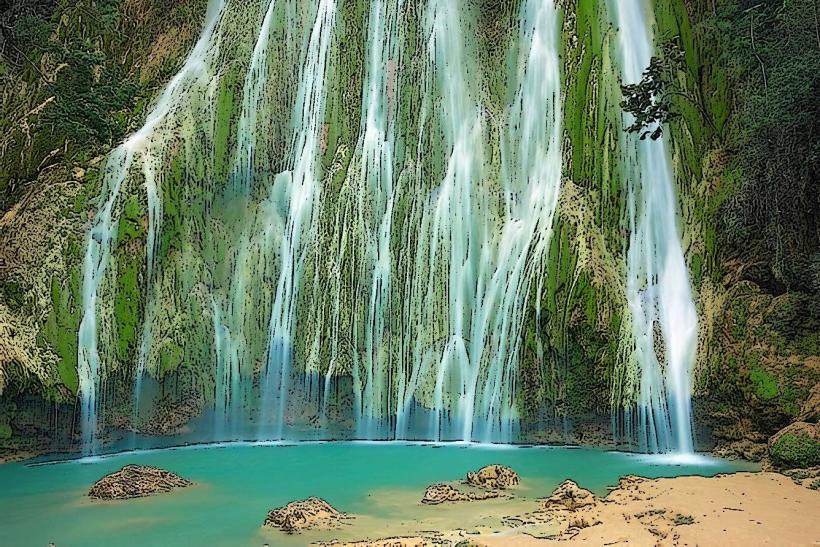
Cascada de las Golondrinas is a waterfall located in the municipality of Los Llanos, Venezuela. It is a natural cascade formed by the flow of the San Rafael River.
Visual Characteristics
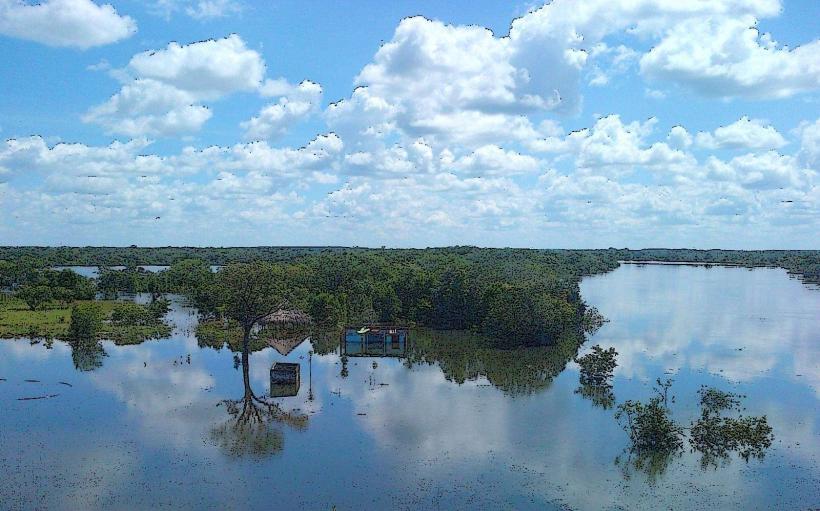
The waterfall descends over a series of tiered rock formations, primarily composed of sedimentary rock. The water is clear, with a light brown tint due to suspended sediment. The surrounding vegetation is dense, consisting of tropical rainforest species including various palms and broadleaf trees. The primary drop is approximately 15 meters, with smaller cascades preceding and following it.
Location & Access Logistics
Cascada de las Golondrinas is situated 25 kilometers southwest of the city center of Los Llanos. Access is via the Carretera Nacional 15, turning onto the unpaved Camino Rural 7 for approximately 3 kilometers. Parking is available at a designated gravel lot near the trailhead. Public transport to the site is not available; private vehicle or taxi is required.
Historical & Ecological Origin
The cascade is a result of natural river erosion over millennia, carving through the local sedimentary rock layers. Ecologically, it is part of the Venezuelan Llanos' tropical savanna and rainforest transition zone, supporting a diverse range of flora and fauna.
Key Highlights & Activities
Swimming is permitted in the pool at the base of the main cascade. Hiking trails lead to viewpoints above and below the falls. Birdwatching is a common activity due to the varied avian population. Photography of the geological formations and surrounding environment is possible.
Infrastructure & Amenities
Basic restroom facilities are present at the parking area. Limited shade is available near the base of the waterfall. Cell phone signal (2G/3G) is intermittent. No food vendors are located at the site; visitors should bring their own provisions.
Best Time to Visit
The best time of day for photography is between 10:00 AM and 2:00 PM when direct sunlight illuminates the water. The dry season, from December to March, offers lower water flow and clearer conditions. The wet season, from April to November, results in higher water volume and a more powerful cascade.
Facts & Legends
Local folklore suggests that the name "Cascada de las Golondrinas" (Swallows' Waterfall) originates from the large colonies of swallows that historically nested in the rock crevices behind the falling water. While these colonies are less numerous today, the name persists.
Nearby Landmarks
- Laguna La Pica (3.2km Northeast)
- Reserva Natural El Caimán (4.1km Southeast)
- Cerro El Vigía (4.8km West)