Information
Landmark: Reserva Natural de la Laguna de TuruéCity: Los Llanos
Country: Venezuela
Continent: South America
Reserva Natural de la Laguna de Turué, Los Llanos, Venezuela, South America
Reserva Natural de la Laguna de Turué is a protected wetland located in Los Llanos, Venezuela. It serves as a critical habitat for diverse avian and aquatic species.
Visual Characteristics
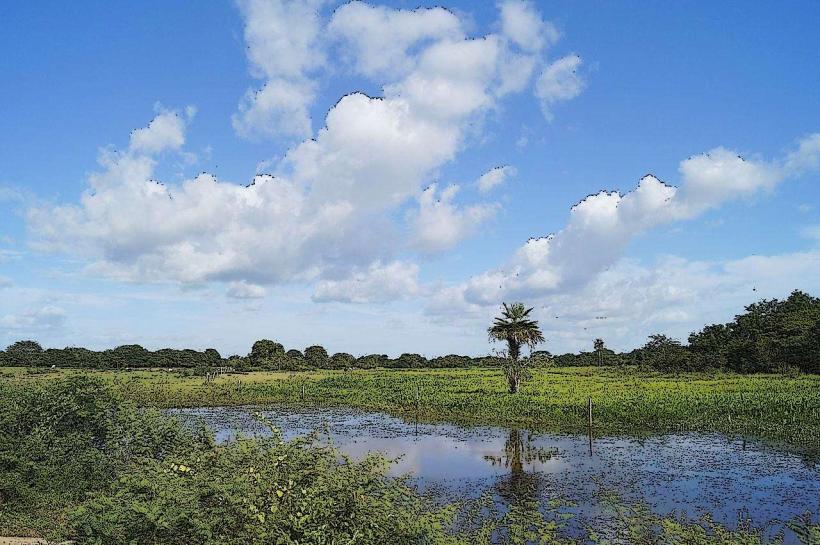
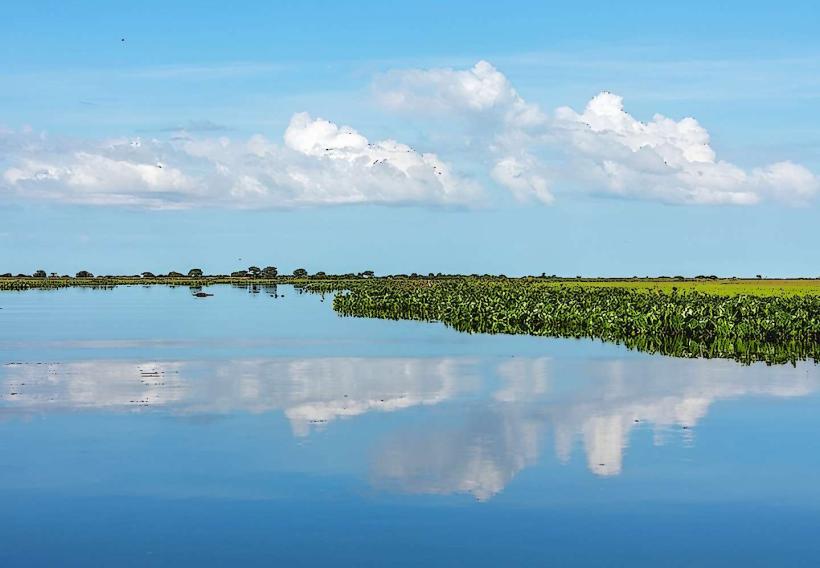
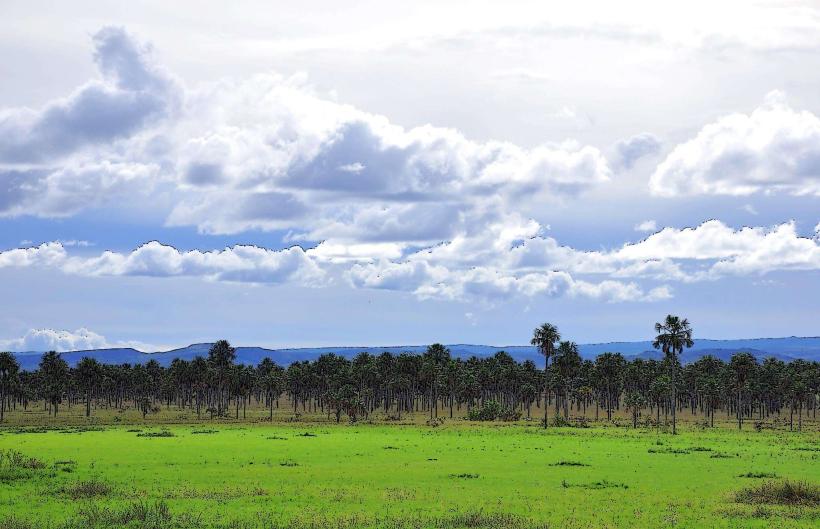
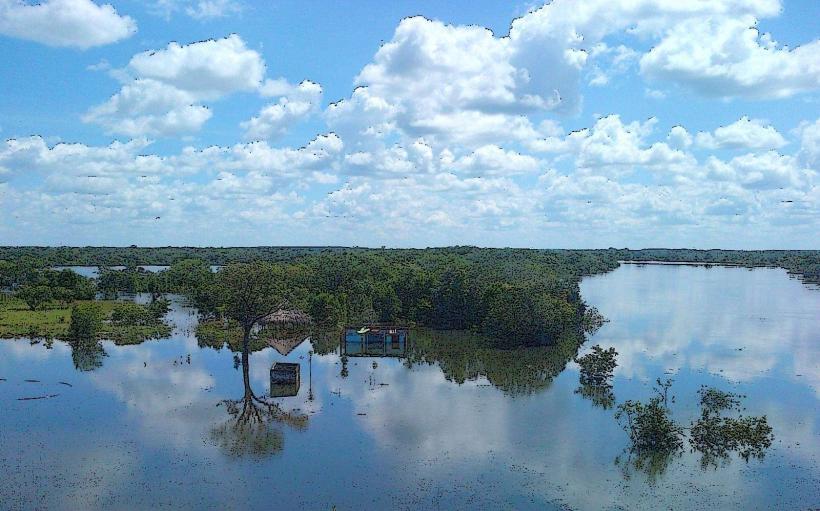
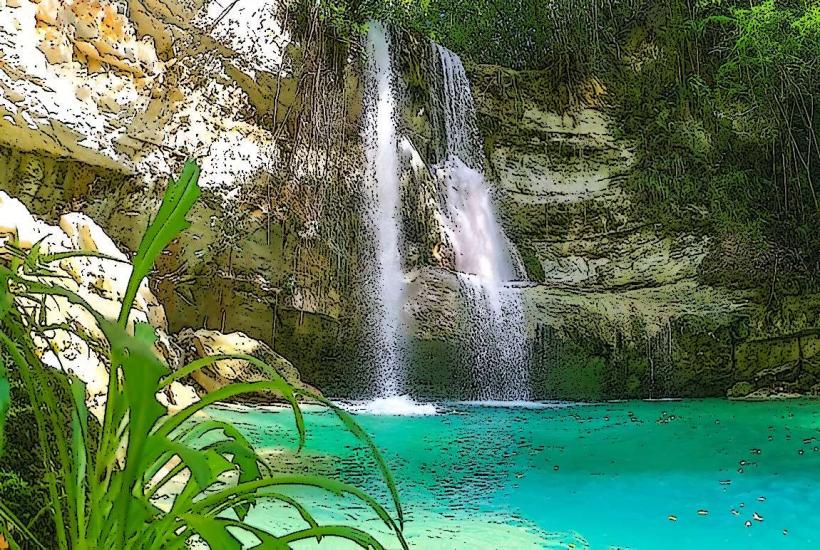
The lagoon features shallow, brackish water with a surface area that fluctuates seasonally. Surrounding vegetation consists of dense grasses, scattered palm trees (primarily Copernicia alba), and emergent aquatic plants. Mudflats are exposed during drier periods.
Location & Access Logistics
The reserve is situated approximately 15 kilometers south of the city center of Los Llanos. Access is via Carretera Nacional 15, turning onto a gravel road marked "Laguna de Turué" for the final 3 kilometers. A small, unpaved parking area is available at the reserve entrance. Public transport to the reserve is not directly available; visitors typically use private vehicles or taxis from Los Llanos.
Historical & Ecological Origin
Laguna de Turué is a natural depression that collects rainwater and runoff from the surrounding plains, forming a temporary wetland ecosystem characteristic of the Venezuelan Llanos. Its ecological significance lies in its role as a migratory bird stopover and breeding ground.
Key Highlights & Activities
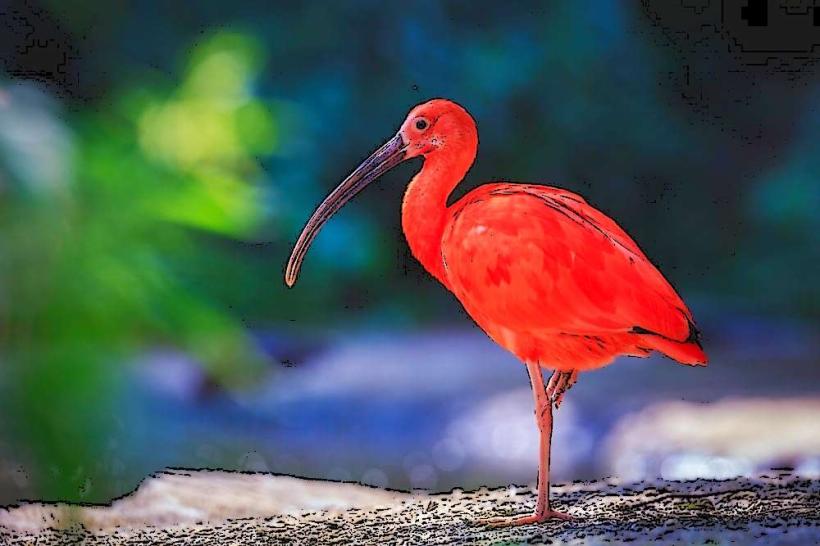
Birdwatching is the primary activity. Observation of waterfowl, wading birds, and raptors is common. Limited walking trails are present along the lagoon's perimeter. Photography of wildlife and landscape is recommended.
Infrastructure & Amenities
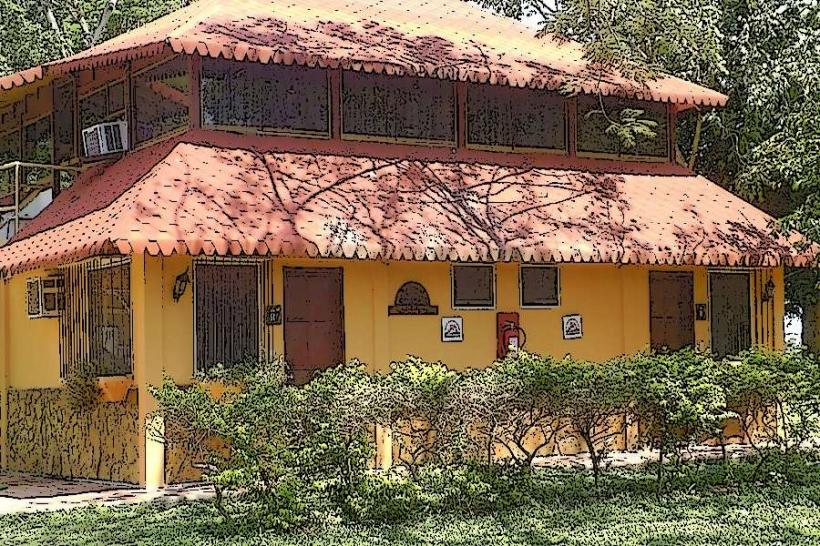
Basic amenities include a small information kiosk at the entrance, which may have limited operating hours. Restrooms are available but are rudimentary. Shade is provided by scattered trees. Cell phone signal is intermittent to non-existent within the reserve.
Best Time to Visit
The dry season, from December to April, offers the most accessible trails and concentrated wildlife viewing as water levels recede. The wet season (May to November) results in higher water levels, potentially limiting access but increasing bird diversity. Early morning and late afternoon provide optimal lighting for photography.
Facts & Legends
Local folklore suggests that the lagoon's water levels are influenced by the migratory patterns of the jabiru stork, with unusually low water indicating a poor migratory season ahead. Verified data indicates the lagoon is a crucial feeding ground for the critically endangered yellow-shouldered amazon parrot during certain times of the year.
Nearby Landmarks
- Hato El Cedral (12km Southwest)
- Parque Nacional Aguaro-Guariquito (45km East)
- Museo de Arte Contemporáneo de Los Llanos (14km North)
- Catedral de Nuestra Señora de la Inmaculada Concepción (15km North)