Information
Landmark: Chugach State ParkCity: Anchorage
Country: USA Alaska
Continent: North America
Chugach State Park, Anchorage, USA Alaska, North America
Chugach State Park, located immediately east of Anchorage, is one of the largest state parks in the United States, covering over 495,000 acres of rugged mountains, glaciers, forests, and alpine terrain. It serves as a recreational and ecological refuge for residents and visitors, providing opportunities for hiking, skiing, wildlife viewing, and mountain climbing while preserving critical habitats for Alaska’s flora and fauna.
Geography and Landscape
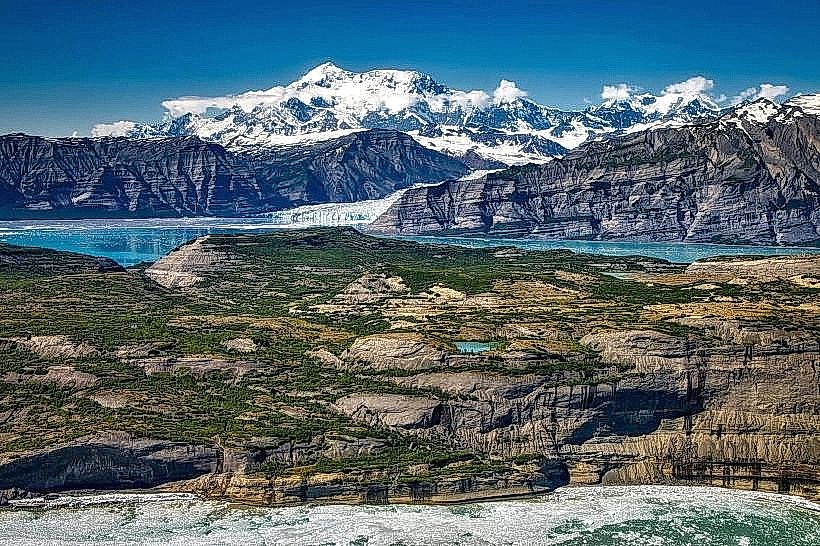
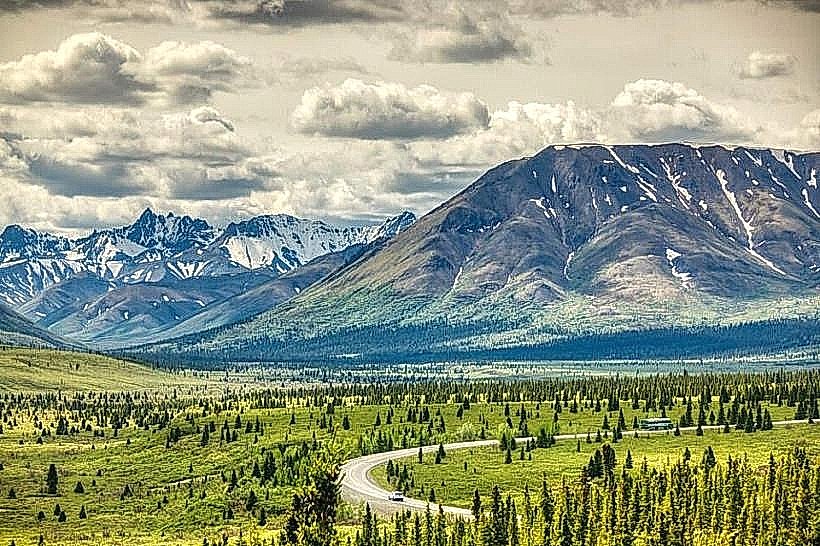
The park spans the Chugach Mountains, which rise sharply from the Anchorage Bowl to peaks exceeding 12,000 feet. Its terrain is diverse:
Forested Lowlands – Spruce and birch forests cover valley floors, often interspersed with streams and wetlands.
Alpine Tundra – Higher elevations transition to open tundra with mosses, lichens, and hardy wildflowers.
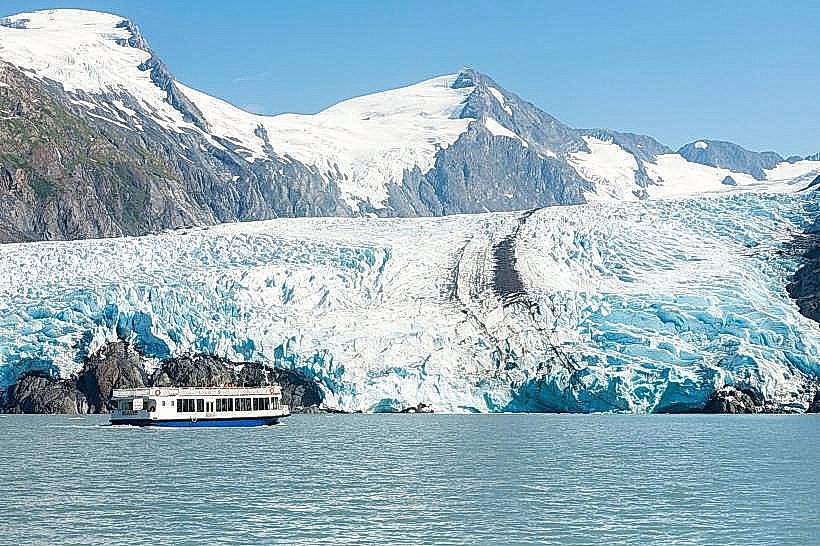
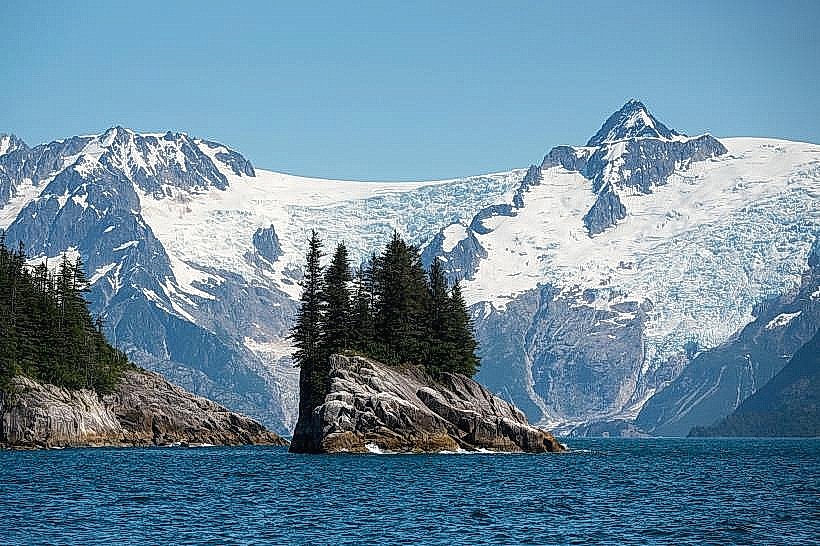
Glaciers and Icefields – The park contains several glaciers, including Eagle Glacier and Portage Glacier, which feed rivers and create dramatic valleys.
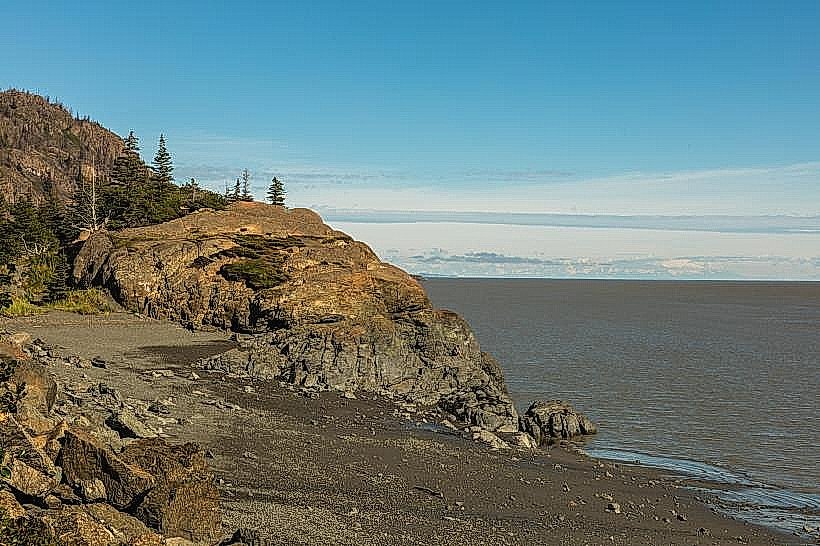
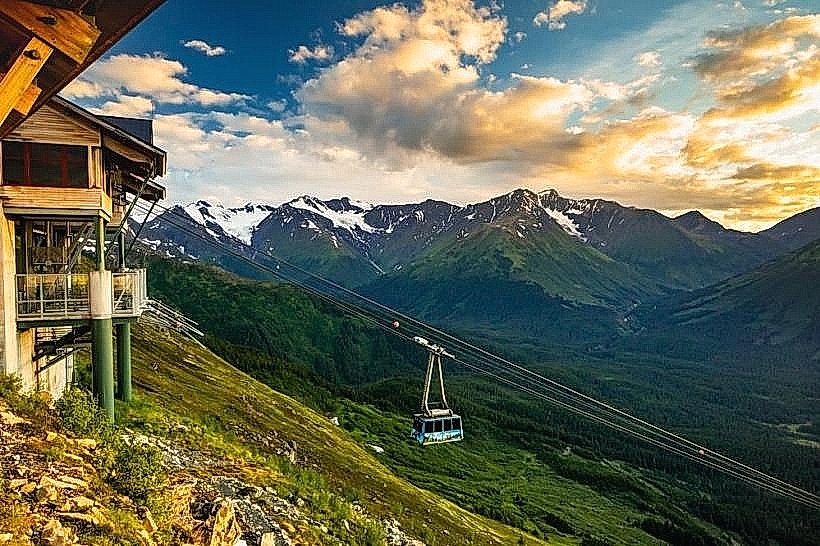
Mountain Peaks and Ridges – Rugged ridgelines provide panoramic views of Cook Inlet, Anchorage, and surrounding wilderness.
Wildlife and Ecology
Chugach State Park supports a range of wildlife typical of south-central Alaska:
Large Mammals – Moose, black bears, mountain goats, Dall sheep, and occasionally wolves.
Birds – Bald eagles, ptarmigan, ravens, and waterfowl inhabit forests, alpine areas, and wetlands.
Aquatic Life – Salmon runs in streams and rivers support both wildlife and local ecosystems.
Recreation and Visitor Experience
Chugach State Park offers a layered array of outdoor activities year-round:
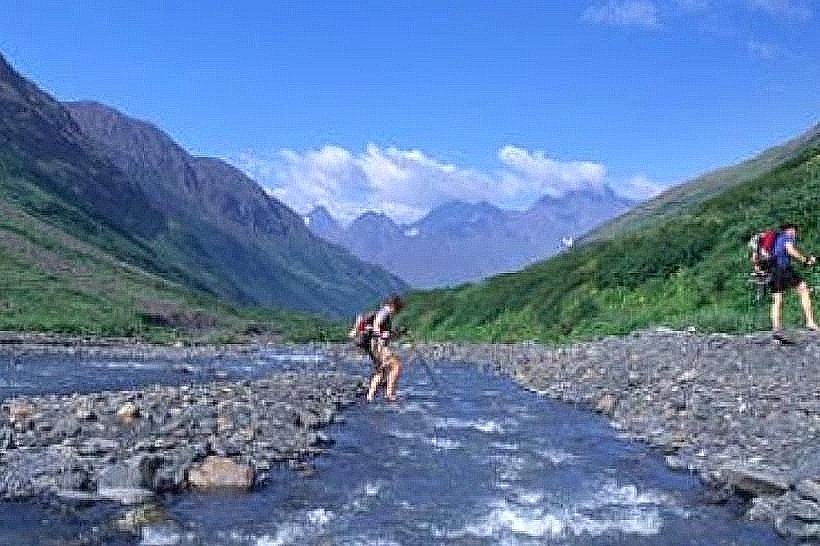
Hiking and Backpacking – Trails range from short valley walks to steep climbs to peaks like Flattop Mountain, the park’s most popular hike.
Skiing and Snowboarding – In winter, the park becomes a haven for cross-country skiing, snowshoeing, and backcountry skiing.
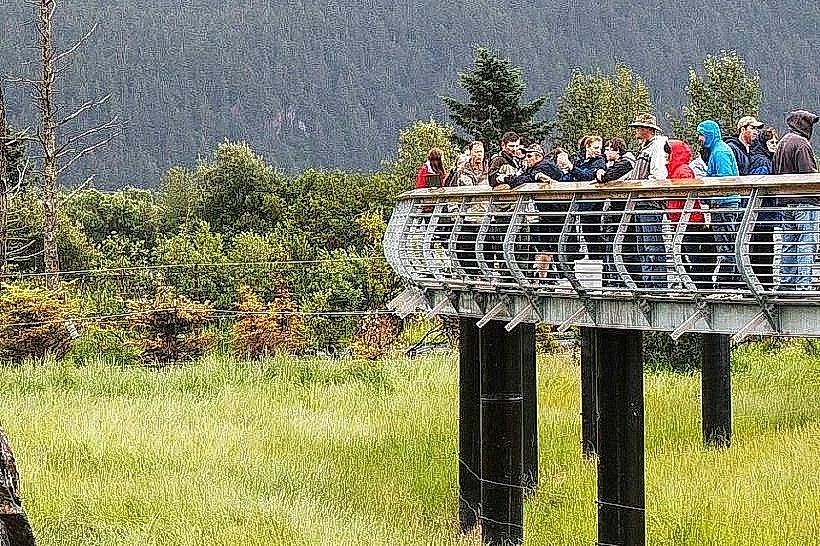
Wildlife Viewing and Photography – Opportunities abound along trails and near waterways, with chances to see moose grazing or eagles perched above streams.
Climbing and Mountaineering – Experienced climbers tackle glaciated routes and alpine ridges.
Camping – Designated areas and backcountry sites allow immersive wilderness experiences.
Visitor Facilities
Trailheads and Parking – Multiple access points along the Seward and Glenn Highways provide trail entry and interpretive signage.
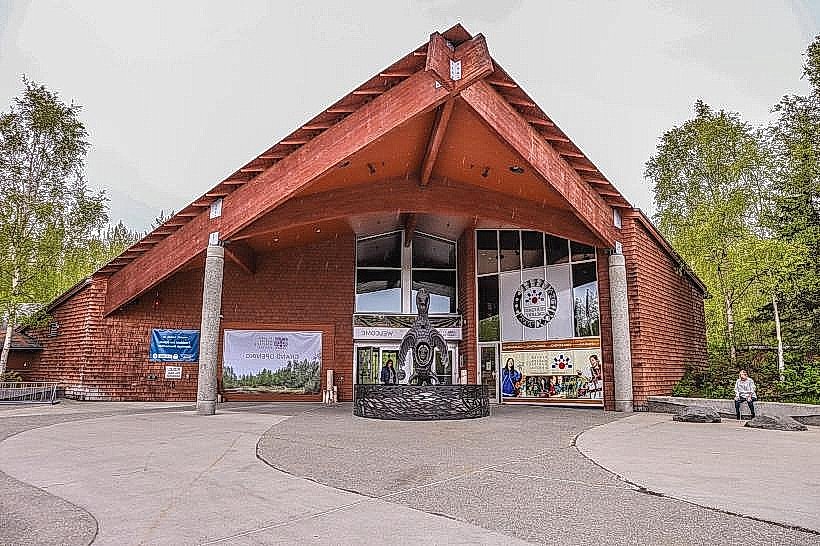
Interpretive Centers – Informational kiosks and signs provide context on wildlife, geology, and park safety.
Safety Considerations – Bears and other wildlife necessitate awareness and proper precautions; weather can change rapidly in alpine zones.
Cultural and Historical Significance
The Chugach Mountains and surrounding lands have long been used by Dena’ina Athabaskans for hunting, fishing, and seasonal movement. Modern conservation efforts established the park in 1970, emphasizing public recreation, wildlife protection, and preservation of natural landscapes near Anchorage.
Atmosphere and Impressions
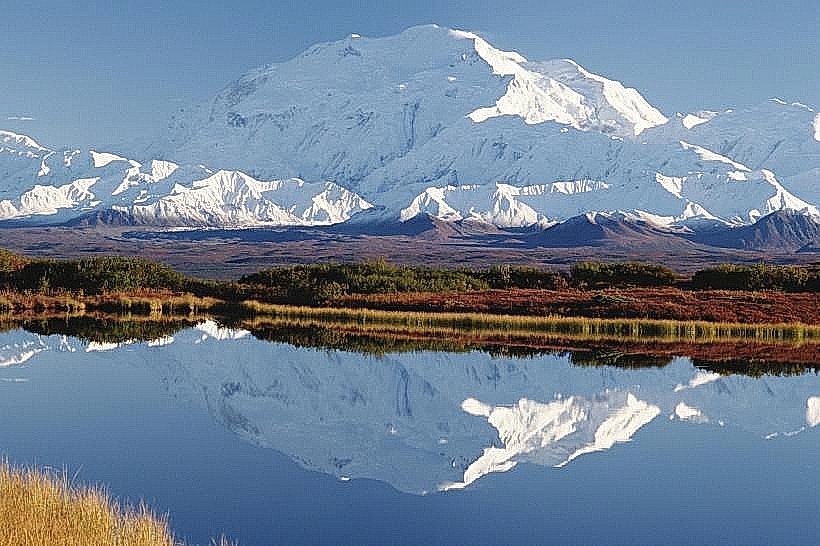
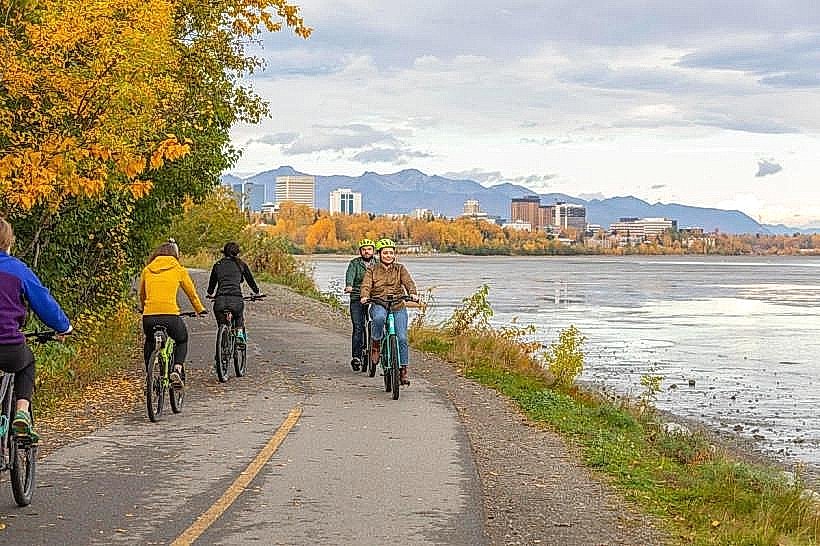
Visitors often note the contrast between urban Anchorage and the raw, immediate wilderness of Chugach State Park. Trails wind through mossy forests, over streams, and up alpine slopes, offering panoramic views of Cook Inlet and the distant Alaska Range. Seasonal variation creates different moods: lush greenery in summer, fiery foliage in autumn, snow-blanketed landscapes in winter, and early blooms in spring.
Legacy
Chugach State Park exemplifies accessible Alaskan wilderness, blending recreational opportunities with conservation. It protects diverse ecosystems while offering residents and visitors immediate access to mountains, glaciers, rivers, and wildlife. Its proximity to Anchorage makes it a crucial natural refuge and an enduring symbol of Alaska’s rugged, scenic beauty.