Information
Landmark: Kenai Fjords National ParkCity: Anchorage
Country: USA Alaska
Continent: North America
Kenai Fjords National Park, Anchorage, USA Alaska, North America
Kenai Fjords National Park, located on the Kenai Peninsula about 120 miles south of Anchorage, is a spectacular wilderness area renowned for its coastal fjords, glaciers, and abundant marine wildlife. The park spans roughly 669,000 acres, featuring glacially carved fjords, icefields, temperate rainforests, and rugged coastline. While Anchorage is not within the park itself, it serves as a gateway city for day trips, combining scenic drives, boat tours, and wildlife excursions.
Geography and Landscape
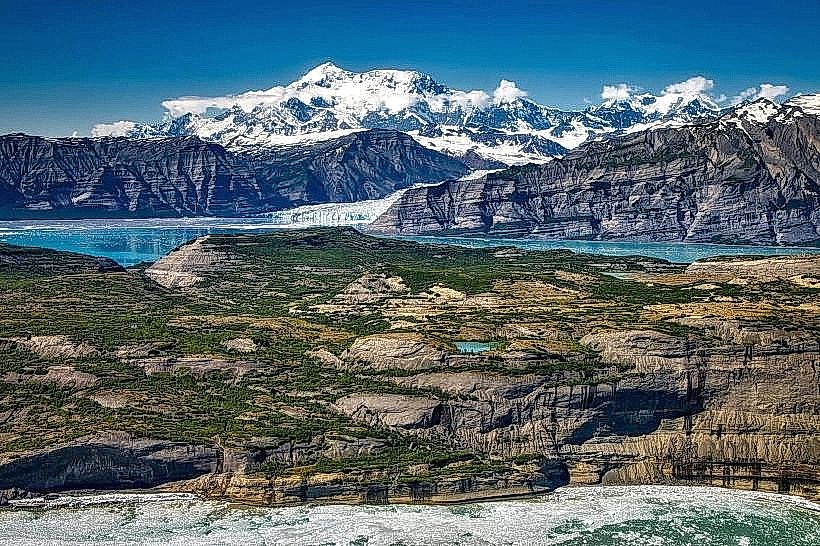
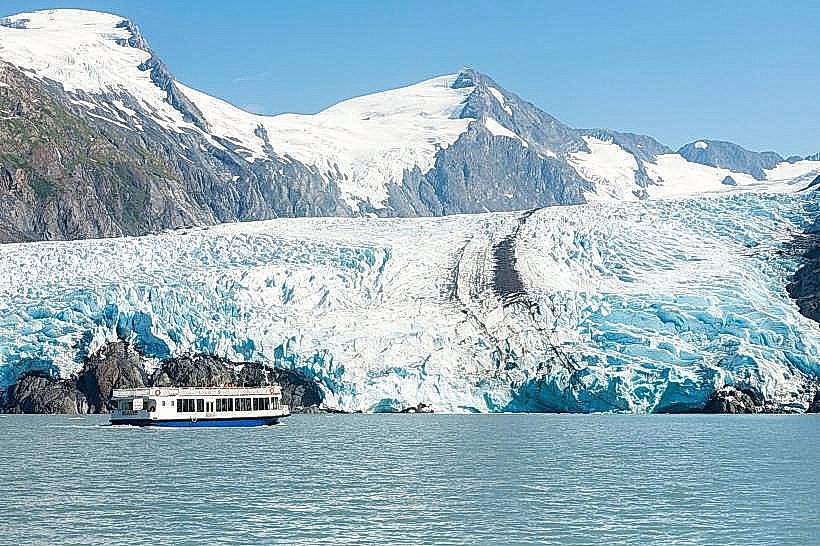
Fjords and Glaciers – The park’s defining features are deep, narrow fjords cut by glaciers, including the prominent Aialik and Holgate Glaciers. Icefields feed these glaciers, creating stunning icefalls and calving events.
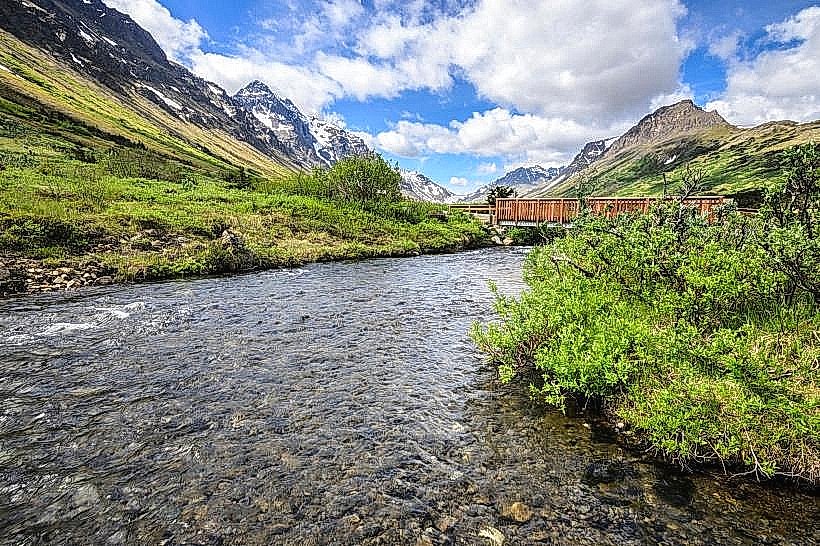
Coastal Mountains and Rainforest – Surrounding fjords are rugged mountains covered in spruce and hemlock, with mossy undergrowth, waterfalls, and alpine meadows.
Marine Ecosystems – The waters of Resurrection Bay and surrounding inlets teem with fish, sea birds, and marine mammals, contributing to the park’s rich biodiversity.
Wildlife and Ecology
Kenai Fjords offers high-density marine and terrestrial wildlife viewing:
Marine Mammals – Humpback whales, orcas, sea lions, seals, and porpoises are frequently seen from boats or the shoreline.
Birds – Puffins, bald eagles, cormorants, and kittiwakes inhabit cliffs and islands throughout the fjords.
Land Mammals – Black bears, moose, and mountain goats inhabit the fjord valleys and surrounding forests.
Glacial Features – Ice calving events create dramatic sounds and visuals, while tidewater glaciers feed nutrient-rich waters supporting salmon and other fish.
Day Trip Logistics from Anchorage
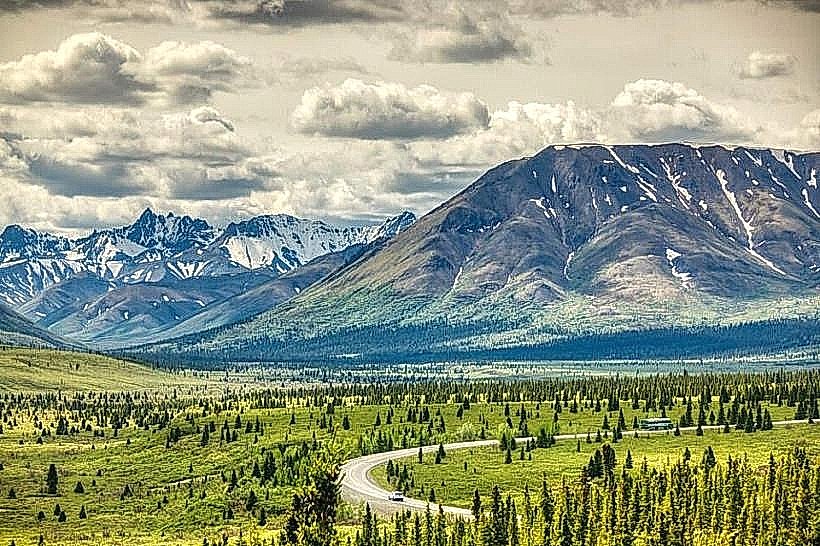
Driving Route – Anchorage to Seward is approximately 2.5–3 hours along the scenic Seward Highway, offering views of Turnagain Arm, waterfalls, and coastal mountains.
Boat Tours – Once in Seward, fjord cruises provide close encounters with glaciers, icebergs, and marine wildlife. Tours range from half-day trips to full-day excursions.
Guided Experiences – Naturalists often accompany boat tours, providing interpretation of glacial formation, wildlife habits, and local ecology.
Alternative Transport – Some visitors fly from Anchorage to Seward or nearby airstrips for faster access, though most take the scenic highway for layered landscape experiences.
Visitor Experience
Glacier Viewing – Watching ice calve from glaciers into the fjords is a highlight, with dramatic cracks and splashes emphasizing the scale of these frozen landscapes.
Wildlife Observation – Tours provide opportunities to see whales breach, sea lions haul out on rocks, and puffins nesting on cliff faces.
Photography – Towering peaks, fjord waters, and shifting light make Kenai Fjords a prime destination for both professional and amateur photographers.
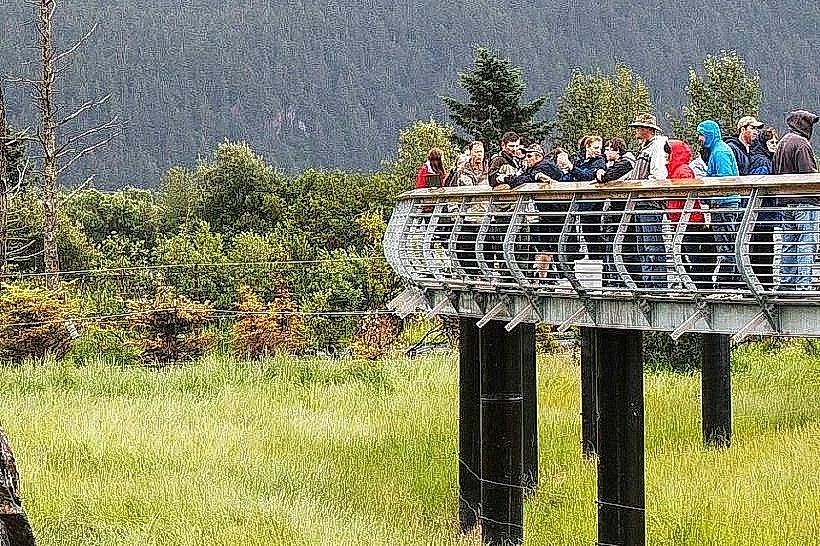
Hiking Options – Short trails near Seward and Exit Glacier offer terrestrial exploration, with glacier views, alpine meadows, and wildlife observation.
Cultural and Historical Context
Indigenous Use – The Kenai Peninsula has been home to Alutiiq (Sugpiaq) and Dena’ina Athabaskan peoples for thousands of years, relying on fishing, hunting, and seasonal movement through fjords and forests.
Modern Park Designation – Kenai Fjords National Park was established in 1980 to protect the Harding Icefield, glaciers, and surrounding ecosystems, balancing conservation with recreation.
Atmosphere and Impressions
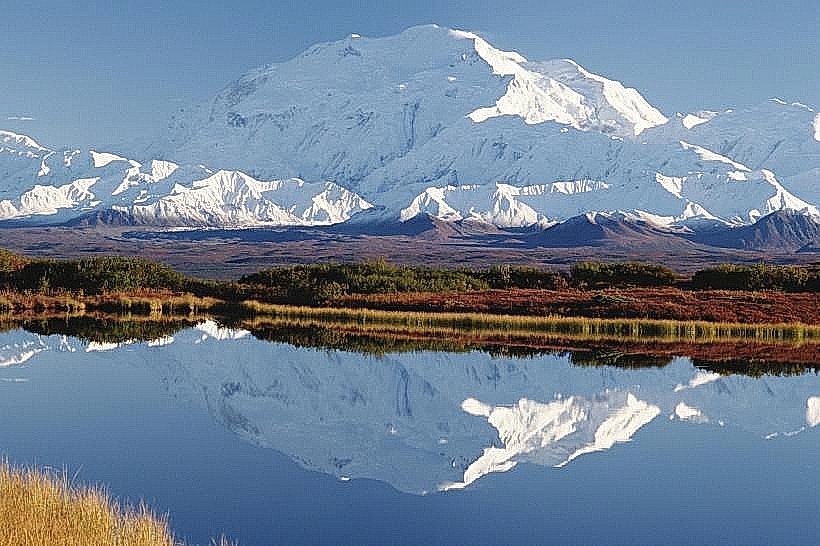
Visitors often describe a sense of remoteness and dramatic beauty, with the contrast between towering ice-covered peaks and deep blue fjord waters creating an awe-inspiring panorama. Wildlife activity, particularly whales and calving glaciers, adds motion and vitality, while the rugged coastline and misty weather emphasize the wild, untamed character of Alaska.
Legacy
Kenai Fjords National Park demonstrates Alaska’s spectacular glacial and marine ecosystems, accessible from Anchorage for day trips while retaining a sense of isolation and wilderness. Its combination of fjords, glaciers, abundant wildlife, and interpretive opportunities makes it an enduring destination for both education and immersive adventure, allowing visitors to witness Alaska’s dynamic natural landscapes firsthand.