Information
Landmark: Crow Pass TrailCity: Anchorage
Country: USA Alaska
Continent: North America
Crow Pass Trail, Anchorage, USA Alaska, North America
The Crow Pass Trail is a remote, multi-day hiking route in the Chugach Mountains near Girdwood, Alaska. Extending roughly 21 miles (one-way) from Girdwood to Eagle River, it traverses alpine valleys, glacial moraines, old mining areas, and pristine forests, offering a layered, immersive experience of Southcentral Alaska’s wilderness. This trail combines dramatic scenery, historical context, and wildlife viewing for experienced hikers.
Trail Geography and Landscape
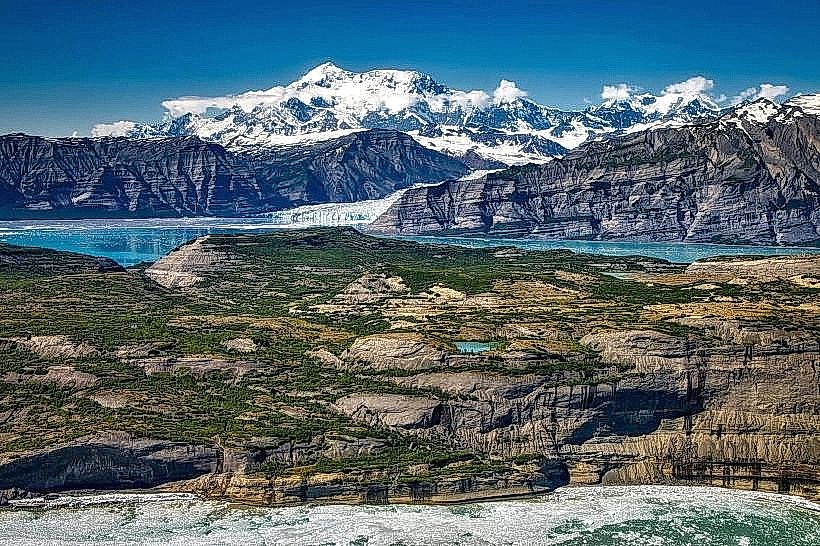
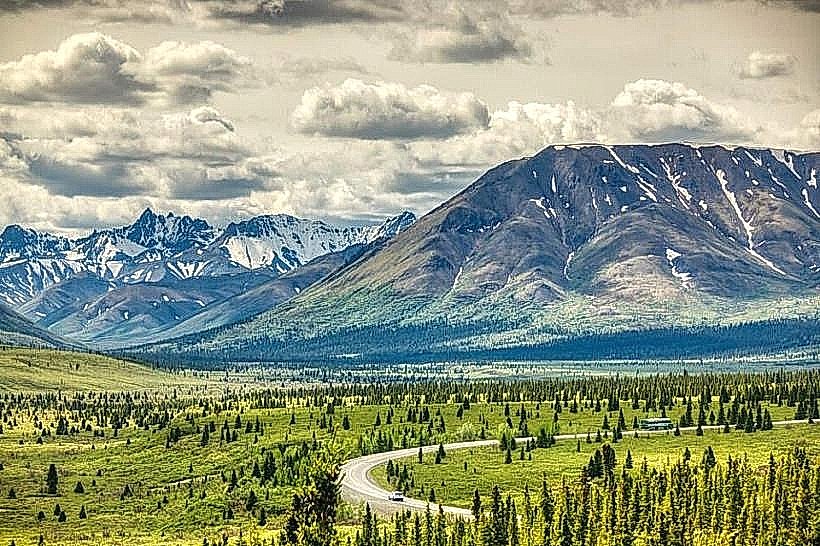
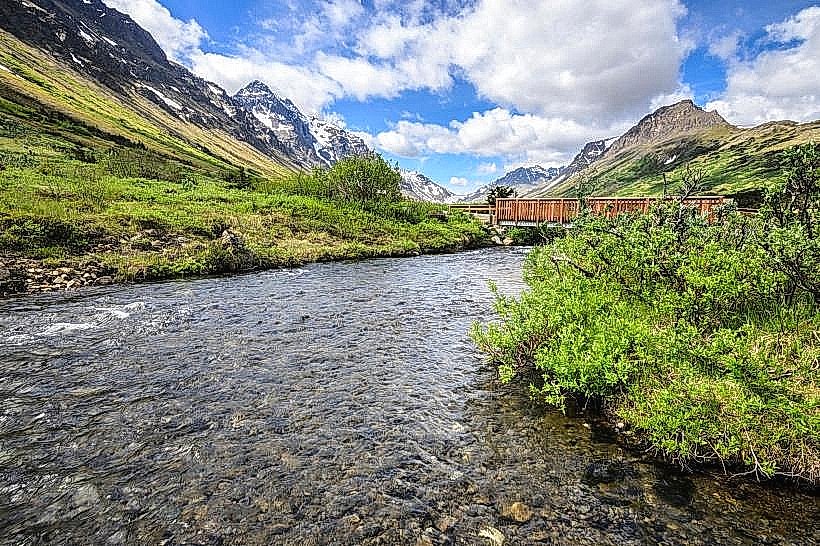
Glacial Valleys – The trail passes Crow Creek and Eagle River valleys, where remnants of glacial activity shape moraines, lakes, and streams.
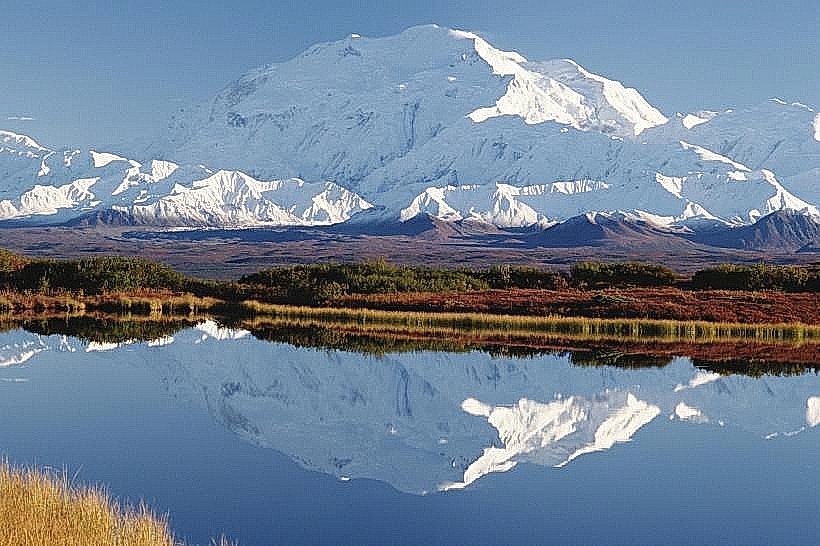
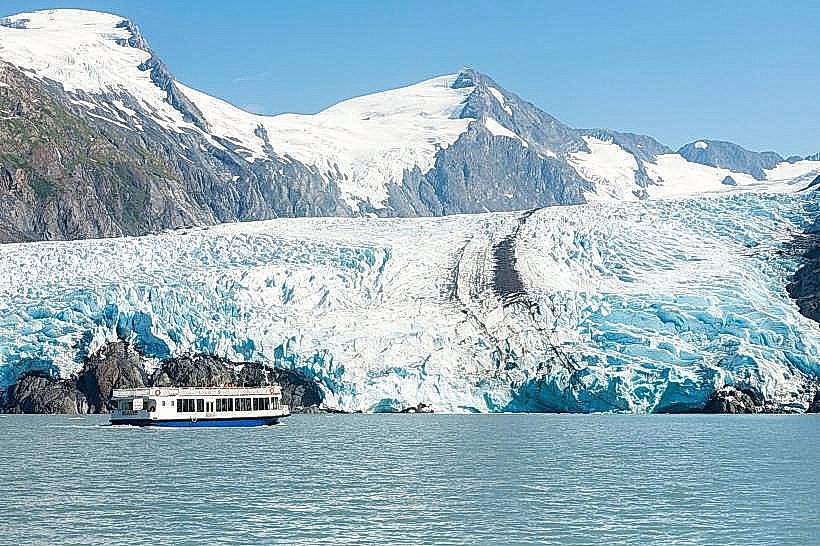
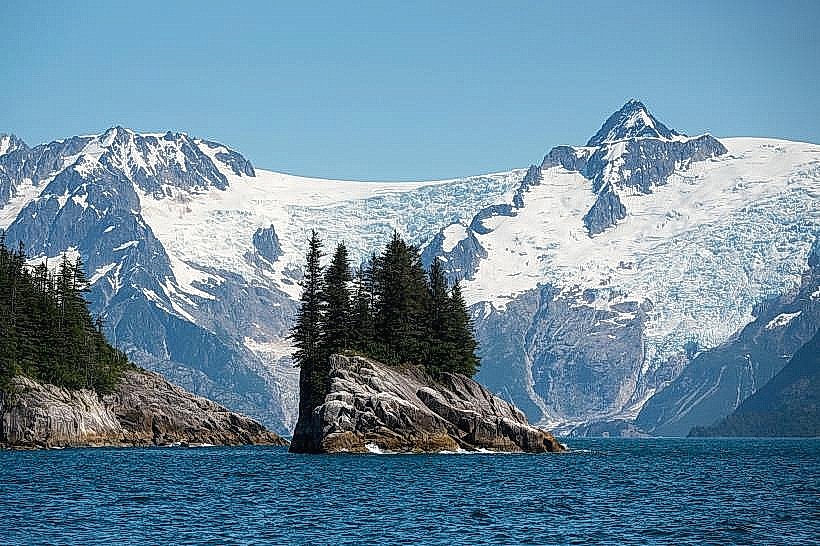
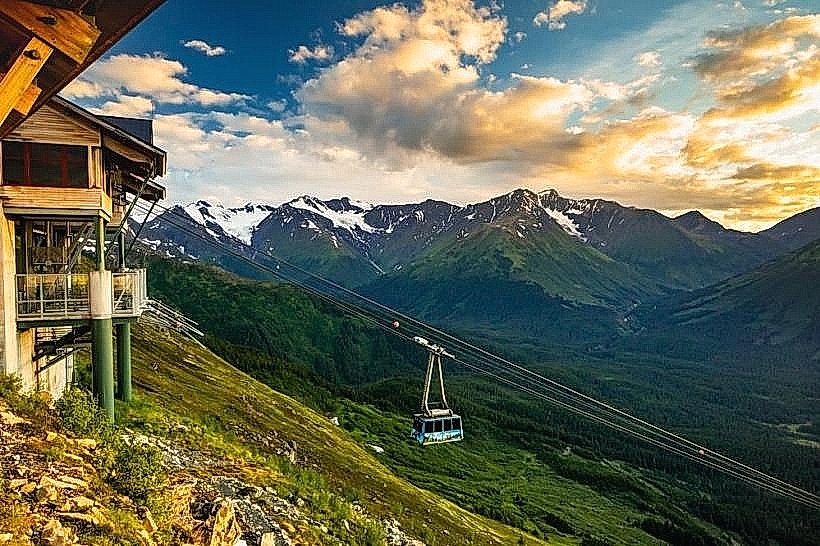
Alpine Passes – Crow Pass itself sits at approximately 3,550 feet (1,082 meters), offering panoramic views of surrounding Chugach peaks, hanging glaciers, and snowfields.
Forest Sections – Lower elevations feature dense spruce, birch, and alder forests, with moss-covered floors, providing contrast to alpine tundra.
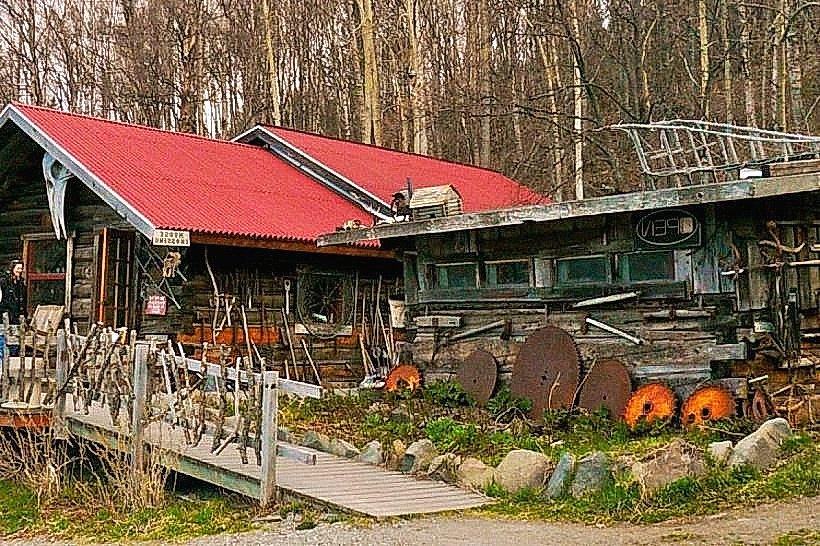
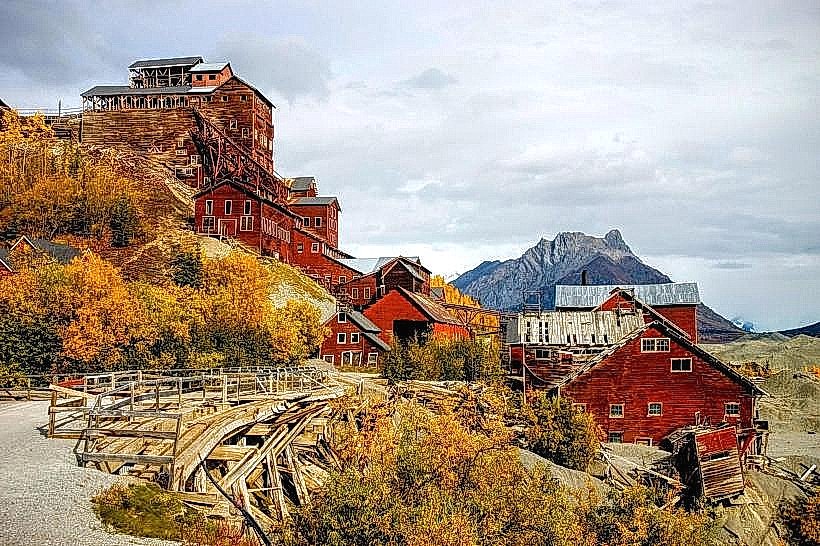
Historical Sites – Sections of the trail pass abandoned gold mining operations, including old cabins, tramways, and rusting equipment, giving hikers a glimpse into Alaska’s mining past.
Wildlife and Ecology
Crow Pass Trail supports a rich array of Alaskan wildlife:
Large Mammals – Moose, black bears, and Dall sheep are occasionally sighted along ridges and valleys.
Birds – Eagles, ptarmigans, and migratory songbirds inhabit forested and alpine areas.
Vegetation – Wildflowers bloom in summer meadows, while alpine tundra hosts mosses and lichens adapted to high elevations.
Seasonal Dynamics – Wildlife activity and vegetation vary by season, with summer providing active animal sightings and fall bringing changing foliage and rutting behavior.
Visitor Experience
Hiking and Backpacking – The trail is strenuous, requiring 2–3 days for most hikers, with backcountry camping opportunities along streams and lakes.
Scenic Highlights – Panoramic mountain views, glacial lakes, and waterfall crossings provide layered visual experiences.
Historical Exploration – Hikers encounter remnants of 1910s gold mining operations, including old cabins and mining infrastructure, adding cultural depth to the journey.
Photography and Observation – Vistas of glaciers, alpine meadows, and wildlife offer rich photographic opportunities throughout the hike.
Practical Considerations
Trailhead Access – The primary trailhead is at Girdwood, with a one-way hike typically ending at Eagle River, requiring shuttle planning.
Preparation – The trail is remote and rugged, with stream crossings, variable weather, and potential wildlife encounters; proper gear, maps, and experience in backcountry navigation are essential.
Season – Late June through early September is ideal; early snowmelt and late-season storms can impact accessibility.
Atmosphere and Impressions
Crow Pass Trail conveys a sense of wilderness immersion and layered natural beauty. Hikers experience a shift from lowland forests to alpine tundra, then glacial valleys, punctuated by historical mining remnants. Wildlife encounters, rushing streams, and panoramic ridgelines create a dynamic and authentically Alaskan hiking experience, where the scale of the mountains and glaciers inspires both awe and reflection.
Legacy
The Crow Pass Trail stands as one of the premier backcountry hikes in Southcentral Alaska, offering a combination of alpine beauty, glacial landscapes, historical intrigue, and wildlife observation. It exemplifies Alaska’s rugged, layered wilderness and provides a challenging yet rewarding experience for hikers seeking both natural and cultural immersion.