Information
Landmark: Portage Glacier (Portage Valley)City: Anchorage
Country: USA Alaska
Continent: North America
Portage Glacier (Portage Valley), Anchorage, USA Alaska, North America
Portage Glacier and Portage Valley – Alaska
Overview
Portage Glacier and its surrounding Portage Valley lie approximately 50 miles southeast of Anchorage, in the heart of the Chugach Mountains. This easily accessible glacier and scenic valley offer visitors a layered experience of glacial landscapes, alpine forests, and mountain waterways, combining natural beauty, educational interpretation, and recreational opportunities.
Geography and Landscape
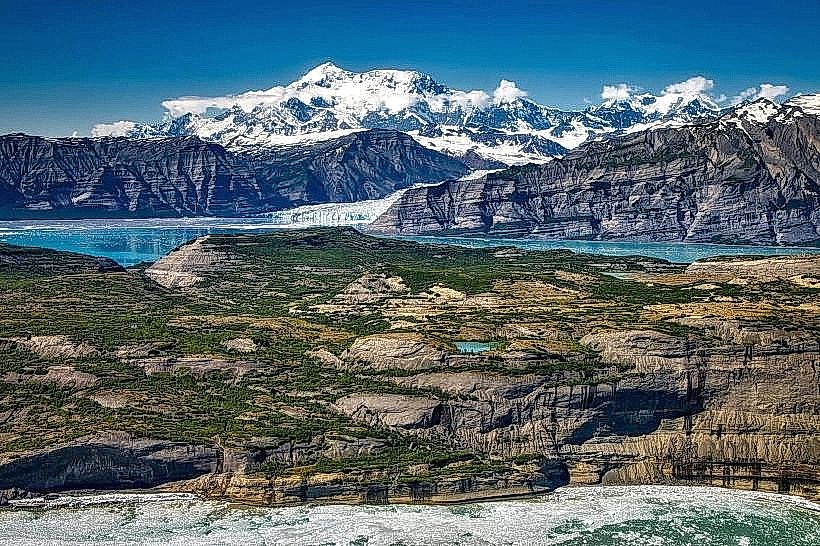
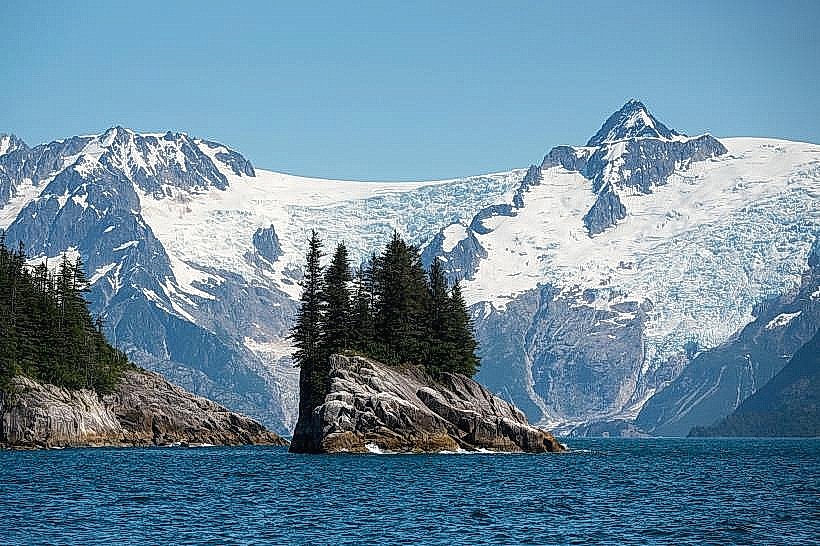
Portage Glacier – Once extending into Portage Lake, the glacier has retreated dramatically over the last century due to climate change, now terminating several miles upstream. Its massive ice face is still visible from observation points and boat tours.
Portage Lake – Fed by glacial meltwater, this lake is turquoise-blue, reflecting surrounding peaks and icebergs calved from the glacier.
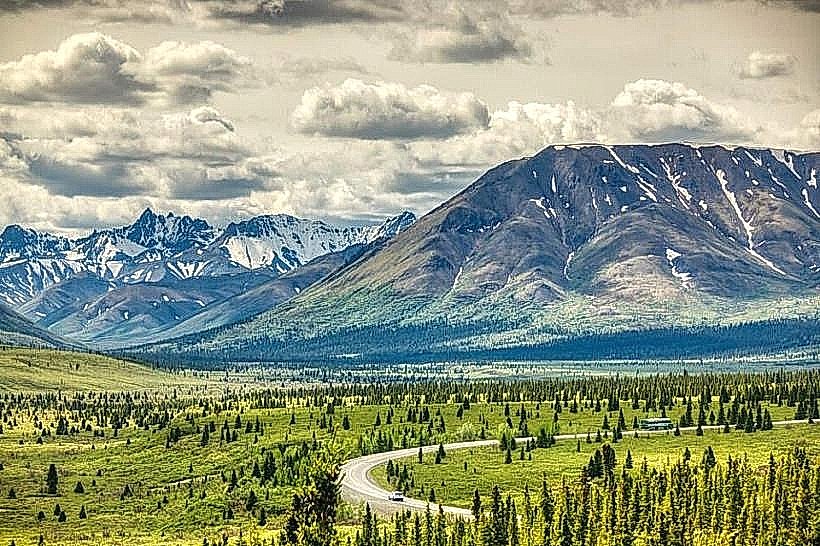
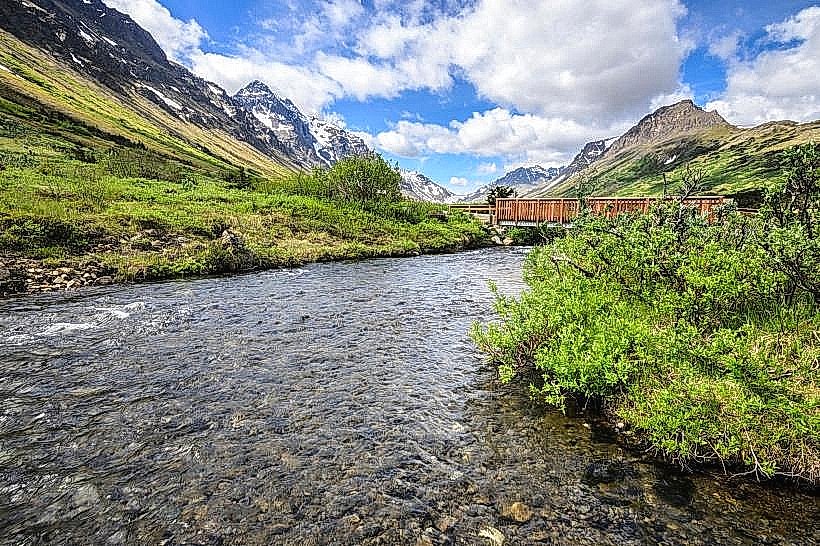
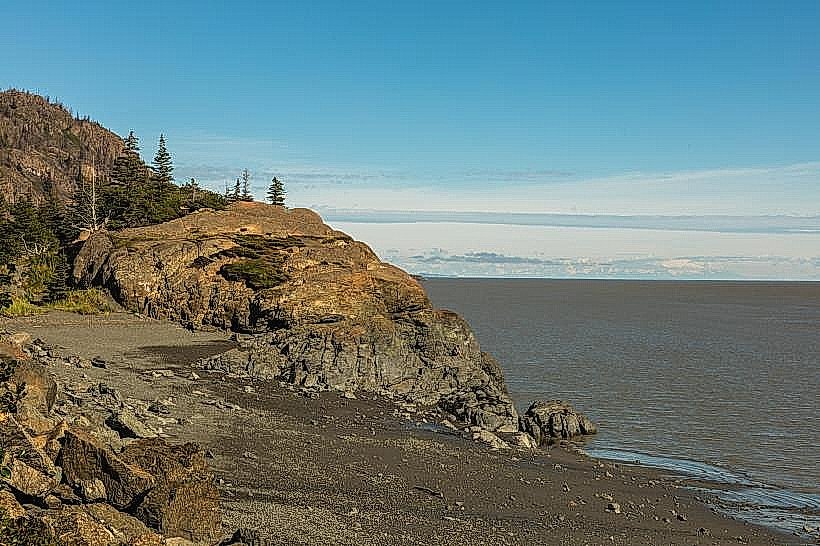
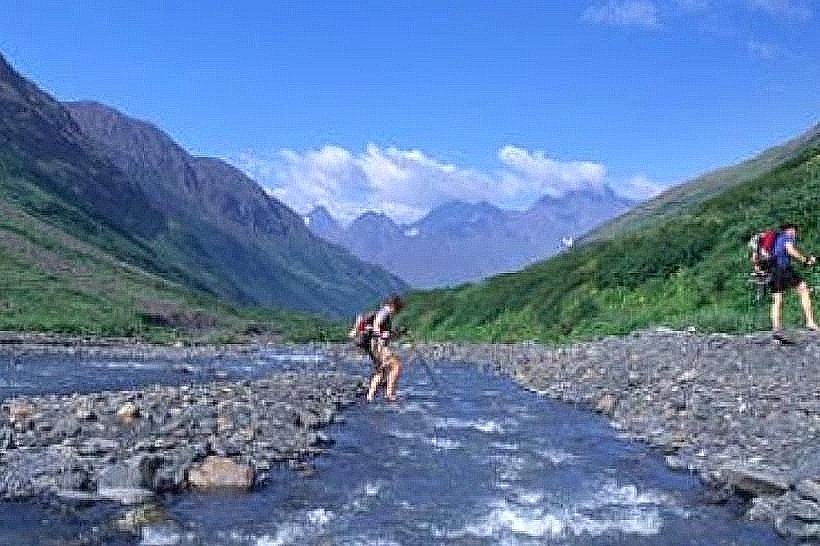
Portage Valley – The valley features dense spruce and birch forests, wetlands, and meandering streams, with surrounding mountains creating a dramatic backdrop. Trails wind along rivers and through mossy forests, offering both easy walks and more challenging hikes.
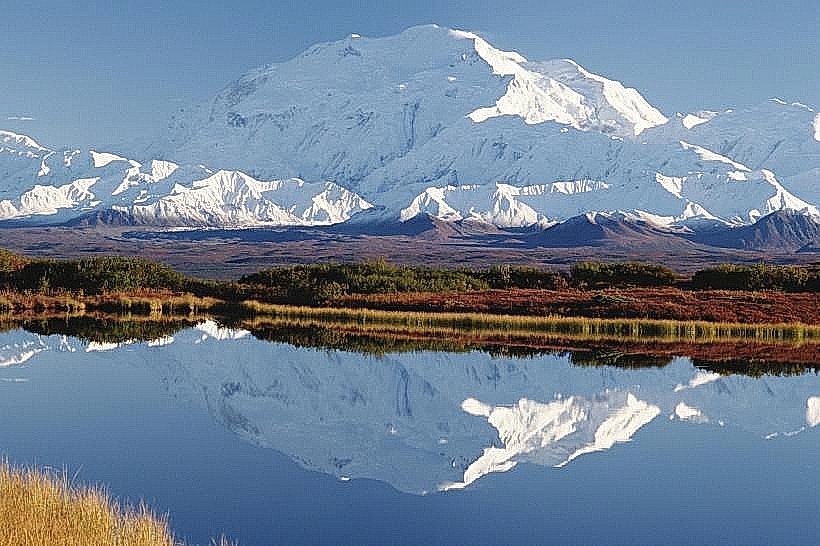
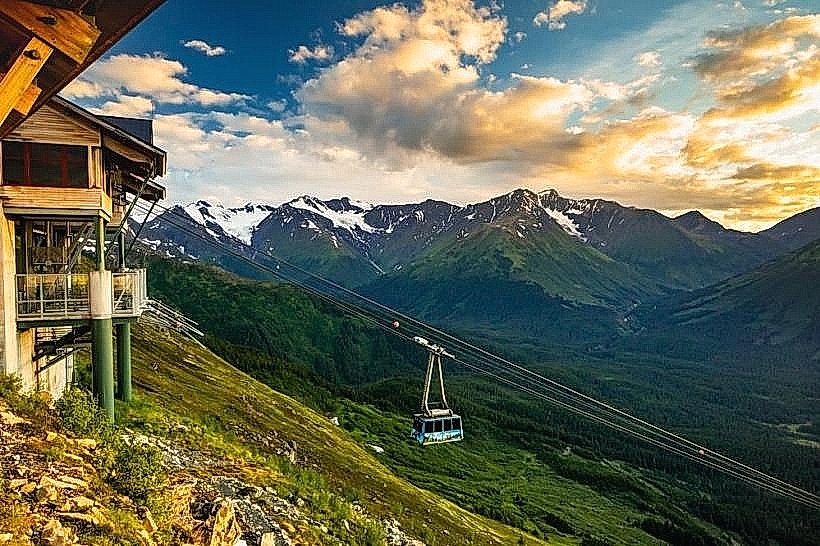
Scenic Vistas – From elevated viewpoints, visitors can see the retreating glacier, Portage Lake, and surrounding peaks of the Chugach Mountains, often framed by snowfields and alpine meadows.
Wildlife and Ecology
Portage Valley is home to typical south-central Alaskan wildlife:
Mammals – Moose are commonly seen along the valley floor, while black bears, foxes, and occasionally mountain goats inhabit the surrounding slopes.
Birds – Bald eagles, ravens, and migratory waterfowl frequent the lake and forests.
Aquatic Life – Cold-water streams and Portage Lake support salmon runs, which attract both wildlife and bird species.
Visitor Experience
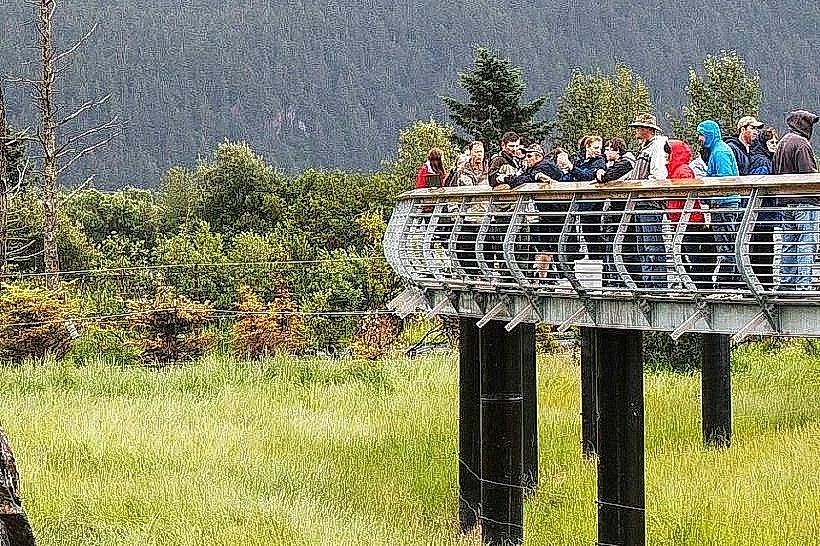
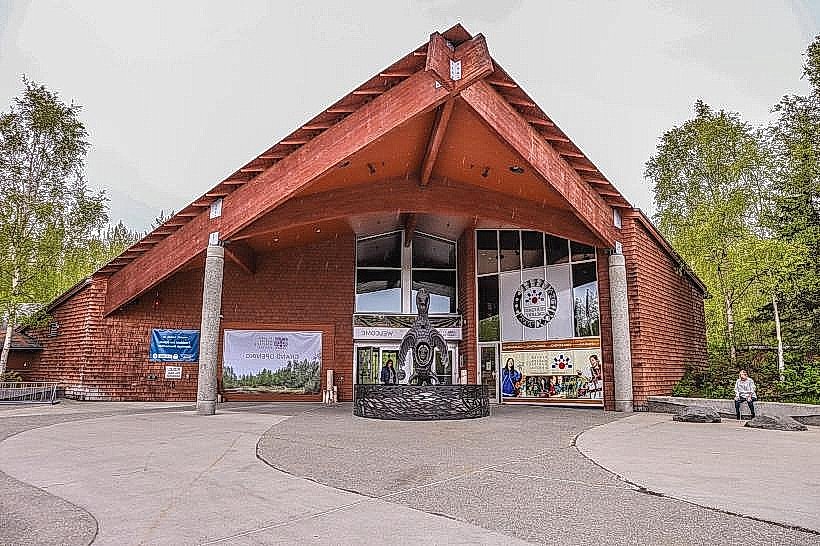
Glacier Viewing – Observation platforms and the Begich, Boggs Visitor Center provide safe viewing areas and interpretive exhibits on glacial history and ecology.
Boat Tours – Excursions on Portage Lake allow visitors to approach icebergs and view the glacier from the water.
Hiking and Trails – Short walks, like the Williwaw Nature Trail, traverse wetlands and forests, offering wildlife viewing and scenic perspectives. Longer hikes in surrounding areas provide access to alpine viewpoints and panoramic vistas.
Photography – The vibrant glacier ice, reflective lake, and surrounding mountains create striking photographic opportunities, particularly during sunrise or late afternoon.
Cultural and Historical Significance
Indigenous History – The area was traditionally used by Dena’ina Athabaskans for seasonal hunting and fishing.
Modern History – The glacier was a destination for early 20th-century explorers and scientists studying glacial dynamics. The establishment of the Begich, Boggs Visitor Center enhances educational and conservation outreach.
Atmosphere and Impressions
Visitors often experience a blend of tranquility and awe, with the sound of flowing streams, distant calving ice, and the sight of vibrant blue glacier ice. Seasonal contrasts are dramatic: summer brings lush greenery and accessible trails, while winter transforms the valley into a snow-blanketed, serene wilderness. Wildlife sightings add excitement, while the scale of surrounding peaks emphasizes the region’s rugged grandeur.
Legacy
Portage Glacier and Portage Valley illustrate Alaska’s dynamic glacial landscapes and ecological richness. Despite glacial retreat, the area remains a key destination for education, recreation, and natural observation. It highlights both the fragility and power of Alaskan wilderness, offering visitors an intimate connection with glaciers, alpine forests, and mountain ecosystems.