Information
City: AnchorageCountry: USA Alaska
Continent: North America
Anchorage, USA Alaska, North America
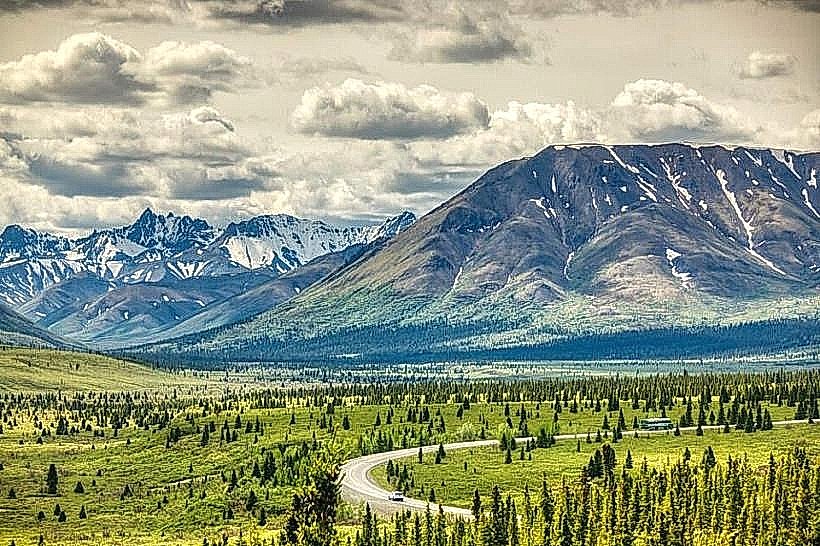
Anchorage is the largest city in Alaska, housing nearly 40% of the state's population. Situated on a peninsula bounded by the Cook Inlet and the Chugach Mountains, it is defined by the intersection of high-intensity urban life and untamed wilderness, where moose sightings on city streets are a daily occurrence.
Historical Timeline
Inhabited for millennia by the Dena’ina Athabascan people. Founded in 1915 as a tent city at the mouth of Ship Creek to serve as the headquarters for the federally built Alaska Railroad. A critical historical event occurred on Good Friday, March 27, 1964, when a magnitude 9.2 earthquake-the strongest ever recorded in North America-devastated the city and reshaped its topography. Post-war growth was fueled by its selection as a strategic Cold War defense hub and the discovery of oil at Prudhoe Bay in the late 1960s, which established Anchorage as the corporate and financial nerve center of Alaska.
Demographics & Population
The 2026 population is approximately 289,600 (metro area ~398,000). The demographics are White (58.3%), Two or more races (13.1%), Asian (9.8%), and Native American/Alaska Native (7.3%). Anchorage is known for having some of the most ethnically diverse census tracts in the United States. The economy is driven by Resource Extraction (Oil and Gas), Transportation (Ted Stevens International Airport is a global cargo hub), Military (Joint Base Elmendorf-Richardson), and Tourism.
Urban Layout & Key Districts
Anchorage covers 1,961 square miles, roughly the size of the state of Delaware.
Downtown: The high-rise business and tourist core; home to the Anchorage Museum, the Performing Arts Center, and the start of the Tony Knowles Coastal Trail.
Midtown: A primary commercial and retail hub containing the city's major shopping centers and corporate headquarters.
South Anchorage / Hillside: Upscale residential districts backing into the Chugach Mountains, featuring large lots and high elevations.
Mountain View: Recognized as one of the most diverse neighborhoods in America, located near the military base.
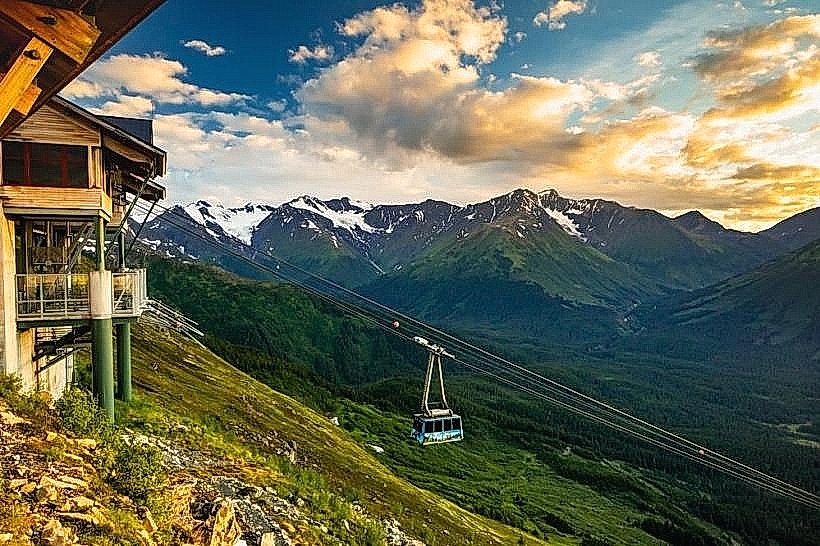
Girdwood: A resort community 60 km south, within city limits, home to Alyeska Resort.
Top City Landmarks
Anchorage Museum at Rasmuson Center: The state's largest museum, integrating art, history, and science with a focus on Alaska Native cultures.
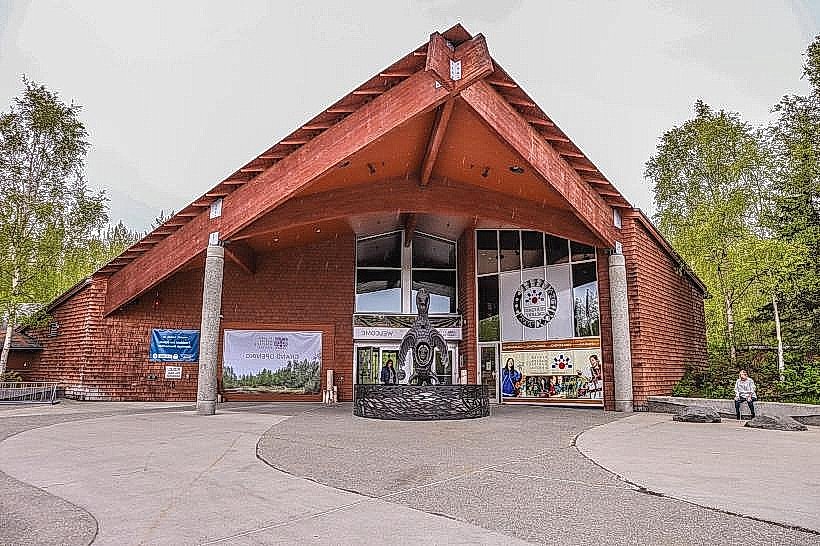
Alaska Native Heritage Center: A premier cultural institution featuring traditional dwellings and live demonstrations from Alaska's eleven major cultural groups.
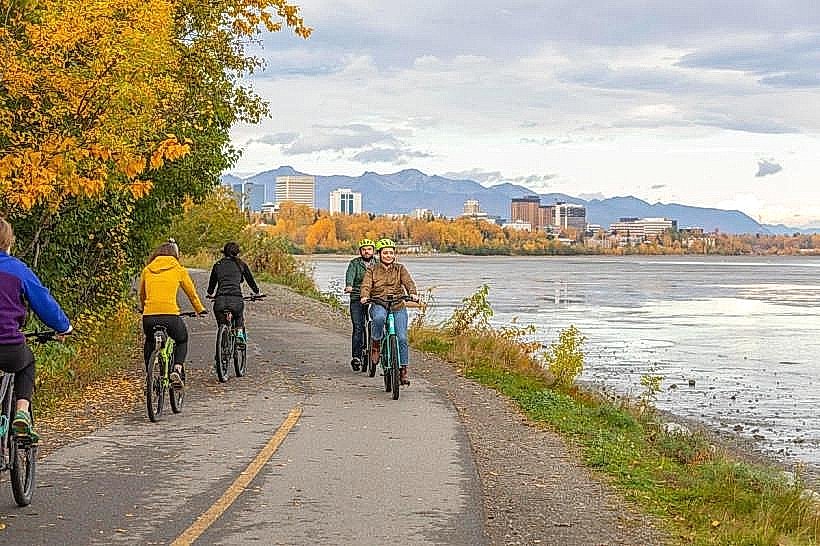
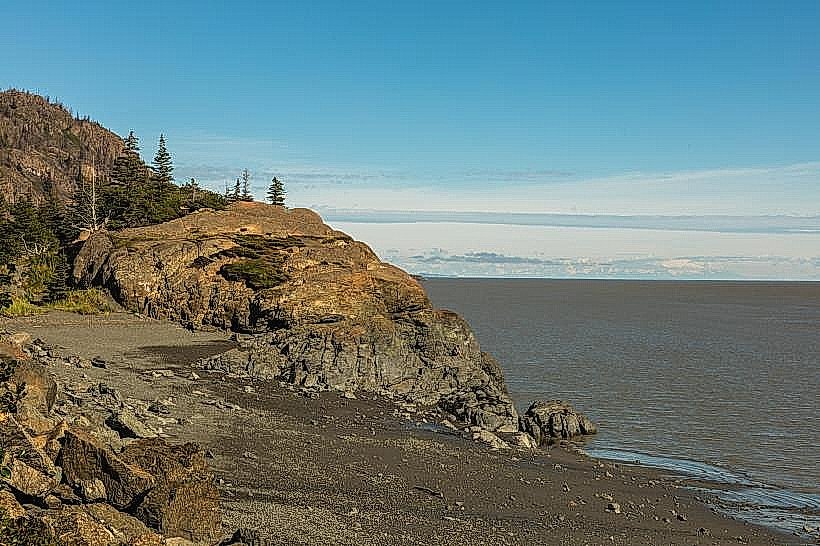
Tony Knowles Coastal Trail: An 11-mile paved trail following the shoreline, offering views of Denali, the Alaska Range, and frequent moose encounters.
Lake Hood Seaplane Base: The world’s busiest seaplane base, handling nearly 200 flights daily.
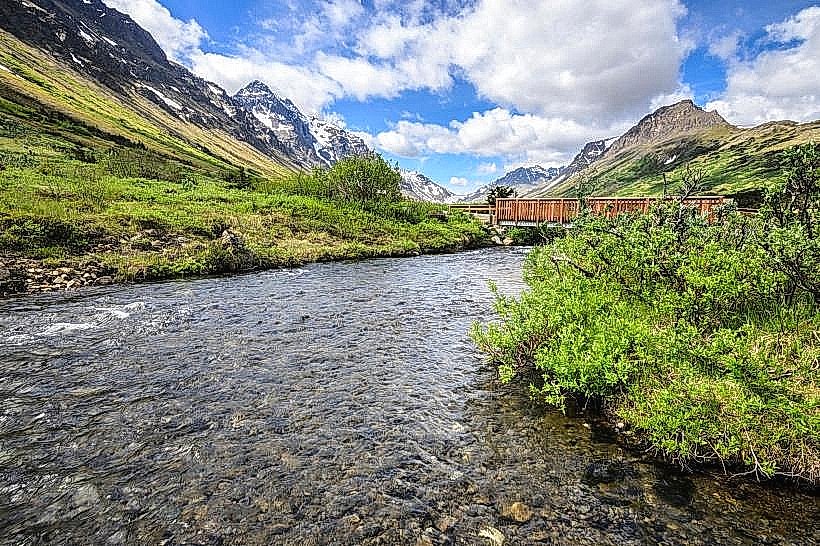
Chugach State Park: One of the largest state parks in the U.S., accessible within 20 minutes of downtown for hiking and alpine skiing.
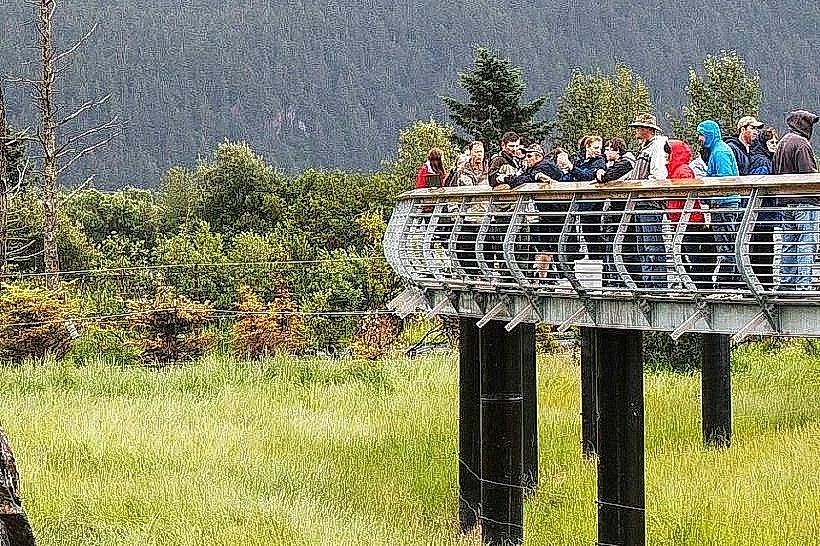
Alaska Wildlife Conservation Center: (Located 75 km south); a sanctuary for orphaned or injured bears, wood bison, and muskox.
Ship Creek: An urban salmon fishery where anglers catch King and Silver salmon in the heart of the industrial district.
Transportation Network
Movement is primarily automotive. Anchorage is the terminus for the Alaska Railroad and the gateway to the Seward and Glenn Highways. Public transit is provided by People Mover buses. Ted Stevens Anchorage International Airport (ANC) is a critical global refueling stop for cargo. In 2026, Southwest Airlines launched its first seasonal service to the city, increasing competitive flight options.
Safety & "Red Zones"
The general safety level is moderate. While violent crime is statistically higher than the national average, it is rarely directed at tourists. Property crime is common. Standard awareness is advised in parts of Downtown, Fairview, and Mountain View after dark. Environmental hazards are the primary concern: bear and moose encounters, extreme winter ice, and seismic activity.
Digital & Financial Infrastructure
Internet speeds are high, with 1 Gbps fiber widely available via GCI and Alaska Communications. Main mobile carriers are GCI, AT&T, and Verizon. Card acceptance is universal. Alaska has no state income tax or state sales tax, though Anchorage currently has a 0% local sales tax (unlike Juneau).
Climate & Air Quality
Temperatures range from -12°C to -4°C in winter and 10°C to 19°C in summer. Protected by the mountains, Anchorage is milder than Interior Alaska. However, it can experience "Big Dark" (December/January) with only 5–6 hours of daylight. Air quality is generally high but can be impacted by summer wildfire smoke.
Culture & Social Norms
The standard tipping percentage is 20%. An "Informal-Rugged" greeting is standard. Dress codes are "Alaska-Casual" (jeans and outdoor gear are acceptable in fine dining). The city is culturally defined by the Iditarod Sled Dog Race (which starts downtown), Fur Rendezvous (winter festival), and a deep culture of aviation.
Local Cost Index
1 Espresso: $6.50 (USD)
1 Standard Lunch: $20.00 (USD)
1 Anchorage Museum Admission: $20.00–$25.00.
Nearby Day Trips
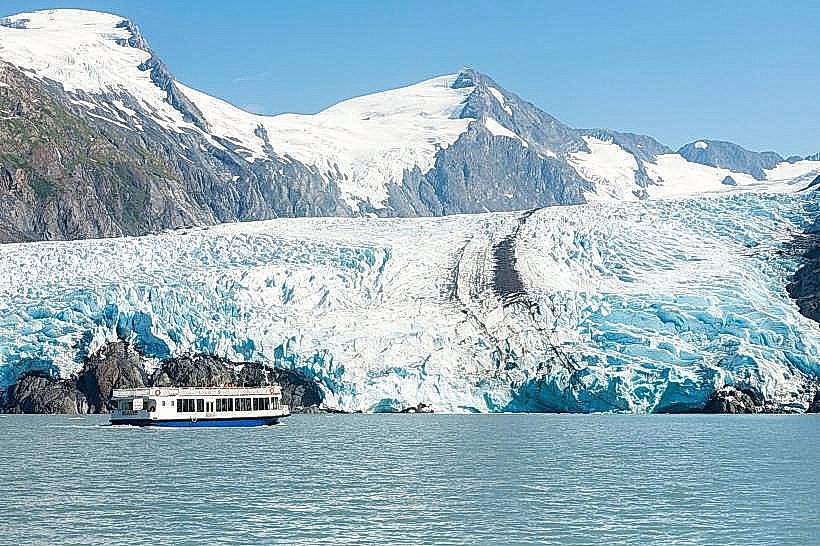
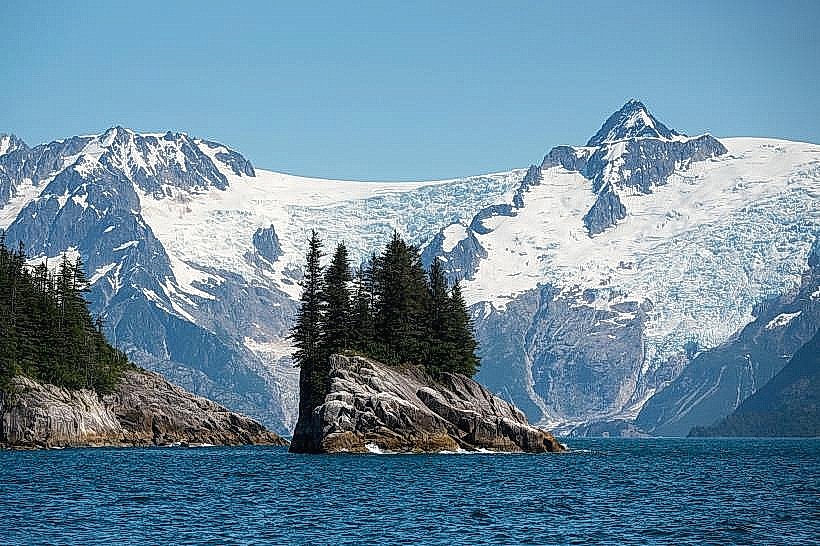
Whittier / Prince William Sound: (100 km south; accessible via a 2.5-mile tunnel for glacier cruises).
Matanuska Glacier: (160 km northeast; one of the few glaciers accessible by car).
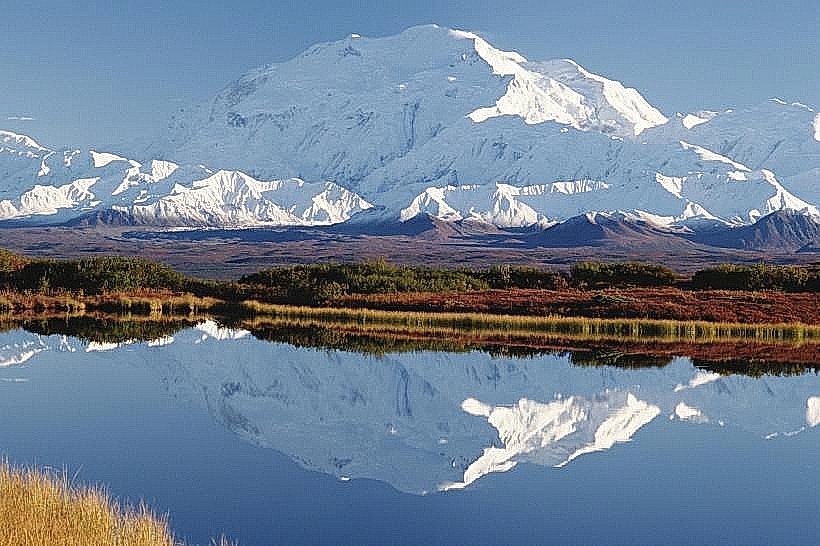
Denali National Park: (380 km north; a long day trip or multi-day excursion).
Facts & Legends
Anchorage contains more than 250 miles of trails, many of which are used by moose for winter transit. Historically, the city was once the "Air Crossroads of the World" for flights between Europe and East Asia during the Cold War. A local legend involves "Star the Reindeer," a series of pet reindeer who lived in downtown Anchorage for decades, becoming unofficial mascots. Another legend concerns the "Fourth Avenue Tunnels," rumored to be a network of underground passages built during the city's early days, some of which were exposed or collapsed during the 1964 earthquake.